Decoding Acne-Prone Skin: What Is Acne Prone Skin and How to Treat It
Struggling with breakouts? This guide answers "what is acne prone skin," explains causes, and offers solutions. Discover how to build a clear skin routine!

Acne-prone skin can feel like a constant battle, a frustrating cycle of breakouts that often leaves us searching for answers. Understanding what truly defines "acne-prone skin" is the first, crucial step toward reclaiming clear, healthy skin. It's more than just occasional pimples; it's a skin type characterized by a higher likelihood of developing acne due to a combination of factors, including excess oil production, clogged pores, inflammation, and the presence of acne-causing bacteria.
The key to managing acne-prone skin lies in a consistent, thoughtful skincare routine. This includes using non-comedogenic products—those specifically formulated to avoid clogging pores. Choosing the right products is a cornerstone of preventing further breakouts, and knowing your skin's needs is just as important as the products you choose. Think of it as a partnership: you and your skin, working together for a healthier complexion.
We'll explore the science behind acne-prone skin, arming you with the knowledge to make informed decisions and build a skincare regimen that works for you. Remember, managing acne is often a journey, but with the right information and approach, clear skin is within reach.
The Science of Acne-Prone Skin: What's Really Going On?
Acne-prone skin isn't simply a matter of bad luck. Several interconnected factors contribute to the formation of acne. The primary culprit is often an overproduction of sebum, the skin's natural oil. This excess oil, combined with dead skin cells, clogs pores, creating a breeding ground for *Cutibacterium acnes*, the bacteria primarily responsible for acne inflammation.
Sebum Production and the Role of Hormones
Hormonal fluctuations, common during puberty, menstruation, and pregnancy, can significantly impact sebum production. Androgens, in particular, stimulate oil glands, leading to increased oiliness. While hormones are a key driver, other factors like genetics and even diet can influence your skin's oil production.
The Comedogenic Factor: What Clogs Pores?
Not all ingredients are created equal when it comes to skincare. Some ingredients, termed "comedogenic," have a higher likelihood of clogging pores. These can include certain oils, like coconut oil and cocoa butter, and some thickeners and emulsifiers often found in cosmetic products. This is where understanding ingredient lists becomes crucial.
Building Your Ideal Skincare Routine for Acne-Prone Skin
A successful skincare routine for acne-prone skin is built on consistency and using the right ingredients. It is also about adapting to your skin's needs. Start slowly, introducing new products one at a time to monitor how your skin responds. Listen to your skin; it will tell you what it likes and dislikes.
Cleansing: The Foundation of Clear Skin
Choose a gentle, non-comedogenic cleanser. Look for ingredients like salicylic acid or benzoyl peroxide, known for their ability to unclog pores and fight acne-causing bacteria. Avoid harsh cleansers that strip the skin of its natural oils, which can trigger even more oil production as the skin tries to compensate.
Targeted Treatments: Addressing the Root Causes
Incorporate targeted treatments, such as serums and spot treatments, into your routine. Ingredients like retinoids can help regulate cell turnover and prevent clogged pores. Always introduce new actives gradually to avoid irritation. Start with a low concentration and increase as tolerated.
Hydration and Sun Protection: Essential Steps
Even acne-prone skin needs hydration. Use a lightweight, non-comedogenic moisturizer. Sunscreen is also crucial, but choose a broad-spectrum, oil-free formula to protect your skin without causing breakouts. Look for mineral-based sunscreens containing zinc oxide or titanium dioxide.
Hidden Pore-Cloggers to Watch Out For
Be aware of ingredients that can sabotage your progress. Some common offenders include heavy oils, certain waxes, and some fragrances. Reading ingredient lists can become your best defense against unexpected breakouts. Also, remember that a product's "natural" or "organic" label doesn't automatically mean it's non-comedogenic.
Ingredient Awareness: A Key Skill
Develop a habit of reviewing ingredient lists. Learning to identify potential pore-cloggers empowers you to make smarter choices. This can save you from a lot of trial and error.
Product Testing and Patch Testing
Always patch test a new product on a small area of skin before applying it to your entire face. This helps you determine whether a product will trigger a reaction or clog pores.
Don't Let Your Products Ruin Your Progress
Understanding "what is acne prone skin" is the start, but success hinges on diligent product selection. Even the best skincare routine can be derailed by hidden pore-clogging ingredients lurking in seemingly harmless products. Often, we don't realize that some of our products may be counteracting the benefits of our active ingredients. Learning to identify these potential issues is key. So, the next time you're considering a new product, consider checking its ingredient list carefully.
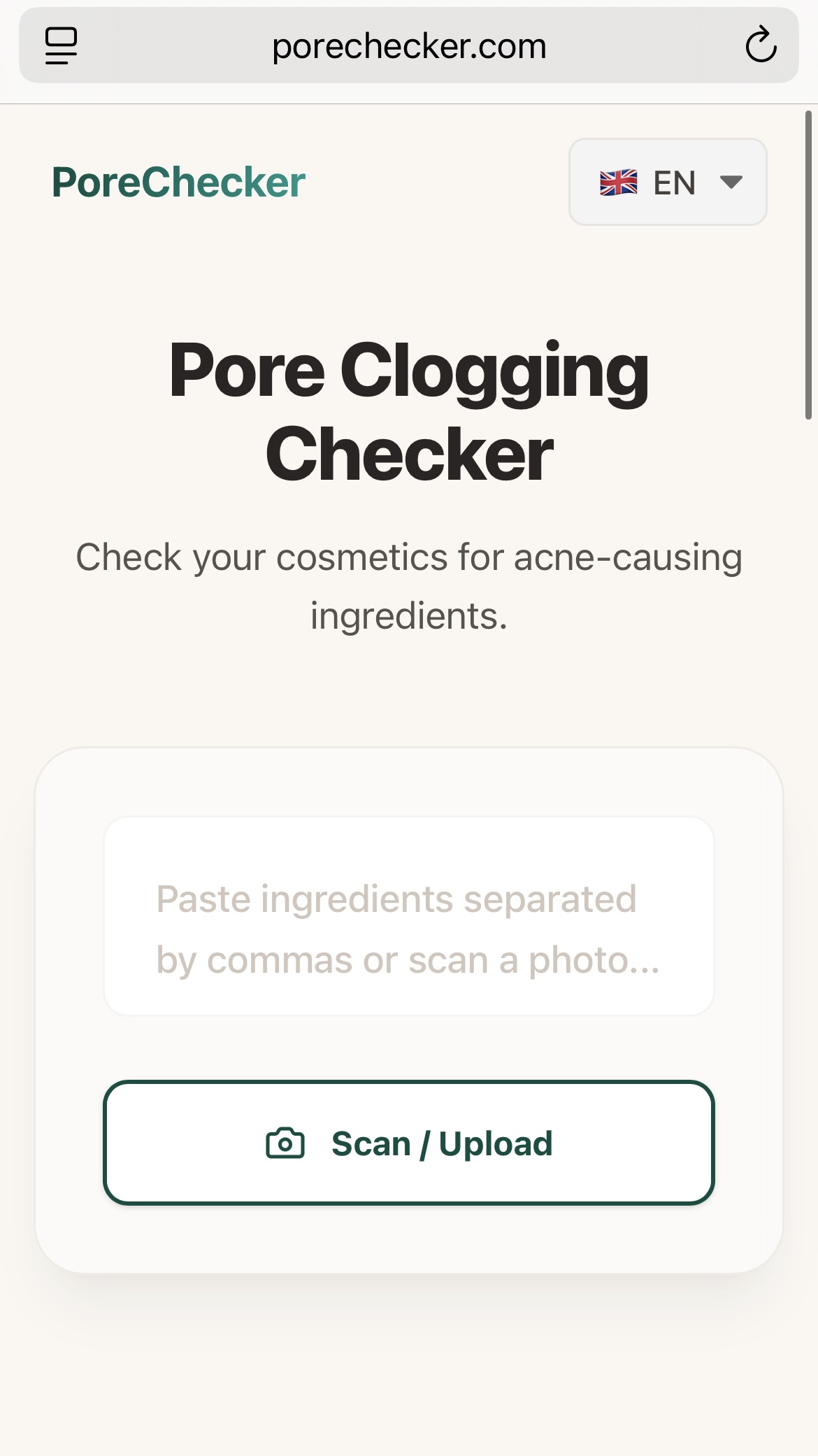
Step 1: Upload Your Product Image
Simply snap a photo of the ingredient list on the back of any bottle, jar, or box. No typing required.
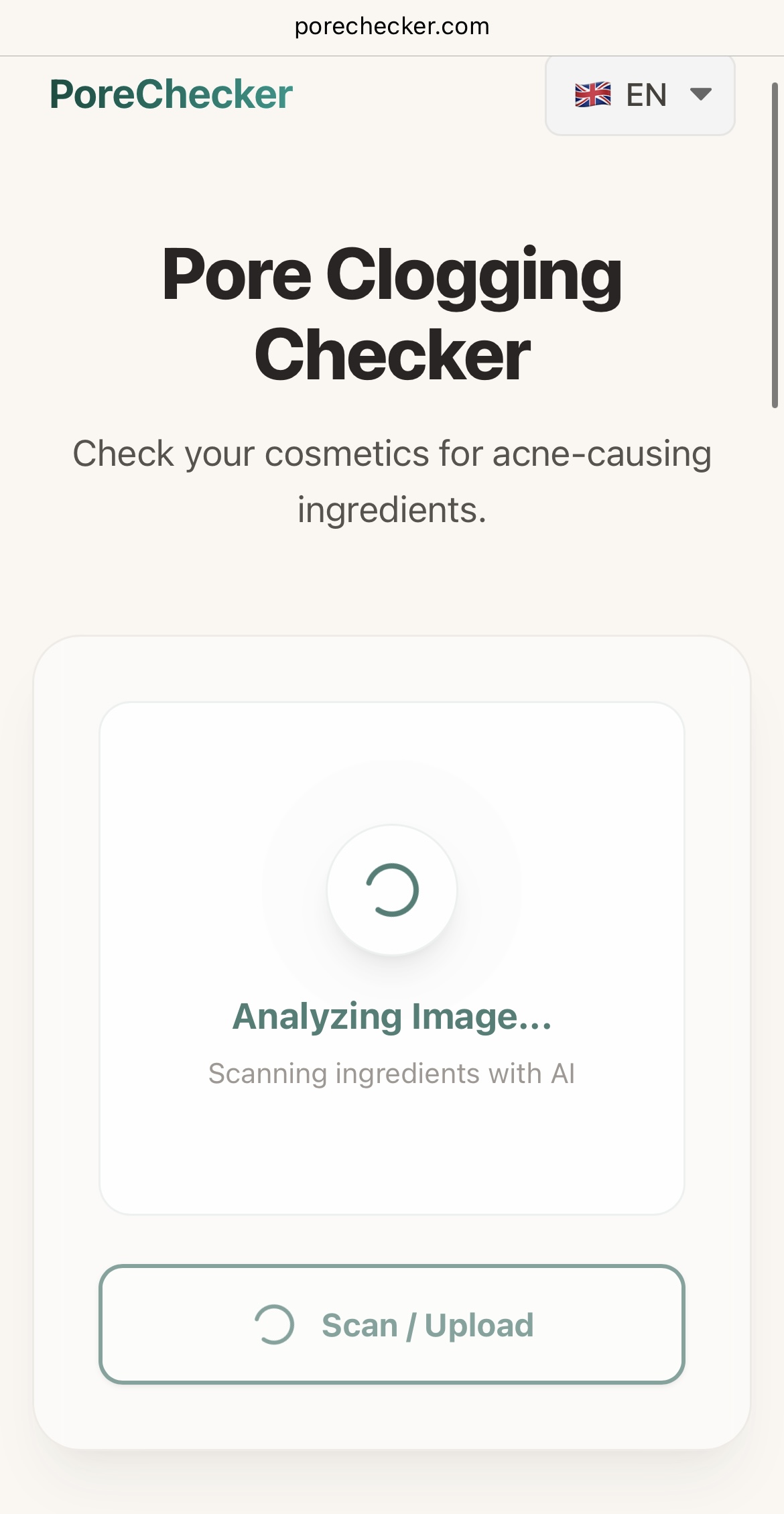
Step 2: Instant AI Ingredient Analysis
Our advanced AI scans the image, performs OCR (Optical Character Recognition), and matches every ingredient against our curated database of comedogenic substances.
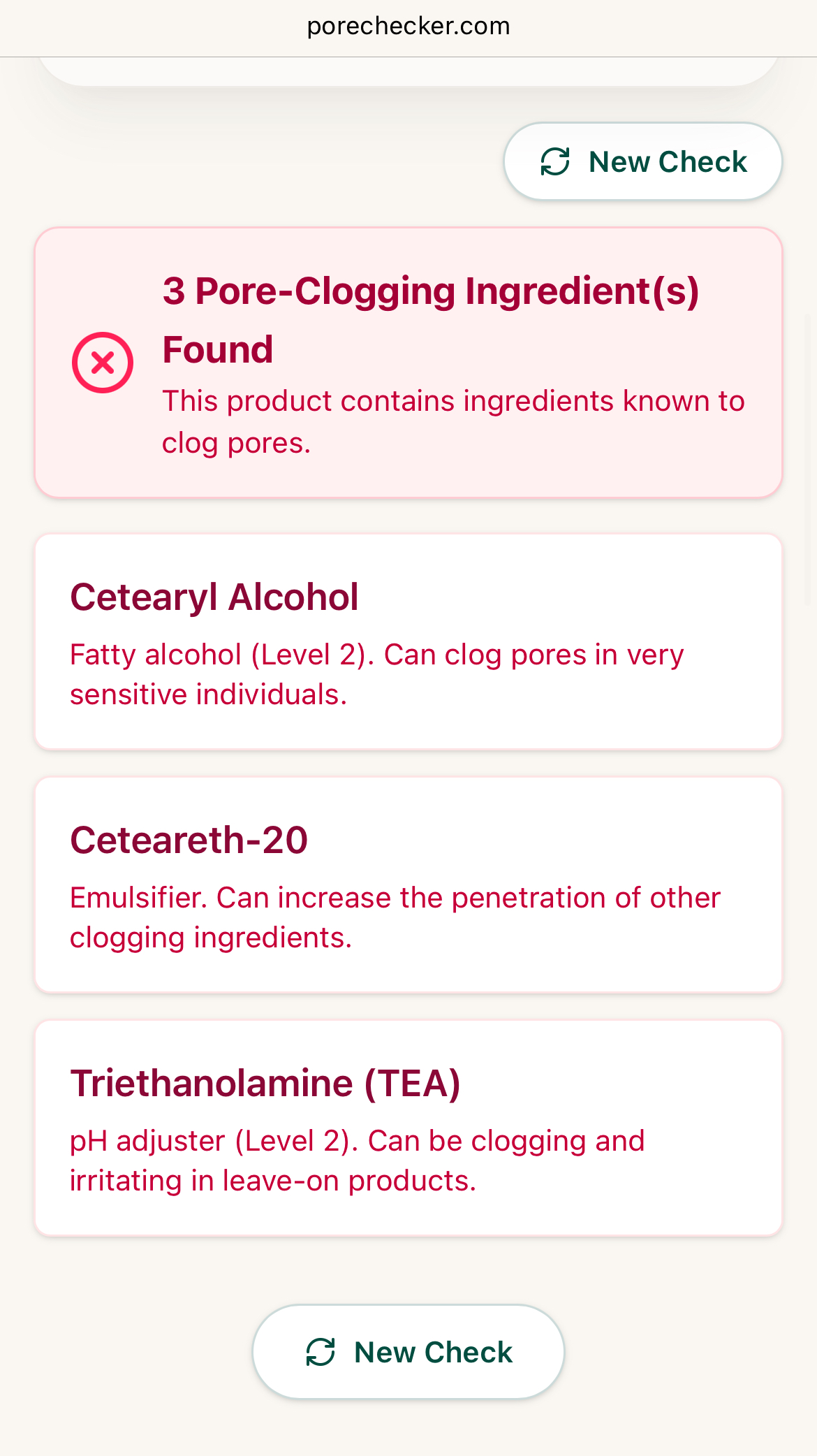
Step 3: Clear Results for Clearer Skin
You get an immediate breakdown. If any red-flag ingredients are found, we highlight them and explain why they might be problematic for your pores.
Does this product fit my skin's needs?
Check Your Products Now