Does Masturbation Cause Acne? Separating Fact from Fiction for Clear Skin
Debunking acne myths! Does masturbation cause acne? A dermatologist explores the science, provides clarity, & offers solutions for clear, healthy skin.
The question "does masturbation cause acne" is one of the most persistent concerns I hear from patients. It's understandable. Acne, that unwelcome visitor on our faces, can significantly impact self-esteem. The good news? The relationship between sexual activity and acne is far more complex than a simple "yes" or "no." As a dermatologist, I’m here to provide a clear, science-backed perspective on this topic and, more importantly, equip you with the knowledge to maintain healthy, clear skin. We’ll also highlight the importance of using non-comedogenic skincare products, which are formulated not to clog pores.
Acne is primarily driven by a combination of factors: excess sebum (oil) production, clogged pores, inflammation, and the bacteria *Cutibacterium acnes* (formerly *Propionibacterium acnes*). While hormonal fluctuations play a significant role, pinpointing a single cause is rarely straightforward. Let's delve into the specifics, separating the myths from the realities.
Before we continue, remember that effective skincare centers around gentle cleansing, targeted treatments (like those containing benzoyl peroxide or salicylic acid), and hydration. Always opt for non-comedogenic products and consult with a dermatologist for personalized advice. Consistency is key when it comes to any skincare routine!
The Hormonal Rollercoaster: Acne's Primary Driver
The primary culprit behind acne is often hormonal fluctuations, which influence sebum production. Hormones like androgens (testosterone) can stimulate sebaceous glands, leading to excess oil. This excess oil, combined with dead skin cells, clogs pores, creating the perfect environment for acne to thrive. Hormonal imbalances can occur naturally during puberty, menstruation, pregnancy, and menopause, or be influenced by other medical conditions.
Does Masturbation Directly Cause Hormonal Imbalances?
The immediate hormonal changes associated with masturbation are generally transient. While there might be a short-term spike in hormones like testosterone or prolactin, these changes are typically brief and unlikely to trigger significant acne flare-ups in most individuals. The key here is the *duration* and *intensity* of any hormonal shift. It's the sustained, chronic imbalances that pose a greater risk.
Indirect Factors: The Lifestyle Connection
While a direct causal link between masturbation and acne is unlikely, other lifestyle factors that often accompany sexual activity can indirectly influence skin health. Stress levels, sleep patterns, and hygiene practices all play a role.
Stress and Acne: The Cortisol Connection
Stress is a well-known acne trigger. When stressed, your body releases cortisol, a hormone that can stimulate sebum production. If masturbation is associated with anxiety, stress, or a lack of sleep, these indirect effects are more likely to contribute to acne. Practicing stress-reducing techniques such as meditation, yoga, or deep breathing can be extremely beneficial.
Hygiene and Acne: Avoiding Pore Cloggers
Hygiene practices are crucial. Touching your face frequently, especially with unwashed hands, can transfer bacteria and grime, leading to breakouts. Additionally, certain lubricants or products used during masturbation may contain pore-clogging ingredients. This highlights the importance of using non-comedogenic products in all aspects of your life. Even something as simple as the type of pillowcase you use can affect your skin.
Clear Skin Strategies: What You CAN Control
Rather than focusing solely on the question "does masturbation cause acne," it's more productive to concentrate on factors you *can* control. These include:
Establishing a Consistent Skincare Routine
A consistent skincare routine is the cornerstone of clear skin. This should involve gentle cleansing twice daily, followed by targeted treatments. Look for products containing salicylic acid, benzoyl peroxide, or retinoids, depending on your skin type and the severity of your acne. Remember to always moisturize to maintain the skin's barrier function.
Managing Stress and Prioritizing Sleep
Prioritizing sleep and managing stress is essential for overall health, including skin health. Aim for 7-9 hours of quality sleep each night and practice stress-reducing techniques. Regular exercise, a balanced diet, and mindfulness can significantly improve your skin's clarity.
Choosing Non-Comedogenic Products
Always choose non-comedogenic skincare and makeup products. These products are formulated not to clog pores. Carefully examine the ingredients in your skincare products, particularly moisturizers, sunscreens, and makeup, to ensure they won't contribute to breakouts.
Don't Let Your Products Ruin Your Progress
While the direct link between masturbation and acne is weak, the products you use in your daily routine are a different story. Many seemingly innocent skincare and hygiene products contain hidden pore-cloggers that can sabotage your efforts to achieve clear skin. Ingredients like certain oils, fatty alcohols, and silicones are common culprits. To ensure your products are truly working *for* your skin, and not against it, be sure to carefully read the ingredient list, and if you are unsure, you can find a useful tool to help you identify pore-clogging ingredients.
Step 1: Upload Your Product Image
Simply snap a photo of the ingredient list on the back of any bottle, jar, or box. No typing required.

Step 2: Instant AI Ingredient Analysis
Our advanced AI scans the image, performs OCR (Optical Character Recognition), and matches every ingredient against our curated database of comedogenic substances.

Step 3: Clear Results for Clearer Skin
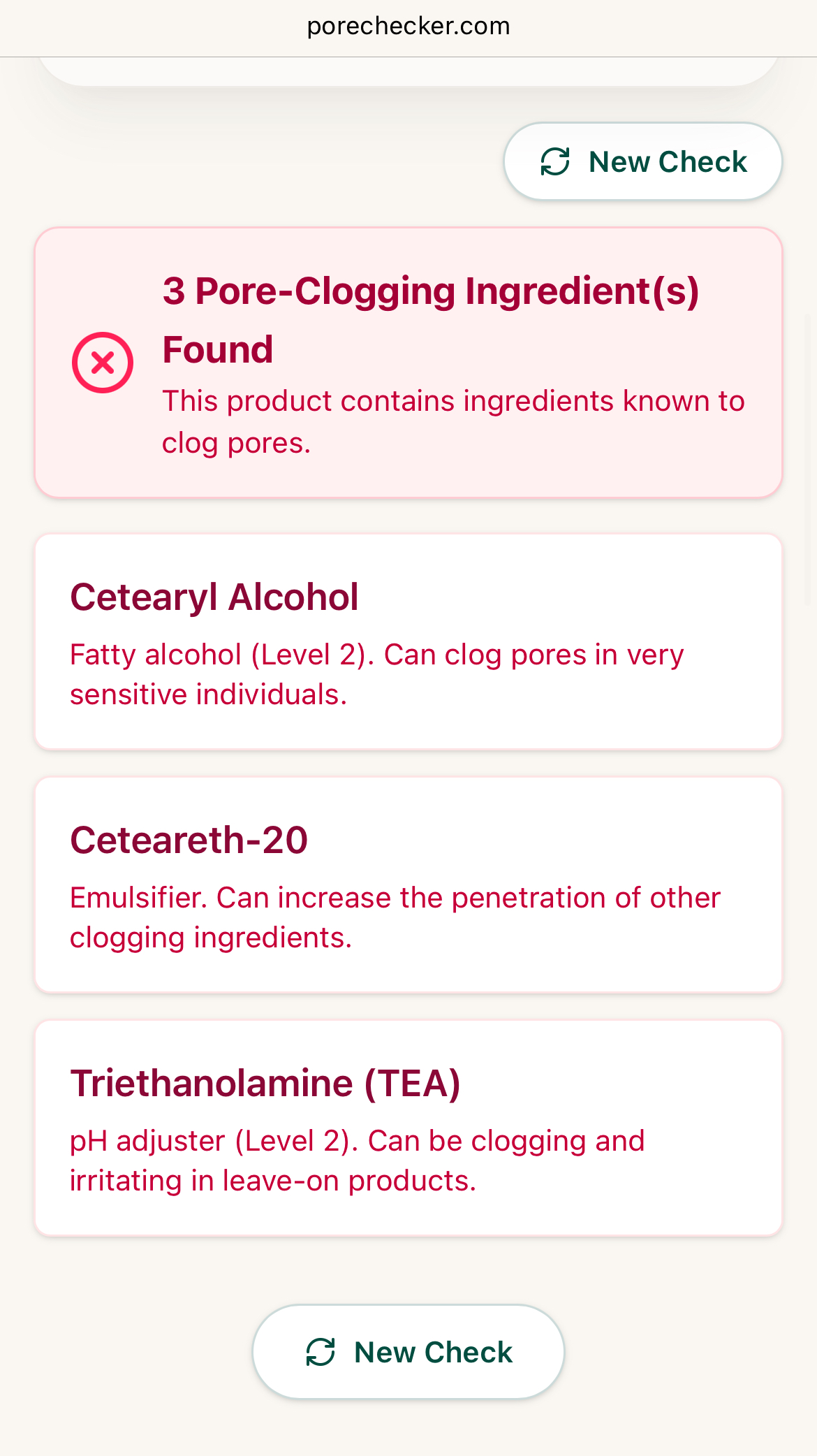
You get an immediate breakdown. If any red-flag ingredients are found, we highlight them and explain why they might be problematic for your pores.
Does this product fit my skin's needs?
Check Your Products Now