Does Retinol Help With Acne? Your Guide to Clear Skin
Discover if retinol helps with acne & how to use it safely. Expert advice on efficacy, usage, and avoiding hidden pore-cloggers. Get clear skin insights!
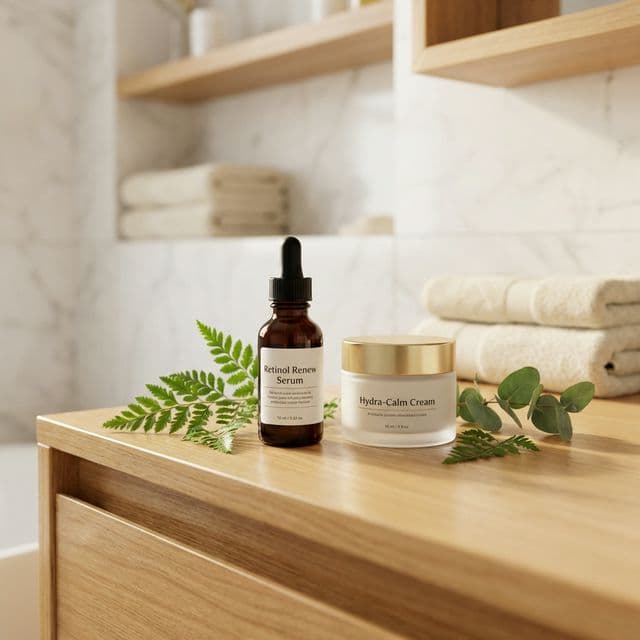
Acne can be a frustrating condition, impacting not just our skin's appearance but also our confidence. Many people turn to retinol for its promise of clearer skin. But does retinol *actually* help with acne, and if so, how? Understanding the science behind retinol and incorporating it into your skincare routine requires a thoughtful approach, especially focusing on non-comedogenic products and a gentle hand. We'll delve into how this powerful ingredient can be your ally in the fight against breakouts.
This article will break down everything you need to know about retinol and acne. We'll explore its mechanisms, how to use it correctly, and address common misconceptions. Remember that achieving clear skin is a journey, and patience combined with the right approach is key. Start by building a solid foundation, which includes knowing about pore-clogging ingredients.
The Science Behind Retinol and Acne
Retinol, a derivative of Vitamin A, is a powerhouse in the skincare world. Its effectiveness in treating acne stems from its multifaceted approach. It primarily works by accelerating cell turnover, which helps to shed dead skin cells that can clog pores and lead to breakouts. This exfoliation action unclogs existing blemishes and prevents new ones from forming. Furthermore, retinol has anti-inflammatory properties, reducing redness and swelling associated with acne.
How Retinol Works at a Cellular Level
Once applied, retinol converts to retinoic acid, the active form that interacts with the skin cells. Retinoic acid binds to specific receptors within the skin cells, influencing gene expression. This process promotes the production of healthier skin cells and regulates sebum production, thereby reducing oiliness. It's a bit like giving your skin a fresh start, encouraging a smoother, clearer complexion.
Types of Retinoids: Understanding the Hierarchy
Not all retinoids are created equal. Retinol is a milder form, converted into retinoic acid by the skin. Tretinoin (prescription-strength retinoic acid) is the strongest. The strength and formulation of your retinoid will influence its efficacy. Start with a lower concentration of retinol (0.01% - 0.03%) to minimize irritation. Consult with your dermatologist to find the perfect retinol for your skin type.
Using Retinol for Acne: A Step-by-Step Guide
Incorporating retinol into your routine requires patience and consistency. The initial phase might bring about some purging, where your skin might experience increased breakouts as it adjusts. However, stick with it! Here's how to introduce retinol safely and effectively, while avoiding irritation.
Starting Slow and Steady
Begin by using retinol once or twice a week, gradually increasing the frequency as your skin tolerates it. Apply a pea-sized amount to a dry face after cleansing and before moisturizing. Never apply retinol to wet skin, as this can increase absorption and irritation. Always introduce one new product at a time. This way, you can easily identify what works and what doesn't for your skin.
Pairing Retinol with Other Ingredients
Retinol can be a powerful tool when used correctly, and certain ingredients enhance its performance. However, be cautious when combining it with other active ingredients. Avoid using retinol with strong exfoliants like AHAs/BHAs simultaneously. Using a gentle, hydrating cleanser and moisturizer is paramount. Sunscreen is non-negotiable, as retinol increases sun sensitivity.
Addressing Common Side Effects
Side effects like dryness, redness, and peeling are common during the initial phases. These usually subside as your skin gets used to the product. To combat these effects, use a gentle moisturizer. If the irritation persists, reduce frequency. If your skin becomes very irritated, consult your dermatologist before continuing with retinol use.
Hidden Acne Culprits: Non-Comedogenic Is Key
While retinol is a hero in the battle against acne, your efforts can be undermined by pore-clogging ingredients in other skincare products. The term "non-comedogenic" means a product is formulated to be less likely to clog pores. Be diligent in checking the ingredients of your cleanser, moisturizer, and even makeup. Some common pore-clogging offenders include certain oils (like coconut oil), heavy waxes, and some silicone derivatives. Read the label, research ingredients, and choose products that support your clear-skin goals.
The Usual Suspects: Ingredients to Avoid
Certain ingredients are notorious for clogging pores. These include heavy mineral oils, some lanolin derivatives, and certain algae extracts. Other culprits are silicones like dimethicone, especially in thicker formulations. While some ingredients are fine for some, they may be problematic for acne-prone skin. Always read labels. Knowledge is your best weapon.
Decoding Ingredient Lists: A Practical Approach
Learning to read ingredient lists empowers you to make informed choices. Look for keywords such as "non-comedogenic" on product labels. Become familiar with common pore-clogging ingredients so you can avoid them. Consider using online resources or apps that help you assess product compatibility with acne-prone skin, such as ingredient checkers.
Don't Let Your Products Ruin Your Progress
You've learned that retinol can be a powerful tool in your fight against acne and are probably excited about the potential for clearer skin. But it is essential to remember that even the best products can be rendered useless by other factors in your skincare routine. Ingredients that clog pores can reverse the benefits of retinol and lead to more breakouts. Don't let your efforts be sabotaged by hidden pore-cloggers. The next step in your journey to clear skin is to ensure that all of your other skincare products are acne-friendly and support your efforts to reduce breakouts. Checking your product ingredients will allow you to ensure the success of your new retinol routine.
Step 1: Upload Your Product Image
Simply snap a photo of the ingredient list on the back of any bottle, jar, or box. No typing required.
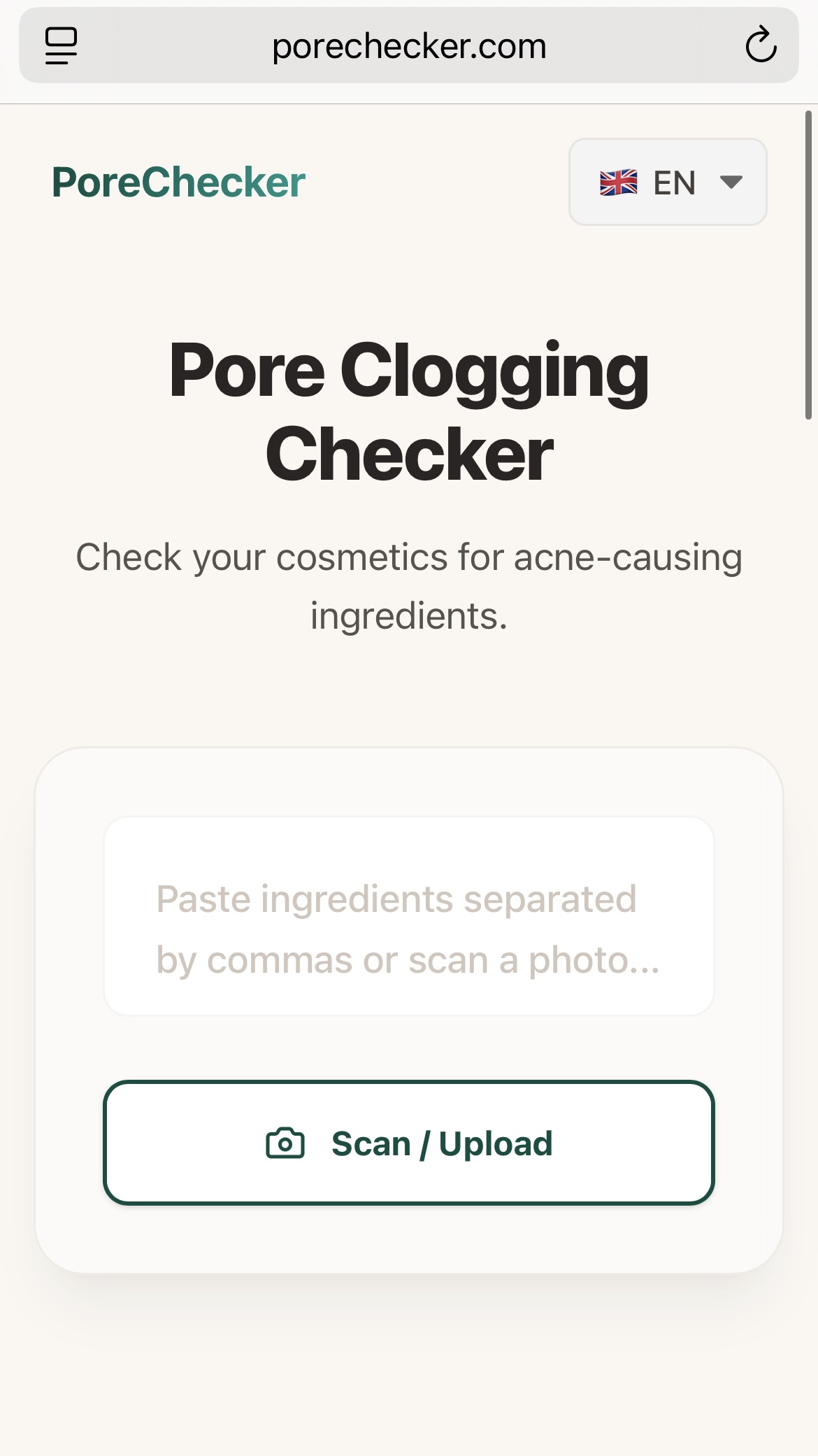
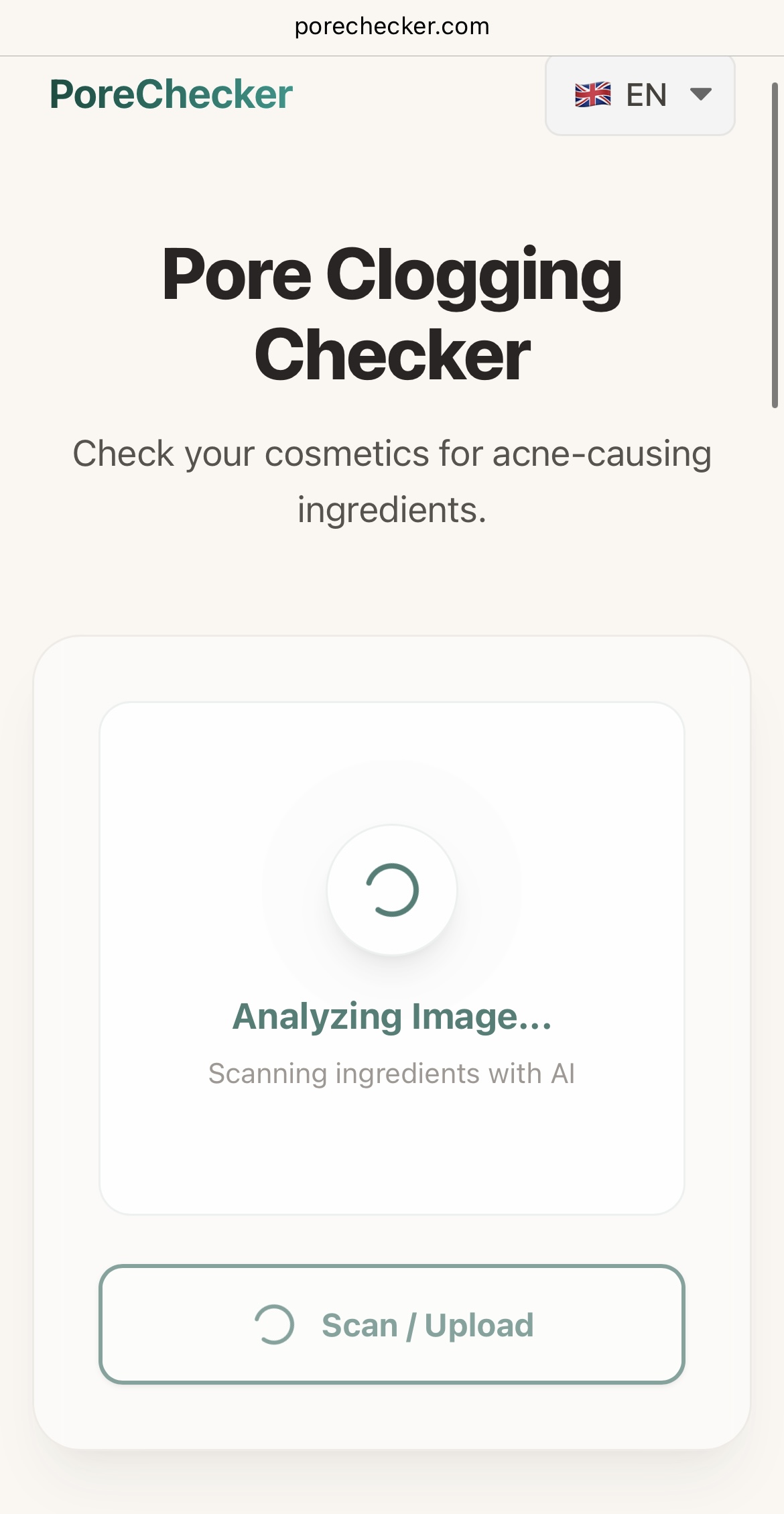
Step 2: Instant AI Ingredient Analysis
Our advanced AI scans the image, performs OCR (Optical Character Recognition), and matches every ingredient against our curated database of comedogenic substances.
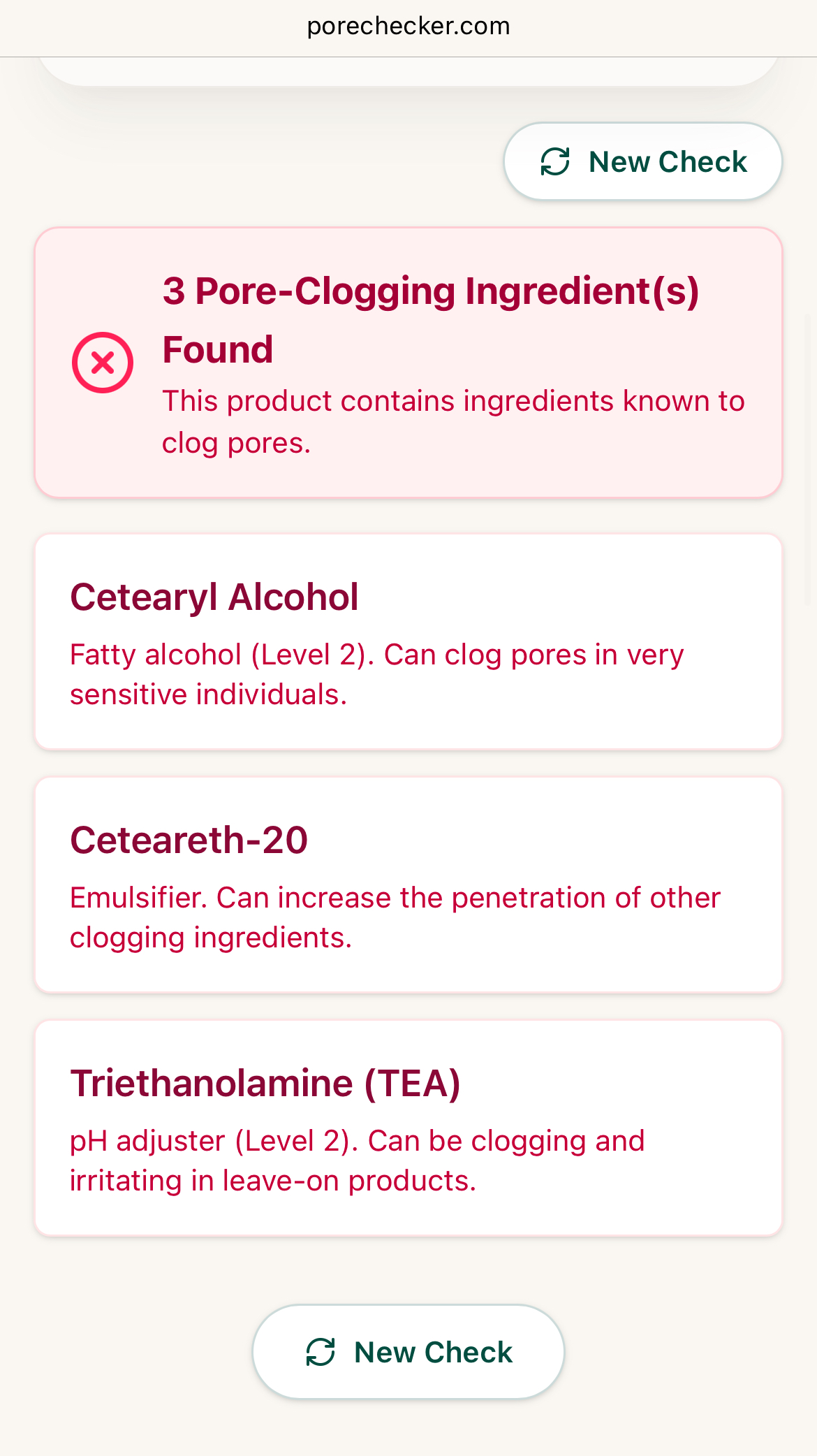
Step 3: Clear Results for Clearer Skin
You get an immediate breakdown. If any red-flag ingredients are found, we highlight them and explain why they might be problematic for your pores.
Does this product fit my skin's needs?
Check Your Products Now