Does Tretinoin Help With Acne Scars? A Dermatologist's Deep Dive
Discover how tretinoin helps with acne scars. Expert advice on effectiveness, usage, and hidden pore-cloggers. Clear skin starts here!

Acne scars can be a persistent reminder of past breakouts, often impacting self-esteem. As a dermatologist, I understand the emotional toll they can take. The good news is that effective treatments are available, and one of the most widely researched is tretinoin. This article will explore whether tretinoin helps with acne scars, how it works, and what you can expect.
Before diving in, it's crucial to remember that a consistent, non-comedogenic skincare routine forms the foundation of any treatment. This means choosing products specifically formulated not to clog pores. Look for labels that say "non-comedogenic," "oil-free," and "won't clog pores." Even the most potent treatments will be less effective if you're battling clogged pores from the start.
Understanding Acne Scars
Acne scars aren't just one thing; they come in different forms. Understanding the type of scar you have is the first step toward effective treatment. Atrophic scars, which are the most common type, are characterized by depressions or indentations in the skin. These are often the result of collagen loss. Hypertrophic and keloid scars, on the other hand, are raised scars caused by excessive collagen production.
Types of Acne Scars
- Atrophic Scars: These include ice pick scars (narrow, deep scars), boxcar scars (wide, box-like depressions), and rolling scars (shallow, wave-like undulations).
- Hypertrophic and Keloid Scars: These are raised, thickened scars.
How Tretinoin Works on Acne Scars
Tretinoin, a derivative of vitamin A, is a topical retinoid that works by increasing cell turnover. This process helps to shed dead skin cells and promote the growth of new ones. For acne scars, tretinoin’s effects are multi-faceted. It stimulates collagen production, which helps to fill in atrophic scars, making them less noticeable. It also reduces inflammation and can improve skin texture and tone. Additionally, it helps to prevent new acne lesions from forming, which is crucial for preventing new scars.
Key Benefits of Tretinoin for Scars:
- Collagen Stimulation: Helps to fill in atrophic scars.
- Increased Cell Turnover: Promotes the shedding of old, damaged skin cells.
- Reduced Inflammation: Soothes the skin and reduces redness.
- Prevention of New Acne: Minimizes the risk of new scars forming.
Using Tretinoin Effectively
The correct use of tretinoin is vital. Start slowly, perhaps applying it only a few times a week, and gradually increase the frequency as your skin tolerates it. Apply a pea-sized amount to your entire face after cleansing and drying, and always at night, because tretinoin is inactivated by sunlight. It's also important to wear sunscreen every morning, as tretinoin increases your skin's sensitivity to the sun.
Important Considerations:
- Start Slow: Introduce tretinoin gradually to minimize irritation.
- Use Pea-Sized Amount: Apply a small amount to the entire face.
- Apply at Night: Protect from sunlight during the day.
- Sunscreen is Essential: Always wear broad-spectrum sunscreen.
- Hydration: Use a gentle moisturizer.
Potential Side Effects and How to Manage Them
Tretinoin can cause side effects, especially in the initial weeks. These may include redness, dryness, peeling, and irritation (often referred to as retinization). While these effects are common, they are usually temporary. Managing these side effects involves a gentle skincare routine. Use a gentle, hydrating cleanser, apply a good moisturizer, and avoid harsh scrubs or exfoliants.
Managing Side Effects:
- Gentle Cleansing: Use a mild, hydrating cleanser.
- Moisturize Regularly: Keep your skin hydrated.
- Avoid Irritants: Steer clear of harsh products.
- Sun Protection: Continue wearing sunscreen daily.
Tretinoin vs. Other Scar Treatments
While tretinoin is a powerful tool, it's not a standalone solution for all acne scars. For more severe scarring, other treatments might be necessary or more effective, such as chemical peels, laser resurfacing, microneedling, or fillers. The best approach often involves a combination of treatments tailored to the individual's skin type, the type of scars, and their severity.
Comparing Treatment Options:
- Tretinoin: Effective for mild to moderate scarring, promotes collagen production.
- Chemical Peels: Exfoliate the skin, improving texture and reducing the appearance of scars.
- Laser Resurfacing: Targets scars with concentrated light, stimulating collagen and remodeling the skin.
- Microneedling: Creates micro-injuries to stimulate collagen and improve skin texture.
- Fillers: Used to fill in deep scars, providing immediate improvement.
Don't Let Your Products Ruin Your Progress
The success of your acne scar treatment, especially with something like tretinoin, hinges not just on the active ingredient itself but on the entire skincare regimen. Surprisingly, even "gentle" cleansers or moisturizers can contain ingredients that clog pores or exacerbate inflammation, essentially undoing the benefits of tretinoin. Ingredients like certain oils, waxes, and silicones are common culprits. Always scrutinize the ingredient list of every product you use. By carefully choosing non-comedogenic products and consistently using them alongside treatments like tretinoin, you will maximize your results and improve your skin.
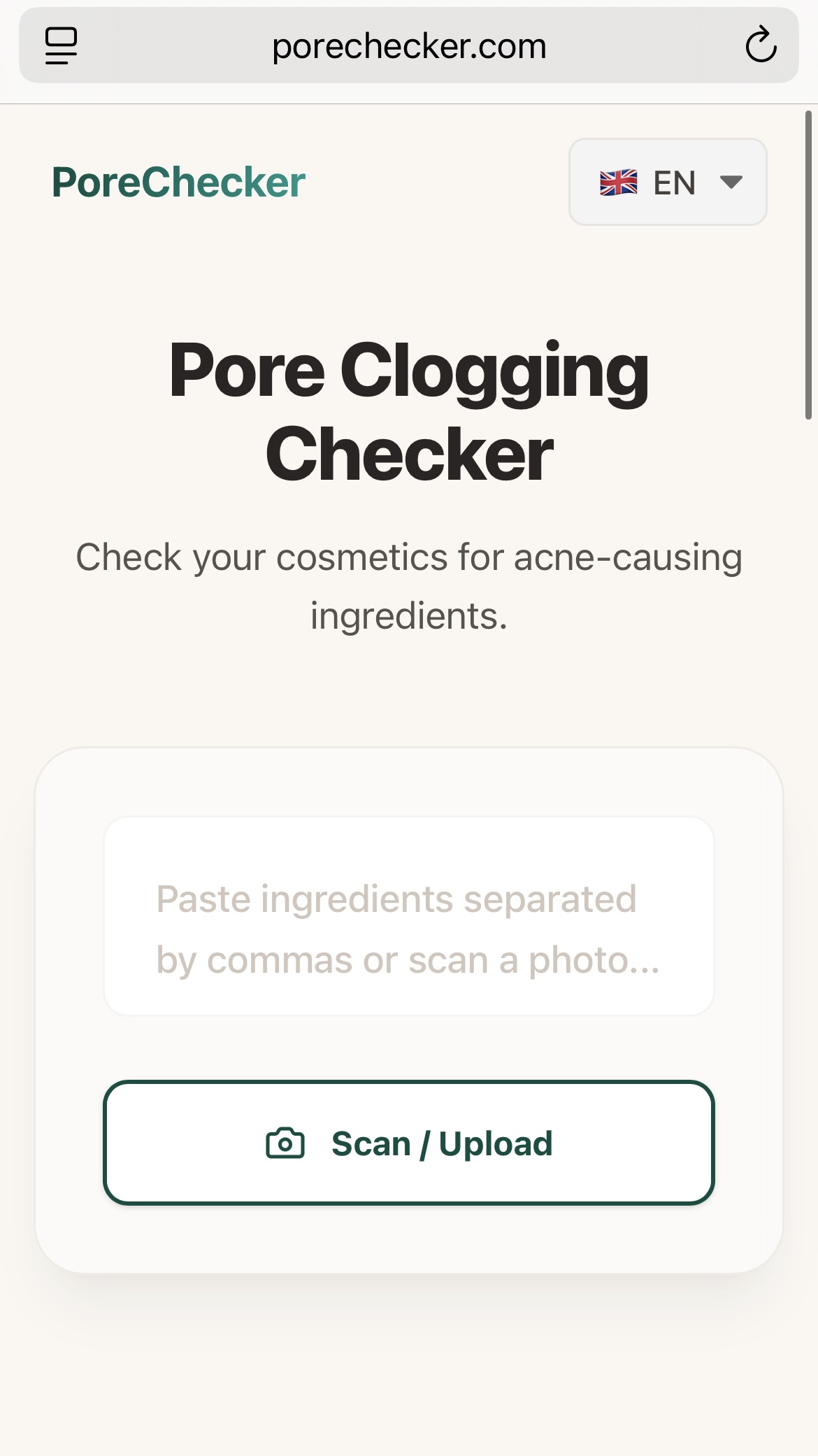
Step 1: Upload Your Product Image
Simply snap a photo of the ingredient list on the back of any bottle, jar, or box. No typing required.
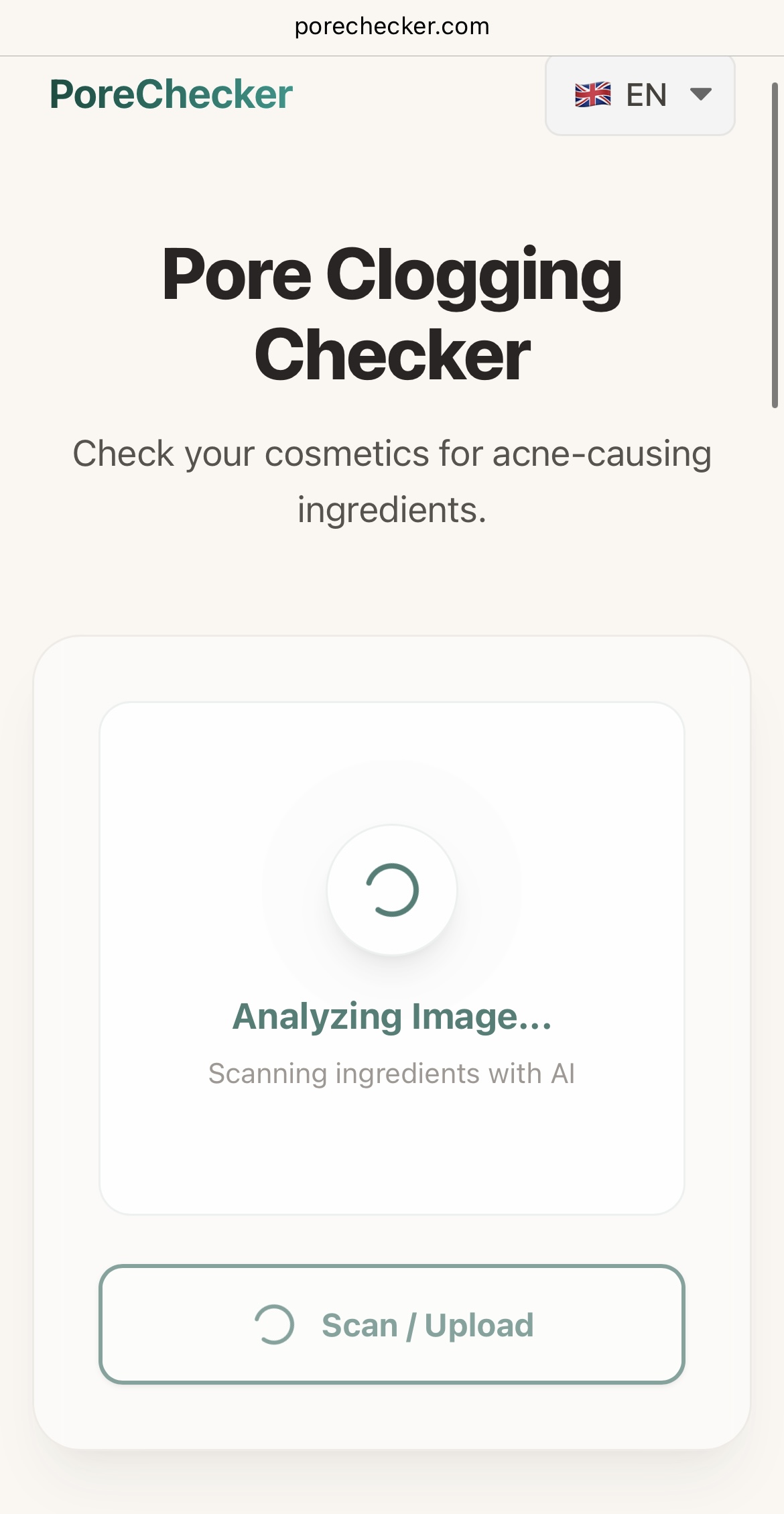
Step 2: Instant AI Ingredient Analysis
Our advanced AI scans the image, performs OCR (Optical Character Recognition), and matches every ingredient against our curated database of comedogenic substances.
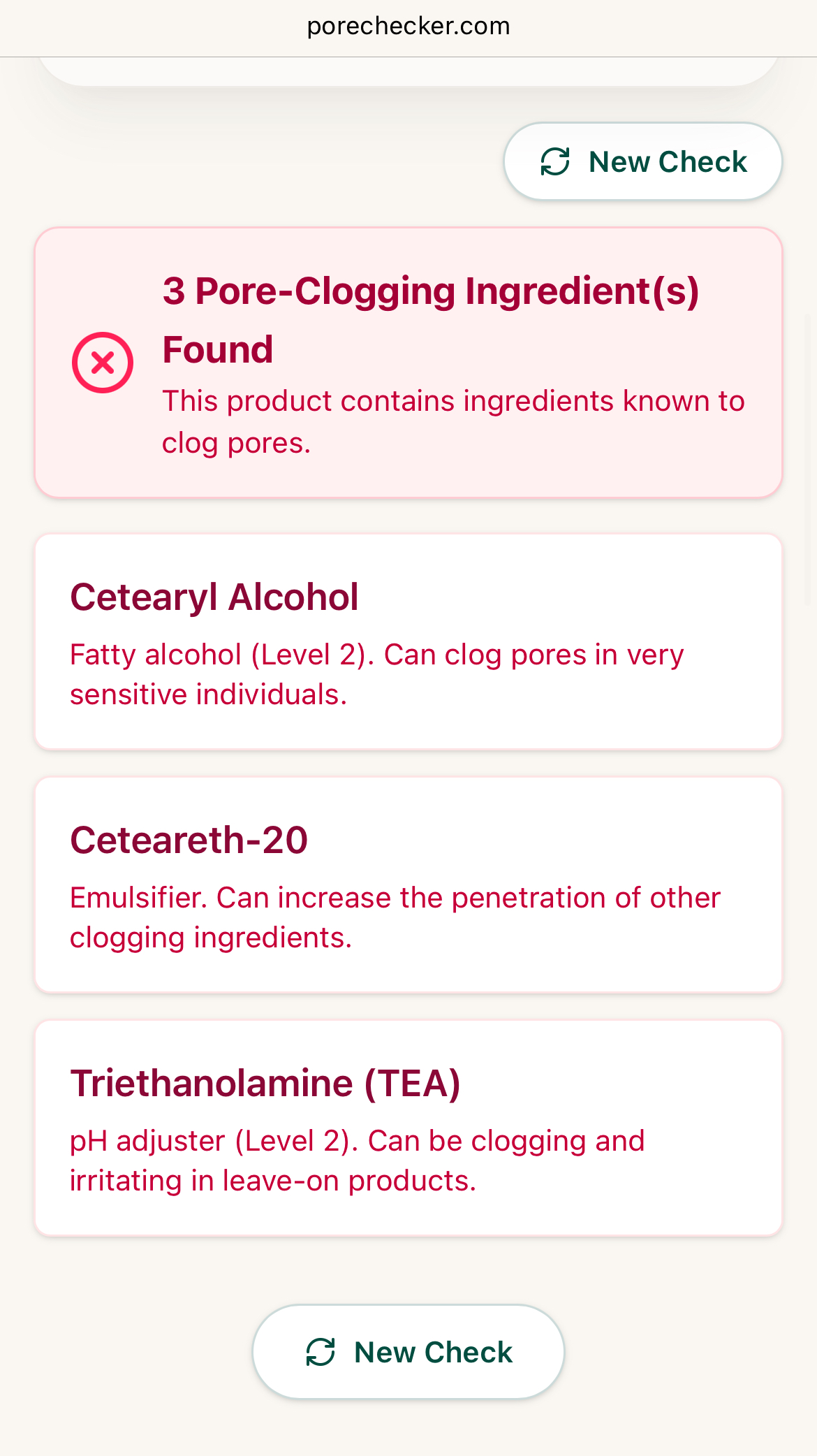
Step 3: Clear Results for Clearer Skin
You get an immediate breakdown. If any red-flag ingredients are found, we highlight them and explain why they might be problematic for your pores.
Does this product fit my skin's needs?
Check Your Products Now