Fighting the Fungus: How to Treat Fungal Acne Effectively
Struggling with fungal acne? Learn how to treat it effectively with expert skincare advice. Discover key ingredients, product swaps & more for clear skin!
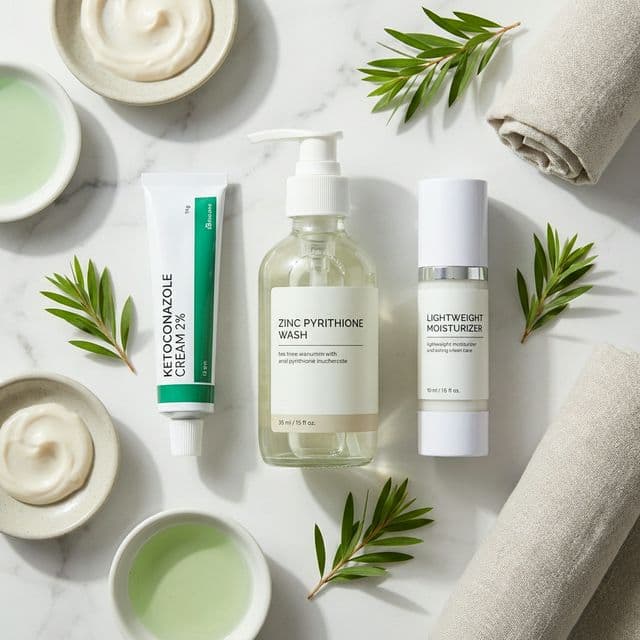
Dealing with persistent breakouts that just won't quit? You might be battling fungal acne, a frustrating condition often misdiagnosed as regular acne. Unlike common acne caused by bacteria, fungal acne is fueled by an overgrowth of yeast, specifically Malassezia. This yeast thrives in oily environments, causing inflamed bumps and a bumpy texture. Understanding the root cause is the first step towards effective treatment.
The key to managing fungal acne lies in adopting a non-comedogenic skincare routine – that is, one that avoids ingredients known to clog pores and feed yeast. This means carefully scrutinizing product labels and making informed choices about the products you use. While it can seem overwhelming, with the right knowledge and commitment, you can effectively treat and prevent fungal acne, restoring your skin's natural balance.
This guide offers practical, science-backed advice on how to treat fungal acne, empowering you to take control of your skin's health.
Identifying Fungal Acne: Spotting the Signs
Before you can treat fungal acne, you need to identify it. It often presents as small, uniform bumps, usually clustered together on the forehead, hairline, chest, and back. Unlike regular acne, fungal acne often itches, and the bumps may appear inflamed or filled with a clear fluid. They might also appear as small red papules or pustules, often without the typical blackheads or whiteheads associated with acne vulgaris.
Key Characteristics to Look For
- Uniformity: The bumps tend to be similar in size and appearance.
- Location: Common areas include the forehead, hairline, chest, and back.
- Itchiness: A telltale sign, often absent in bacterial acne.
- Lack of Blackheads/Whiteheads: Unlike regular acne, fungal acne typically doesn't present with these.
How to Treat Fungal Acne: Your Action Plan
Treatment for fungal acne revolves around targeting the yeast overgrowth and preventing further proliferation. This usually involves a combination of topical treatments and lifestyle adjustments. Consistency and patience are crucial, as it can take several weeks to see significant improvement.
Topical Antifungals: Your First Line of Defense
Over-the-counter (OTC) antifungal creams and washes containing ingredients like ketoconazole or selenium sulfide are often the first line of defense. These ingredients work by directly targeting and inhibiting the growth of Malassezia. Apply a thin layer of cream or use a wash as directed, typically once or twice daily. Be patient, as it may take a few weeks to notice improvements.
Ingredient Considerations: Avoiding the Culprits
Many ingredients commonly found in skincare products can feed the yeast responsible for fungal acne. Avoiding these is paramount to recovery. This includes oils, esters, and other pore-clogging ingredients. Read labels carefully and become familiar with the ingredients to avoid. "Safe" ingredients will vary slightly based on individual reactions, but a good starting point is to remove all products with high concentrations of oils.
- Oils: Steer clear of coconut oil, olive oil, and many others.
- Esters: These can contribute to clogging.
- Fermented Ingredients: Avoid products containing fermented ingredients.
Cleansing and Moisturizing: The Foundation of Your Routine
Choose a gentle, non-comedogenic cleanser to remove impurities and excess oil without stripping your skin. Look for products with ingredients like pyrithione zinc or zinc PCA, known for their antifungal and sebum-regulating properties. Moisturizing is still essential, even with fungal acne, as dry skin can exacerbate inflammation. Opt for lightweight, oil-free moisturizers with ingredients like hyaluronic acid or ceramides to hydrate without clogging pores.
Lifestyle Adjustments: Supporting Your Skin's Health
Beyond your skincare routine, certain lifestyle factors can influence fungal acne. Sweat and humidity create an ideal environment for yeast growth, so shower promptly after exercise. Avoid tight-fitting clothing that traps sweat against your skin. A balanced diet and adequate hydration support overall skin health and can indirectly contribute to better skin clarity.
Don't Let Your Products Ruin Your Progress
Successfully treating fungal acne means more than just using the right active ingredients. It also means carefully examining everything else you're putting on your skin. Ingredients like oils, esters, and specific humectants can sneakily exacerbate the condition, even if they aren't explicitly marketed as "pore-clogging." To ensure you're not unknowingly sabotaging your efforts, it's wise to double-check the ingredient lists of all your skincare products, from cleansers and moisturizers to serums and sunscreens.
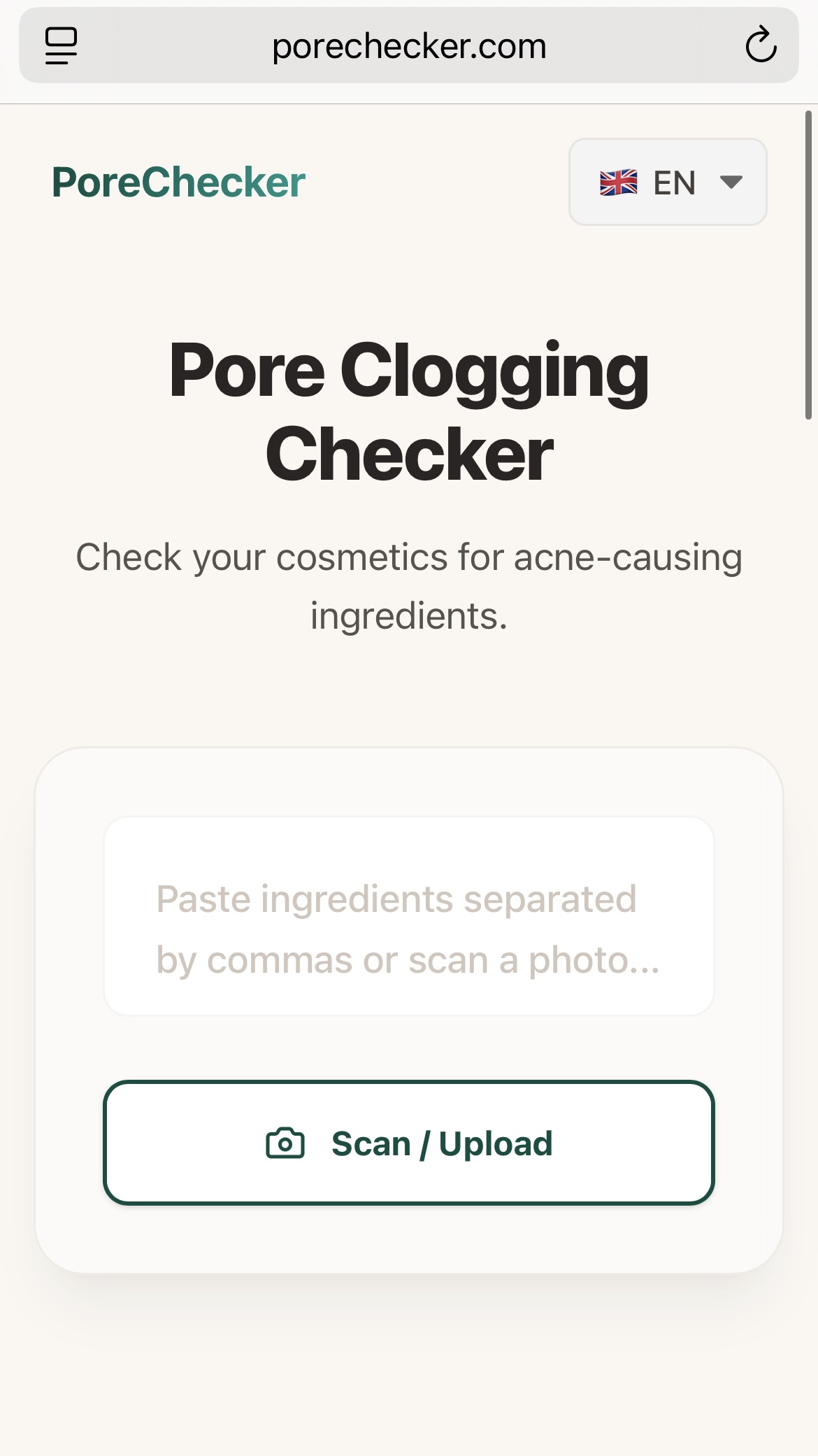
Step 1: Upload Your Product Image
Simply snap a photo of the ingredient list on the back of any bottle, jar, or box. No typing required.
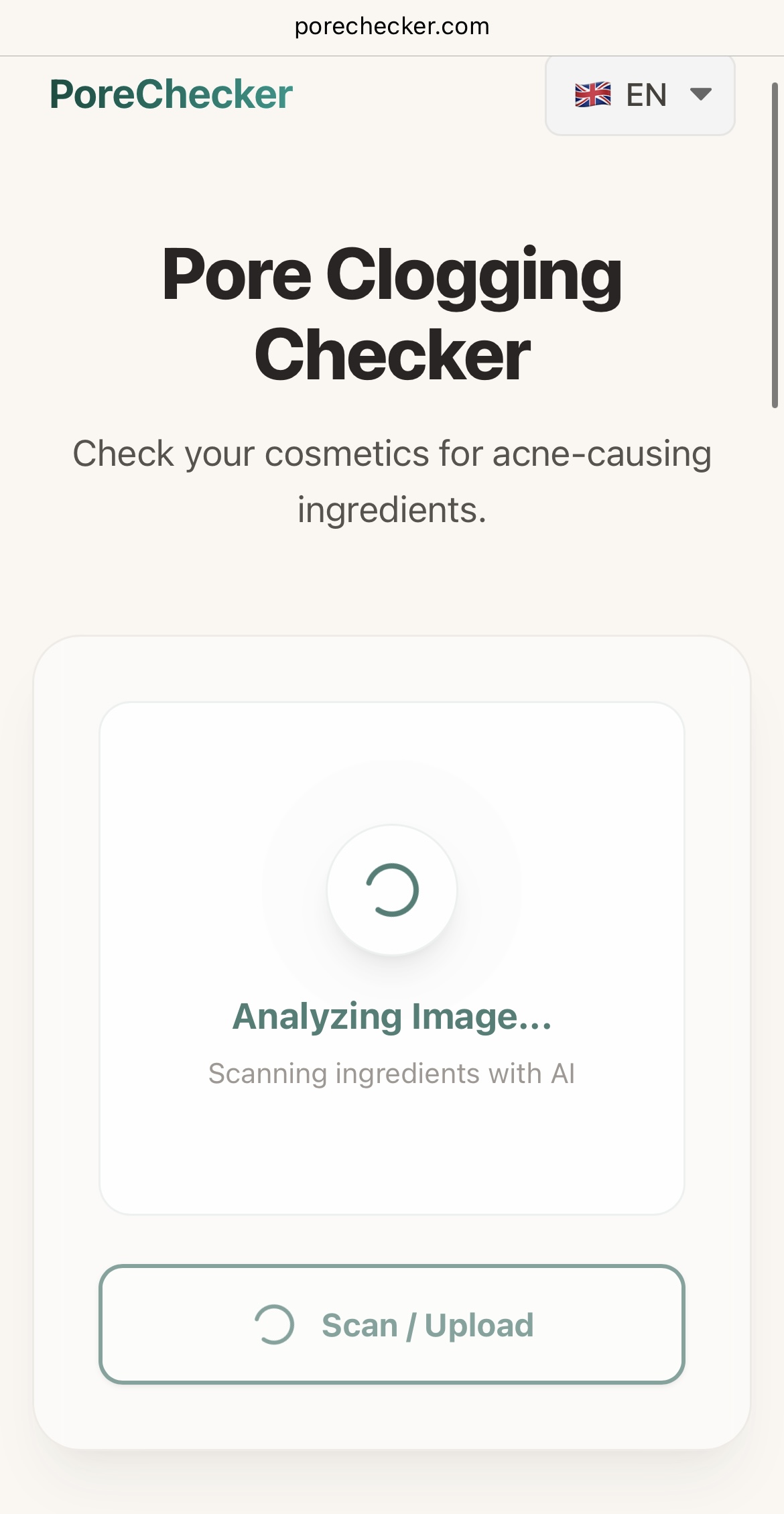
Step 2: Instant AI Ingredient Analysis
Our advanced AI scans the image, performs OCR (Optical Character Recognition), and matches every ingredient against our curated database of comedogenic substances.
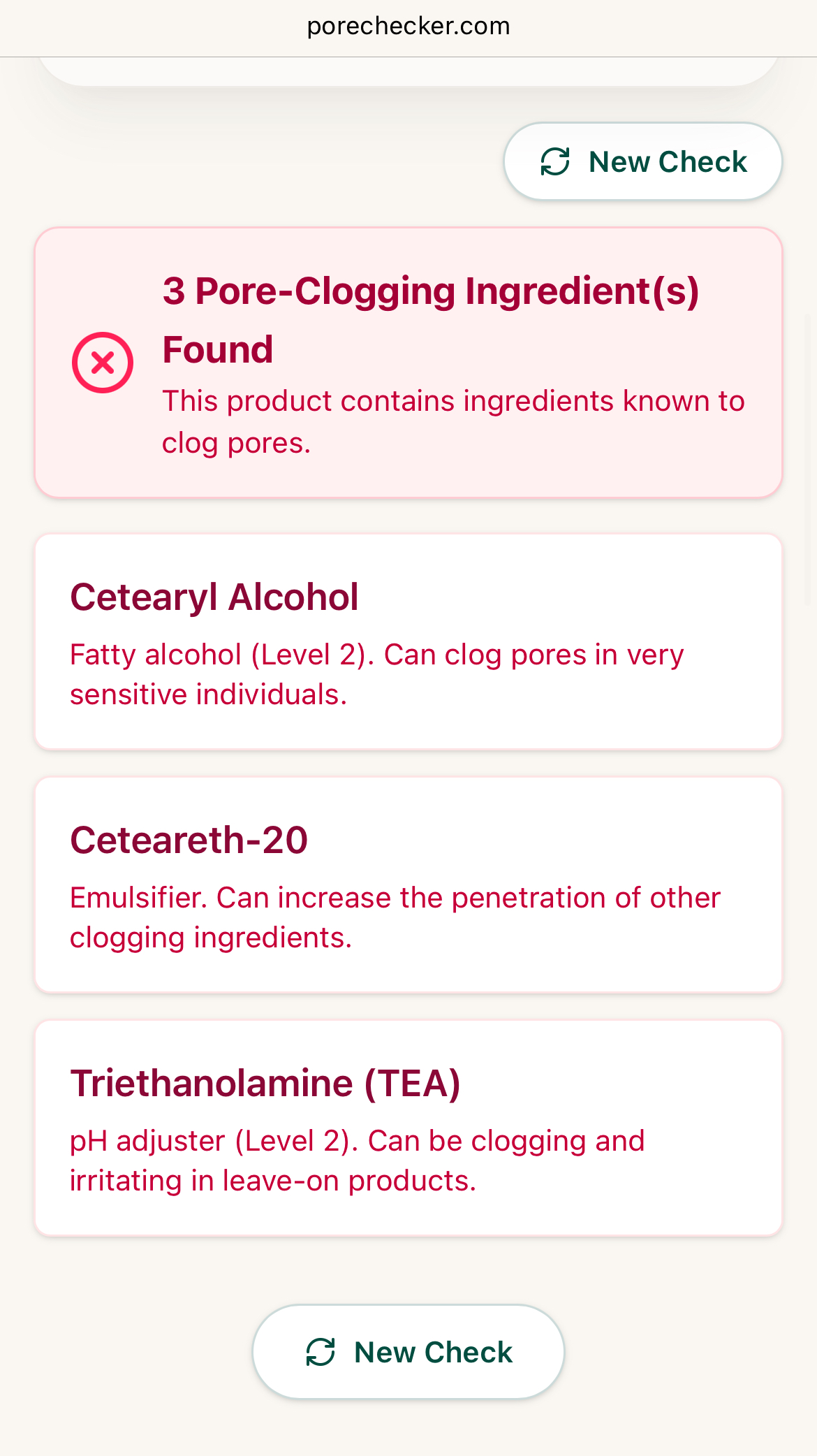
Step 3: Clear Results for Clearer Skin
You get an immediate breakdown. If any red-flag ingredients are found, we highlight them and explain why they might be problematic for your pores.
Does this product fit my skin's needs?
Check Your Products Now