How to Close Pores Permanently: Myth vs. Reality in Skincare
Discover the truth about "closing pores permanently". This article explores effective skincare strategies, clarifies myths, & reveals how to achieve clearer skin.
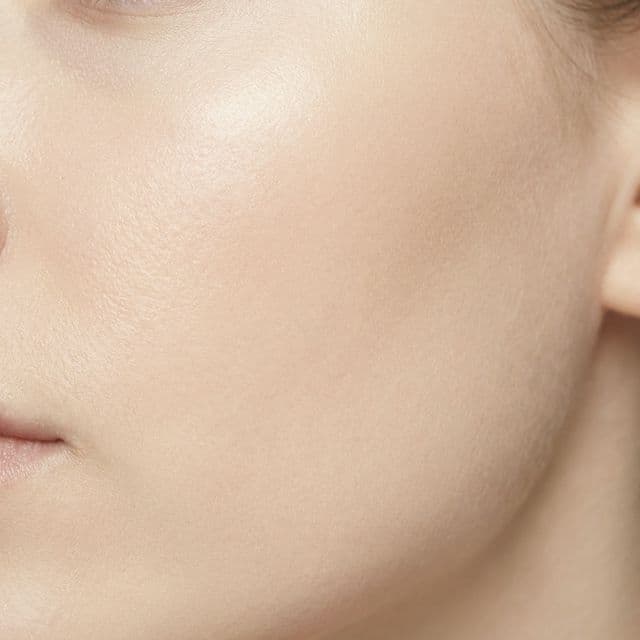
The quest for "closing pores permanently" is a common one, fueled by the desire for smooth, flawless skin. While completely eliminating pores isn't possible (they're essential for skin function!), we can significantly minimize their appearance and keep them clear. This article will separate fact from fiction, offering science-backed strategies to refine your skin texture and manage pore size effectively, and provide clarity on what is possible and what is not.
Achieving clearer-looking skin begins with a commitment to non-comedogenic skincare. This means choosing products formulated to avoid clogging pores. By understanding the causes of enlarged pores and the types of ingredients that can exacerbate the problem, you can craft a routine that minimizes their visibility and promotes overall skin health. Let's delve into the effective ways to approach pore care.
Understanding Pore Size and Function
Pores are the tiny openings on your skin's surface that release sebum (oil) and sweat. Their size is largely determined by genetics, age, and skin type. People with oily skin, for example, tend to have more visible pores. While you can't drastically alter your genetic predisposition, you can influence how your pores appear through diligent skincare practices. Knowing the role of pores is essential.
Factors That Influence Pore Appearance
Several factors contribute to the visibility of pores. Excess sebum production, a common issue in oily skin, can stretch pores, making them appear larger. The buildup of dead skin cells within the pores can also cause them to expand. Additionally, loss of collagen and elastin, which naturally occurs with aging, reduces skin elasticity and can contribute to the appearance of enlarged pores.
Debunking Pore Myths
There are many misconceptions about pore care. One common myth is that you can "shrink" pores. While you can't change their actual size, you can make them appear smaller by keeping them clean and reducing factors that make them appear larger. Another myth is that certain ingredients can permanently alter pore size. Consistent use of effective ingredients can improve skin texture, but the results are not permanent, and maintenance is required.
Effective Strategies for Minimizing Pore Appearance
While you can't permanently close pores, you can definitely improve their appearance and skin texture. Several strategies have proven to be effective and are essential elements in a successful skincare routine.
Exfoliation: The Key to Clear Pores
Regular exfoliation is crucial for preventing clogged pores. This can be achieved through both physical and chemical exfoliation. Physical exfoliants, like scrubs, gently remove dead skin cells. Chemical exfoliants, such as AHAs (like glycolic and lactic acid) and BHAs (salicylic acid), dissolve dead skin cells and sebum within the pores. BHAs are particularly effective as they are oil-soluble and can penetrate the pores more deeply. Exfoliation also increases cell turnover, contributing to a smoother skin surface.
Controlling Oil Production
Managing excess oil is vital for minimizing pore visibility. Using a cleanser that effectively removes oil and impurities without stripping the skin of its natural moisture is the first step. Ingredients like niacinamide help to regulate sebum production. Incorporating a lightweight, oil-free moisturizer is essential, even for oily skin, as it helps to maintain skin hydration and prevents the skin from overproducing oil to compensate for dryness.
The Role of Retinoids
Retinoids are derivatives of vitamin A, renowned for their ability to boost collagen production and increase cell turnover. By increasing skin cell turnover, retinoids help prevent pores from becoming clogged, improving skin texture and reducing the appearance of pores. They can also improve skin elasticity. Start with a low concentration and gradually increase as your skin adjusts, always using sunscreen during the day.
Hidden Pore-Cloggers to Watch Out For
Beyond active ingredients and consistent routines, knowing what to avoid can make a huge difference. Many everyday products contain ingredients that can exacerbate pore congestion.
Comedogenic Ingredients in Skincare
Certain ingredients are notorious for clogging pores. These include heavy oils (like coconut oil and mineral oil), certain silicones, and some forms of waxes. Be sure to check labels carefully and choose products labeled as "non-comedogenic." Avoiding products containing these ingredients is essential for achieving and maintaining clear skin.
The Impact of Makeup
The makeup you use can also contribute to clogged pores. Opt for non-comedogenic makeup, and always remove your makeup thoroughly at the end of the day. Using makeup brushes regularly and cleaning them often prevents the transfer of bacteria and impurities to your skin.
Other Culprits: Sunscreen and Hair Products
Don't overlook other products that come into contact with your skin, like sunscreen and hair products. Choose lightweight, non-comedogenic sunscreens to protect your skin without blocking pores. Ensure your hair products, especially those that come into contact with your forehead or face, are also non-comedogenic to avoid any transfer of pore-clogging ingredients.
Don't Let Your Products Ruin Your Progress
You've diligently incorporated the best practices for minimizing pore appearance – regular exfoliation, oil control, and the use of retinoids. You're starting to see the results you've worked for. However, even the most effective skincare routine can be undermined by hidden pore-clogging ingredients lurking in seemingly innocent products. From your cleanser to your moisturizer, makeup, and even your sunscreen, these ingredients can sabotage your efforts. To ensure your skin stays clear and your pores remain minimized, the next step is to carefully review all of your skincare and makeup products and identify potentially pore-clogging elements. Use a dedicated tool to check all your product ingredients and be proactive in protecting your skin.
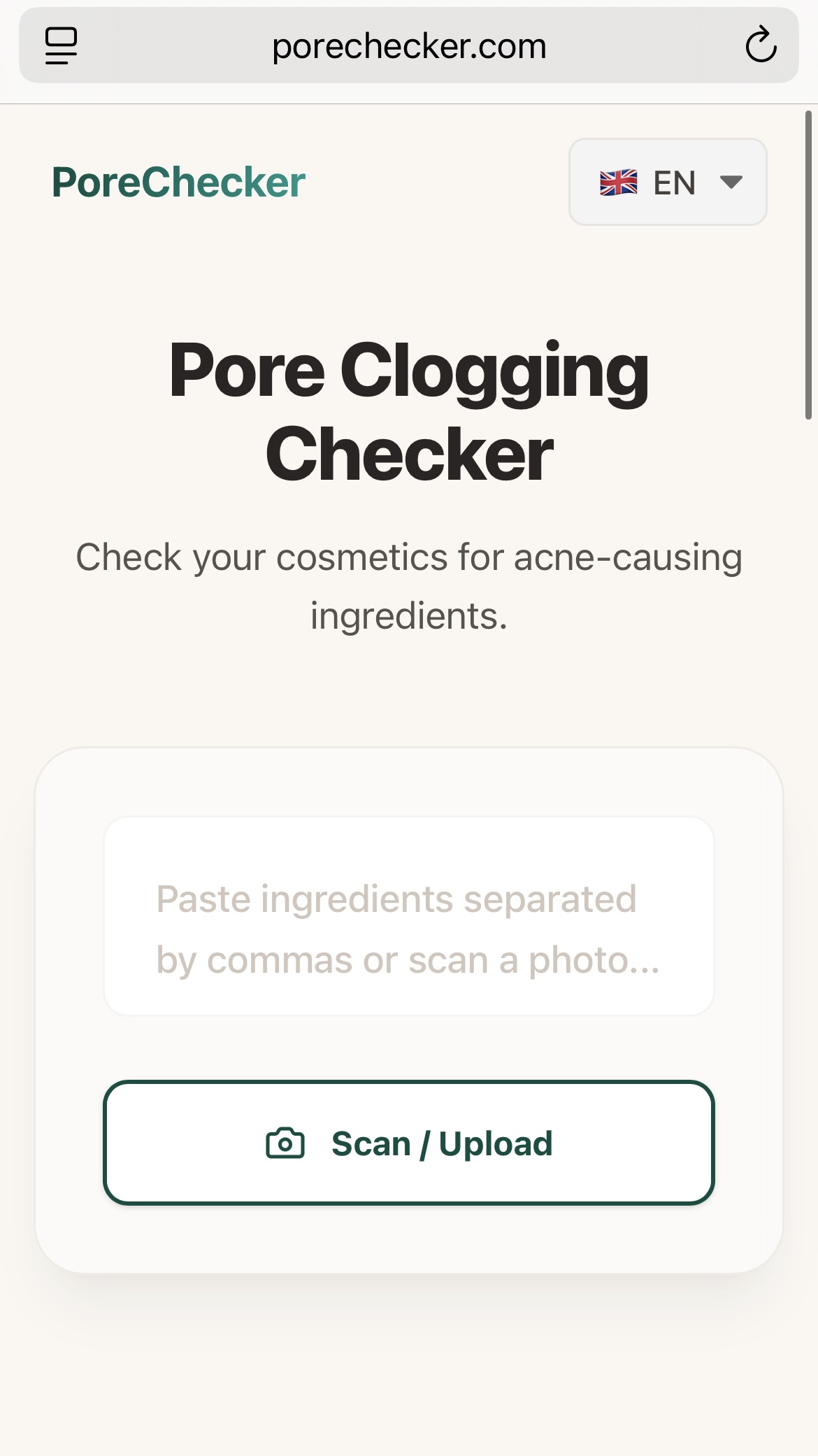
Step 1: Upload Your Product Image
Simply snap a photo of the ingredient list on the back of any bottle, jar, or box. No typing required.
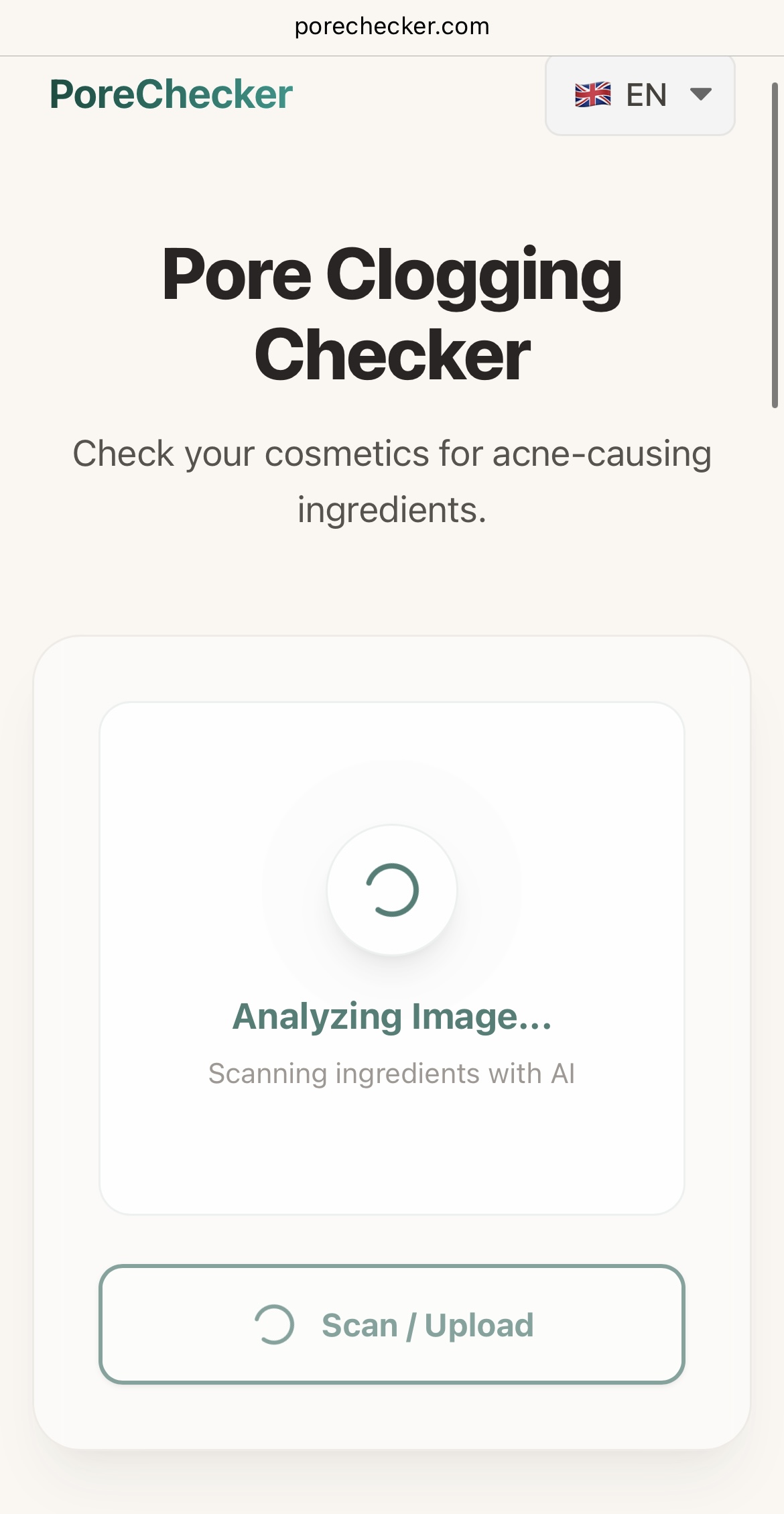
Step 2: Instant AI Ingredient Analysis
Our advanced AI scans the image, performs OCR (Optical Character Recognition), and matches every ingredient against our curated database of comedogenic substances.
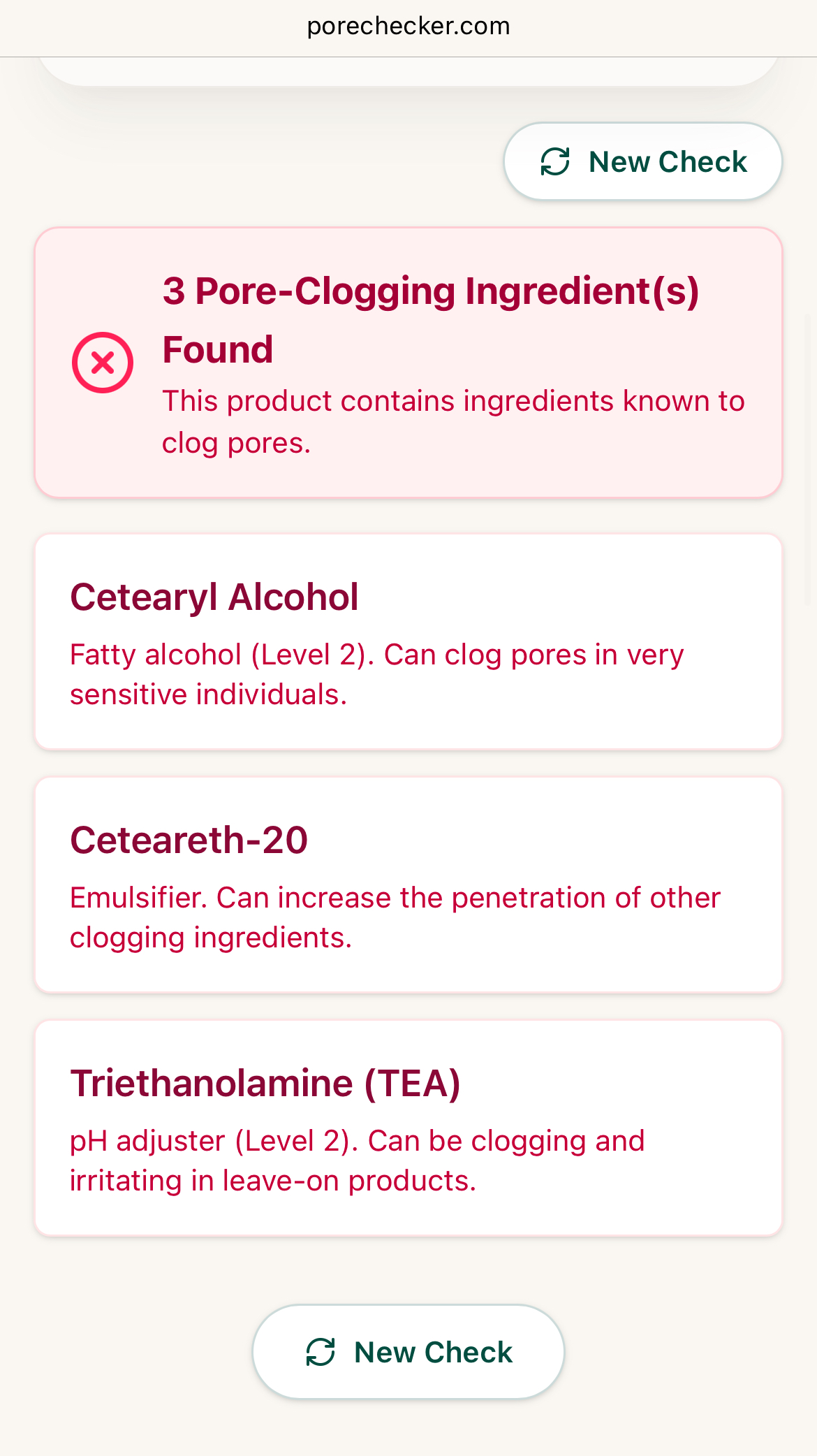
Step 3: Clear Results for Clearer Skin
You get an immediate breakdown. If any red-flag ingredients are found, we highlight them and explain why they might be problematic for your pores.
Does this product fit my skin's needs?
Check Your Products Now