How to Get Rid of Acne: A Comprehensive Guide to Clear Skin
Struggling with acne? Learn how to get rid of acne with this expert guide! Discover proven treatments, lifestyle changes & avoid hidden pore-cloggers.

Acne can be a frustrating and often painful skin condition, impacting self-esteem and confidence. The good news is that achieving clear skin is absolutely possible! This comprehensive guide provides you with evidence-based strategies, from understanding the root causes of acne to implementing effective treatment plans. We’ll focus heavily on gentle, non-comedogenic skincare practices, ensuring your routine actively works *for* your skin, not against it.
Effective acne management requires patience and consistency. It's not a quick fix, but a journey. This post will break down the crucial steps to address acne, offering practical advice and dispelling common myths. We'll delve into everything from the best cleansers to the most effective spot treatments and explore the role of lifestyle choices in your skin's overall health. Remember, the key to success is building a skincare routine that complements your skin’s unique needs, while avoiding common ingredients that can worsen breakouts.
This guide is your roadmap to clearer skin. Let’s dive in!
Understanding the Root Causes of Acne
Acne isn't just one thing; it's a complex interplay of several factors. Understanding these elements is the first step towards effective treatment.
Excess Oil Production
Sebum, the natural oil produced by your skin, can sometimes be overproduced. This excess oil, combined with dead skin cells, clogs pores, creating the perfect environment for acne to thrive.
Clogged Pores
Pores become blocked by a mix of sebum, dead skin cells, and bacteria. These blockages can manifest as blackheads, whiteheads, or inflammatory pimples.
Bacteria
The bacteria *Cutibacterium acnes* (formerly *Propionibacterium acnes*) plays a significant role in acne. This bacteria thrives in clogged pores, causing inflammation and resulting in pimples.
Inflammation
The body's inflammatory response to clogged pores and bacterial presence leads to the redness, swelling, and pain associated with acne.
Building Your Acne-Fighting Skincare Routine
A well-designed skincare routine is crucial. Consistency is key! Start with these essential steps:
Gentle Cleansing
Choose a gentle, non-comedogenic cleanser to remove impurities without stripping your skin of its natural oils. Look for ingredients like salicylic acid or benzoyl peroxide, but start with a lower percentage to avoid irritation. Cleanse your face twice a day – morning and night.
Targeted Treatments
Incorporate active ingredients like retinoids (e.g., retinol, adapalene) or benzoyl peroxide. Retinoids help unclog pores and reduce inflammation. Benzoyl peroxide kills acne-causing bacteria. Introduce these gradually to minimize irritation. Consult a dermatologist for personalized recommendations.
Hydration & Moisturizing
Even oily skin needs hydration! Use a lightweight, oil-free, non-comedogenic moisturizer to maintain the skin's moisture barrier. This prevents overproduction of oil in response to dryness. Look for ingredients like hyaluronic acid and ceramides.
Sun Protection
Always apply a broad-spectrum, non-comedogenic sunscreen with an SPF of 30 or higher every morning, even on cloudy days. Many acne treatments increase sun sensitivity, making sun protection non-negotiable.
Identifying and Avoiding Hidden Pore-Cloggers
Some seemingly innocuous ingredients can contribute to acne. Becoming a label reader is crucial!
Cosmetics and Makeup
Choose non-comedogenic makeup, including foundations, concealers, and blushes. Look for terms like "oil-free" and "non-acnegenic" on product labels. Mineral makeup is often a good choice, but always test a new product on a small area of skin first.
Hair Products
Certain hair products, such as conditioners, styling gels, and hairsprays, can migrate onto your face and clog pores. Be mindful of ingredients and try to keep these products away from your face. Consider using a silk pillowcase to further protect your skin.
Laundry Detergents and Fabric Softeners
Harsh detergents and fabric softeners can leave residue on your pillowcases and towels, which can then transfer to your skin and cause breakouts. Opt for fragrance-free, hypoallergenic options.
Dietary Considerations
While the relationship between diet and acne is complex and varies from person to person, some studies suggest that high-glycemic foods (sugary foods, white bread, etc.) and dairy products may worsen acne for some individuals. Pay attention to how your skin reacts to certain foods and consider making adjustments to your diet if you notice a correlation.
Lifestyle Adjustments for Clearer Skin
Beyond your skincare routine, certain lifestyle choices can significantly impact your skin's health.
Stress Management
Stress can trigger hormonal imbalances that contribute to acne. Incorporate stress-reducing activities into your routine, such as exercise, meditation, yoga, or spending time in nature.
Healthy Diet
Focus on a balanced diet rich in fruits, vegetables, and whole grains. Staying hydrated by drinking plenty of water is also crucial for overall skin health.
Adequate Sleep
Aim for 7-9 hours of sleep each night. Sleep allows your body to repair and rejuvenate, including the skin.
Avoid Picking and Popping
Resist the urge to pick, squeeze, or pop pimples. This can worsen inflammation, spread bacteria, and lead to scarring. If you have severe acne, consult a dermatologist for professional extraction and treatment.
```Don't Let Your Products Ruin Your Progress
You can have the most perfect skincare routine in theory, but if just one product contains a pore-clogging ingredient, it can sabotage all your efforts. Checking your ingredients is the only way to ensure your routine is truly acne-safe.
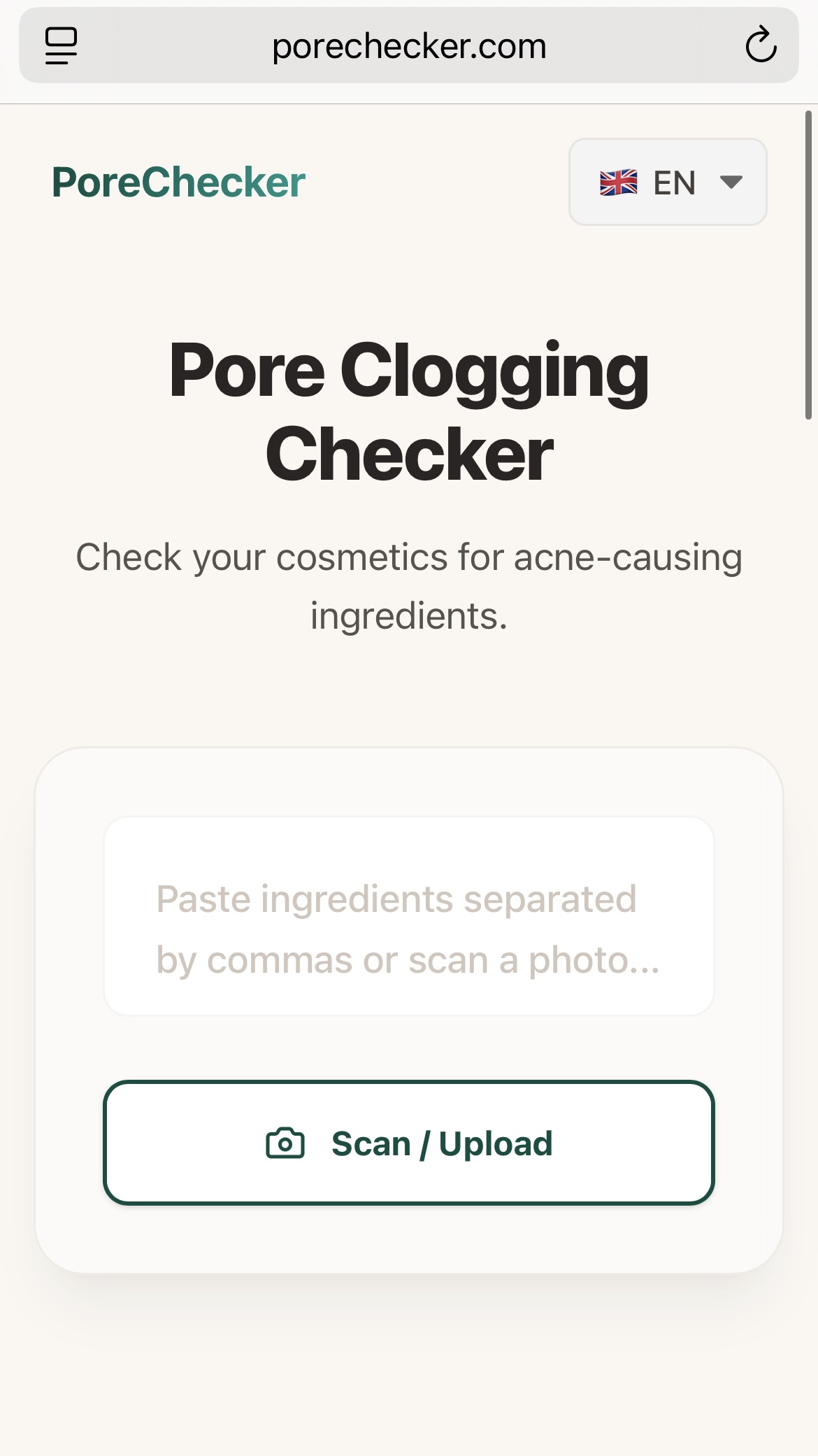
Step 1: Upload Your Product Image
Simply snap a photo of the ingredient list on the back of any bottle, jar, or box. No typing required.
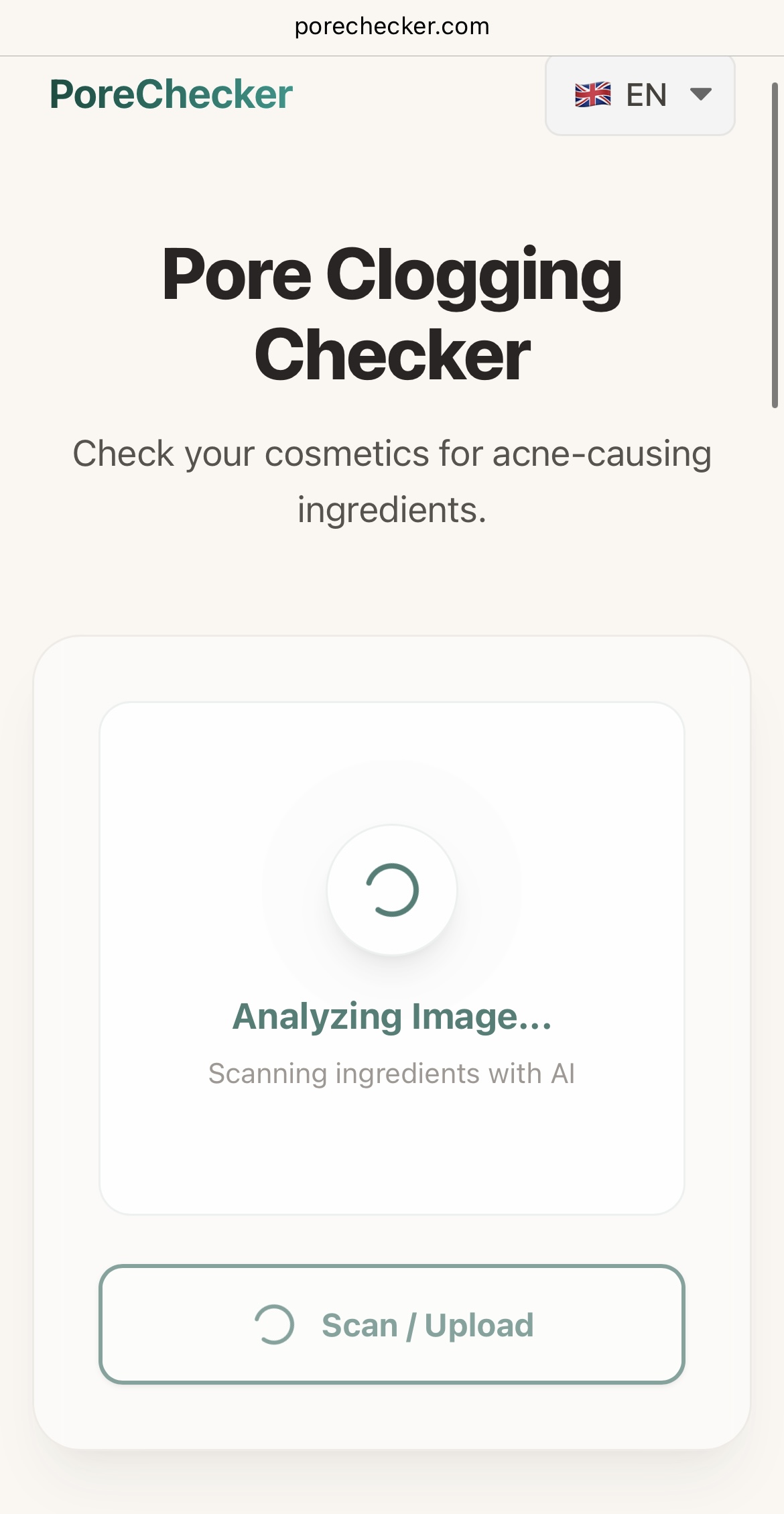
Step 2: Instant AI Ingredient Analysis
Our advanced AI scans the image, performs OCR (Optical Character Recognition), and matches every ingredient against our curated database of comedogenic substances.
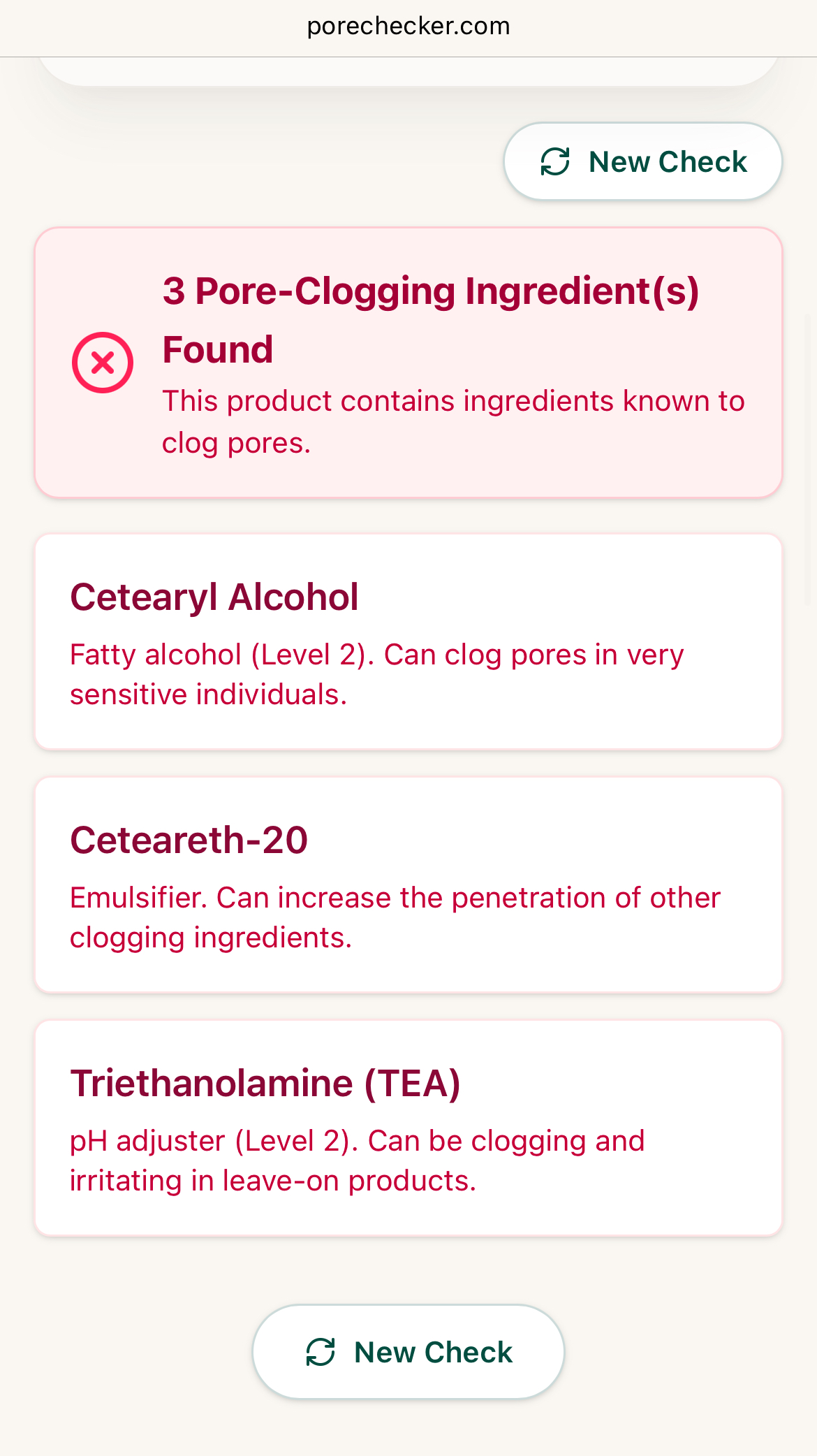
Step 3: Clear Results for Clearer Skin
You get an immediate breakdown. If any red-flag ingredients are found, we highlight them and explain why they might be problematic for your pores.
Does this product fit my skin's needs?
Check Your Products Now