How to Get Rid of Acne Scars: A Comprehensive Guide
Tired of acne scars? Discover effective treatments & expert tips to fade scars and regain your confidence. Learn about ingredients, routines, and more!
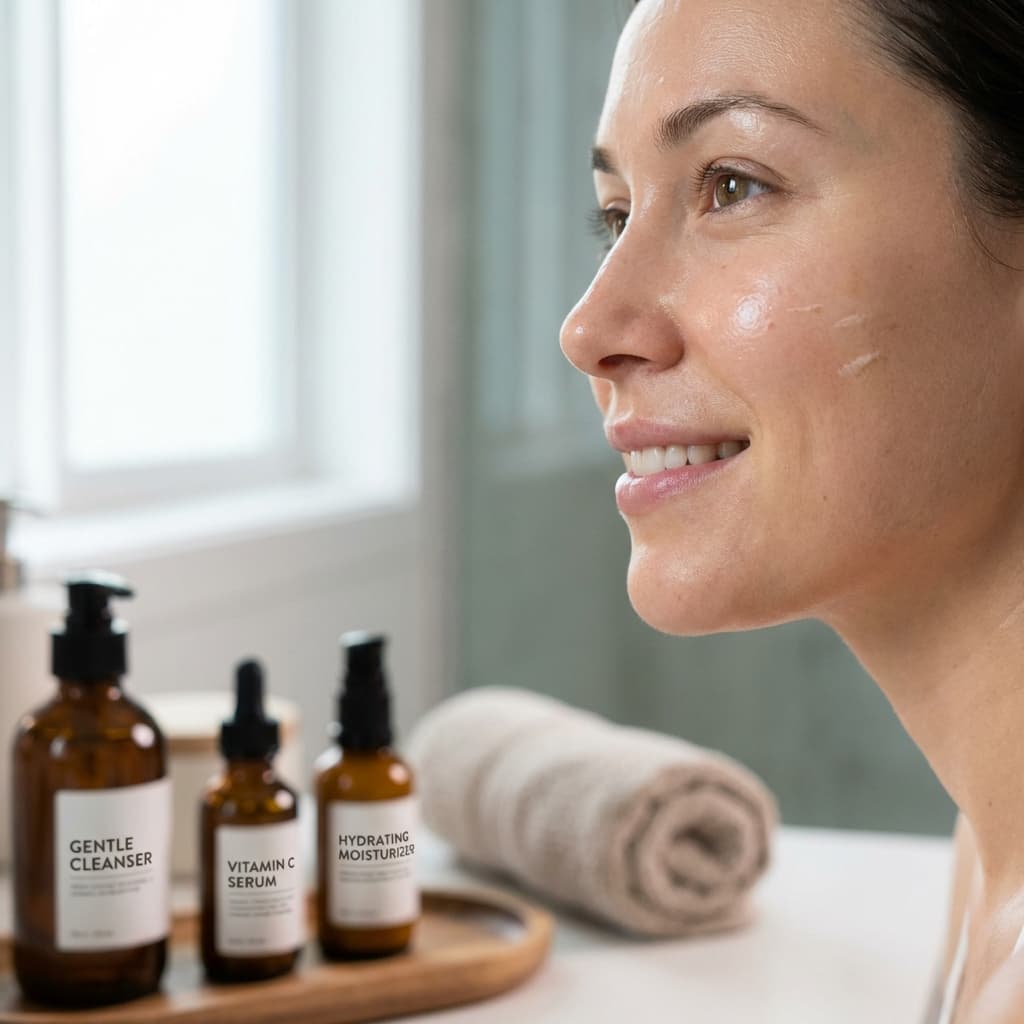
Acne scars can be a persistent reminder of past breakouts, impacting both your skin's appearance and your self-esteem. The good news? They're treatable! This comprehensive guide will walk you through the most effective methods to reduce and eliminate acne scars, empowering you to achieve the clear, healthy skin you deserve. We'll explore various treatment options, from professional procedures to at-home skincare routines, with a strong emphasis on non-comedogenic products and gentle, effective care. Remember, consistency and patience are key.
The cornerstone of managing and healing acne scars is a dedicated skincare approach. This begins with understanding your skin type and the specific type of scars you have. More importantly, it requires avoiding pore-clogging ingredients. Many seemingly innocent products can worsen acne and hinder the healing process. We will dive into this further as we go, providing you with practical advice and actionable steps you can take today to kickstart your journey toward clearer skin.
This isn't just about surface-level fixes; it's about nurturing your skin from within. From understanding the science behind scar formation to implementing a tailored skincare regimen, this article equips you with the knowledge and tools to effectively tackle acne scars and unveil a smoother, more radiant complexion.
Understanding Acne Scars: The Basics
Before diving into treatments, it's crucial to understand the different types of acne scars. Knowing the specific type of scar you have will guide your treatment choices. Acne scars are broadly categorized into two main types: atrophic and hypertrophic.
Atrophic Scars
These are the most common type and appear as depressions or indentations in the skin. They are often caused by a loss of collagen during the healing process. There are several subtypes, including:
- Ice pick scars: Narrow, deep scars that resemble a puncture.
- Boxcar scars: Wide, box-like depressions with sharp edges.
- Rolling scars: Shallow depressions that give the skin a wavy appearance.
Hypertrophic Scars and Keloids
These scars are raised above the surface of the skin. Hypertrophic scars stay within the boundaries of the original acne lesion, while keloids are larger and extend beyond the original blemish. These scars are caused by an overproduction of collagen during the healing process.
Effective Treatments to Get Rid of Acne Scars
The best treatment for acne scars depends on the type of scar, skin type, and the severity of the scarring. Here's a breakdown of effective options:
Professional Treatments
These treatments are typically performed by dermatologists or qualified skincare professionals and often yield the most significant results.
- Microneedling: This involves using tiny needles to create micro-injuries in the skin, stimulating collagen production and improving the appearance of scars.
- Laser Resurfacing: Laser treatments, such as fractional CO2 laser, target the scar tissue and promote collagen remodeling.
- Chemical Peels: Chemical peels use acids to exfoliate the skin and reduce the appearance of scars. The strength of the peel will depend on the severity of the scarring.
- Dermal Fillers: Hyaluronic acid fillers can be injected to plump up atrophic scars, making them less noticeable.
- Subcision: This procedure involves releasing the fibrous bands that tether atrophic scars to the underlying tissue.
At-Home Skincare Routines
While professional treatments offer powerful results, an effective at-home skincare routine is essential for managing and improving the appearance of acne scars. Always consult a dermatologist before starting any new routine.
- Gentle Cleansing: Use a non-comedogenic cleanser to remove dirt, oil, and impurities without stripping the skin. Avoid harsh soaps that can irritate and inflame the skin.
- Exfoliation: Regular exfoliation can help remove dead skin cells and promote cell turnover, which can improve the appearance of scars. Look for products containing AHAs (alpha-hydroxy acids) like glycolic or lactic acid or BHAs (beta-hydroxy acids) like salicylic acid, always starting slow and gradually increasing frequency based on your skin's tolerance.
- Retinoids: Retinoids are derived from Vitamin A and are known for their ability to increase cell turnover and boost collagen production. This can help to improve the appearance of scars. Start with a low concentration and use them only at night to avoid sun sensitivity.
- Vitamin C Serums: Vitamin C is an antioxidant that can help protect the skin from free radicals and promote collagen production, which can improve the appearance of scars.
- Sunscreen: Protecting your skin from the sun is crucial for preventing further damage and hyperpigmentation, which can worsen the appearance of scars. Use a broad-spectrum sunscreen with an SPF of 30 or higher daily.
Hidden Pore-Cloggers and What to Avoid
One of the biggest obstacles to healing acne scars is the continued presence of acne, which can lead to new scarring and inflammation. Avoiding pore-clogging ingredients is essential for maintaining clear skin. Many seemingly harmless ingredients can wreak havoc on your skin. Some common culprits include:
- Certain Oils: Coconut oil, shea butter, and mineral oil can clog pores for many people.
- Thick Emollients: Ingredients like isopropyl myristate and isopropyl palmitate are often used to make products feel rich but can lead to breakouts.
- Fragrance: Artificial fragrances can irritate the skin and potentially lead to breakouts.
- Some Silicones: While not pore-clogging for everyone, some silicones can trap oil and debris. Dimethicone is a common example.
- Certain Alcohols: SD alcohol and denatured alcohol can dry and irritate the skin.
Always read the ingredient list carefully and opt for non-comedogenic products. Look for labels that say "oil-free," "non-comedogenic," or "for acne-prone skin."
Don't Let Your Products Ruin Your Progress
You can have the most perfect skincare routine in theory, but if just one product contains a pore-clogging ingredient, it can sabotage all your efforts. Checking your ingredients is the only way to ensure your routine is truly acne-safe.
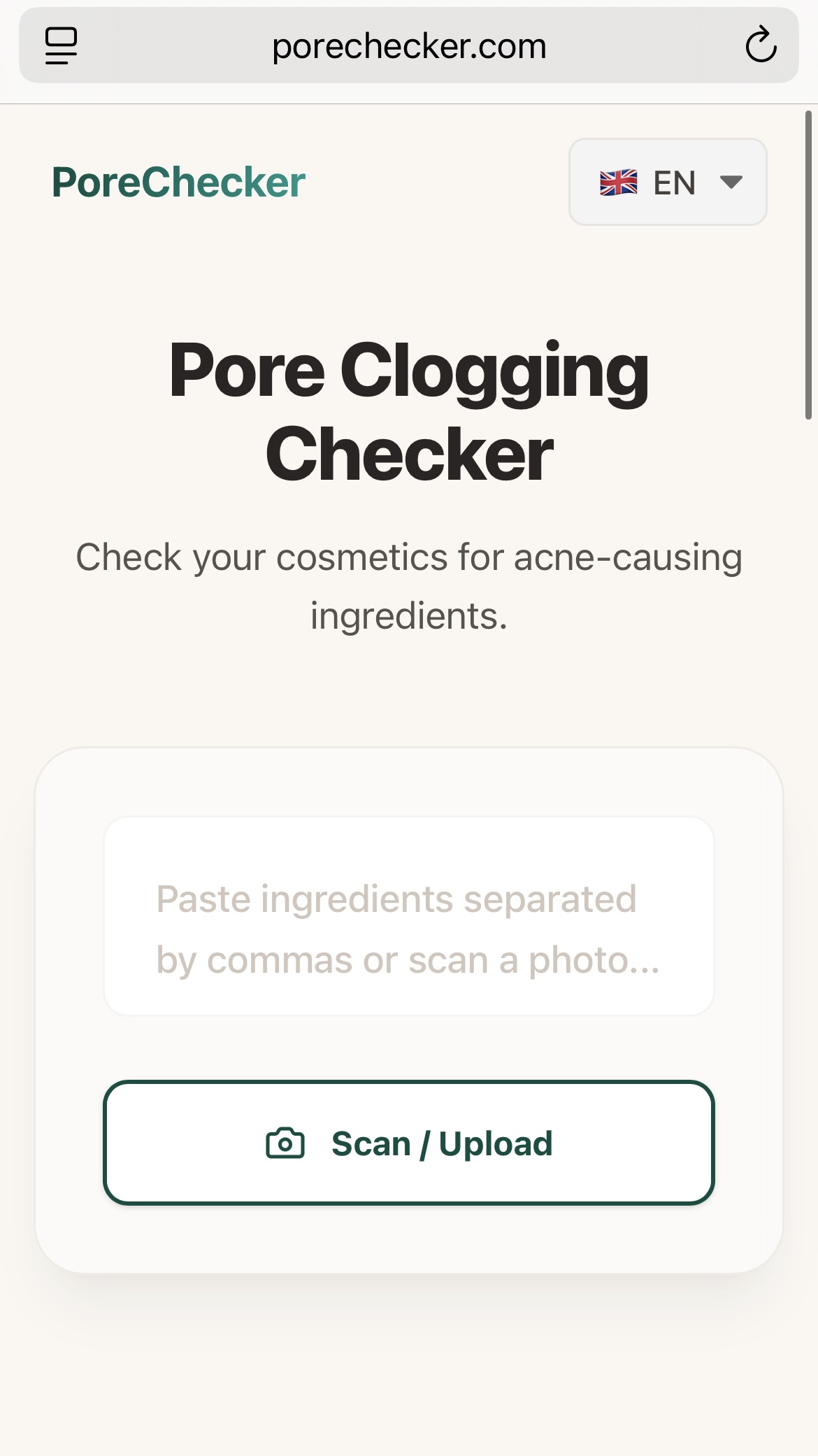
Step 1: Upload Your Product Image
Simply snap a photo of the ingredient list on the back of any bottle, jar, or box. No typing required.
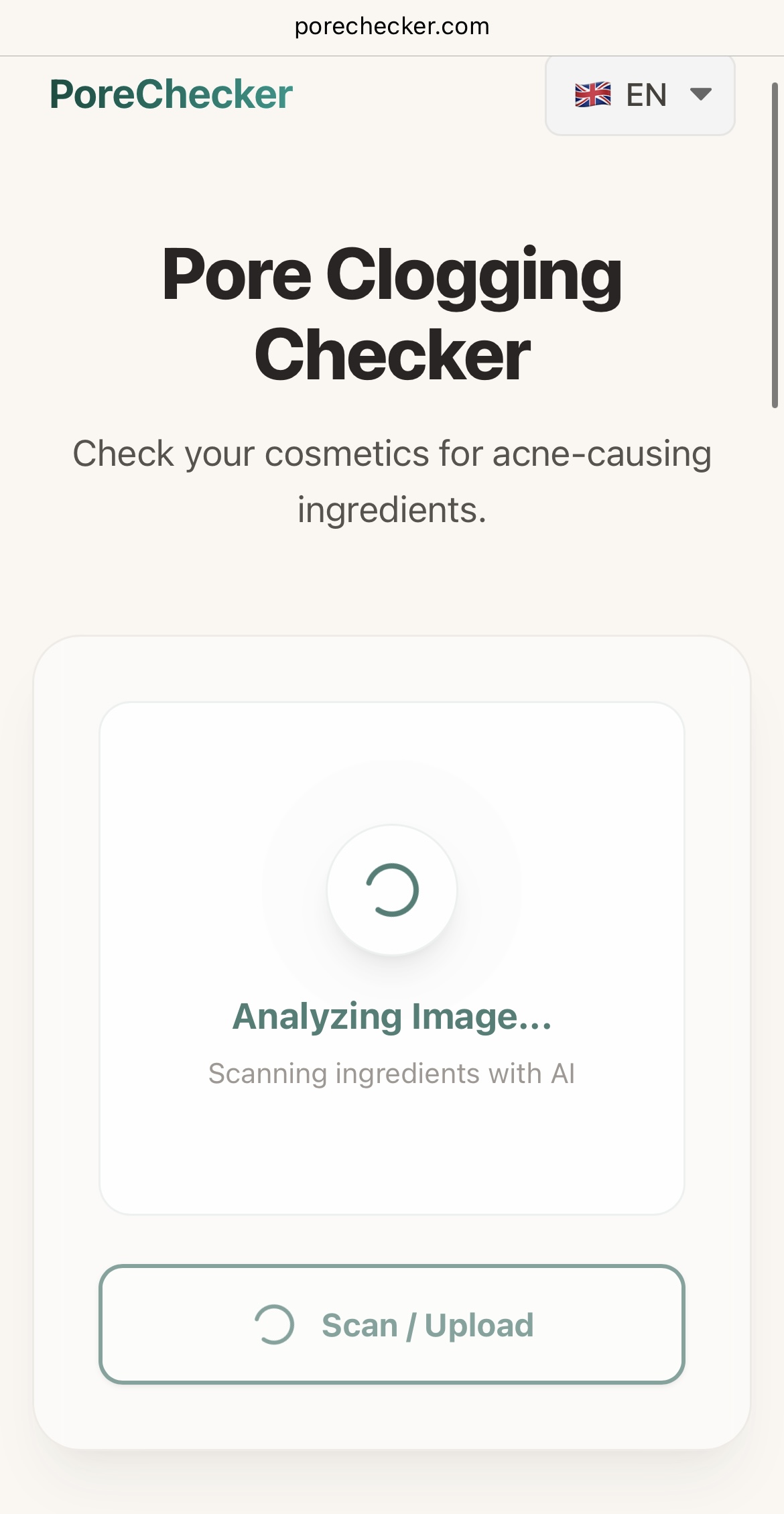
Step 2: Instant AI Ingredient Analysis
Our advanced AI scans the image, performs OCR (Optical Character Recognition), and matches every ingredient against our curated database of comedogenic substances.
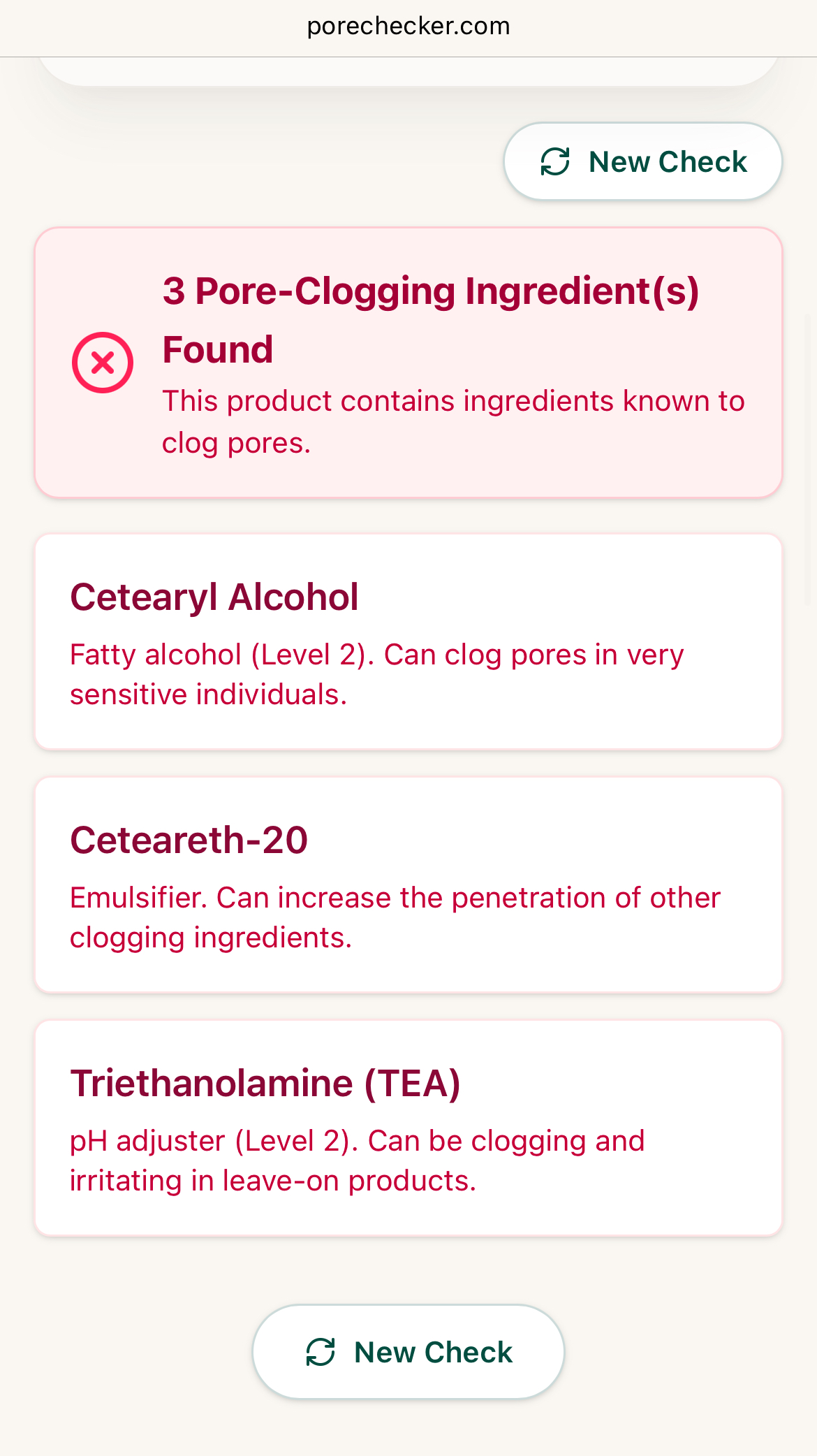
Step 3: Clear Results for Clearer Skin
You get an immediate breakdown. If any red-flag ingredients are found, we highlight them and explain why they might be problematic for your pores.
Does this product fit my skin's needs?
Check Your Products Now