How to Get Rid of Chest Acne: A Dermatologist's Guide to Clear Skin
Frustrated with chest acne? Learn from a dermatologist how to get rid of chest acne with science-backed solutions, from gentle cleansing to smart product choices.
Chest acne, or "bacne" as it's sometimes playfully called, can be a persistent and confidence-draining problem. As a dermatologist, I frequently see patients struggling with this issue, and the good news is that it's often very treatable. The key to success lies in understanding the causes and adopting a consistent, science-backed skincare routine. Importantly, remember that the skin on your chest is similar to the skin on your back, and therefore prone to the same issues: clogged pores, inflammation, and bacterial overgrowth.
The approach to addressing chest acne differs slightly from facial acne because the skin in this area can be more sensitive and less tolerant to harsh treatments. We'll explore effective strategies that are gentle yet potent, focusing on non-comedogenic products and lifestyle adjustments that can significantly improve your skin's clarity. Remember, the goal isn't just to eliminate existing breakouts, but to prevent future ones. So, let’s get started!
Effective chest acne treatment hinges on identifying the root causes and implementing a strategy that tackles them head-on. The usual suspects include excess oil production, clogged pores, and bacterial overgrowth (specifically, Cutibacterium acnes). Other contributing factors may be friction from clothing, sweat, and irritation from certain skincare ingredients. By implementing a consistent skincare routine tailored to your skin type, it is possible to achieve clear skin and regain your confidence.
Cleansing: The Foundation of Clear Skin
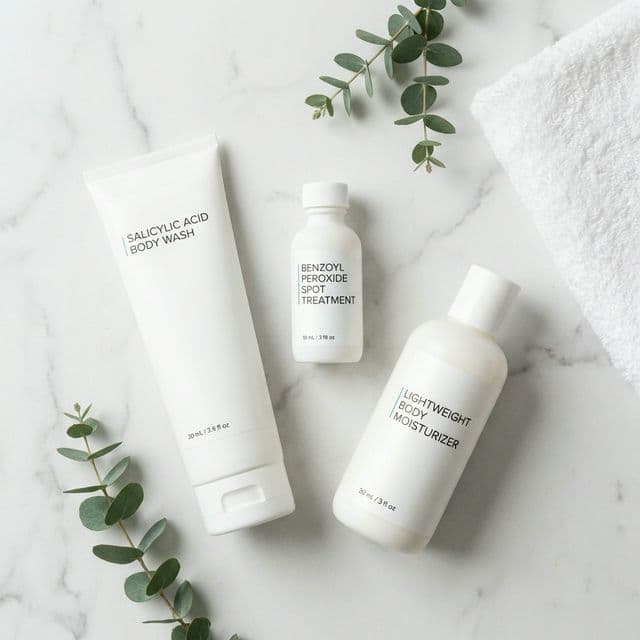
Cleansing is the cornerstone of any effective skincare routine, and this is especially true for chest acne. The goal is to remove excess oil, sweat, and dead skin cells without stripping the skin of its essential moisture. Look for a gentle, non-comedogenic cleanser formulated with ingredients like salicylic acid or benzoyl peroxide. These ingredients help to exfoliate and reduce bacteria. Avoid harsh soaps or scrubs, which can irritate the skin and worsen breakouts.
Product Recommendations
Choose a cleanser specifically designed for acne-prone skin. Look for labels that say "non-comedogenic" and "oil-free". When cleansing, use lukewarm water and gently massage the cleanser onto your chest for at least 60 seconds. Rinse thoroughly and pat your skin dry with a soft towel. Be sure to change your towel regularly and avoid re-using them after you have cleaned your chest.
Exfoliation: Unclogging the Pores
Exfoliation is crucial for preventing and treating chest acne. Regular exfoliation helps to remove dead skin cells that can clog pores and lead to breakouts. Chemical exfoliants, such as those containing salicylic acid or glycolic acid, are generally preferred over physical scrubs, which can be too harsh and cause irritation.
How to Exfoliate Safely
Start by exfoliating once or twice a week and gradually increase the frequency as your skin tolerates it. Be sure to follow up with a non-comedogenic moisturizer to keep your skin hydrated and prevent dryness. Apply exfoliating products only on affected areas, and avoid over-exfoliating, which can lead to irritation and further breakouts. Introduce new products slowly, and look for signs of irritation.
Moisturizing and Hydration: Maintaining Skin Health
Even if you have oily skin, moisturizing is a must. Applying a non-comedogenic, oil-free moisturizer helps keep your skin hydrated, supporting its natural barrier function and preventing it from overproducing oil to compensate for dryness. Choose a lightweight moisturizer containing ingredients like hyaluronic acid to attract and retain moisture.
Sun Protection is Paramount
Always use a broad-spectrum, non-comedogenic sunscreen on your chest, especially if you're using acne treatments that can increase sun sensitivity. Reapply sunscreen every two hours, especially if you're swimming or sweating. Sunscreen is essential, not just for preventing sun damage, but also for preventing post-inflammatory hyperpigmentation, the dark spots that often appear after acne heals.
Lifestyle Adjustments: Beyond Your Skincare Routine
Your lifestyle plays a significant role in managing chest acne. Loose-fitting clothing made from breathable fabrics, such as cotton or linen, can help prevent friction and reduce sweating. Shower immediately after exercising or sweating to remove sweat and oil from your skin. Avoid using harsh detergents or fabric softeners, as they can irritate the skin.
Dietary Considerations
While dietary changes alone won't cure chest acne, some foods are known to exacerbate breakouts. Consider reducing your intake of processed foods, sugary drinks, and dairy products, as these can trigger inflammation in some individuals. Staying hydrated by drinking plenty of water is also key to overall skin health.
Don't Let Your Products Ruin Your Progress
You've established a great skincare routine, but your journey doesn't stop here. The effectiveness of your efforts can be undermined by hidden pore-clogging ingredients lurking in your products. Many seemingly harmless lotions, sunscreens, and even some "acne-fighting" formulations contain comedogenic ingredients that can worsen breakouts. It's time to become a detective of your ingredient lists. There is a quick and easy way to check your products and avoid potential breakouts!
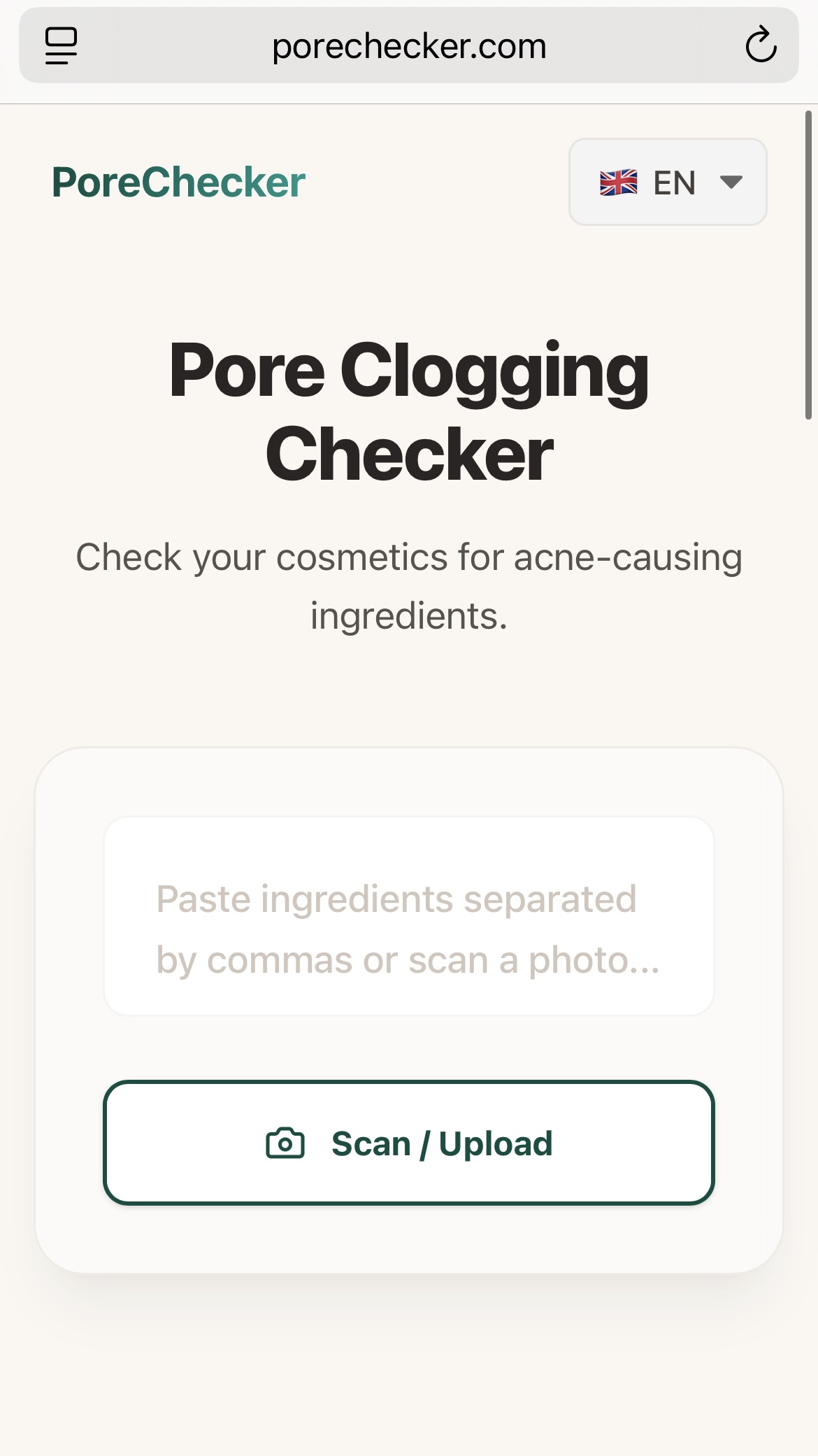
Step 1: Upload Your Product Image
Simply snap a photo of the ingredient list on the back of any bottle, jar, or box. No typing required.
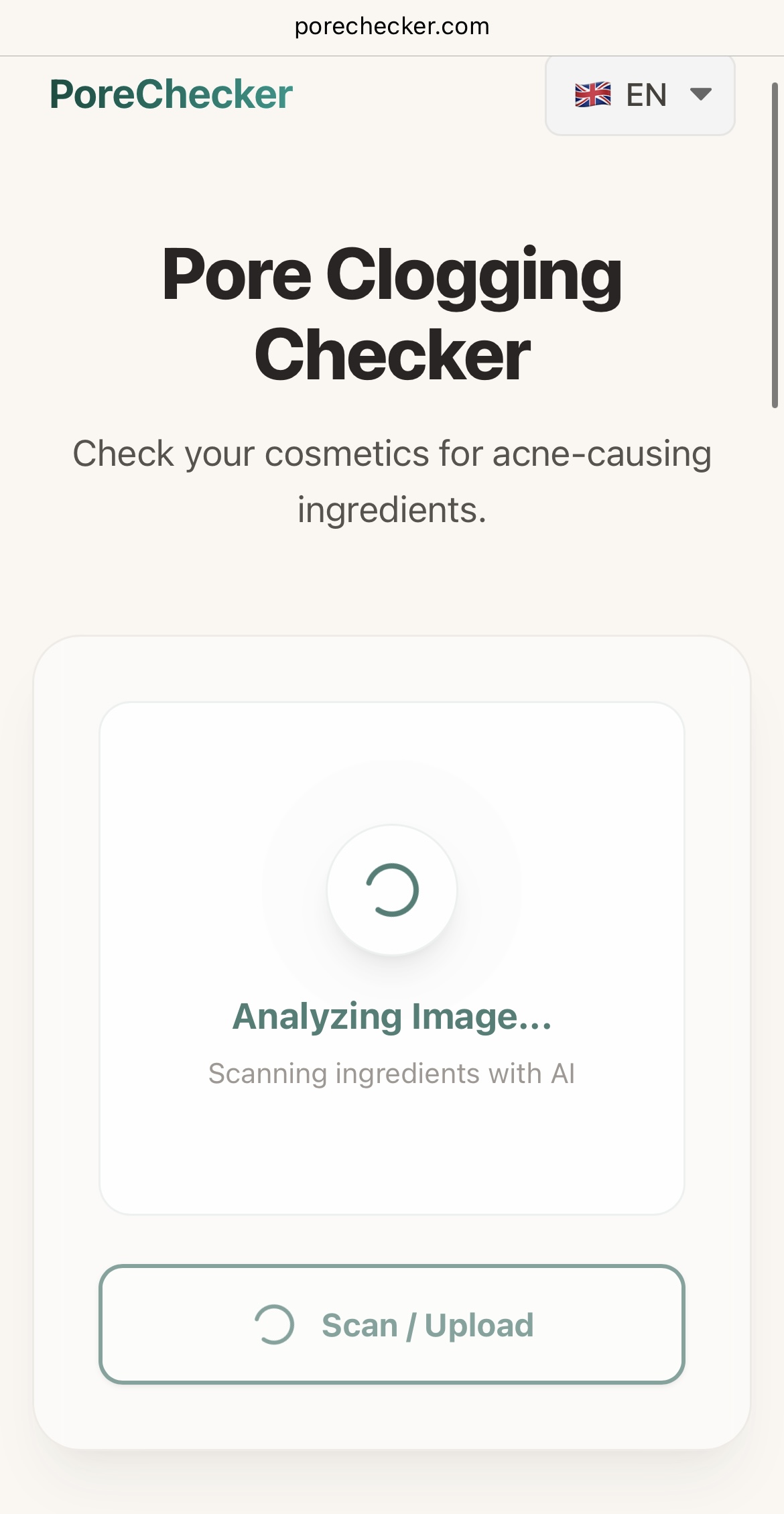
Step 2: Instant AI Ingredient Analysis
Our advanced AI scans the image, performs OCR (Optical Character Recognition), and matches every ingredient against our curated database of comedogenic substances.
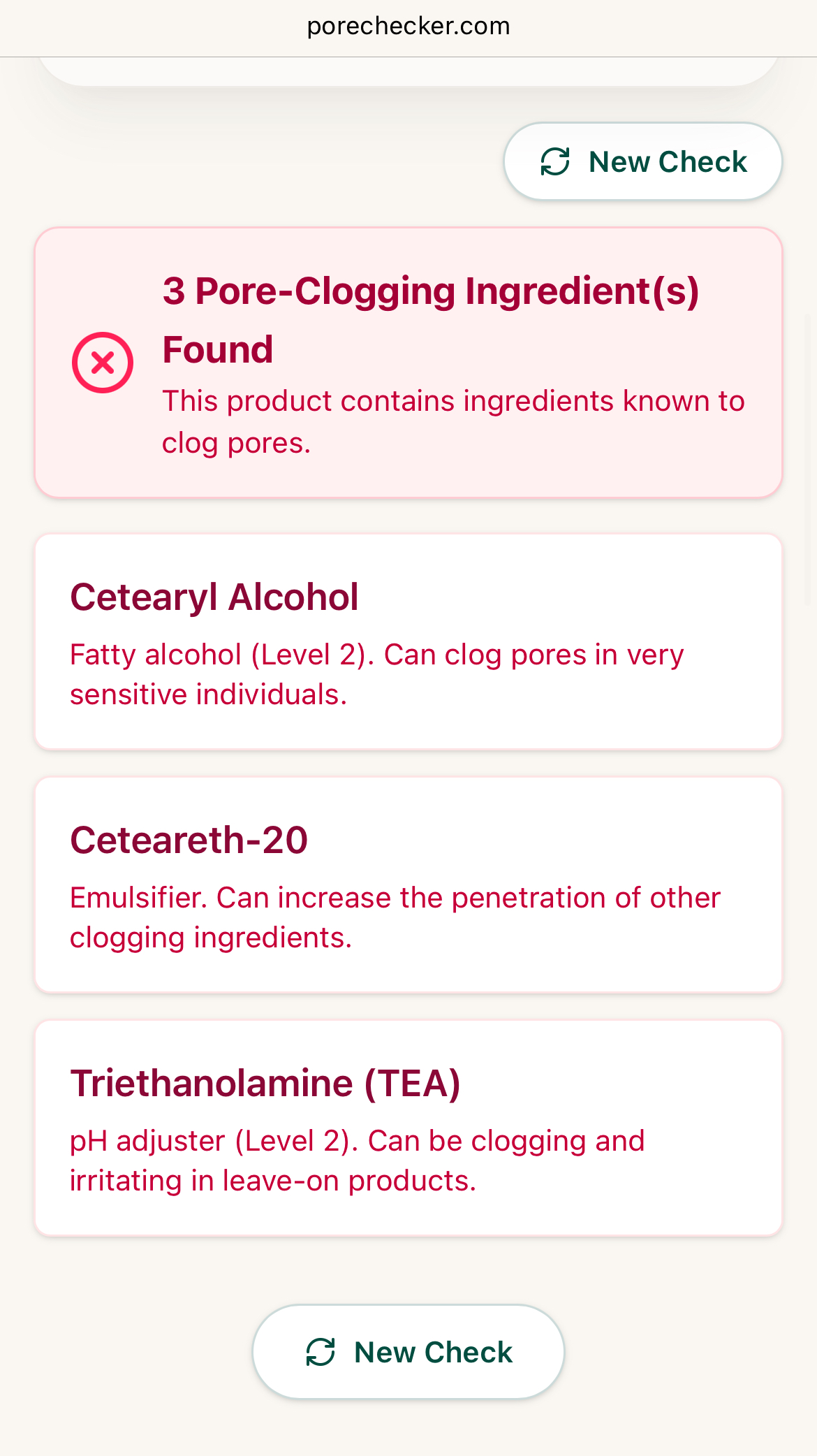
Step 3: Clear Results for Clearer Skin
You get an immediate breakdown. If any red-flag ingredients are found, we highlight them and explain why they might be problematic for your pores.
Does this product fit my skin's needs?
Check Your Products Now