How to Get Rid of Clogged Pores: Your Clear Skin Roadmap
Frustrated with clogged pores? Discover effective strategies to unclog pores & achieve clear skin! Learn about ingredients to avoid and best practices for healthy skin.
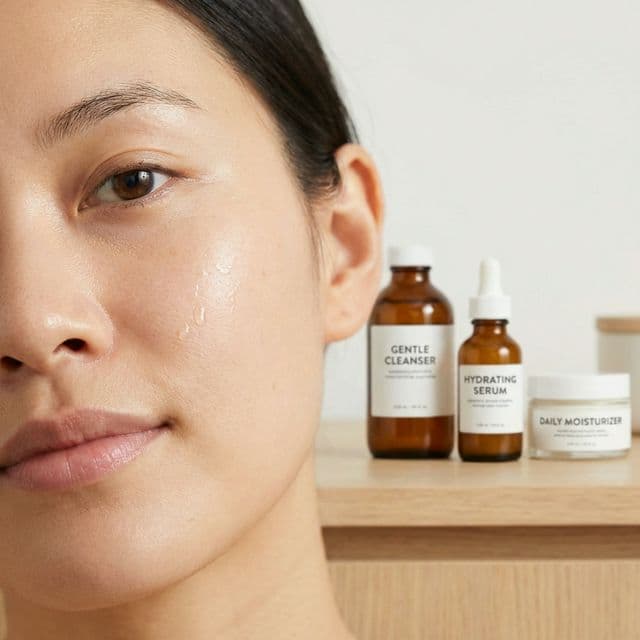
Clogged pores are a common skin concern, often leading to blackheads, whiteheads, and even breakouts. These tiny openings on your skin can become blocked with a combination of oil (sebum), dead skin cells, and debris. While completely eliminating pores isn't possible (they're essential for skin function!), you *can* effectively manage and minimize their appearance. The key? Understanding the causes and adopting a consistent, non-comedogenic skincare routine.
This journey to clearer skin is about more than just what you put *on* your face; it's about what you *don't* put on your face. That means prioritizing products labeled "non-comedogenic," which are formulated to avoid clogging pores. Let's delve into the practical steps you can take to banish those pesky clogged pores and regain your skin's natural radiance.
Understanding the Culprits: What Clogs Your Pores?
Before we tackle solutions, let's identify the usual suspects. Several factors contribute to clogged pores, and pinpointing them is crucial for effective treatment. Excess sebum production, often triggered by hormonal fluctuations or genetics, is a major player. Dead skin cells, which naturally shed from the skin's surface, can accumulate and block pores if not properly exfoliated. External factors such as pollution and improper makeup removal can also contribute.
Sebum Overload
Oily skin types are particularly prone to clogged pores due to increased sebum production. This oil mixes with dead skin cells and other debris, forming a sticky plug. Hormonal changes, stress, and certain medications can exacerbate sebum production. Regular, gentle cleansing is essential, and incorporating products that help regulate oil production can make a big difference.
The Dead Skin Cell Dilemma
As skin cells turn over, they shed. If these cells aren’t removed efficiently, they mix with oil and clog pores. Exfoliation, either chemical (with AHAs or BHAs) or physical (with gentle scrubs), is key to removing dead skin cells and preventing this buildup. However, be careful not to over-exfoliate, as this can damage the skin barrier and lead to further issues.
Hidden Pore-Cloggers: Ingredients to Watch Out For
Some ingredients are notorious for clogging pores. These are often found in makeup, skincare, and even hair products that come into contact with your face. Mineral oil, certain silicones, and some heavy oils can be problematic. Be sure to carefully examine product labels and choose non-comedogenic options whenever possible.
Your Action Plan: Unclogging and Preventing Clogged Pores
Achieving clear skin requires a multi-faceted approach, incorporating a consistent skincare routine and lifestyle adjustments. Here's a practical, step-by-step guide to help you on your journey:
1. Cleansing: The Foundation of Clear Skin
Cleanse your face twice daily with a gentle, non-comedogenic cleanser. Look for cleansers that contain ingredients like salicylic acid (a BHA) or benzoyl peroxide, which can help dissolve oil and unclog pores. Avoid harsh cleansers that strip your skin of its natural oils, as this can actually trigger increased oil production.
2. Exfoliation: Unveiling Fresh Skin
Incorporate exfoliation into your routine 1-3 times per week. Choose a chemical exfoliant like an AHA (glycolic or lactic acid) to remove dead skin cells and promote cell turnover, or a BHA (salicylic acid) to penetrate pores and dissolve oil. Start slowly and gradually increase frequency as your skin tolerates it. Physical exfoliants, like scrubs, should be used gently, as they can cause micro-tears.
3. Hydration: Keeping Skin Balanced
Even oily skin needs hydration. Use a lightweight, oil-free, non-comedogenic moisturizer to keep your skin balanced and prevent it from overproducing oil to compensate for dryness. Look for moisturizers with ingredients like hyaluronic acid to attract and retain moisture.
4. Targeted Treatments: Addressing Specific Concerns
If you have stubborn clogged pores, consider incorporating targeted treatments into your routine. This could include a retinol serum (vitamin A derivative) to encourage cell turnover and unclog pores, or a clay mask to absorb excess oil. Consult with a dermatologist for personalized recommendations.
5. Lifestyle Adjustments: Supporting Clear Skin from Within
Your lifestyle plays a role too. Drink plenty of water to hydrate your skin from the inside out. Maintain a healthy diet, limiting processed foods and focusing on nutrient-rich options. Avoid touching your face and change your pillowcase frequently to minimize the spread of bacteria and debris.
Don't Let Your Products Ruin Your Progress
You've established a great routine, but the battle isn't over. Your diligently selected products may contain hidden pore-clogging ingredients that undo all your hard work. Ingredients like coconut oil, shea butter, and certain forms of alcohol can be problematic for some skin types. To ensure your efforts aren't sabotaged, it's vital to carefully scrutinize the ingredient lists of all your skincare and makeup products. Luckily, there are tools available that can help you quickly identify potential pore-cloggers, helping you make informed decisions and maintain your clear skin progress. Consider using an ingredient checker tool to analyze the products you are using!
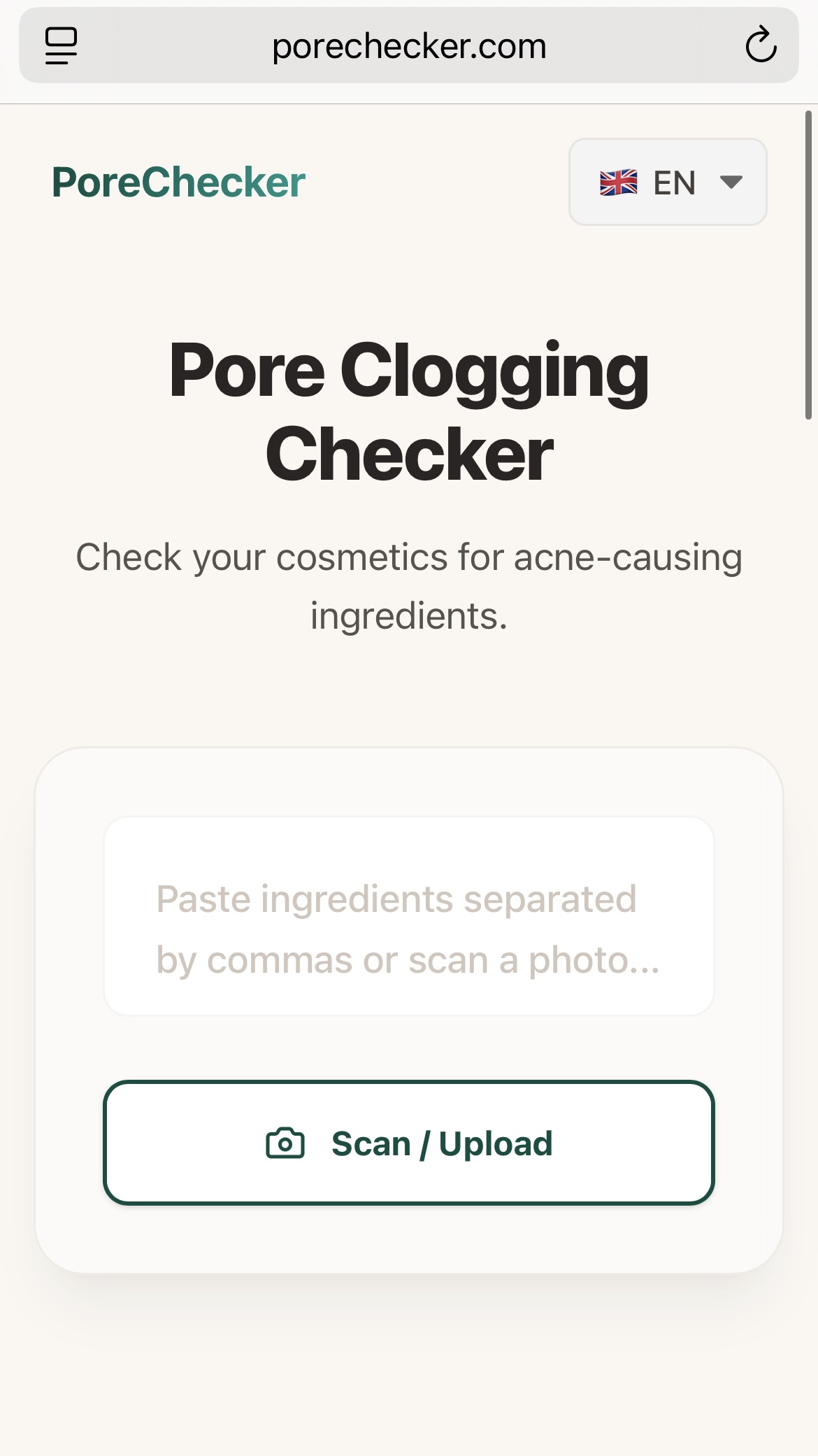
Step 1: Upload Your Product Image
Simply snap a photo of the ingredient list on the back of any bottle, jar, or box. No typing required.
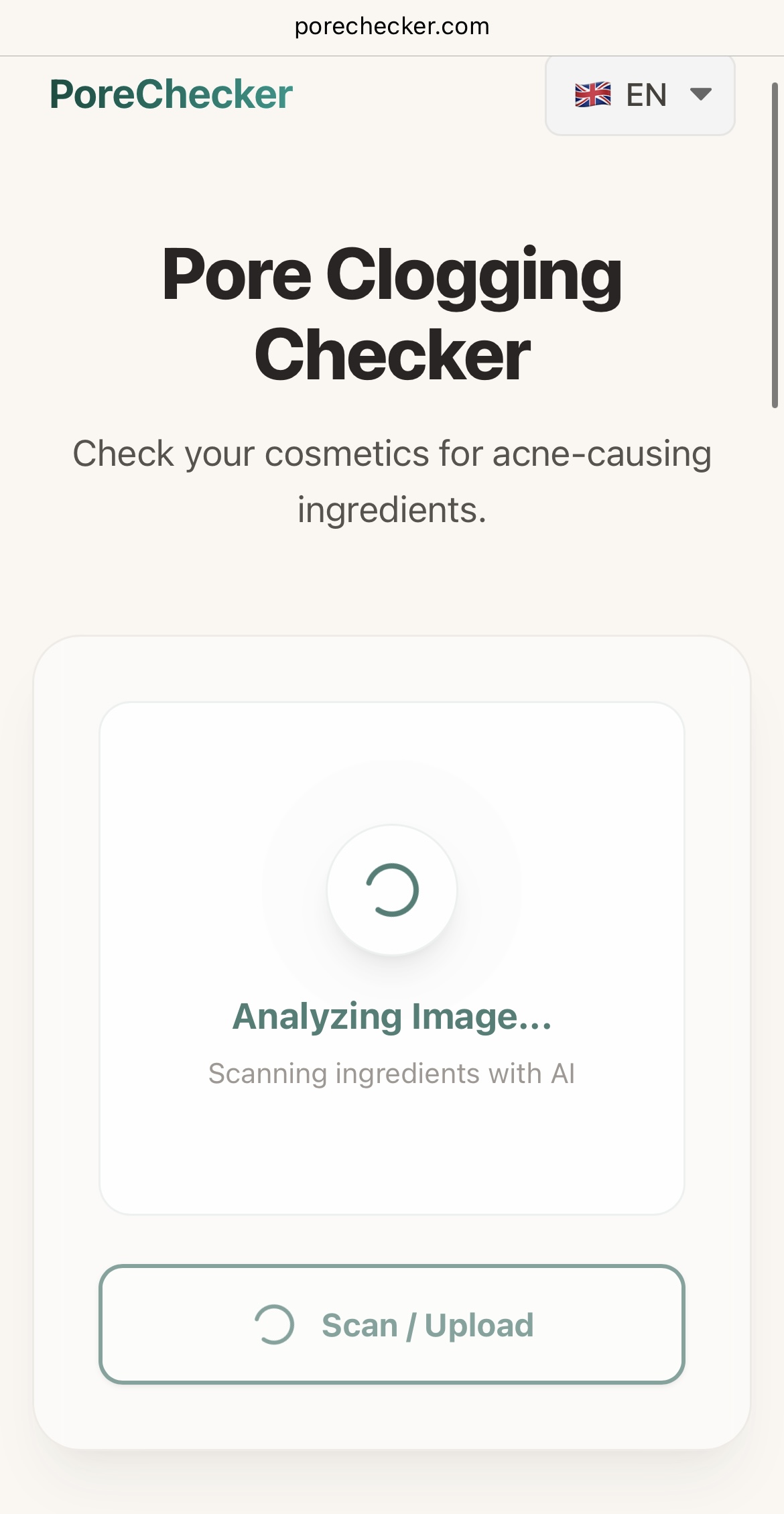
Step 2: Instant AI Ingredient Analysis
Our advanced AI scans the image, performs OCR (Optical Character Recognition), and matches every ingredient against our curated database of comedogenic substances.
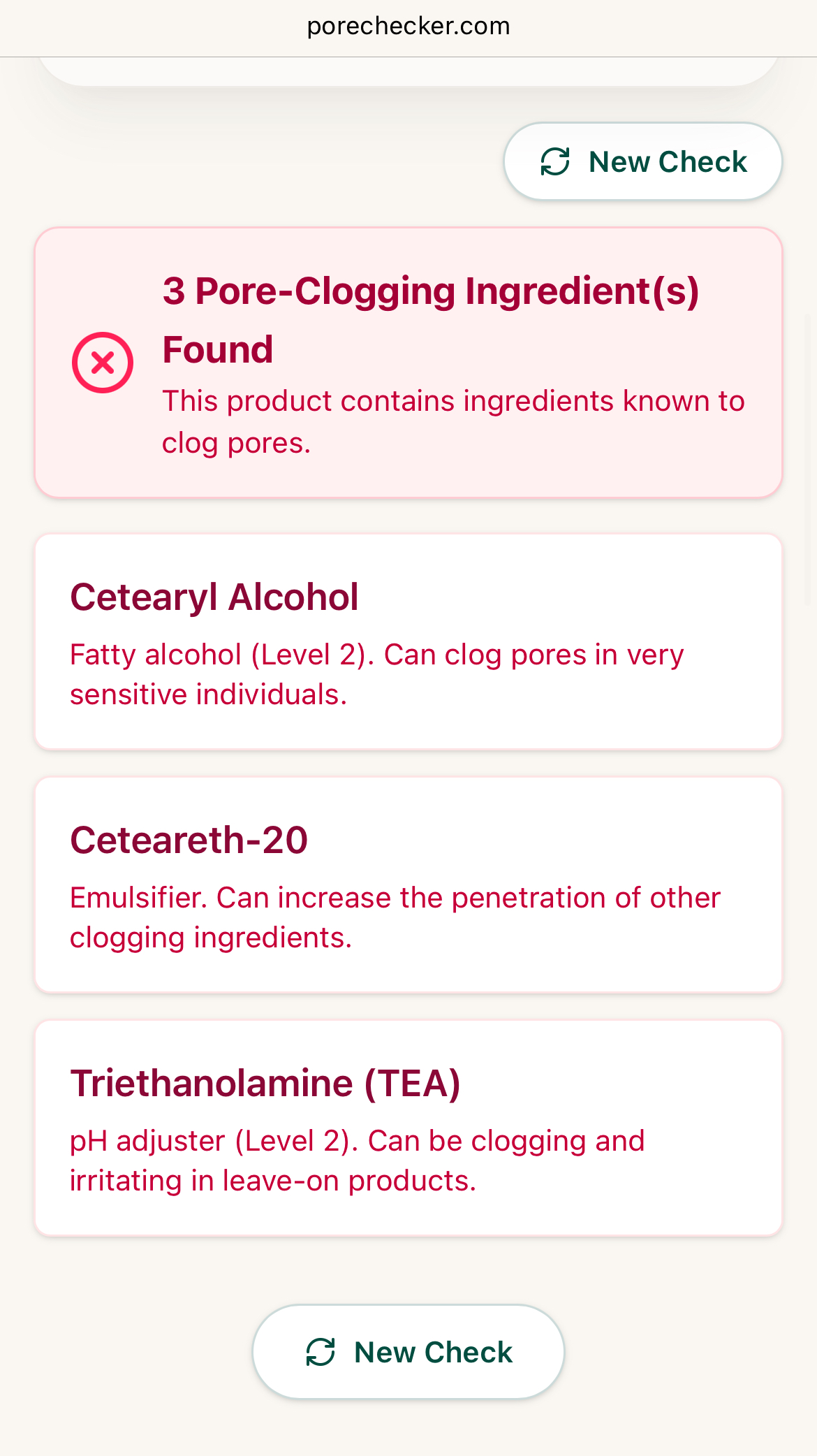
Step 3: Clear Results for Clearer Skin
You get an immediate breakdown. If any red-flag ingredients are found, we highlight them and explain why they might be problematic for your pores.
Does this product fit my skin's needs?
Check Your Products Now