How to Get Rid of Cystic Acne: A Dermatologist's Guide to Clear Skin
Struggling with cystic acne? Get expert advice on how to get rid of cystic acne. Discover effective treatments, skincare routines, & hidden triggers.
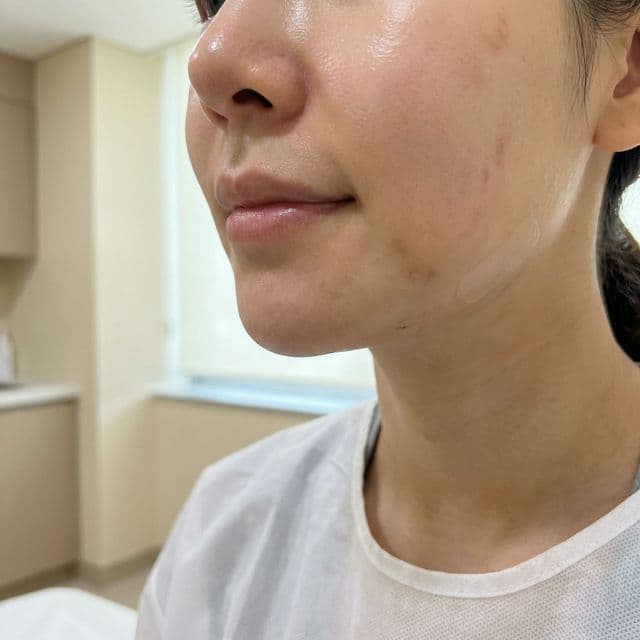
Cystic acne, characterized by deep, painful, pus-filled lumps, can be incredibly distressing. As a dermatologist, I understand the emotional and physical impact it has. The good news is that with the right approach, it's manageable. This article delves into the science behind cystic acne and provides practical, evidence-based strategies for achieving clearer skin. A key element of success is focusing on non-comedogenic skincare – products designed not to clog pores – which forms the foundation of any effective treatment plan.
Effective cystic acne treatment requires a multifaceted approach, often involving a combination of professional treatments and consistent at-home care. Remember, consistency is key! Avoid the temptation to pick or squeeze cysts, as this can worsen inflammation, lead to scarring, and spread bacteria, potentially causing more breakouts. The goal is to calm the inflammation, reduce the bacterial load, and prevent new cysts from forming. Let's explore the steps you can take to reclaim your skin’s health.
Before we dive in, a crucial reminder: always consult with a dermatologist. This information is intended for educational purposes and should not replace professional medical advice. A dermatologist can accurately diagnose the severity of your acne and recommend the most appropriate treatment plan for your specific skin type and needs.
Understanding Cystic Acne
Cystic acne differs from other forms of acne, like blackheads and whiteheads, because of its location deep beneath the skin's surface. It's characterized by large, inflamed, pus-filled nodules. These cysts develop when a combination of factors – excess oil production, dead skin cells, bacteria (specifically *Cutibacterium acnes*, formerly *Propionibacterium acnes*), and inflammation – become trapped within the pores. This trapped mixture creates the perfect breeding ground for bacteria, leading to a severe inflammatory response.
The resulting inflammation is what causes the characteristic pain and swelling. Hormonal fluctuations, genetics, and even stress can trigger or exacerbate cystic acne. Unlike superficial acne, cystic acne often requires medical intervention to prevent scarring and long-term skin damage.
The Root Causes of Cystic Acne
Several underlying factors contribute to the development of cystic acne:
- Excess Oil Production (Sebum): The sebaceous glands produce an overabundance of oil (sebum), which mixes with dead skin cells, creating a blockage.
- Clogged Pores: When dead skin cells and sebum accumulate, they block pores, forming comedones. If these comedones become infected, cystic acne can develop.
- Bacteria: *Cutibacterium acnes* bacteria thrive in these clogged pores, contributing to inflammation and infection.
- Inflammation: The body's immune response to the bacteria and clogged pores leads to inflammation, resulting in painful, red cysts.
- Hormonal Fluctuations: Hormones, particularly androgens, can stimulate excess oil production, increasing the likelihood of acne.
- Genetics: Some individuals are genetically predisposed to developing acne.
Effective Treatments to Get Rid of Cystic Acne
Treating cystic acne often requires a combination of prescription medications and lifestyle adjustments. Your dermatologist will assess the severity of your acne and recommend the best approach for you.
Prescription Medications
Commonly prescribed medications for cystic acne include:
- Topical Retinoids: These Vitamin A derivatives help unclog pores, reduce inflammation, and prevent new breakouts. They're often a cornerstone of acne treatment.
- Oral Antibiotics: These can help reduce inflammation and kill bacteria. They are often used short-term to manage flare-ups.
- Oral Isotretinoin (Accutane): This powerful medication reduces oil production and inflammation. It is usually reserved for severe cases and requires careful monitoring due to potential side effects.
- Hormonal Therapy: For women, birth control pills or spironolactone can help regulate hormones and reduce acne.
Professional Treatments
In-office procedures can complement at-home treatments:
- Cortisone Injections: A dermatologist can inject cortisone directly into a cyst to reduce inflammation and speed up healing.
- Chemical Peels: Regular chemical peels can help exfoliate the skin and reduce the appearance of acne scars.
- Laser Therapy: Laser treatments can target bacteria and reduce inflammation.
Your Daily Skincare Routine
Consistency is key in any skincare routine. Establishing a consistent routine using gentle, non-comedogenic products is critical. Remember, less is often more when dealing with acne-prone skin.
Cleansing
Wash your face twice daily with a gentle, non-comedogenic cleanser. Avoid harsh soaps that can strip your skin of its natural oils, as this can trigger even more oil production. Look for cleansers containing ingredients like salicylic acid or benzoyl peroxide, which can help fight acne-causing bacteria and unclog pores.
Exfoliation
Exfoliate your skin 1-2 times per week to remove dead skin cells that can clog pores. Choose a gentle chemical exfoliant (like a BHA or AHA) rather than a harsh physical scrub, which can irritate inflamed skin. Avoid over-exfoliating, as this can worsen acne.
Moisturizing
Even if you have oily skin, moisturizing is essential. Look for lightweight, oil-free, non-comedogenic moisturizers to keep your skin hydrated without clogging pores. Dehydrated skin can sometimes overproduce oil to compensate.
Sun Protection
Always wear a broad-spectrum sunscreen with an SPF of 30 or higher. Choose a non-comedogenic sunscreen to protect your skin from sun damage, which can worsen inflammation and lead to post-inflammatory hyperpigmentation (dark spots). Sunscreen is essential, as some acne treatments can make your skin more sensitive to the sun.
Ingredients to Avoid
Be mindful of ingredients that can clog pores or irritate the skin. Common pore-clogging ingredients include:
- Mineral Oil and Petrolatum: These are often found in moisturizers and can trap oil and dead skin cells.
- Certain Oils: Coconut oil, cocoa butter, and shea butter can be comedogenic for some individuals.
- Fragrances: Artificial fragrances can irritate the skin and trigger breakouts.
- Alcohol: Some alcohols can dry out the skin, leading to increased oil production.
Lifestyle Factors to Consider
Beyond skincare, your lifestyle plays a significant role in managing cystic acne.
Diet
While there's no single "acne diet," some studies suggest that a diet high in processed foods and refined carbohydrates can worsen acne. Focus on a balanced diet rich in fruits, vegetables, whole grains, and lean protein. Consider limiting dairy intake, as some research suggests a link between dairy and acne.
Stress Management
Stress can trigger hormonal imbalances and exacerbate acne. Incorporate stress-reducing activities into your routine, such as exercise, yoga, meditation, or spending time in nature. Getting enough sleep is also essential for overall health and skin clarity.
Hydration
Drink plenty of water to keep your skin hydrated and support overall health. Proper hydration helps your skin function optimally.
Other Considerations
Avoid touching your face throughout the day. Regularly wash your pillowcases, towels, and anything that comes into contact with your skin to remove bacteria and oil. Be patient. Clear skin takes time and consistency. Don’t get discouraged if you don’t see results immediately.
Don't Let Your Products Ruin Your Progress
You've established a skincare routine, incorporated lifestyle changes, and are seeing some improvement – that’s fantastic! However, even the best routine can be sabotaged by hidden pore-cloggers lurking in your products. Many seemingly innocuous ingredients can contribute to breakouts, and it's essential to become a savvy consumer. Many companies use ingredients you might not know are comedogenic, even if they are marketed as "gentle" or "for sensitive skin." That's why it is critical to always check your product ingredients to ensure they are acne-safe.
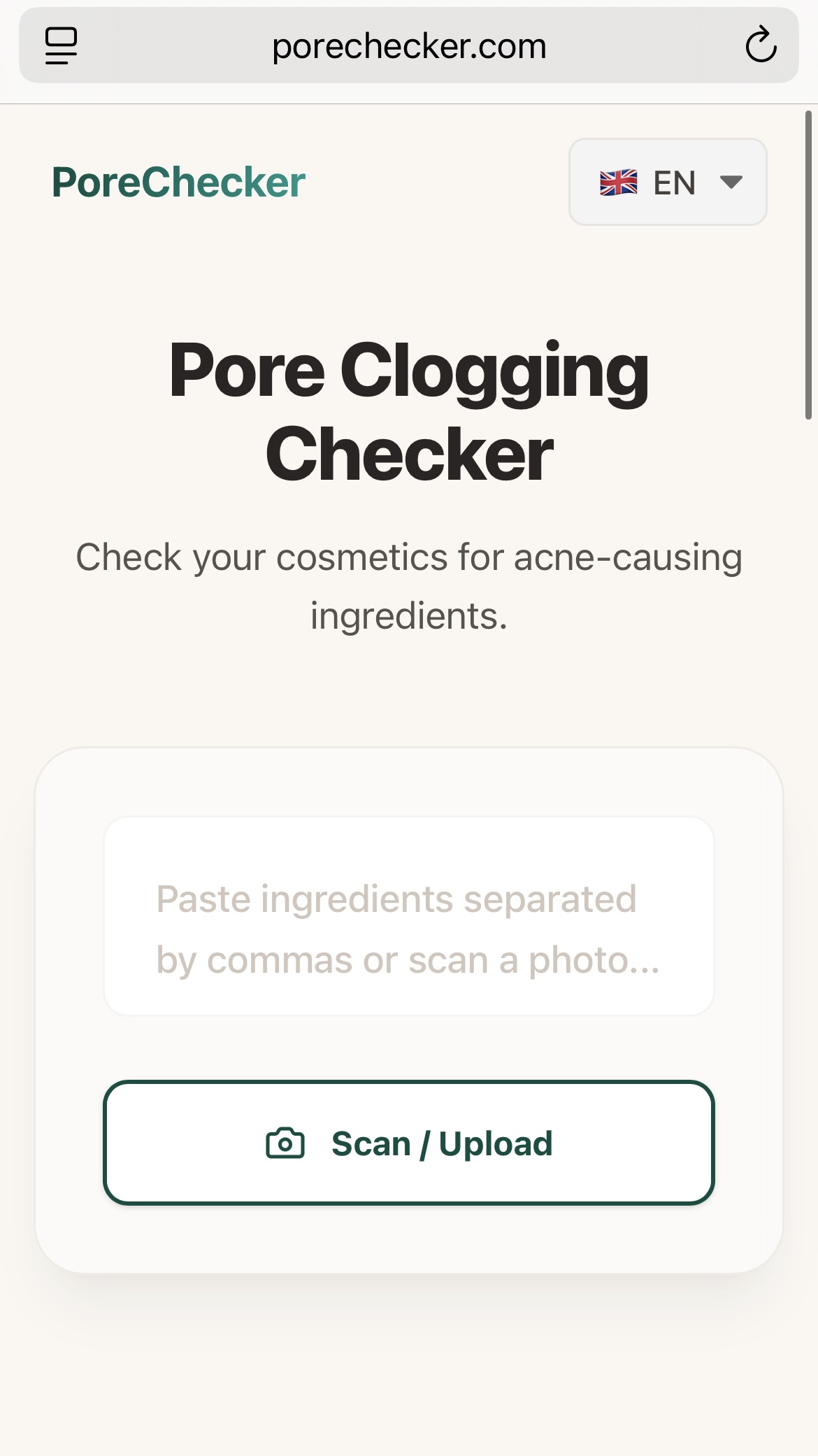
Step 1: Upload Your Product Image
Simply snap a photo of the ingredient list on the back of any bottle, jar, or box. No typing required.
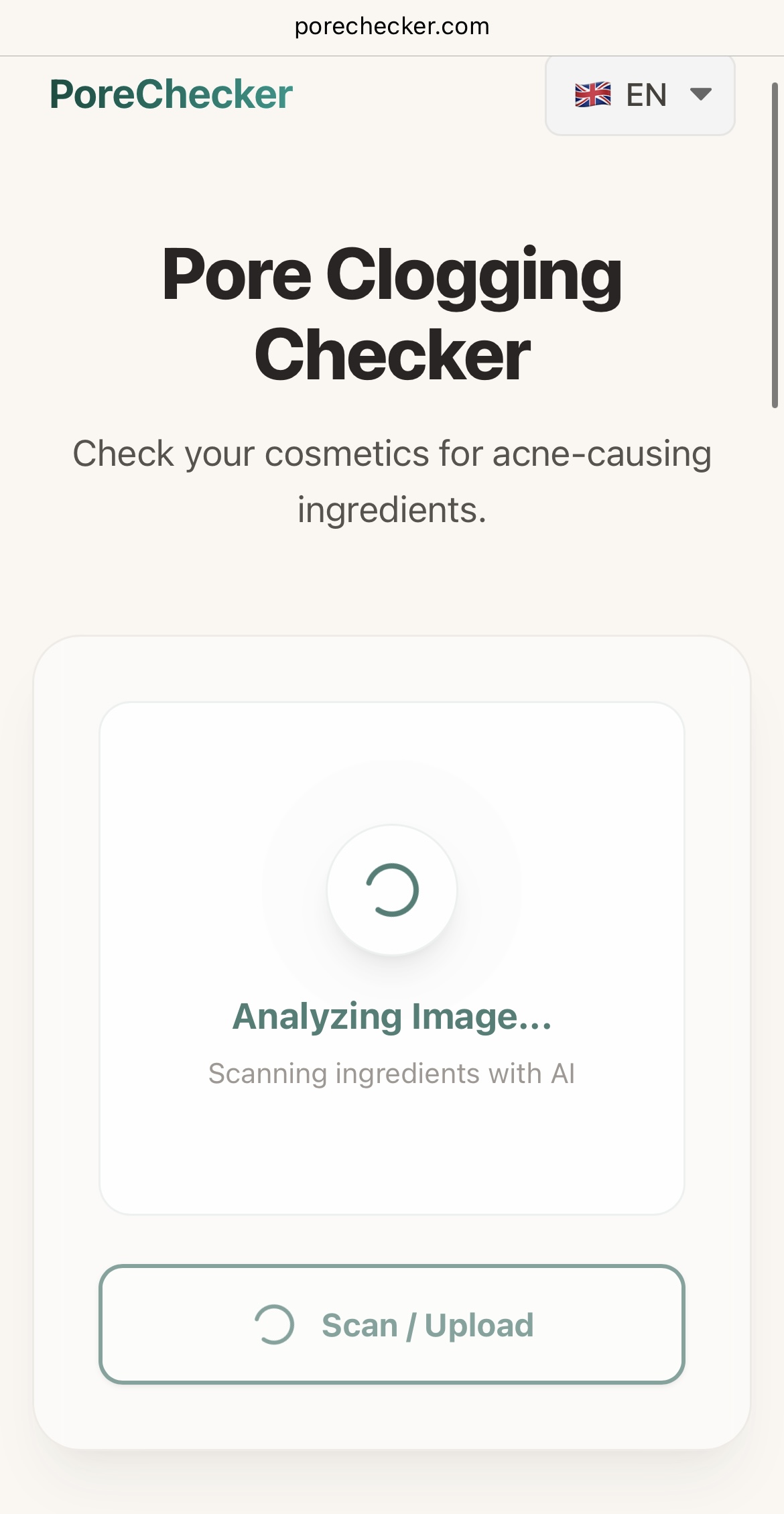
Step 2: Instant AI Ingredient Analysis
Our advanced AI scans the image, performs OCR (Optical Character Recognition), and matches every ingredient against our curated database of comedogenic substances.
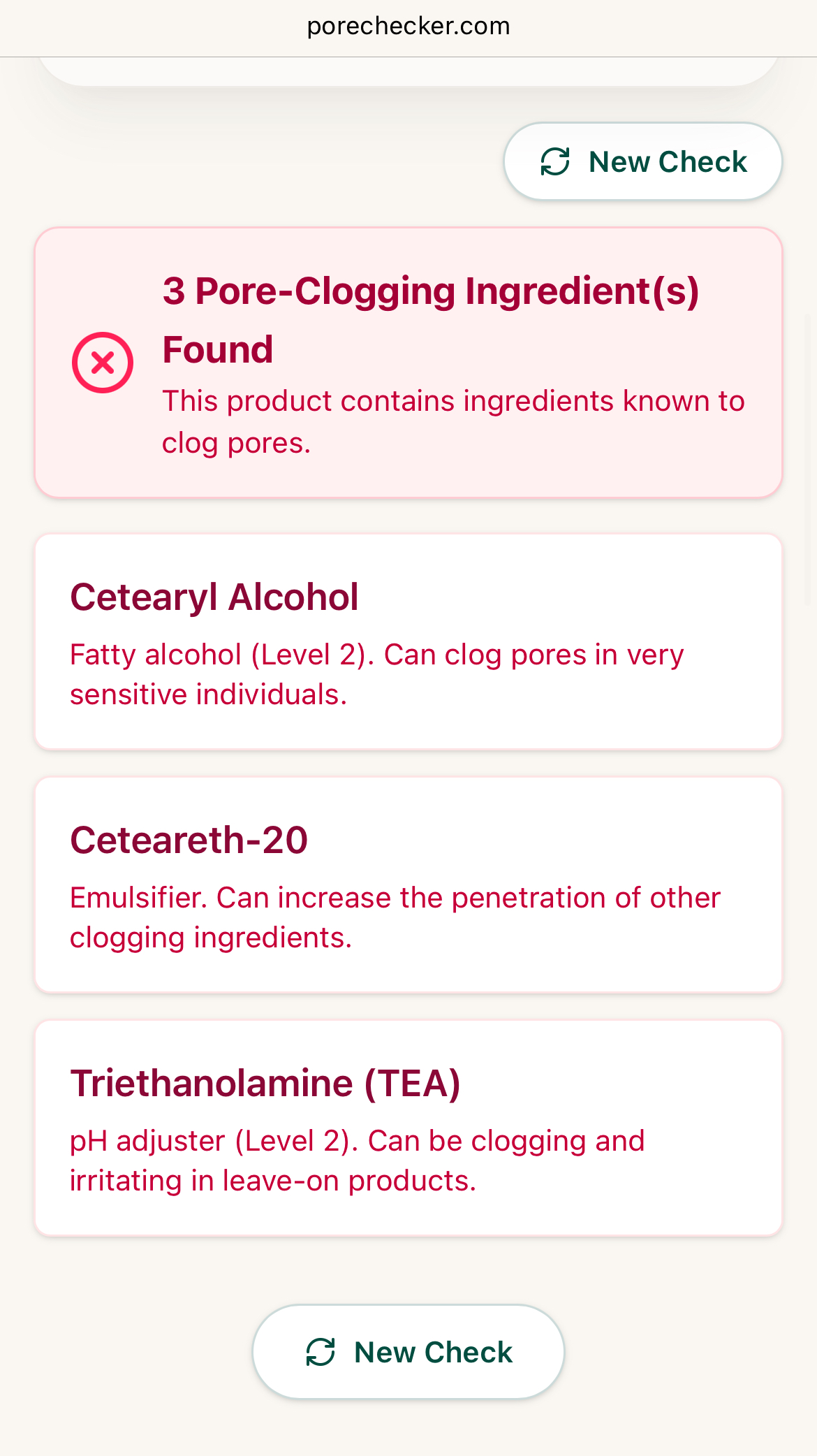
Step 3: Clear Results for Clearer Skin
You get an immediate breakdown. If any red-flag ingredients are found, we highlight them and explain why they might be problematic for your pores.
Does this product fit my skin's needs?
Check Your Products Now