How to Get Rid of Hormonal Acne: A Dermatologist's Guide to Clear Skin
Struggling with hormonal acne? Discover science-backed solutions to clear skin. Learn how to identify triggers and find effective treatments. Get your glow back!
Hormonal acne can be a frustrating and often painful experience, impacting both your skin and your confidence. As a dermatologist, I understand the emotional toll it can take. This article delves into the science behind hormonal acne, providing practical strategies and evidence-based treatments to help you regain control and achieve clearer, healthier skin. We'll focus on a holistic approach, emphasizing non-comedogenic skincare and lifestyle adjustments that can significantly reduce breakouts.
The key to managing hormonal acne lies in understanding its root causes. Fluctuations in hormones, particularly androgens like testosterone, stimulate the sebaceous glands to produce excess oil (sebum). This excess oil, combined with dead skin cells, clogs pores, creating the perfect environment for bacteria to thrive and trigger inflammation. We'll explore targeted treatments, from topical solutions to lifestyle changes, that address these underlying issues.
Remember, patience and consistency are crucial. Achieving clear skin is a journey, not a destination. Let's start with the building blocks.
Understanding the Root Causes of Hormonal Acne
Hormonal acne is primarily driven by hormonal imbalances, most commonly associated with the menstrual cycle, pregnancy, menopause, and conditions like polycystic ovary syndrome (PCOS). These hormonal shifts cause an overproduction of sebum, which, when combined with dead skin cells and bacteria, leads to clogged pores and inflammation. It's crucial to identify if these hormonal triggers are behind your breakouts.
The Role of Androgens
Androgens, such as testosterone, play a significant role. They stimulate the sebaceous glands, leading to increased sebum production. This excess sebum becomes trapped within pores, creating a breeding ground for bacteria (primarily *Cutibacterium acnes*) and causing inflammation. Managing androgen levels, through lifestyle and, sometimes, medication, is key.
Other Contributing Factors
While hormones are the primary culprit, other factors can exacerbate hormonal acne. Stress can increase cortisol levels, which can further stimulate sebum production. Diet, especially a diet high in processed foods and refined sugars, can also contribute to inflammation and breakouts. Lastly, certain skincare products containing pore-clogging ingredients can worsen the problem.
Effective Strategies for Clearer Skin
Addressing hormonal acne requires a multifaceted approach that includes both topical treatments and lifestyle adjustments. Focus on ingredients that are proven effective, and always use non-comedogenic products to prevent further pore blockages. Consistency is key, and it often takes time to see noticeable results.
Topical Treatments: Your First Line of Defense
Several topical treatments can effectively combat hormonal acne:
- Benzoyl Peroxide: This over-the-counter ingredient kills acne-causing bacteria. Start with a lower concentration (2.5% or 5%) to minimize irritation.
- Salicylic Acid: A beta-hydroxy acid (BHA) that exfoliates the skin, unclogs pores, and reduces inflammation.
- Retinoids: Derived from vitamin A, retinoids accelerate cell turnover, unclog pores, and reduce inflammation. Prescription-strength retinoids are more potent but often come with side effects.
- Azelaic Acid: This acid reduces inflammation, kills bacteria, and helps to reduce redness.
Lifestyle Adjustments for Healthy Skin
Lifestyle factors play a vital role in managing hormonal acne:
- Diet: Reduce your intake of processed foods, refined sugars, and dairy, as these can contribute to inflammation. Consider incorporating more anti-inflammatory foods like fruits, vegetables, and omega-3 fatty acids.
- Stress Management: Practice stress-reducing techniques like meditation, yoga, or deep breathing exercises. Chronic stress can worsen acne.
- Hydration: Drink plenty of water to keep your skin hydrated and help flush out toxins.
- Sleep: Prioritize getting adequate sleep. Sleep deprivation can disrupt hormone balance.
Medical Treatments (When Necessary)
In some cases, topical treatments and lifestyle changes may not be sufficient. Consider these options if your acne persists:
- Oral Contraceptives: Birth control pills containing estrogen and progestin can help regulate hormones and reduce acne in women.
- Spironolactone: This medication blocks androgen receptors, reducing sebum production.
- Isotretinoin (Accutane): A powerful oral retinoid reserved for severe acne. It requires careful monitoring due to potential side effects.
Don't Let Your Products Ruin Your Progress
You've started a new skincare routine, you’re eating healthier, and you’re managing your stress levels. You're doing everything right, but you're still not seeing the results you want. What gives? Sometimes, the very products you're using to treat your skin could be hindering your progress. Many skincare products contain ingredients that can clog pores, leading to new breakouts and frustration. These hidden pore-cloggers, often found in seemingly innocent moisturizers, cleansers, and even makeup, can sabotage your efforts to achieve clear skin. That's why carefully checking the ingredients list of everything you put on your face is crucial. By being informed about what you're putting on your skin, you can take control of your routine and increase your chances of getting rid of those pesky pimples for good.
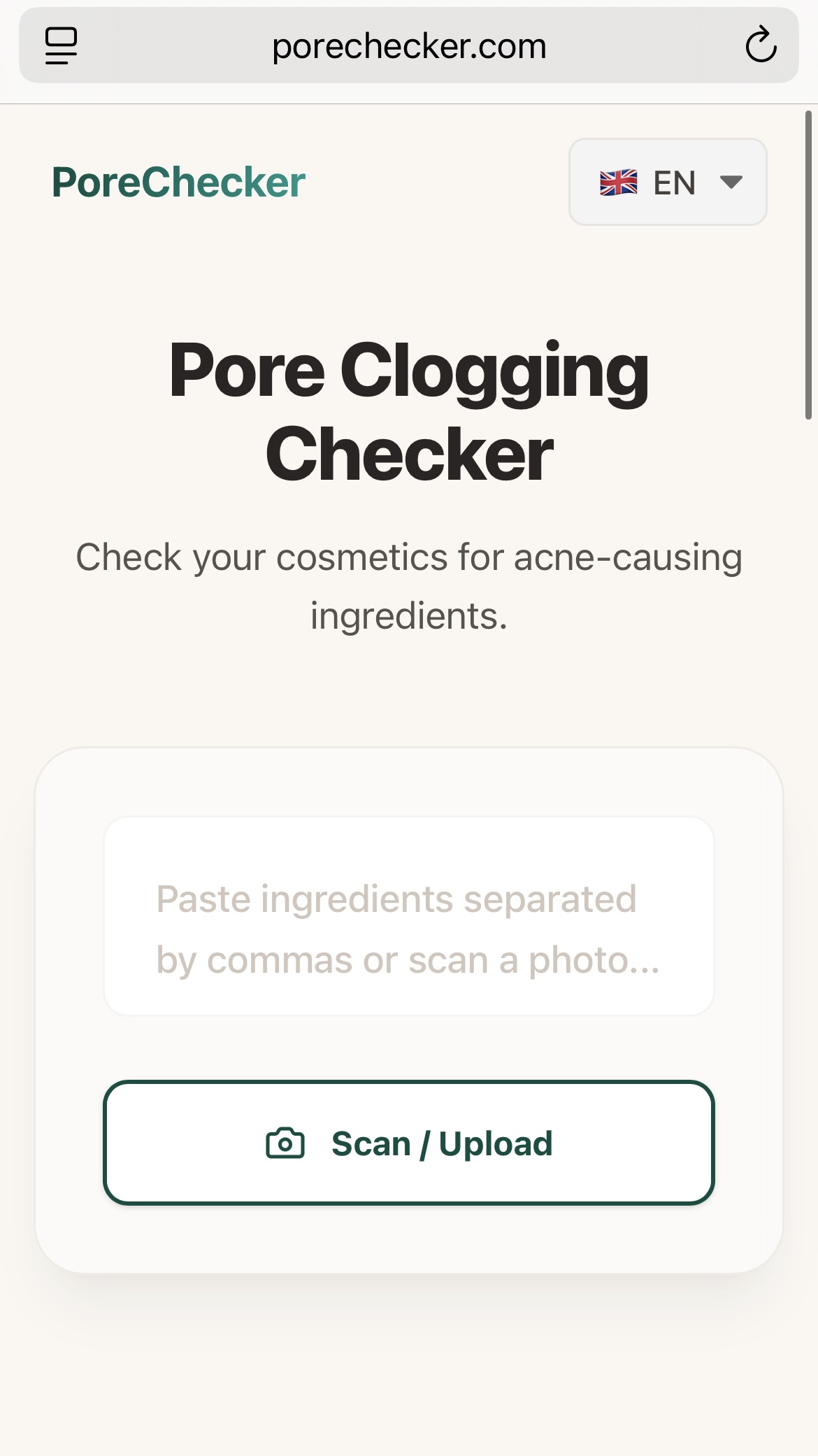
Step 1: Upload Your Product Image
Simply snap a photo of the ingredient list on the back of any bottle, jar, or box. No typing required.
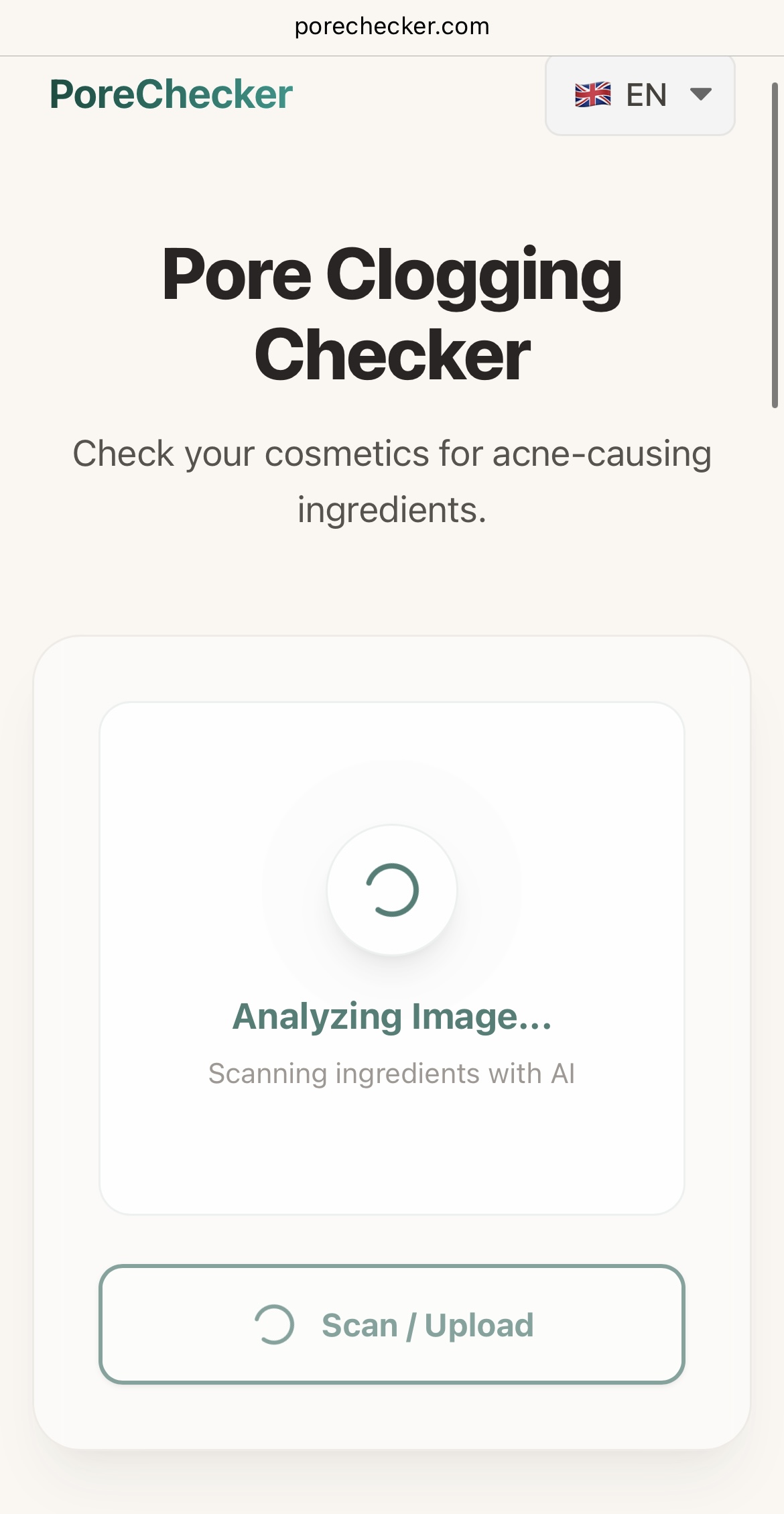
Step 2: Instant AI Ingredient Analysis
Our advanced AI scans the image, performs OCR (Optical Character Recognition), and matches every ingredient against our curated database of comedogenic substances.
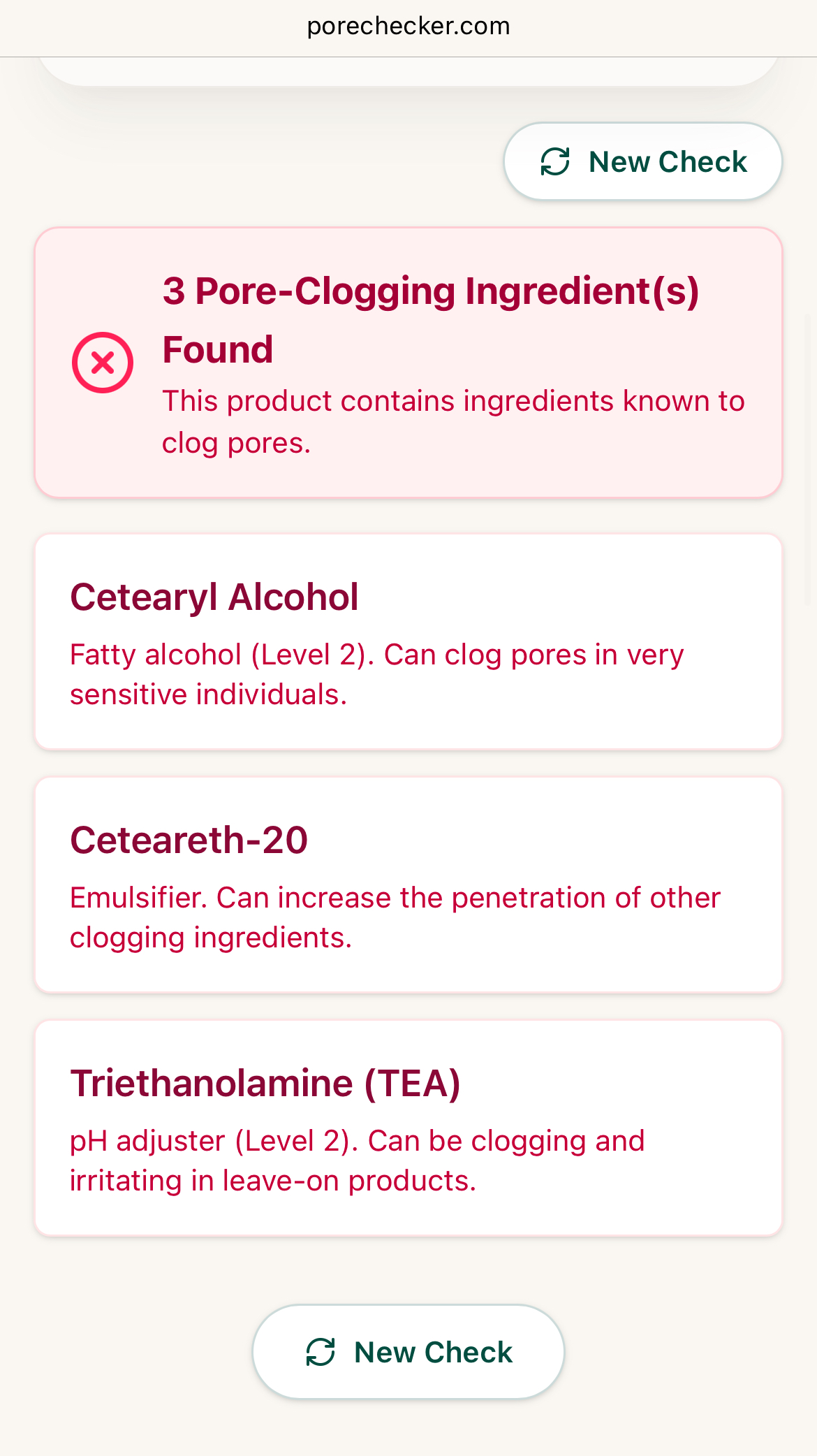
Step 3: Clear Results for Clearer Skin
You get an immediate breakdown. If any red-flag ingredients are found, we highlight them and explain why they might be problematic for your pores.
Does this product fit my skin's needs?
Check Your Products Now