How to Get Rid of Pores: A Dermatologist's Guide to Minimizing Their Appearance
Struggling with pores? A dermatologist's guide to how to get rid of pores and minimize their appearance. Actionable tips and product insights inside!
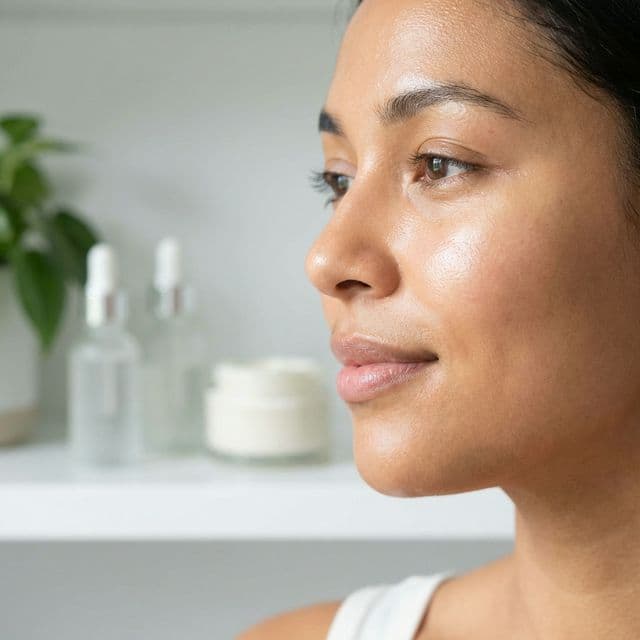
The quest for flawless skin often leads us down the rabbit hole of pore size. While we can't completely "get rid of" pores—they're essential for healthy skin function—we can significantly minimize their appearance and the issues they cause. This guide, based on scientific understanding and years of clinical experience, offers actionable strategies to refine your skincare routine and achieve a smoother, more radiant complexion. A key takeaway? Focus on non-comedogenic products, which are specifically formulated to avoid clogging pores.
Understanding the root causes of enlarged pores is the first step. Factors like genetics, sun damage, and increased oil production play a significant role. However, by adopting the right approach and consistently implementing effective routines, you can make a real difference. We'll explore evidence-based treatments and lifestyle changes that, combined, offer the best results.
The Science Behind Pores: What Causes Their Appearance?
Pores are essentially the openings of hair follicles on the skin's surface. They serve a crucial purpose: to release sebum (natural oil) and sweat. The visibility of pores varies depending on factors such as:
- Genetics: Just like eye color, pore size can be inherited.
- Age: As we age, the skin loses collagen and elastin, making pores appear more prominent.
- Sun Damage: UV exposure damages collagen and elastin, leading to enlarged pores.
- Excess Oil Production: Overactive sebaceous glands produce excess oil, which can mix with dead skin cells and clog pores, making them appear larger.
The Role of Sebum and Dead Skin Cells
Sebum, the skin's natural oil, is essential for hydration and protection. However, when overproduced, it can mix with dead skin cells, forming a plug within the pore. This plug expands the pore opening, making it appear larger and contributing to the formation of blackheads and whiteheads.
Effective Strategies: How to Get Rid of Pores and Minimize Their Appearance
Addressing the appearance of pores requires a multi-pronged approach. Here are the most effective strategies, backed by scientific evidence, to incorporate into your skincare routine:
1. Cleansing: The Foundation of Pore Care
A consistent and effective cleansing routine is paramount.
- Twice Daily Cleansing: Use a gentle, non-comedogenic cleanser morning and evening to remove dirt, oil, and impurities.
- Avoid Harsh Cleansers: Products containing sulfates can strip the skin of its natural oils, leading to increased oil production and potentially larger pores.
- Consider Double Cleansing: In the evening, try a double-cleansing method, using an oil-based cleanser first to remove makeup and then a gentle cleanser.
2. Exfoliation: Unclogging and Refining
Exfoliation is crucial for removing dead skin cells that can clog pores.
- Chemical Exfoliants: AHAs (like glycolic and lactic acid) and BHAs (salicylic acid) are highly effective. BHAs, in particular, are oil-soluble, allowing them to penetrate pores and dissolve sebum. Start slowly, once or twice a week, and gradually increase frequency as tolerated.
- Physical Exfoliation (Use with Caution): Gentle scrubs can help, but avoid harsh or abrasive products, as they can cause micro-tears in the skin and worsen inflammation.
- Frequency: Exfoliate 1-3 times a week, depending on your skin type and the strength of the exfoliant.
3. Retinoids: The Gold Standard for Pore Minimization
Retinoids, derived from Vitamin A, are considered the gold standard for reducing pore size and improving overall skin texture.
- Benefits: Retinoids increase cell turnover, unclog pores, stimulate collagen production, and reduce the appearance of fine lines and wrinkles.
- Types: Available in various strengths, from over-the-counter retinol to prescription-strength retinoids (like tretinoin).
- Usage: Start with a low concentration and apply a pea-sized amount to the face once or twice a week, gradually increasing frequency as tolerated. Use at night, and always apply sunscreen during the day.
4. Sun Protection: The Ultimate Preventative Measure
Sun damage is a major contributor to enlarged pores. Protect your skin daily with a broad-spectrum sunscreen with an SPF of 30 or higher. Look for non-comedogenic formulations that won't clog pores.
5. Hydration: Supporting Skin Health
Hydrated skin is healthy skin. Use a lightweight, oil-free moisturizer to keep your skin hydrated without contributing to pore-clogging. Look for ingredients like hyaluronic acid, which attract and retain moisture.
Don't Let Your Products Ruin Your Progress
It's easy to focus on active ingredients and techniques, but don't overlook a crucial element: your products' ingredients. Many seemingly beneficial skincare products contain ingredients that can exacerbate pore issues, leading to breakouts and an overall worsening of skin texture. Identifying and avoiding these hidden pore-cloggers is a critical step in your journey to clearer skin. That's why carefully scrutinizing the ingredients list of every product, and understanding what to look out for, is vital for long-term success. Consider using a tool that analyzes product formulations, ensuring your efforts are supported, not sabotaged, by what you put on your skin.
Step 1: Upload Your Product Image
Simply snap a photo of the ingredient list on the back of any bottle, jar, or box. No typing required.

Step 2: Instant AI Ingredient Analysis
Our advanced AI scans the image, performs OCR (Optical Character Recognition), and matches every ingredient against our curated database of comedogenic substances.

Step 3: Clear Results for Clearer Skin
You get an immediate breakdown. If any red-flag ingredients are found, we highlight them and explain why they might be problematic for your pores.
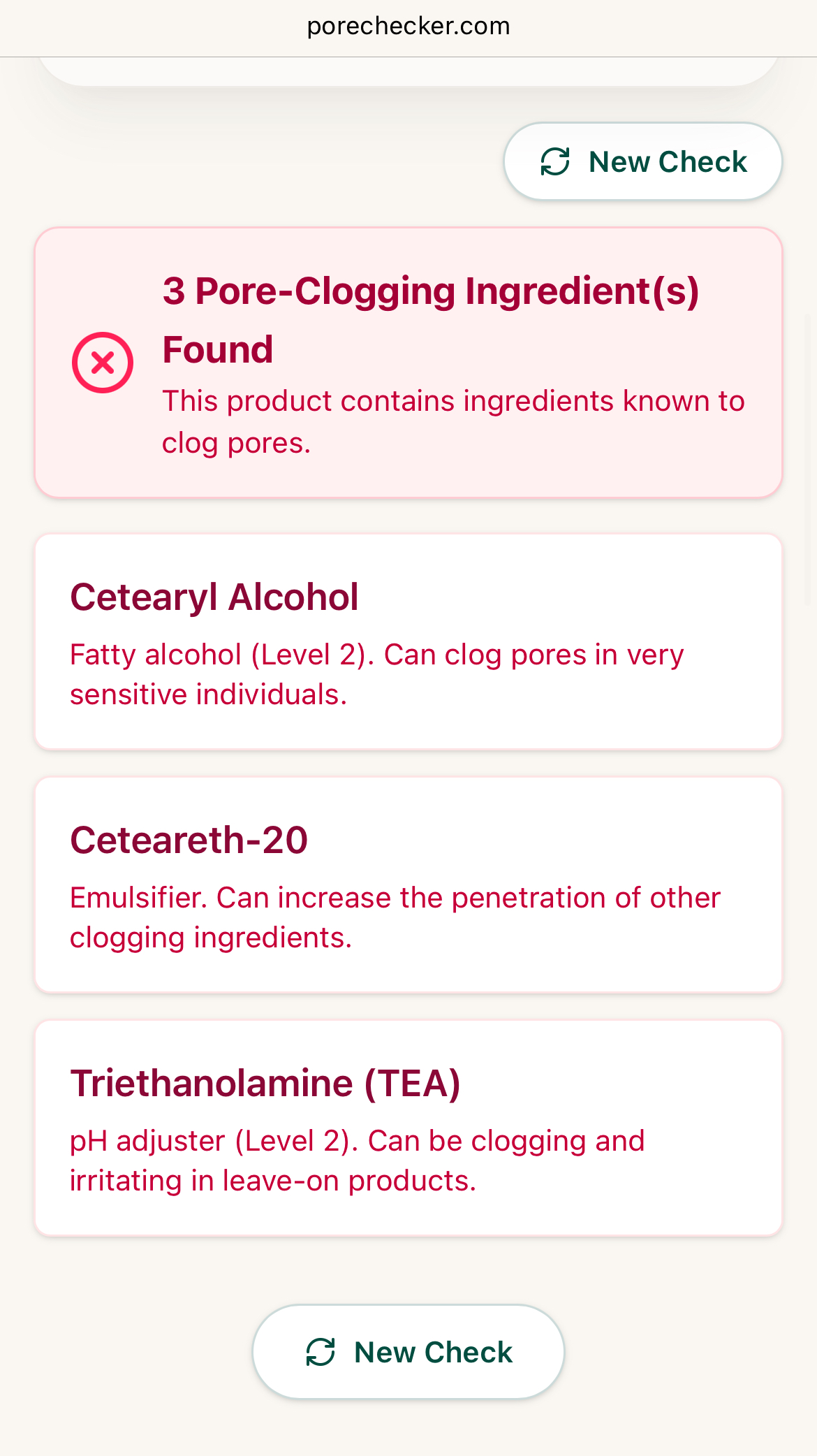
Does this product fit my skin's needs?
Check Your Products Now