How to Minimize Pores: Your Expert Guide to a Flawless Complexion
Struggling with enlarged pores? Discover science-backed strategies on how to minimize pores, from cleansing to treatment. Get expert advice for achieving a smoother complexion.
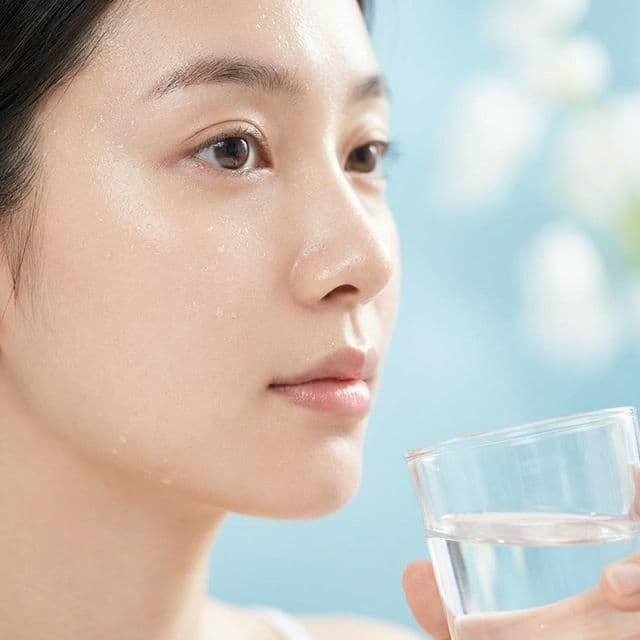
The quest for smooth, flawless skin often leads us down a path of product trials and skincare experimentation. While the size of your pores is largely determined by genetics, sun exposure, and age, there's a lot you can do to minimize their appearance and maintain a healthy, radiant complexion. This article delves into the science behind pores and provides actionable steps you can incorporate into your routine to achieve your skin goals. A crucial aspect of this journey is understanding the importance of non-comedogenic products – those formulated to avoid clogging pores in the first place.
Clogged pores are the root cause of many skin concerns, including blackheads, whiteheads, and acne. The key is to address the underlying issues: excess oil production, dead skin cell buildup, and the use of unsuitable products. By adopting a consistent, science-backed approach to your skincare routine, you can significantly reduce the visibility of pores and achieve a smoother, more refined skin texture. Remember, patience and consistency are key.
Let's explore practical ways to minimize pores and transform your skin.
Understanding Your Pores: The Science Behind It
Pores are tiny openings on the skin's surface that release oil (sebum) produced by sebaceous glands. They are essential for keeping the skin moisturized and protected. However, several factors can cause pores to appear larger. These include: increased sebum production (often due to genetics, hormones, or climate), loss of collagen and elastin (related to aging and sun damage), and the presence of debris such as dead skin cells and makeup. Effectively minimizing pores requires addressing these underlying causes.
The Role of Genetics and Aging
Your genetic makeup plays a significant role in determining the size and visibility of your pores. If your parents or close relatives have larger pores, you're more likely to have them too. Additionally, as we age, our skin loses collagen and elastin, which support the skin's structure and keep pores tight. This loss of support can make pores appear more prominent. While you can't change your genes, you can implement strategies to manage these factors.
Sun Damage: A Silent Culprit
Prolonged sun exposure damages collagen and elastin, leading to a loss of skin elasticity and making pores appear larger. Sunscreen is your first line of defense! Choose a broad-spectrum sunscreen with an SPF of 30 or higher and apply it daily, even on cloudy days.
Effective Strategies to Minimize Pores
Cleansing and Exfoliation: Your Daily Routine
A consistent cleansing and exfoliation routine is crucial for keeping pores clear. Wash your face twice daily with a gentle, non-comedogenic cleanser to remove impurities, excess oil, and makeup. Exfoliation helps remove dead skin cells that can clog pores. Choose exfoliants containing ingredients like salicylic acid (a beta-hydroxy acid, or BHA) or glycolic acid (an alpha-hydroxy acid, or AHA). Start with a lower concentration and frequency (e.g., once or twice a week) and gradually increase as tolerated.
Targeted Treatments: Serums and Masks
Incorporate pore-minimizing serums into your routine. Look for ingredients like retinoids (vitamin A derivatives), which promote cell turnover and collagen production, and niacinamide (vitamin B3), which helps regulate oil production and minimize pore size. Clay masks can also be beneficial as they absorb excess oil and impurities. Use these treatments 1-3 times a week, depending on your skin's sensitivity.
Hydration and Moisturizing: The Balancing Act
While it might seem counterintuitive to moisturize oily skin, hydration is essential. Dehydrated skin can produce more oil to compensate, potentially making pores appear larger. Choose a lightweight, non-comedogenic moisturizer to keep your skin balanced. Look for products that contain hyaluronic acid, which attracts and retains moisture without clogging pores.
Lifestyle Adjustments: What You Eat and Drink
A healthy lifestyle supports healthy skin. Drink plenty of water to hydrate your skin from the inside out. Maintain a balanced diet rich in fruits, vegetables, and antioxidants. These lifestyle choices promote overall skin health and can indirectly help minimize the appearance of pores.
Hidden Pore-Cloggers: Be Aware!
Certain ingredients can clog pores, even in products that claim to be non-comedogenic. Common culprits include heavy oils, certain silicones, and thick emollients. Always read the ingredient list and be mindful of what you're putting on your skin.
Don't Let Your Products Ruin Your Progress
You've diligently followed the tips to minimize pores, investing time and effort into your routine. But what if the very products you're using are sabotaging your efforts? Many skincare products, despite their claims, contain ingredients that can clog pores and worsen their appearance. It's time to take control and ensure your products align with your goals. The next step is knowing how to identify and avoid those sneaky pore-cloggers, which is where a reliable tool becomes invaluable.
Step 1: Upload Your Product Image
Simply snap a photo of the ingredient list on the back of any bottle, jar, or box. No typing required.

Step 2: Instant AI Ingredient Analysis
Our advanced AI scans the image, performs OCR (Optical Character Recognition), and matches every ingredient against our curated database of comedogenic substances.

Step 3: Clear Results for Clearer Skin
You get an immediate breakdown. If any red-flag ingredients are found, we highlight them and explain why they might be problematic for your pores.
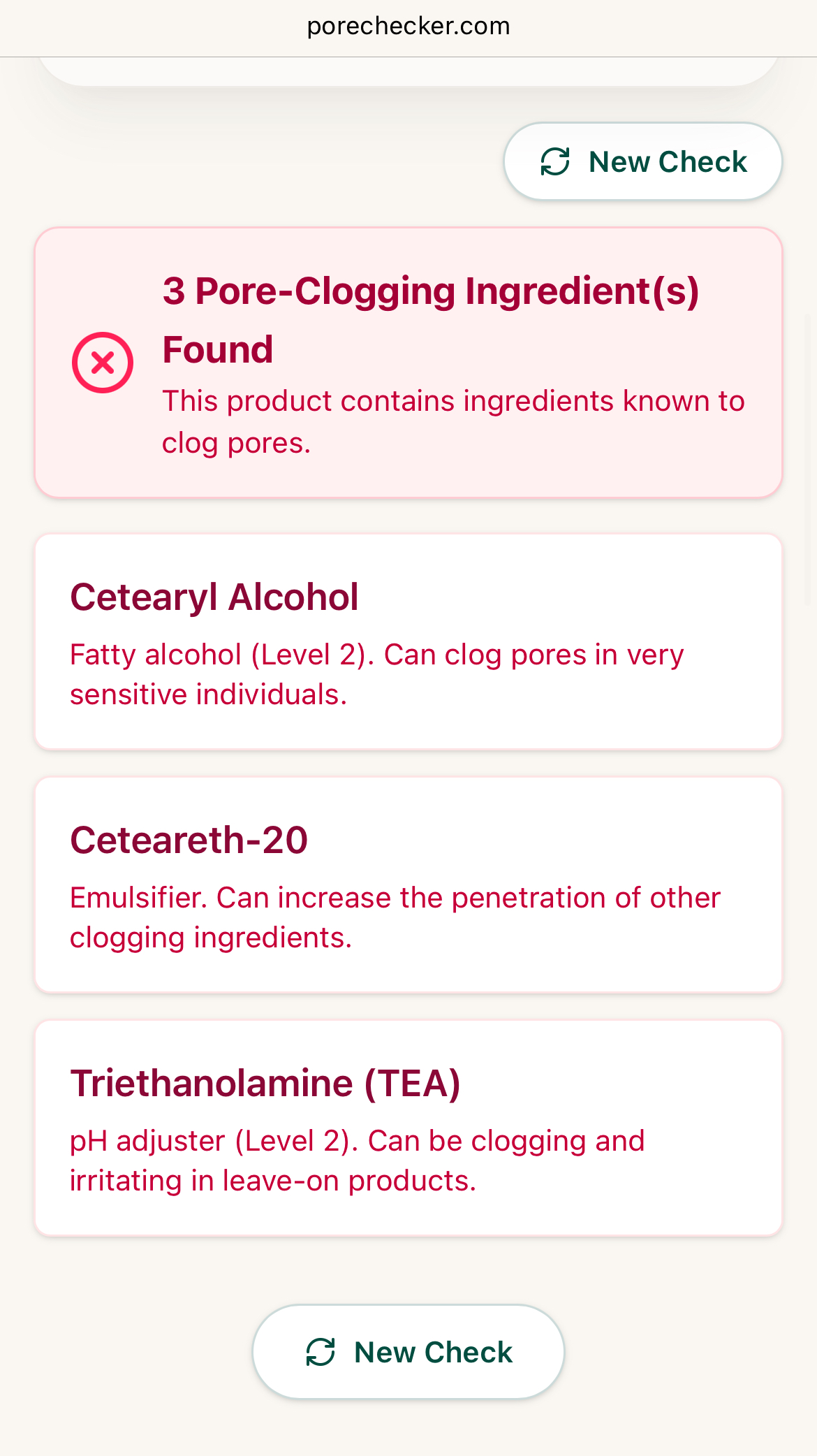
Does this product fit my skin's needs?
Check Your Products Now