How to Remove Acne Scars: Your Path to Smoother Skin
Learn how to remove acne scars effectively. Expert tips on treatments, ingredients, and skincare routines for smoother, clearer skin. Get your glow back!
Acne scars can be a persistent reminder of past breakouts, impacting not only your skin's appearance but also your self-confidence. The good news? You don’t have to live with them. Modern skincare offers a range of effective treatments to minimize and, in many cases, completely remove acne scars. Understanding the different types of scars and how they form is the first step toward crafting a personalized plan for smoother, healthier skin. A key aspect of any successful treatment is a commitment to a non-comedogenic skincare routine. This will prevent new breakouts and exacerbate scarring, therefore it’s vital to address this from the beginning.
This journey requires patience and consistency, but the results are often transformative. This article dives into the science-backed methods for addressing acne scars, from at-home remedies to professional treatments. We’ll explore the underlying causes of scarring, the various types of scars, and, most importantly, the actionable steps you can take to achieve a clearer complexion. Let's begin your path to renewed skin!
Understanding Acne Scars: The Basics
Acne scars are the result of inflammation within the skin's deeper layers. When a pimple forms, it causes a disruption in the skin's structure. If this inflammation is severe or prolonged, it can damage collagen, the protein responsible for skin’s firmness and structure. The body then attempts to repair this damage, but the repair process isn't always perfect, leading to visible scars.
Types of Acne Scars
Not all acne scars are created equal. Different types of scars require different treatment approaches. Here's a breakdown:
- Atrophic Scars: These are the most common type and appear as depressions in the skin. They include:
- Ice pick scars: Narrow, deep scars.
- Boxcar scars: Wider, box-like depressions.
- Rolling scars: Undulating scars that give the skin a wave-like appearance.
- Hypertrophic Scars: Raised scars, often red or purple, caused by an overproduction of collagen. They tend to stay within the boundaries of the original acne lesion.
- Keloid Scars: Similar to hypertrophic scars, but they extend beyond the original acne lesion's boundaries and can grow quite large.
Effective Treatments to Remove Acne Scars
The best approach to remove acne scars depends on the type and severity. A dermatologist can help you create a tailored plan. Here are some of the most effective treatments:
Professional Treatments
These treatments are typically performed by a dermatologist or a qualified skincare professional:
- Laser Resurfacing: Uses lasers to remove the top layers of damaged skin, stimulating collagen production and improving skin texture.
- Chemical Peels: Applied to the skin to exfoliate the top layers, reducing the appearance of scars. Deeper peels can be more effective for severe scars.
- Microneedling: Creates tiny punctures in the skin to stimulate collagen production. Often combined with radiofrequency for enhanced results.
- Dermal Fillers: Injected to plump up atrophic scars, making them less noticeable.
- Subcision: A procedure where a needle is inserted under the scar to break up the fibrous bands that cause the depression.
At-Home Treatments
While professional treatments offer the most dramatic results, some at-home remedies can also help improve the appearance of acne scars:
- Topical Retinoids: These vitamin A derivatives promote cell turnover and collagen production, reducing the appearance of scars. Start with a low concentration and gradually increase as tolerated.
- Alpha Hydroxy Acids (AHAs) and Beta Hydroxy Acids (BHAs): Chemical exfoliants that can help smooth skin texture and reduce the appearance of scars.
- Vitamin C Serums: Known for their antioxidant properties, vitamin C can help brighten the skin and promote collagen production.
- Silicone Sheets or Gels: These can help flatten and soften raised scars, especially hypertrophic and keloid scars.
Skincare Routine Essentials: Preventing Further Scarring
Preventing further scarring is just as important as treating existing scars. Here are the key elements of a scar-friendly skincare routine:
- Gentle Cleansing: Use a mild, non-irritating cleanser to remove dirt and oil without stripping the skin.
- Hydration: Moisturize daily to maintain the skin's barrier function and promote healing. Look for products containing hyaluronic acid or ceramides.
- Sun Protection: Always wear a broad-spectrum sunscreen with an SPF of 30 or higher. Sun exposure can worsen the appearance of scars.
- Avoid Picking and Popping: Resist the temptation to pick or squeeze pimples, as this can worsen inflammation and lead to scarring.
- Regular Exfoliation (with caution): Incorporate gentle exfoliation with AHAs or BHAs 1-2 times per week to help shed dead skin cells and promote cell turnover.
Hidden Pore Cloggers: What To Avoid
Many skincare products contain ingredients that can clog pores and trigger new breakouts, potentially leading to more scarring. Pay close attention to product labels and look for non-comedogenic and oil-free formulas. Certain ingredients, like mineral oil, some types of silicones, and heavy waxes, are notorious for clogging pores. Be wary of products with a long list of ingredients; the more ingredients, the higher the chance of encountering a pore-clogging culprit. Similarly, fragrances and certain essential oils can also irritate the skin and lead to breakouts.
Don't Let Your Products Ruin Your Progress
You've invested time and effort in understanding acne scars and embarking on a treatment journey. However, all your hard work can be undermined if the products you use aren't carefully chosen. The very ingredients designed to improve your skin's appearance can, in fact, contain elements that clog pores and worsen acne. That's why scrutinizing your current skincare regimen is essential. One of the most effective ways to ensure your products are truly working for your skin and not against it is to meticulously check their ingredient lists for potential pore-cloggers.
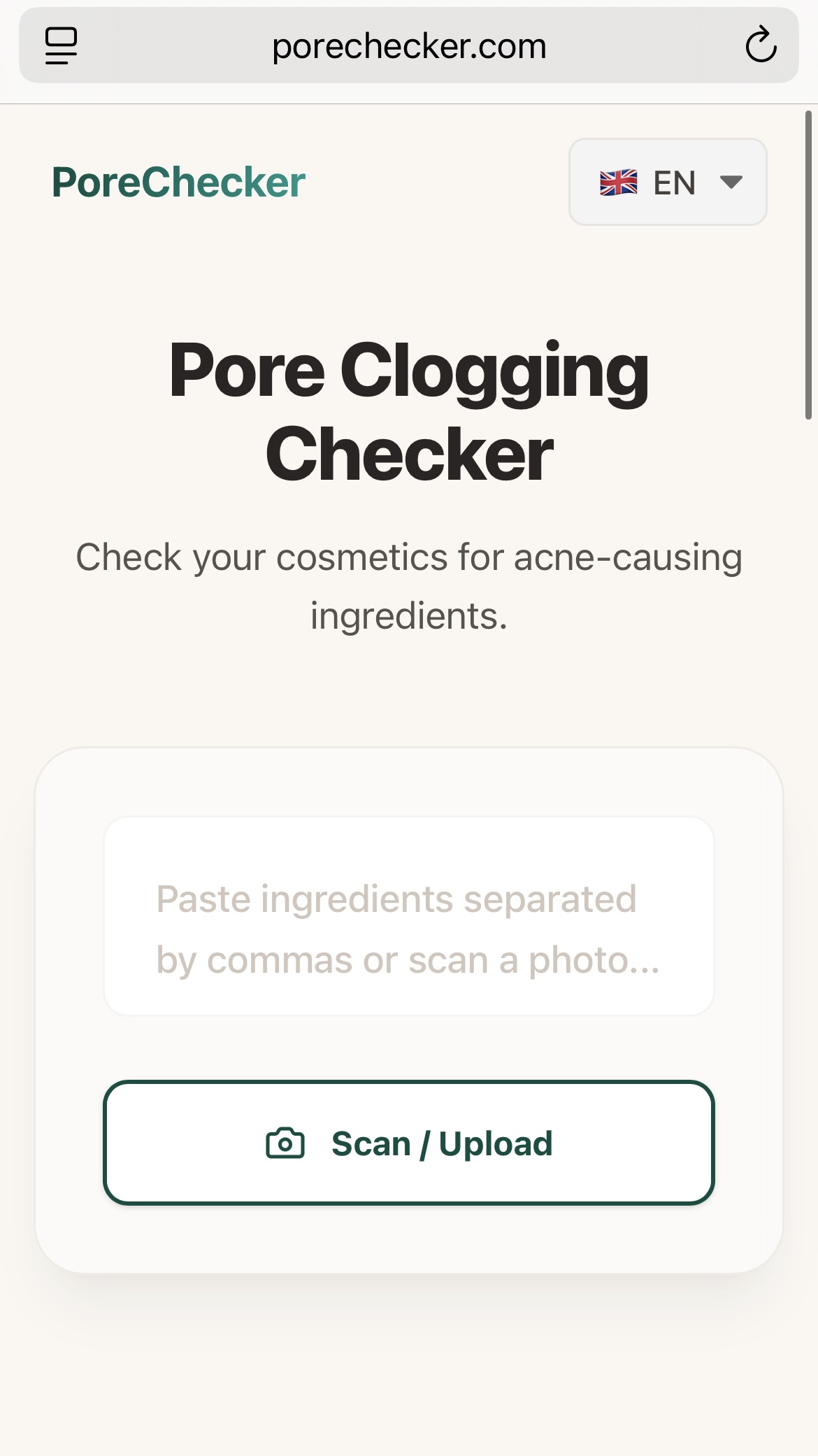
Step 1: Upload Your Product Image
Simply snap a photo of the ingredient list on the back of any bottle, jar, or box. No typing required.
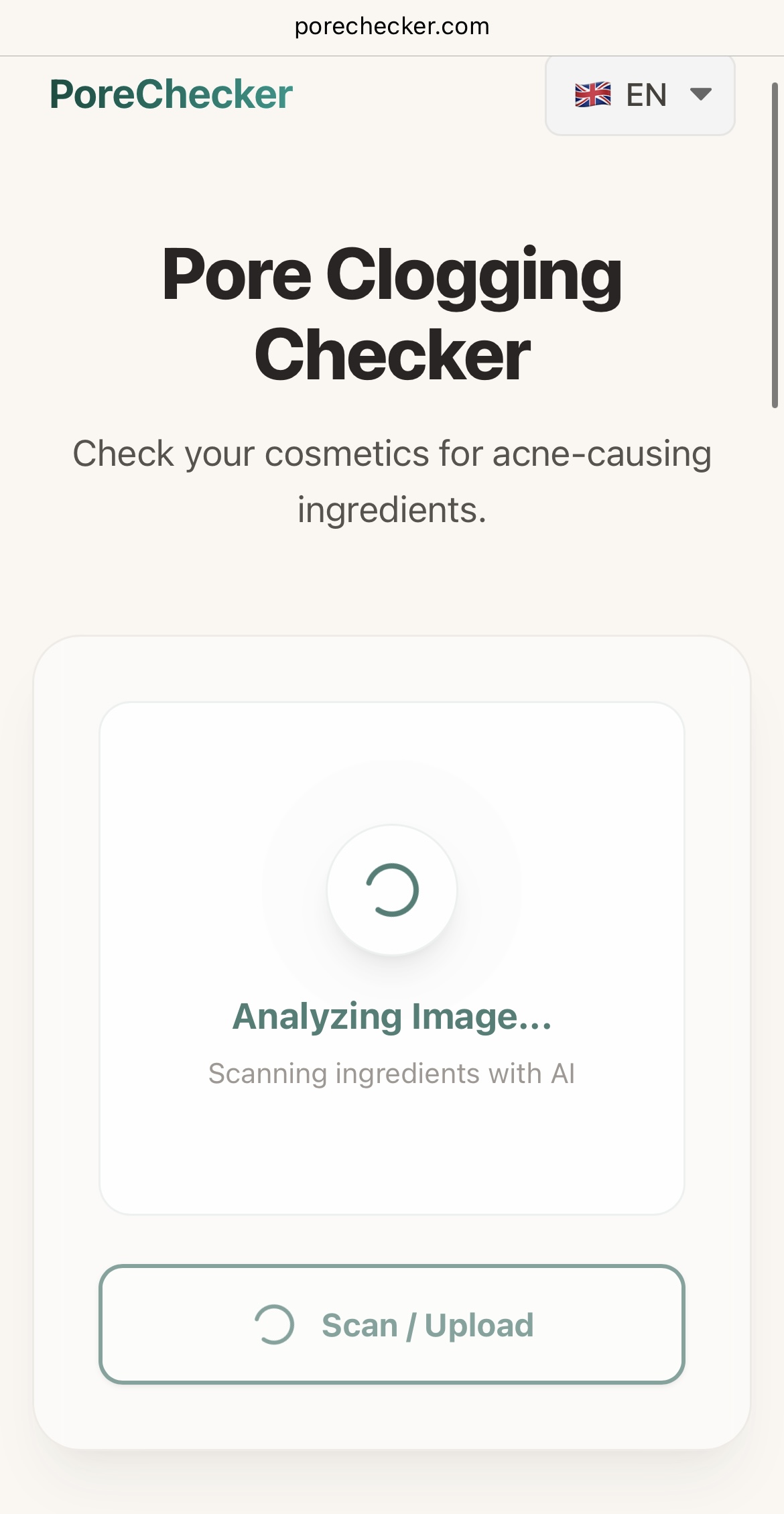
Step 2: Instant AI Ingredient Analysis
Our advanced AI scans the image, performs OCR (Optical Character Recognition), and matches every ingredient against our curated database of comedogenic substances.
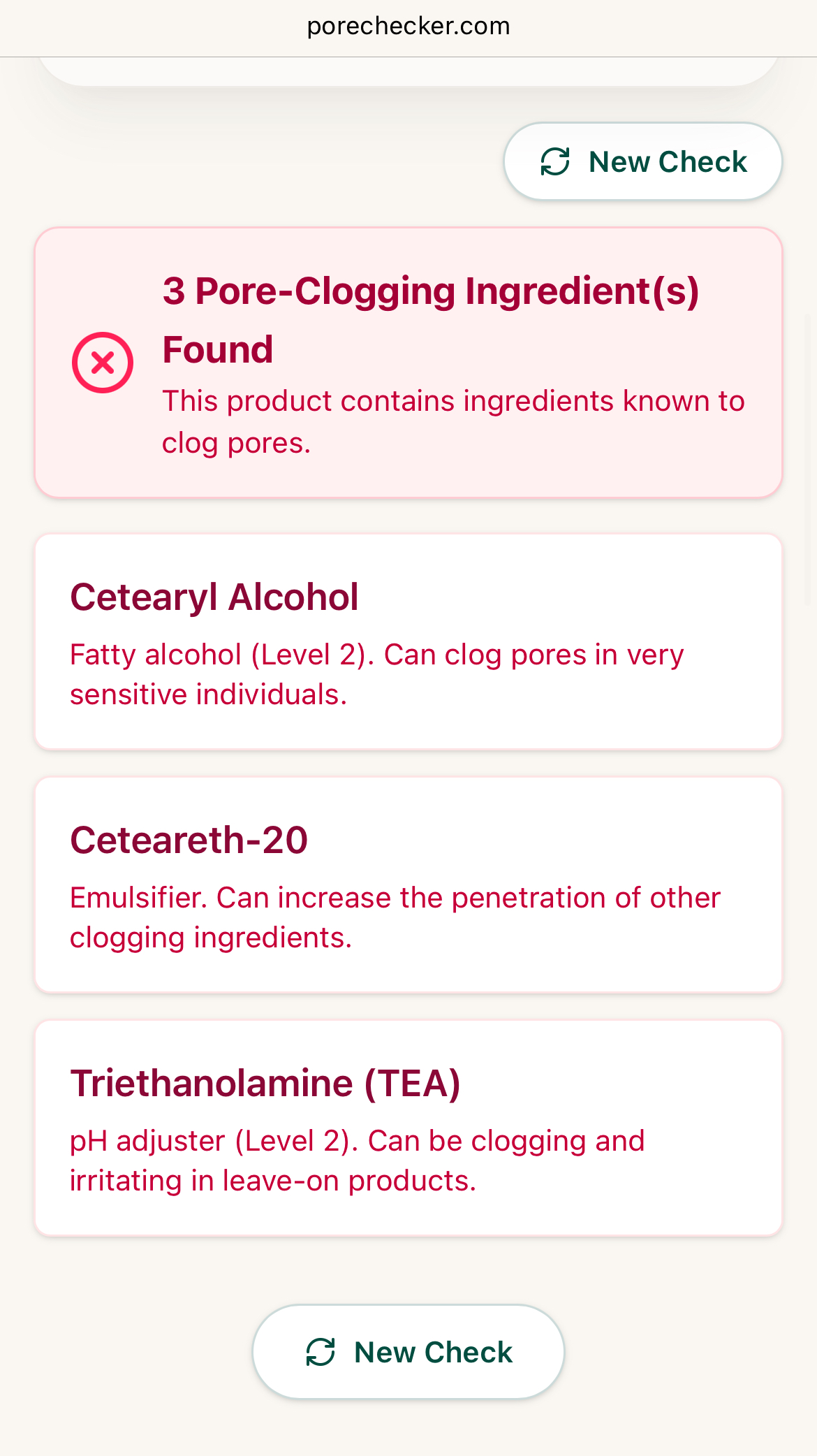
Step 3: Clear Results for Clearer Skin
You get an immediate breakdown. If any red-flag ingredients are found, we highlight them and explain why they might be problematic for your pores.
Does this product fit my skin's needs?
Check Your Products Now