How to Treat Hormonal Acne: A Dermatologist's Guide to Clear Skin
Struggling with hormonal acne? Get expert advice on how to treat hormonal acne from a dermatologist. Learn about effective skincare routines and ingredients.
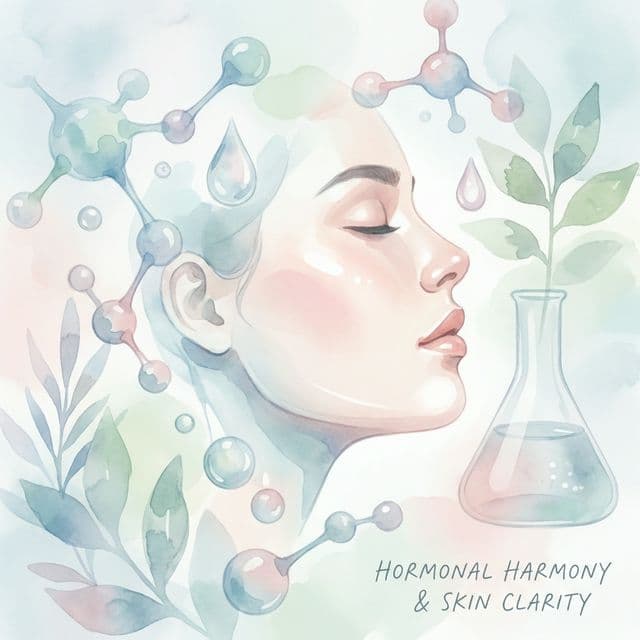
Hormonal acne can be a frustrating and persistent skin condition. Characterized by breakouts that often flare up around the chin and jawline, it's frequently linked to fluctuations in hormone levels. While hormonal shifts are a natural part of life, they can trigger an overproduction of oil, leading to clogged pores and the development of acne. Understanding the root causes is the first step toward effective management.
The good news is that with a targeted skincare approach, you can significantly improve your skin's clarity and reduce the frequency and severity of breakouts. This guide provides science-backed strategies for how to treat hormonal acne, focusing on gentle yet effective routines and ingredients. A crucial aspect of this approach is to prioritize non-comedogenic products, meaning they won't clog your pores and worsen your acne.
This guide is your resource for understanding and managing hormonal acne. We'll explore various treatment options, from topical solutions to lifestyle adjustments, empowering you to take control of your skin health.
Understanding the Hormonal Acne Cycle
Hormonal acne is primarily driven by androgen hormones, such as testosterone. These hormones can cause the sebaceous glands to produce excess sebum (oil). This excess oil, combined with dead skin cells, can clog pores, creating the perfect environment for acne-causing bacteria (Cutibacterium acnes) to thrive. This leads to inflammation and the formation of pimples, blackheads, and whiteheads.
Hormonal fluctuations often occur during menstruation, pregnancy, and menopause in women. Men can also experience hormonal acne, particularly during puberty or due to underlying health conditions. Identifying the triggers for your specific breakouts is key to a personalized treatment plan.
Common Hormonal Acne Triggers
- Menstrual Cycle: Fluctuations in estrogen and progesterone levels.
- Pregnancy: Significant hormonal shifts throughout all trimesters.
- Polycystic Ovary Syndrome (PCOS): An underlying hormonal imbalance.
- Medications: Certain medications, like corticosteroids, can trigger acne.
- Stress: Can increase cortisol levels, which can indirectly affect hormone balance.
Skincare Strategies: How to Treat Hormonal Acne
Effective skincare is the cornerstone of how to treat hormonal acne. A consistent and well-formulated routine can help manage oil production, unclog pores, and reduce inflammation. Here’s a step-by-step approach:
1. Gentle Cleansing
Use a gentle, non-comedogenic cleanser twice daily. Look for cleansers that contain ingredients like salicylic acid or benzoyl peroxide, which can help to exfoliate and reduce acne-causing bacteria. Avoid harsh soaps that can strip the skin of its natural oils, leading to more oil production.
2. Targeted Treatments
Apply targeted treatments after cleansing and before moisturizing. Consider the following ingredients, which are known to be effective in treating hormonal acne:
- Salicylic Acid: A beta-hydroxy acid (BHA) that exfoliates and unclogs pores.
- Benzoyl Peroxide: Kills acne-causing bacteria. Start with a lower concentration (2.5% or 5%) to minimize irritation.
- Retinoids: Derived from vitamin A, retinoids promote cell turnover and prevent clogged pores. Available both over-the-counter (retinol) and by prescription (tretinoin, adapalene).
- Azelaic Acid: An anti-inflammatory agent with antibacterial properties, helpful for reducing redness and acne marks.
3. Hydration & Moisturizing
Even if you have oily skin, moisturizing is essential. Look for lightweight, oil-free moisturizers that won't clog your pores. Hydration helps maintain the skin's barrier function, protecting it from irritation and supporting healing. Ingredients like hyaluronic acid are beneficial.
4. Sun Protection
Always wear a broad-spectrum sunscreen with an SPF of 30 or higher. Many acne treatments can increase your skin's sensitivity to the sun. Choose a non-comedogenic sunscreen to avoid worsening breakouts.
Beyond Skincare: Lifestyle Adjustments
Skincare is only one aspect of how to treat hormonal acne. Certain lifestyle adjustments can also make a significant difference.
Diet
While there's no single "acne diet," some studies suggest that a diet low in processed foods, sugar, and dairy might help. Focus on a balanced diet rich in fruits, vegetables, and whole grains. Staying hydrated is also very important.
Stress Management
Chronic stress can exacerbate acne. Incorporate stress-reducing activities into your routine, such as exercise, yoga, meditation, or spending time in nature.
Professional Help
If over-the-counter treatments aren't providing adequate results, consult with a dermatologist. They can prescribe stronger medications, such as oral contraceptives (for women), spironolactone, or isotretinoin, depending on the severity and underlying causes of your acne.
Don't Let Your Products Ruin Your Progress
You've learned how to treat hormonal acne with a comprehensive skincare routine and lifestyle adjustments, but your efforts can be undermined by hidden pore-clogging ingredients in your products. Many seemingly innocuous skincare items, including cleansers, moisturizers, and even sunscreens, contain ingredients that can contribute to breakouts. These ingredients are often not immediately obvious. To make sure you're not sabotaging your skin's progress, it's crucial to identify these potential pore-cloggers. Fortunately, there are tools available to help you quickly assess the safety of your products.
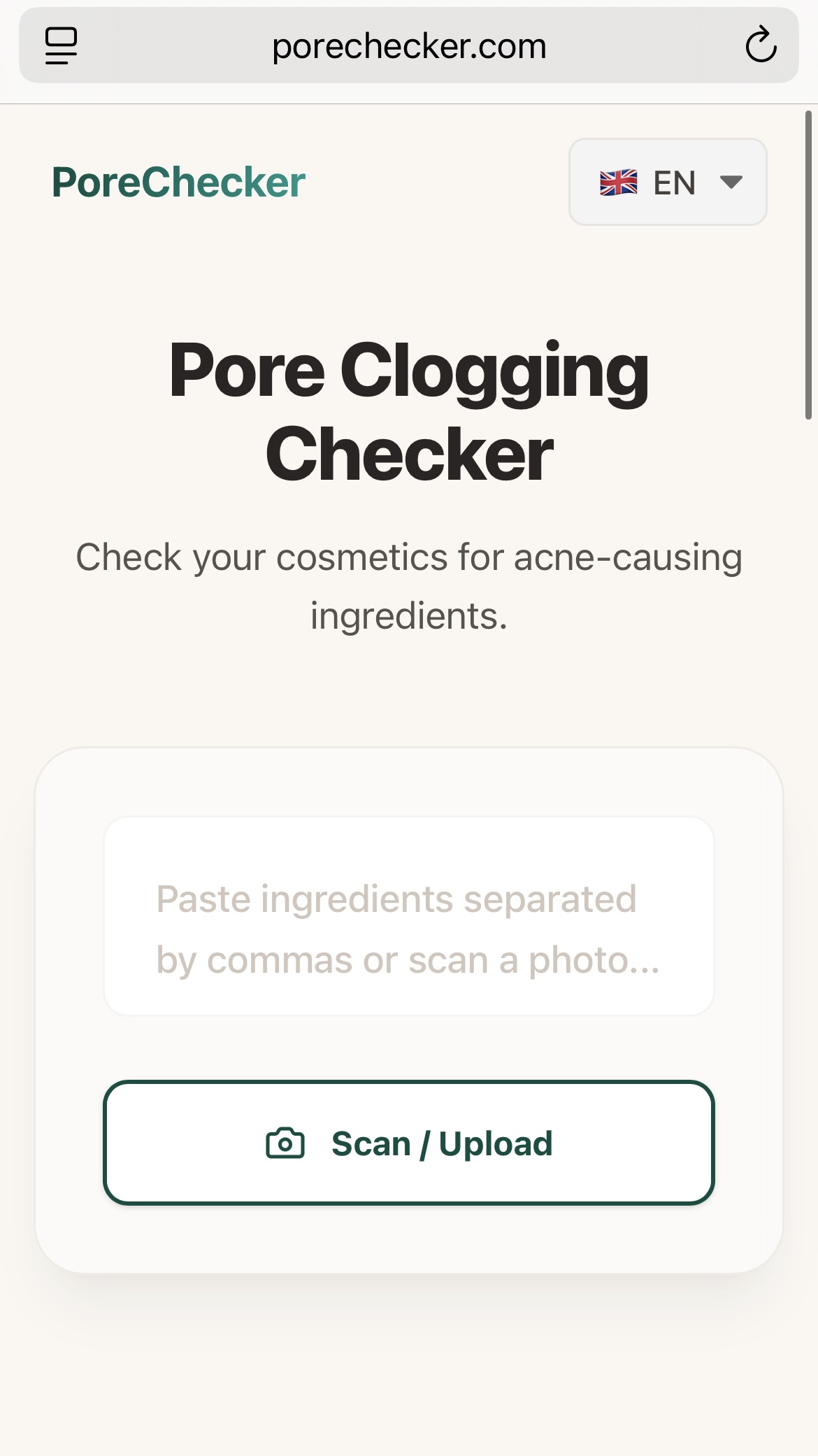
Step 1: Upload Your Product Image
Simply snap a photo of the ingredient list on the back of any bottle, jar, or box. No typing required.
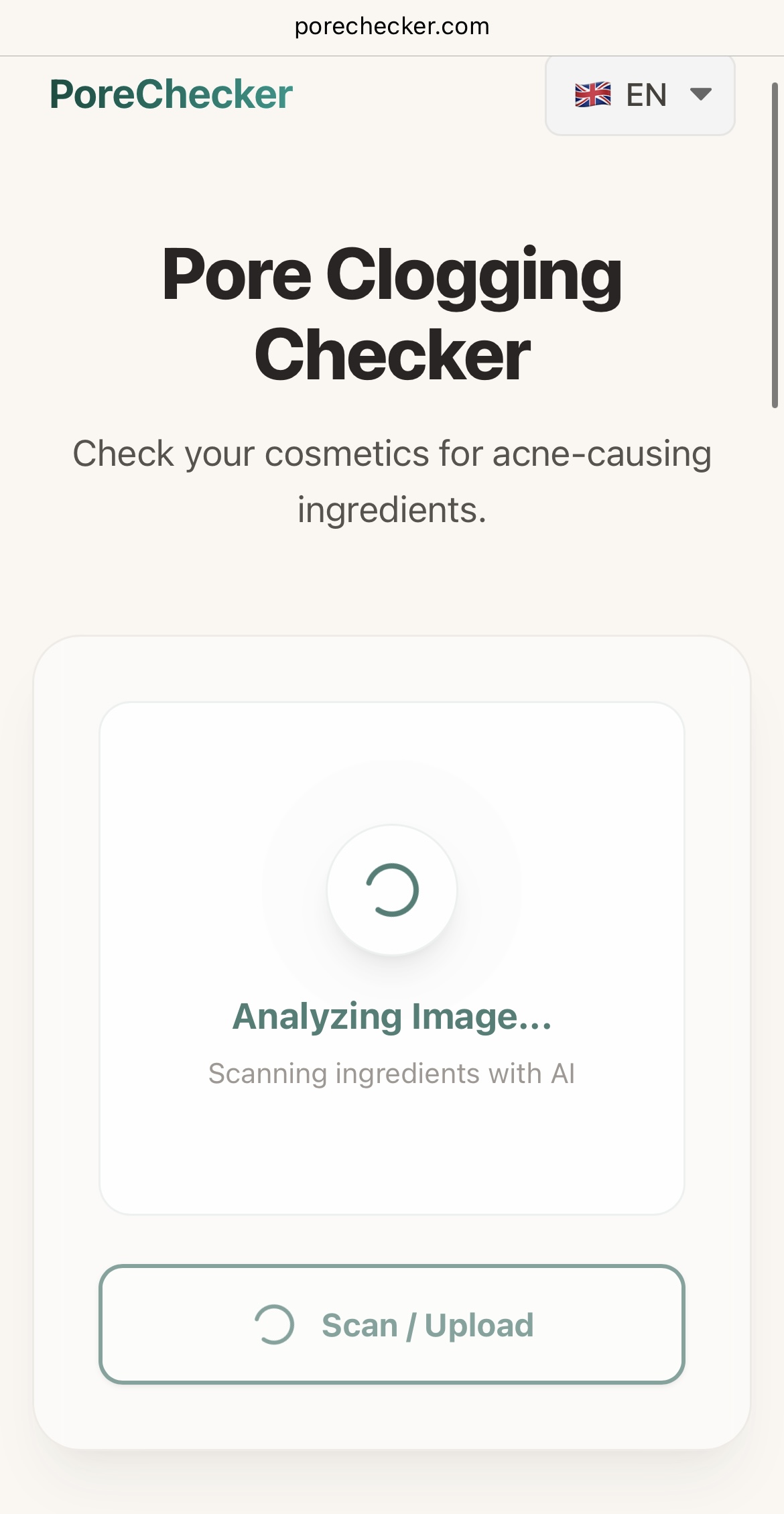
Step 2: Instant AI Ingredient Analysis
Our advanced AI scans the image, performs OCR (Optical Character Recognition), and matches every ingredient against our curated database of comedogenic substances.
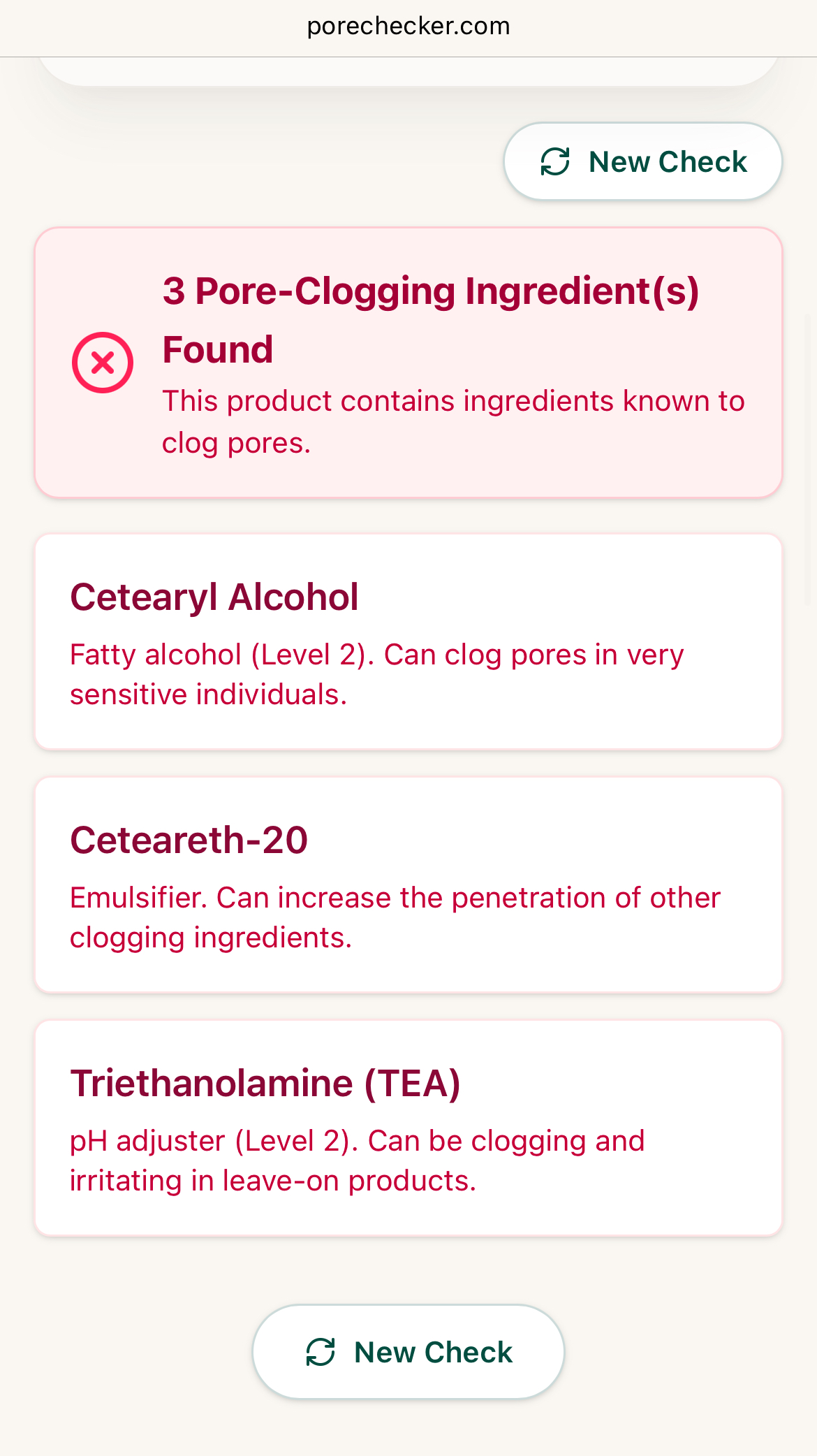
Step 3: Clear Results for Clearer Skin
You get an immediate breakdown. If any red-flag ingredients are found, we highlight them and explain why they might be problematic for your pores.
Does this product fit my skin's needs?
Check Your Products Now