How to Unclog Pores: Your Action Plan for Clear, Radiant Skin
Learn how to unclog pores & achieve clear skin. Expert advice on causes, prevention, & effective treatments. Discover your path to a radiant complexion.
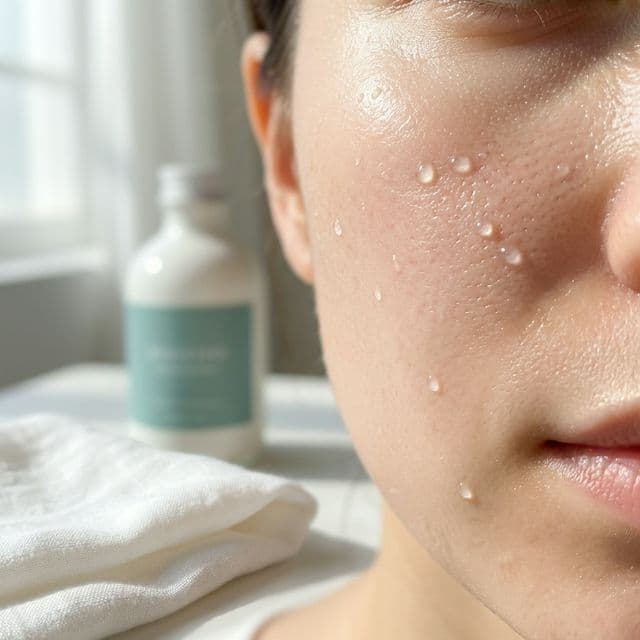
Clogged pores are a common skin concern, leading to blackheads, whiteheads, and even breakouts. But don't despair! Understanding the root causes and implementing the right strategies can make a significant difference in your skin's clarity and texture. This is about more than just aesthetics; it's about fostering healthy skin, and it all starts with unclogging those pores. A cornerstone of this journey is focusing on non-comedogenic skincare products, which are specifically formulated not to block pores.
This guide delves into the science behind clogged pores and provides you with a practical, actionable plan. We'll explore the factors that contribute to pore congestion, from excess sebum and dead skin cells to environmental pollutants and unsuitable skincare ingredients. Our goal is to equip you with the knowledge and tools you need to effectively unclog your pores and maintain a clear, radiant complexion. Embrace this as your personalized approach to a clear and confident you.
Remember, consistency is key. Results may not be immediate, but with dedication and the right regimen, you can achieve the healthy, glowing skin you've always desired. Let's get started!
Understanding the Culprits: What Clogs Your Pores?
Several factors contribute to clogged pores. Primarily, it's the overproduction of sebum (oil) by your sebaceous glands. When sebum mixes with dead skin cells, it creates a sticky substance that can get trapped inside the pore. But that’s not all. Environmental factors like pollution and dirt can also find their way into pores, exacerbating the problem. And let's not forget the role of your skincare routine, some ingredients can worsen pore congestion. Understanding these elements is the first step toward effective treatment.
Excess Sebum Production
Sebum, while essential for skin health, can become problematic when overproduced. This can be influenced by hormones, genetics, and even diet. The excess oil can mix with dead skin cells and other debris, forming a clog. If the clog is open at the surface, it oxidizes and forms a blackhead. If it's closed, it becomes a whitehead. Managing sebum production through the right skincare and, if necessary, professional treatments, is crucial.
Dead Skin Cell Buildup
Our skin naturally sheds dead skin cells, but when this process slows down or becomes uneven, these cells can accumulate and clog pores. This is often linked to a lack of proper exfoliation. Regular exfoliation helps to remove these dead cells, preventing them from mixing with sebum and other impurities to create blockages. Incorporating an exfoliant into your routine can be key.
External Factors & Hidden Pore-Cloggers
The environment plays a significant role in pore congestion. Pollutants, dirt, and makeup can all settle into pores. Additionally, certain ingredients in skincare products can be pore-clogging, even if they're marketed as being for "all skin types". Some common offenders include heavy oils, certain silicones, and waxes. Be aware of your product ingredients.
Your Actionable Plan: How to Unclog Pores Effectively
Now, let's explore an effective action plan. Remember, consistency and patience are critical. A holistic approach, combining a targeted skincare routine with lifestyle adjustments, yields the best results. Start by building a gentle yet effective routine that addresses pore congestion and overall skin health.
The Cleansing Ritual: Your First Line of Defense
Cleansing is the foundation of clear skin. Use a gentle, non-comedogenic cleanser twice daily to remove dirt, oil, and makeup. Look for cleansers with ingredients like salicylic acid or benzoyl peroxide, which can help to unclog pores. Avoid harsh cleansers that strip your skin of its natural oils, as this can trigger increased sebum production. The goal is to cleanse thoroughly without disrupting the skin's natural balance.
Exfoliation: Unveiling Fresh Skin
Regular exfoliation is essential to remove dead skin cells and prevent them from clogging pores. You can choose between chemical and physical exfoliants. Chemical exfoliants, like AHAs (alpha-hydroxy acids) and BHAs (beta-hydroxy acids), work by dissolving the bonds between dead skin cells. Physical exfoliants, such as scrubs, manually remove dead skin cells. Start slowly and adjust the frequency based on your skin's tolerance. Over-exfoliating can lead to irritation.
Targeted Treatments: Addressing Clogged Pores Directly
Incorporate targeted treatments into your routine. Products containing ingredients like retinoids (vitamin A derivatives) can help increase cell turnover, unclog pores, and reduce inflammation. Clay masks are great for absorbing excess oil and impurities. Use these treatments as directed, and monitor how your skin responds. Listen to your skin and adjust accordingly.
Lifestyle Adjustments: Holistic Support
Your lifestyle affects your skin. Stay hydrated by drinking plenty of water, as it helps your body flush out toxins. Eat a balanced diet rich in fruits, vegetables, and antioxidants. Manage stress levels, as stress can trigger hormonal imbalances that contribute to breakouts. Protect your skin from sun exposure by using a non-comedogenic sunscreen daily. These lifestyle changes support the effectiveness of your skincare routine.
Don't Let Your Products Ruin Your Progress
You've started a dedicated skincare routine, but what if your products are sabotaging your efforts? The truth is, many skincare products, despite their claims, contain ingredients that can exacerbate pore congestion. Certain oils, thickeners, and even some seemingly innocent additives can contribute to the problem. To make sure you're not unknowingly using pore-clogging ingredients, it's wise to take a closer look at the labels. Luckily, tools exist that can analyze your product's ingredient list and let you know if it's likely to cause breakouts. That way, you're not just treating the symptoms, but also addressing a potential underlying cause for clogged pores.
Step 1: Upload Your Product Image
Simply snap a photo of the ingredient list on the back of any bottle, jar, or box. No typing required.
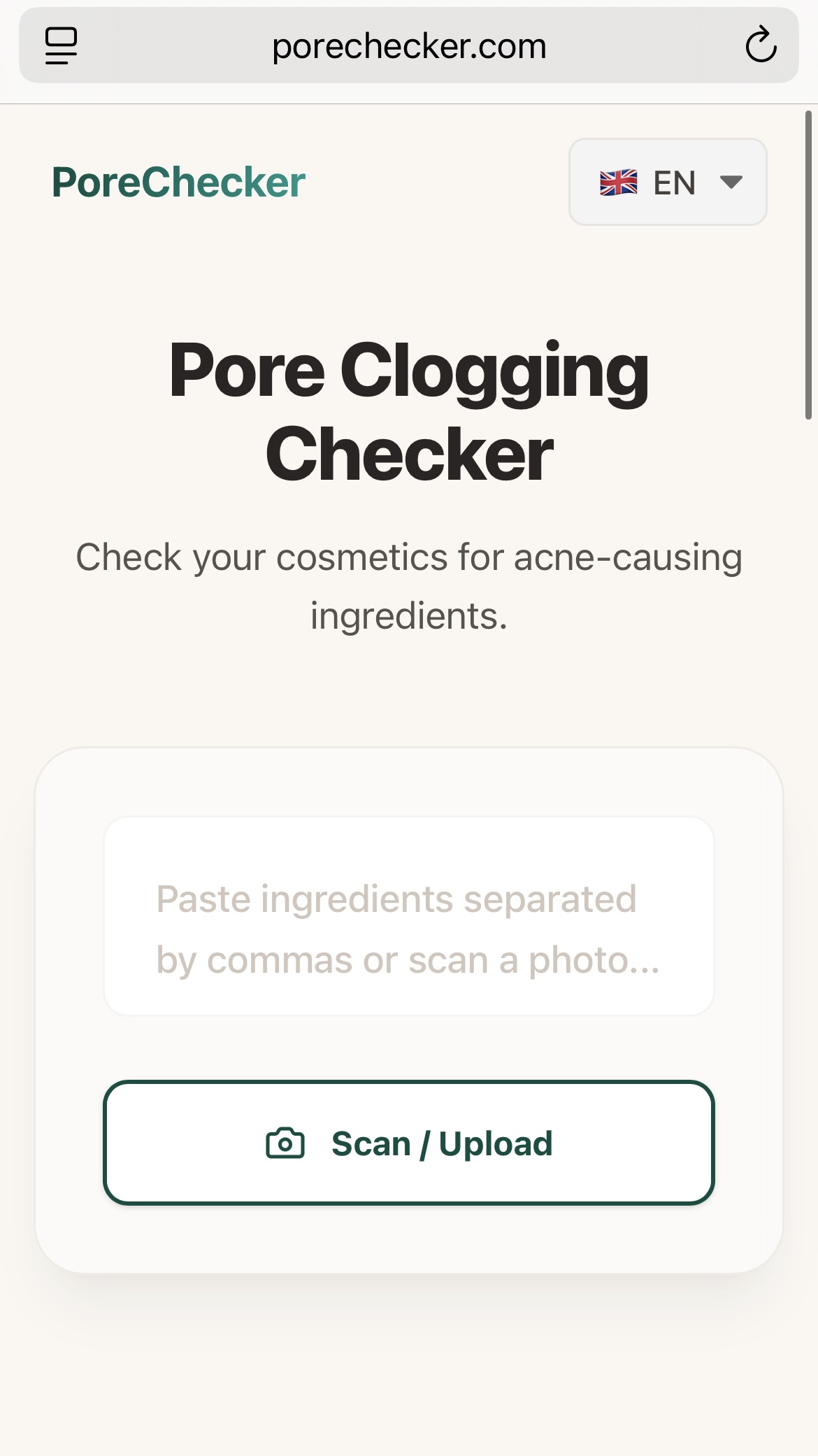
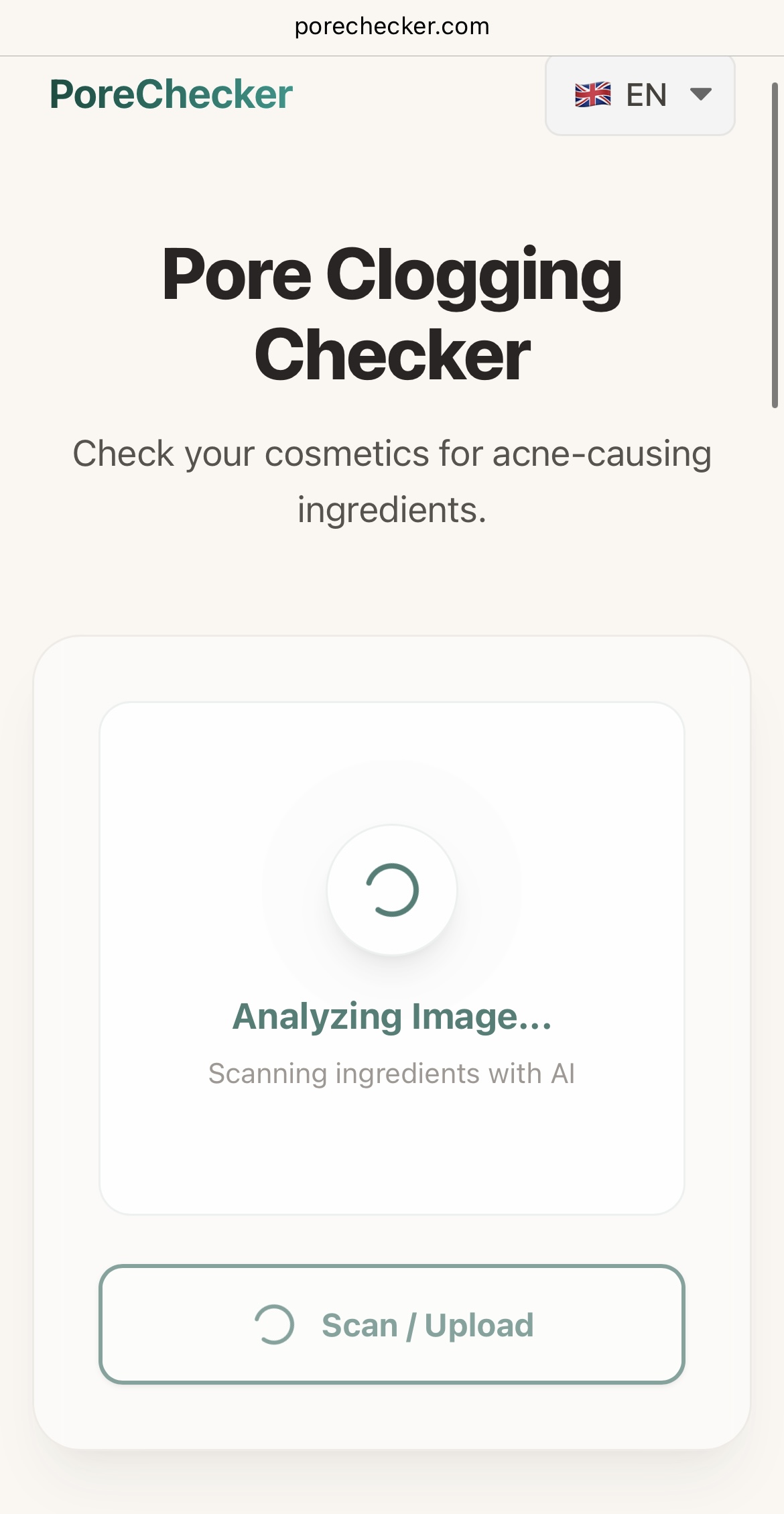
Step 2: Instant AI Ingredient Analysis
Our advanced AI scans the image, performs OCR (Optical Character Recognition), and matches every ingredient against our curated database of comedogenic substances.
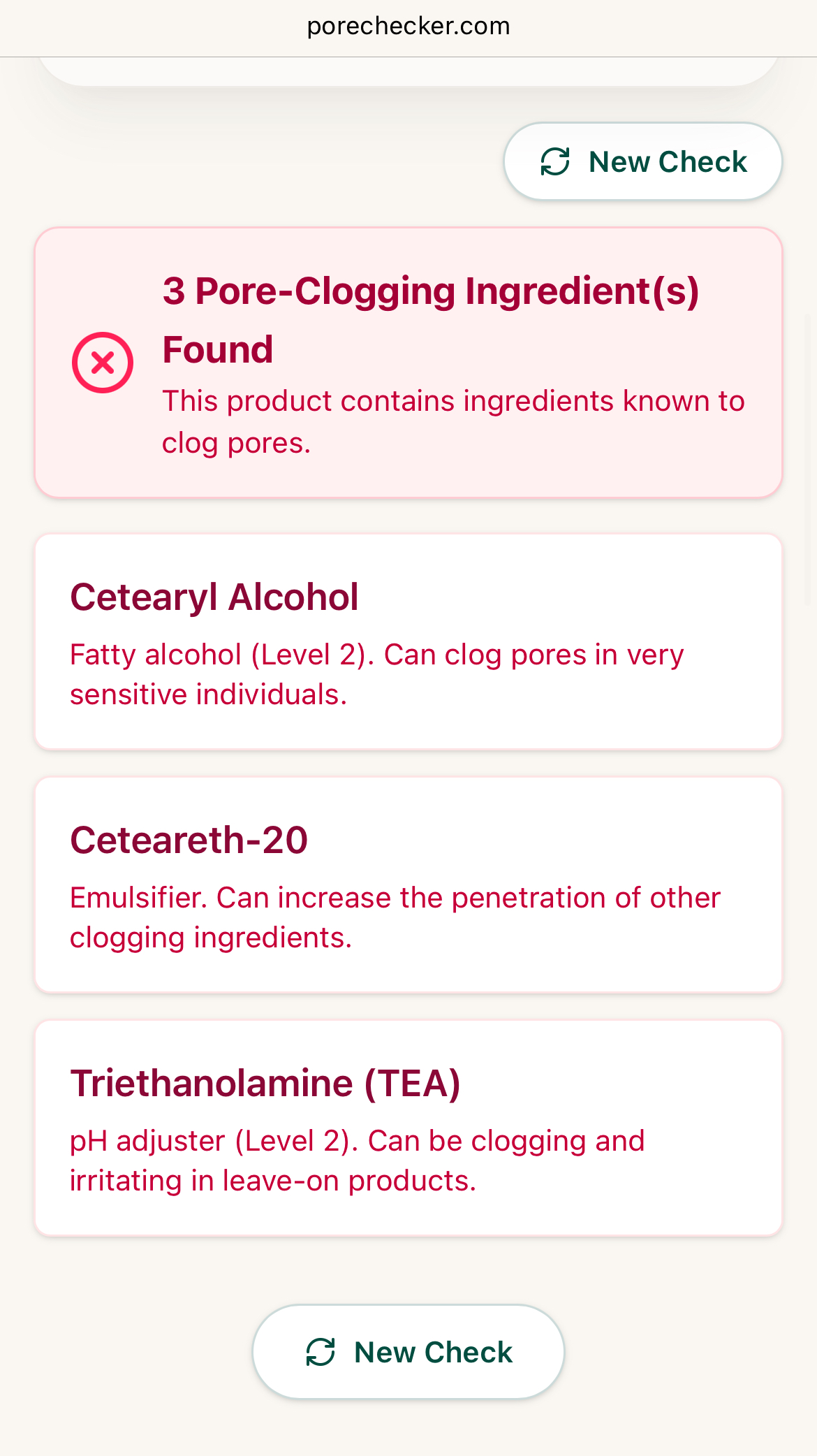
Step 3: Clear Results for Clearer Skin
You get an immediate breakdown. If any red-flag ingredients are found, we highlight them and explain why they might be problematic for your pores.
Does this product fit my skin's needs?
Check Your Products Now