How to Use Face Serum Like a Pro: Your Guide to Radiant Skin
Learn how to use face serum effectively for glowing skin! Expert tips on application, ingredient pairing, and common mistakes to avoid. Non-comedogenic focus!
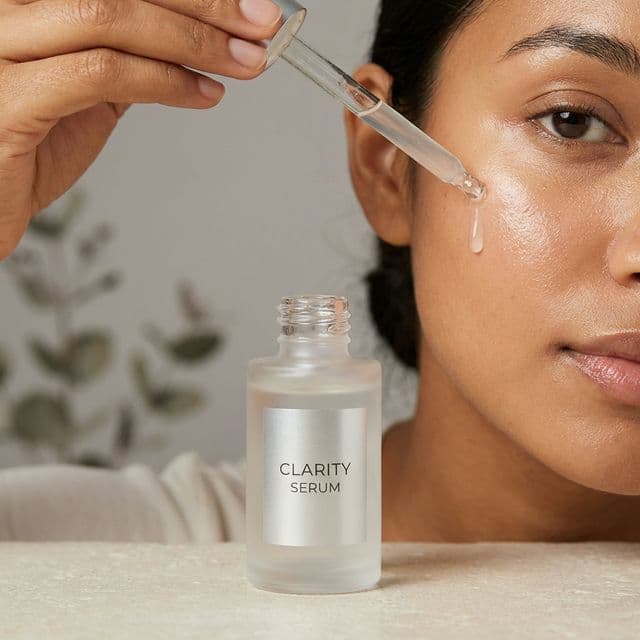
The world of skincare can feel overwhelming, but achieving radiant skin doesn't have to be complicated. Face serums, with their potent concentrations of active ingredients, are a cornerstone of any effective routine. Understanding how to use face serum properly is crucial to unlock their full potential and avoid common pitfalls. This guide, based on scientific principles and years of experience, will equip you with the knowledge to maximize your serum's benefits for truly transformative results.
A fundamental principle in any skincare regimen, especially when using serums, is choosing products that are non-comedogenic. This means they are formulated to avoid clogging your pores, a key factor in preventing breakouts and maintaining a clear complexion. We will explore how to select the right serums, and how to incorporate them safely into your existing routine, ensuring you are nurturing your skin without unintended consequences.
Decoding the Face Serum: What It Is and Why You Need It
Face serums are concentrated skincare treatments designed to deliver potent ingredients directly to the skin. Unlike moisturizers, which primarily focus on hydration, serums target specific concerns, such as fine lines, wrinkles, uneven skin tone, and acne. Their lightweight texture allows for rapid absorption, enabling them to penetrate deeper into the skin’s layers. This enhanced penetration ensures maximum efficacy of active ingredients like retinol, vitamin C, hyaluronic acid, and peptides.
The Benefits of Serum in Your Routine
Incorporating a serum into your routine offers a multitude of benefits. Serums can address a wide array of skin issues, from anti-aging to brightening and acne control. For example, Vitamin C serums can provide antioxidant protection and brighten the skin, while retinol serums stimulate collagen production and reduce the appearance of wrinkles. Hyaluronic acid serums offer intense hydration, plumping the skin and diminishing the look of fine lines. Peptides help to support skin repair and create a more youthful appearance. The right serum can be a game-changer for your skin's health and appearance.
Step-by-Step Guide: How to Apply Face Serum
Applying face serum correctly is just as important as choosing the right one. Here’s a step-by-step guide to help you maximize its effectiveness:
- Cleanse and Tone: Start with a clean face. Gently wash your face with a mild cleanser and pat dry. Apply a toner (if you use one) to balance your skin’s pH.
- Application: Dispense a small amount of serum (usually a pea-sized amount) onto your fingertips.
- Application Technique: Gently pat the serum onto your face, working from the center outwards. Avoid rubbing, which can irritate the skin.
- Absorption: Allow the serum to fully absorb into your skin for a minute or two before applying the next product.
- Layering: Follow with a moisturizer to lock in the serum's benefits and protect your skin. Finish with sunscreen during the day.
Optimal Serum Application Times
When to apply your serum depends on its ingredients and your skin’s needs. Many serums, especially those with antioxidants like vitamin C, are best used in the morning to protect against environmental damage. Retinol serums are typically used at night, as they can make your skin more sensitive to sunlight. Consistency is key, so incorporate the serum into your daily or nightly routine as instructed by your dermatologist or the product's directions.
Pairing Serums: What Works and What Doesn't
Combining serums can amplify their benefits, but it’s essential to know which ingredients play well together and which ones can cause irritation or reduce efficacy. For example, you can pair a vitamin C serum in the morning with a hyaluronic acid serum for added hydration. However, be cautious when using retinol, AHAs, or BHAs, as these can increase sensitivity.
Ingredient Compatibility: The Dos and Don'ts
Careful consideration of the ingredients in your serums is crucial. Combining actives like retinol and AHAs (e.g., glycolic or lactic acid) can lead to irritation and dryness. Vitamin C and retinol can often be used, but start slowly and monitor your skin's reaction. Always introduce new products gradually. If you are uncertain, consult a dermatologist or conduct a patch test.
Common Mistakes and How to Avoid Them
Even with the best intentions, it's easy to make mistakes when incorporating serums into your routine. One of the most common is over-application – using too much product can lead to irritation and wasted product. Another mistake is not waiting long enough between product applications, which can hinder absorption. Not choosing the right serum for your skin type and concerns is also a critical error. The key is to be patient and observant of your skin’s reaction.
Misconceptions and Myths Debunked
There are several misconceptions about serums. One is that more is always better. As mentioned, a little goes a long way. Another myth is that serums replace moisturizers. Serums are often formulated to penetrate deeply, while moisturizers are designed to create a barrier and lock in hydration. Using both is usually the optimal strategy. Finally, people often believe that serums show immediate results. In reality, most serums require consistent use over several weeks or months to see significant improvements.
Don't Let Your Products Ruin Your Progress
Understanding how to use face serum is a crucial step towards achieving your skincare goals, but it’s just one piece of the puzzle. The ingredients in your other skincare products, from cleansers to moisturizers, can either complement or sabotage the work of your serum. Hidden pore-clogging ingredients, such as certain oils, silicones, and thickeners, can undermine even the most carefully selected serum and create breakouts. Being proactive about understanding your ingredients is vital.
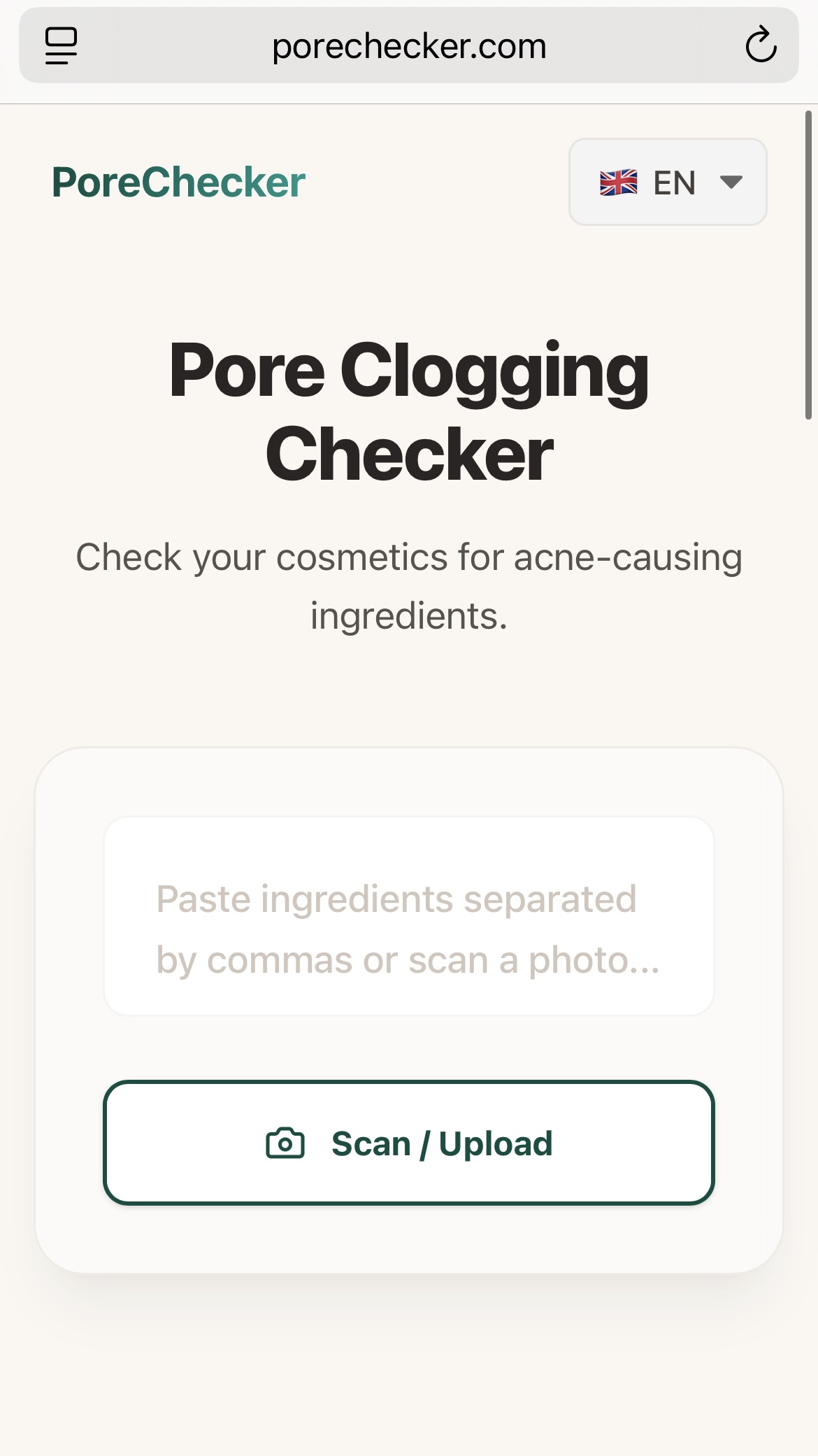
Step 1: Upload Your Product Image
Simply snap a photo of the ingredient list on the back of any bottle, jar, or box. No typing required.
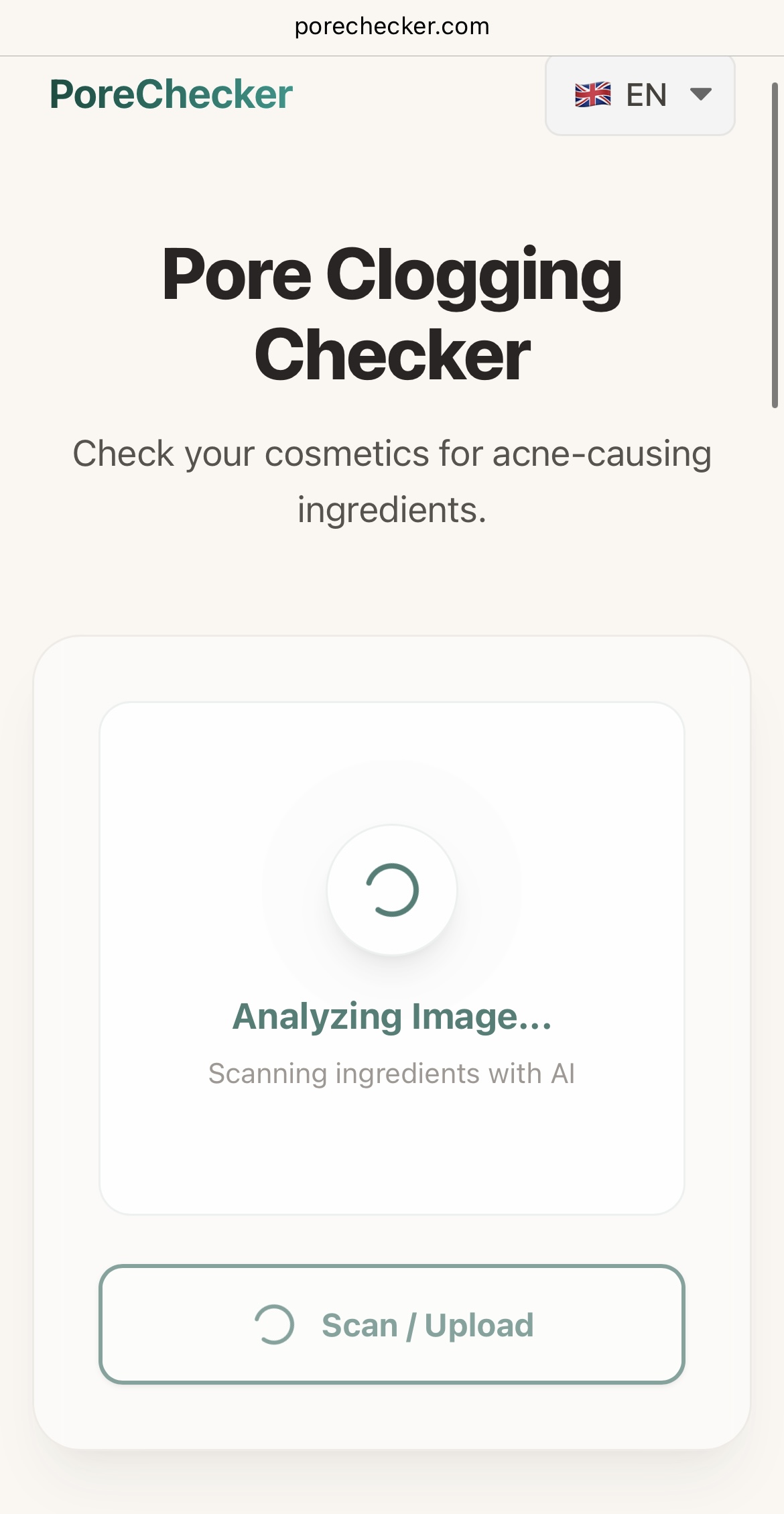
Step 2: Instant AI Ingredient Analysis
Our advanced AI scans the image, performs OCR (Optical Character Recognition), and matches every ingredient against our curated database of comedogenic substances.
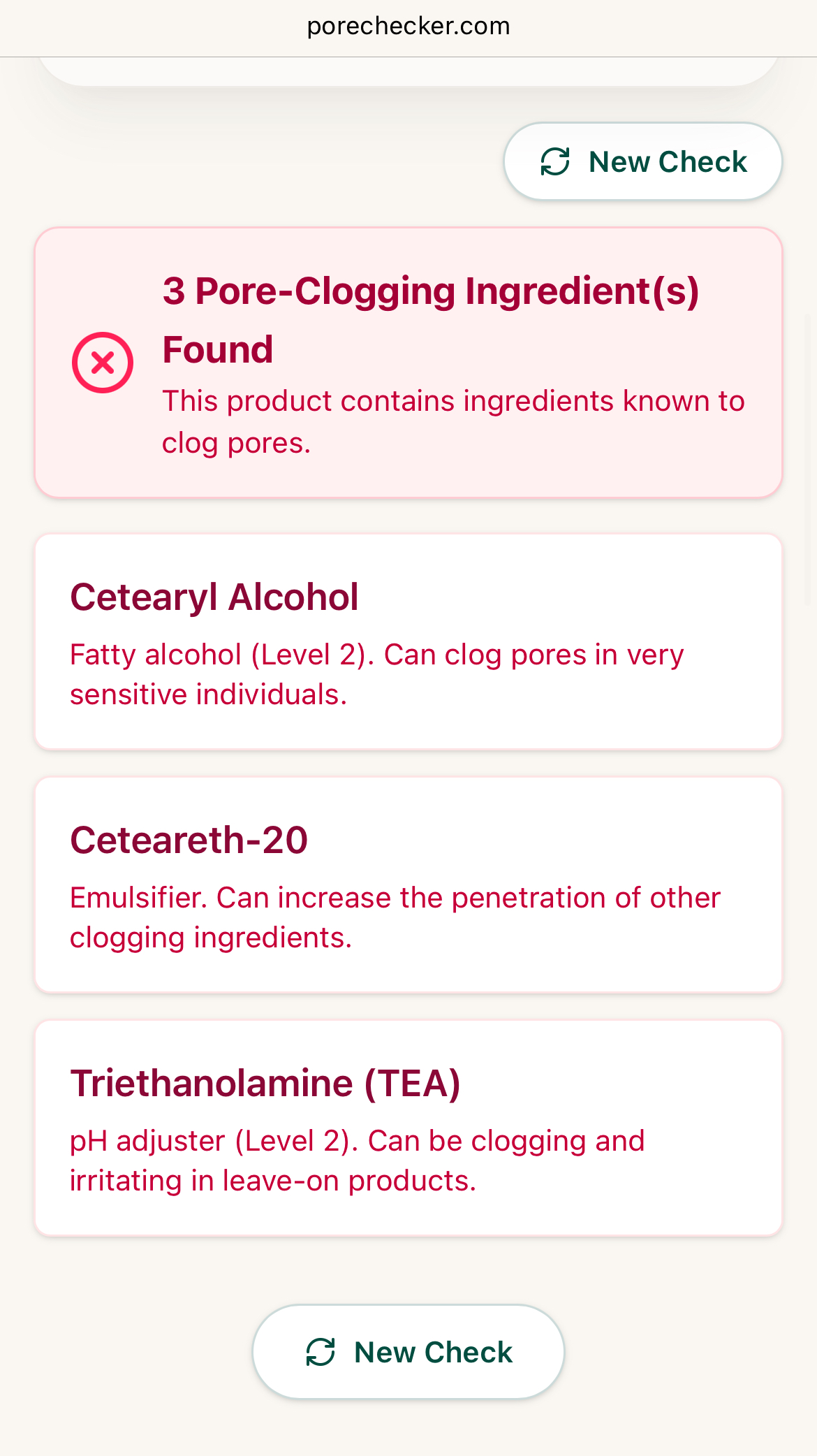
Step 3: Clear Results for Clearer Skin
You get an immediate breakdown. If any red-flag ingredients are found, we highlight them and explain why they might be problematic for your pores.
Does this product fit my skin's needs?
Check Your Products Now