Is Niacinamide Good for Acne? Unveiling the Science and Achieving Clearer Skin
Discover if niacinamide is good for acne! Learn the science-backed benefits, how it works, and expert tips for incorporating it into your skincare routine.
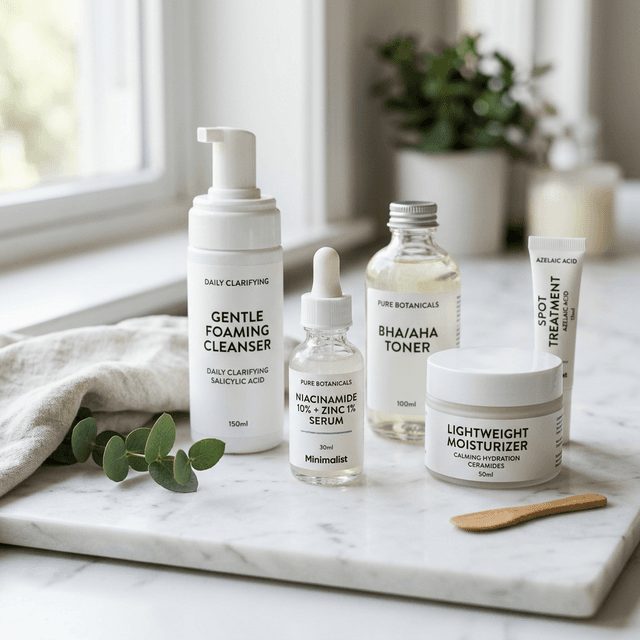
The quest for clear, healthy skin often leads us down a rabbit hole of skincare ingredients and promises. Among the stars of the skincare world, niacinamide shines brightly, particularly in the fight against acne. But the question remains: is niacinamide good for acne? As a dermatologist and skincare scientist, I'm here to provide a science-backed answer, exploring the benefits, potential pitfalls, and how to effectively incorporate this powerful ingredient into your routine. Remember, a core principle in acne management is non-comedogenic care. This means choosing products that won't clog your pores, which is crucial for preventing new breakouts.
Acne isn't just a surface issue; it's a complex interplay of factors, including excess oil production, clogged pores, inflammation, and bacteria. Niacinamide, a form of vitamin B3, addresses several of these issues simultaneously, making it a valuable tool in managing and preventing acne. Its versatility and gentle nature make it suitable for various skin types, even those prone to sensitivity. Let's delve into the specifics of how niacinamide works its magic.
This article will provide you with the necessary insights to understand niacinamide's role, potential benefits, and how to safely integrate it into your skincare regime. We'll explore the science, the practical applications, and how to avoid common mistakes that can hinder your progress toward clearer skin. Let’s get started.
The Science Behind Niacinamide and Acne
Niacinamide boasts a multifaceted approach to acne treatment, impacting multiple pathways contributing to breakouts. Its key mechanisms include:
Reducing Inflammation
One of the primary drivers of acne is inflammation. Niacinamide has potent anti-inflammatory properties, calming irritated skin, reducing redness, and soothing acne lesions. This is particularly beneficial for inflammatory acne, such as papules and pustules. By calming the inflammatory response, niacinamide helps to prevent the worsening of existing acne and promotes a faster healing process.
Controlling Oil Production
Excess sebum (oil) production is a major contributor to acne. Niacinamide helps regulate sebum production, effectively reducing the amount of oil that can clog pores. By decreasing oiliness, it can help prevent new breakouts from forming, especially in individuals with oily skin types.
Improving the Skin Barrier
A healthy skin barrier is crucial for protecting the skin from external irritants and preventing moisture loss. Niacinamide strengthens the skin barrier by boosting ceramide production, leading to better hydration and reduced sensitivity. A fortified skin barrier is more resilient to environmental stressors, contributing to a healthier and more balanced complexion, less prone to acne flare-ups.
Minimizing Pores
While not directly shrinking pores, niacinamide can make pores appear smaller by improving skin elasticity and reducing sebum production. This creates a smoother skin surface and further minimizes the chances of pores becoming clogged with oil and debris, which can lead to acne.
How to Use Niacinamide for Acne: Tips and Tricks
Incorporating niacinamide into your skincare routine requires a strategic approach to maximize its benefits and minimize potential side effects. Here’s a guide to help you get started:
Start Slowly
Begin with a low concentration (2-5%) of niacinamide to allow your skin to adjust. Apply it once a day and gradually increase the frequency as your skin tolerates it. Overuse can lead to irritation, particularly if you have sensitive skin.
Choose the Right Products
Niacinamide is available in various product forms, including serums, toners, and moisturizers. Serums are often preferred for their high concentration and targeted delivery. Opt for formulations that are non-comedogenic and free from potential irritants like fragrance and alcohol.
Pair with Other Ingredients
Niacinamide plays well with many other skincare ingredients. It can be combined with:
- Hyaluronic Acid: For enhanced hydration.
- Vitamin C: For antioxidant protection and brightening (though introduce these separately, at first).
- Retinoids: For boosted anti-acne effects, but introduce gradually.
Be Patient and Consistent
It may take several weeks or even months to see noticeable results. Consistency is key. Stick to your routine and give your skin time to respond. Don't expect miracles overnight. Patience pays off.
Listen to Your Skin
Pay close attention to how your skin reacts. If you experience irritation, redness, or dryness, reduce the frequency of application or discontinue use. Everyone's skin is different, so it's essential to tailor your routine to your individual needs.
Unmasking Hidden Pore-Cloggers
While niacinamide itself is generally well-tolerated, the other ingredients in your skincare products can sabotage your progress. Many seemingly harmless ingredients can clog pores, leading to breakouts and frustrating your efforts to clear your skin. Common culprits include heavy oils, certain waxes, and some silicones. It's essential to understand the ingredients in your products and how they interact with your skin.
Common Pore-Clogging Ingredients
Be wary of products containing these common pore-clogging ingredients:
- Mineral Oil: A petroleum-derived emollient.
- Coconut Oil: Highly comedogenic for many.
- Isopropyl Myristate: A common emollient and thickening agent.
- Sodium Lauryl Sulfate (SLS): A common surfactant.
- Certain Alcohols: Such as Isopropyl Alcohol and SD Alcohol 40.
How to Spot Them
Read the ingredient list carefully. Ingredients are listed in descending order by concentration, so those listed at the top are present in higher amounts. Familiarize yourself with common comedogenic ingredients. Even products labeled "non-comedogenic" may contain pore-clogging ingredients, so it’s essential to be a savvy consumer.
Don't Let Your Products Ruin Your Progress
You're armed with the knowledge of how niacinamide can help fight acne, but the journey to clear skin is about more than just one ingredient. The other products you use, from cleansers to moisturizers, can either support your progress or undermine it. Many products, even those marketed as beneficial, contain hidden pore-clogging ingredients that can negate the positive effects of niacinamide. It's critical to be a discerning consumer, and carefully scrutinize every item in your routine. This is where a helpful tool can come into play, providing an easy way to understand which ingredients may be working against your efforts.
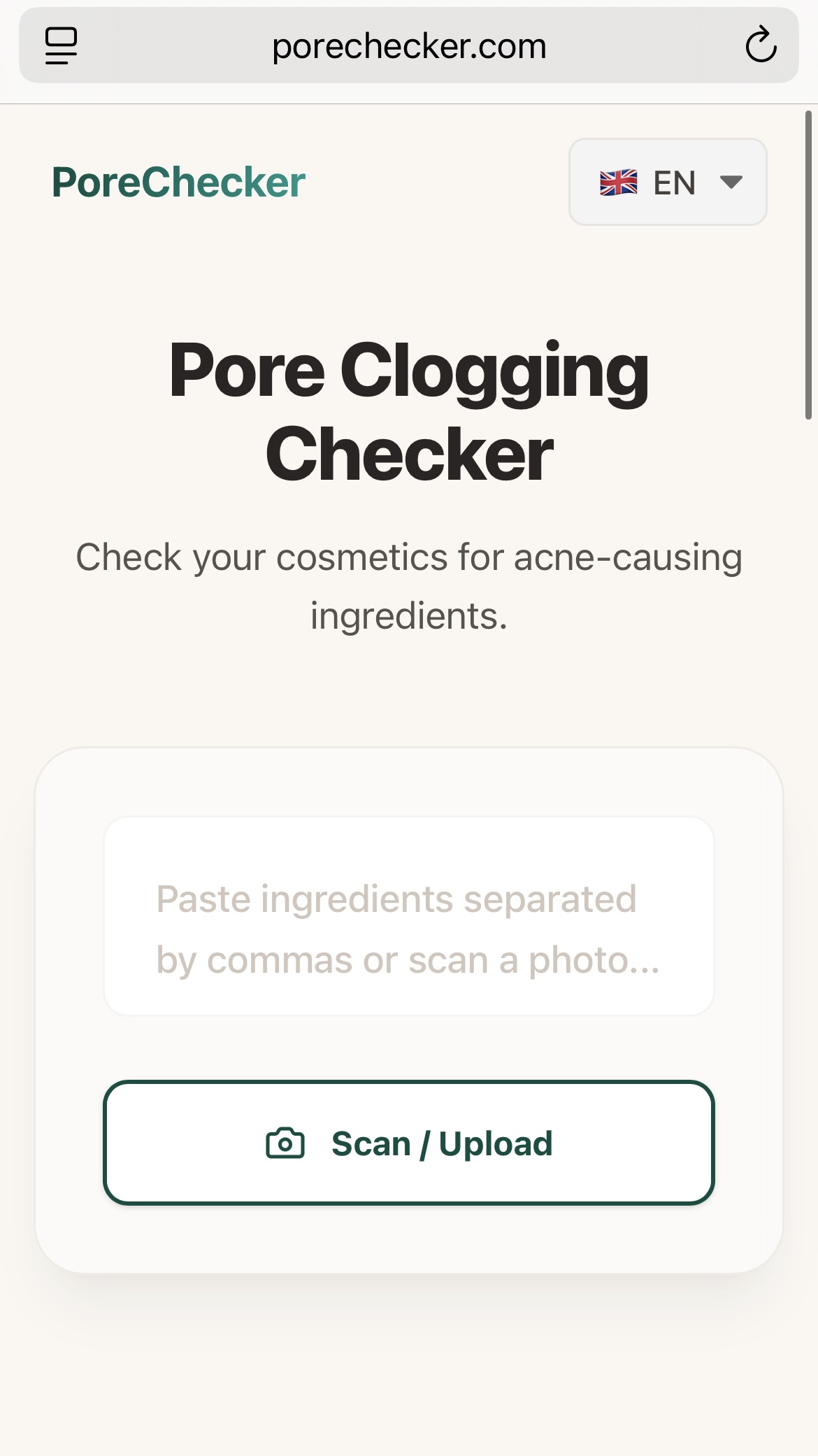
Step 1: Upload Your Product Image
Simply snap a photo of the ingredient list on the back of any bottle, jar, or box. No typing required.
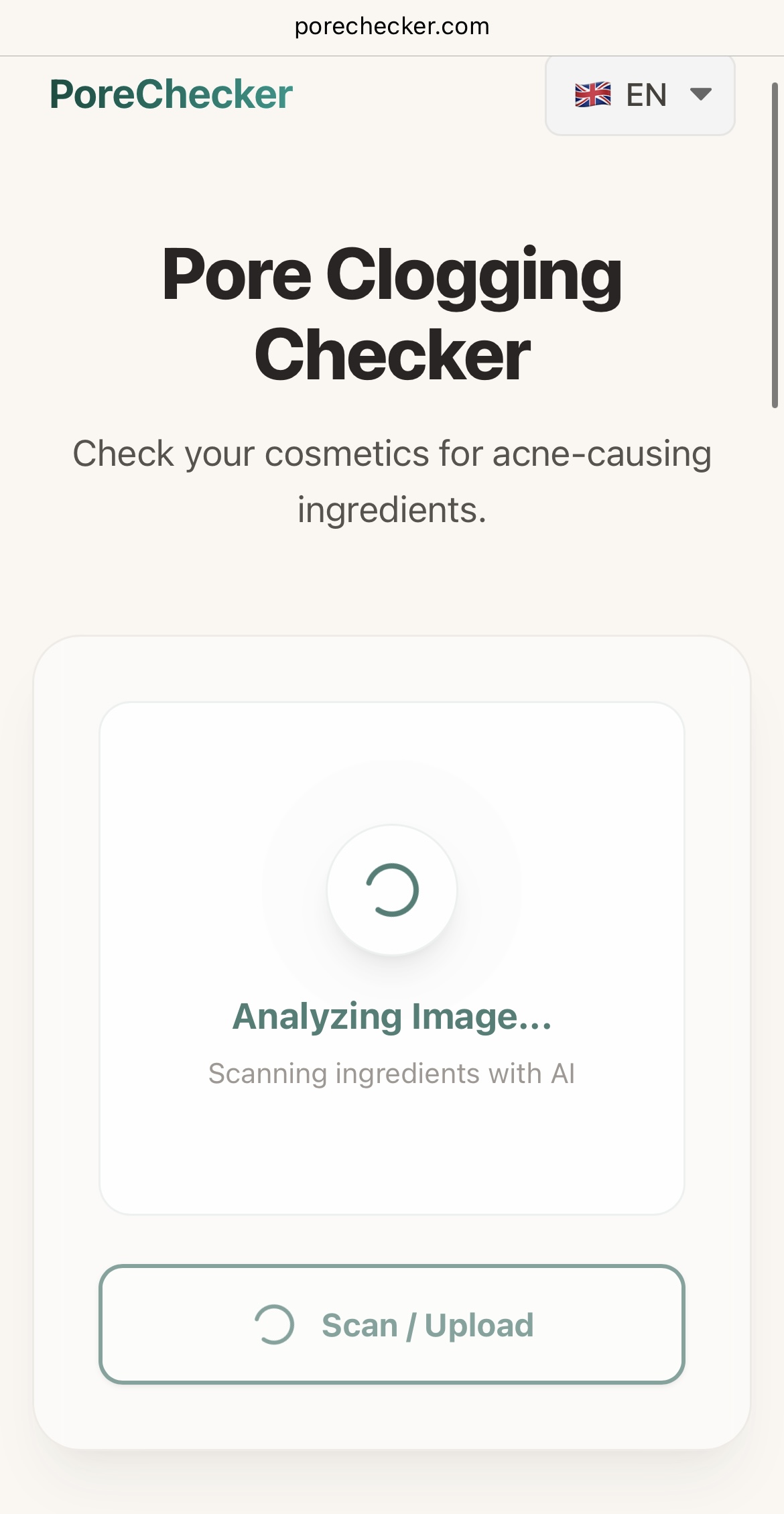
Step 2: Instant AI Ingredient Analysis
Our advanced AI scans the image, performs OCR (Optical Character Recognition), and matches every ingredient against our curated database of comedogenic substances.
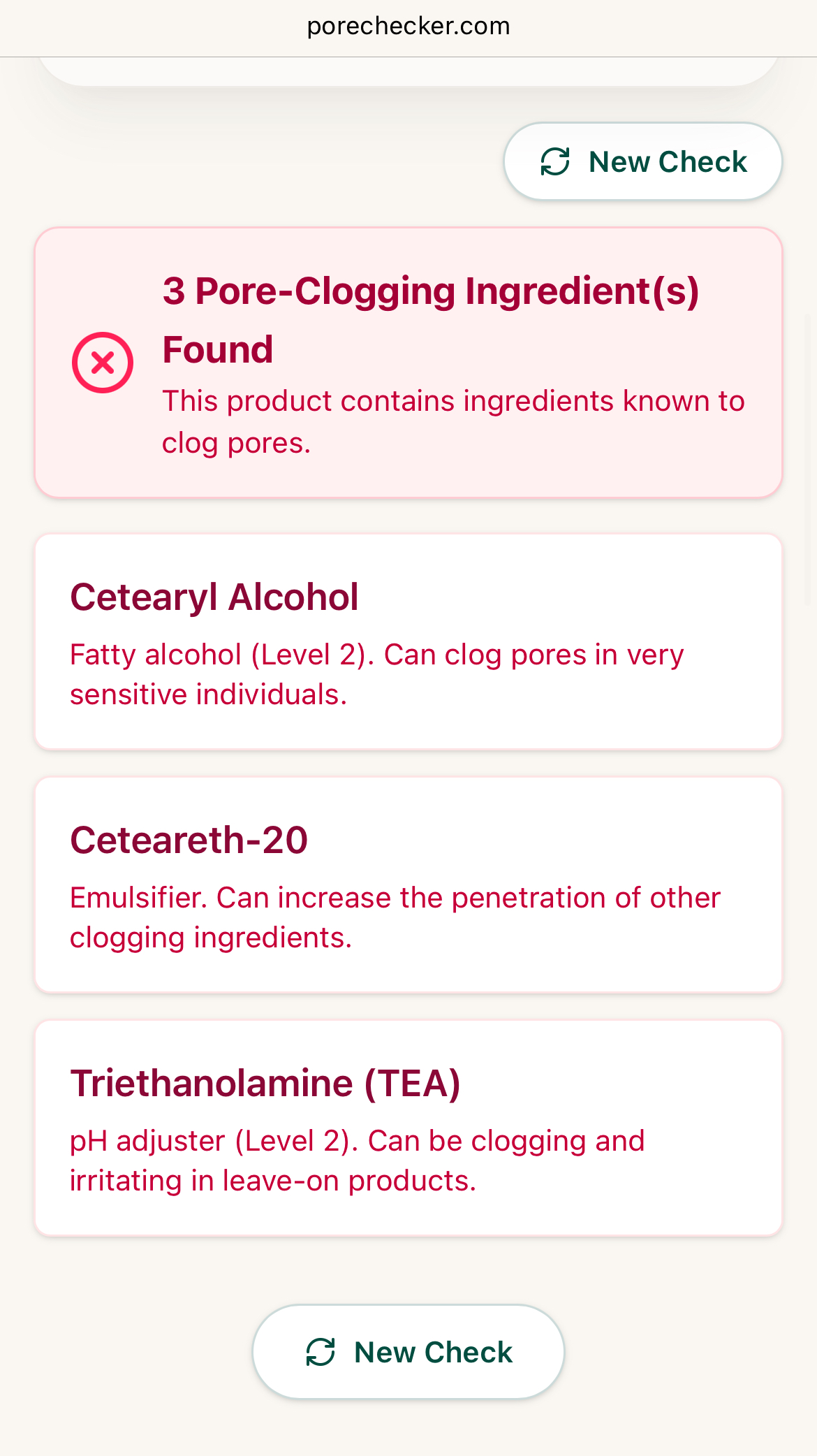
Step 3: Clear Results for Clearer Skin
You get an immediate breakdown. If any red-flag ingredients are found, we highlight them and explain why they might be problematic for your pores.
Does this product fit my skin's needs?
Check Your Products Now