Is Natural Moisturizing Factors + HA Acne-Safe? Ingredients Breakdown
Detailed analysis of Natural Moisturizing Factors + HA to see if it contains pore-clogging ingredients. Is your skincare routine actually safe?
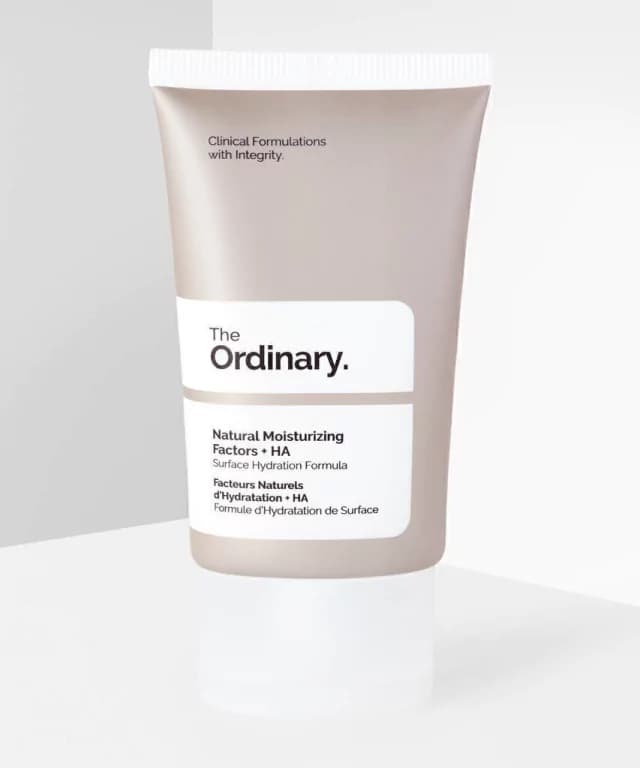
When choosing a moisturizer or treatment like Natural Moisturizing Factors + HA, the most important question for acne-prone skin is always the same: are the ingredients safe for my pores?
Even well-loved products can sometimes contain hidden triggers that lead to persistent texture or breakouts. Today, we break down exactly what's inside this formula.
Understanding Natural Moisturizing Factors + HA Ingredients
Natural Moisturizing Factors + HA (NMF+HA) products are lauded for their hydrating prowess, promising to replenish the skin’s moisture barrier. But understanding the ingredients is key to ensuring it aligns with your skin's needs, particularly if you're acne-prone. This particular formulation packs a punch with fatty alcohols like Cetyl Alcohol and Stearyl Alcohol, which, while providing a creamy texture, can potentially clog pores. These ingredients, though common in skincare, are often too heavy for sensitive skin, leading to retention hyperkeratosis, which traps dead skin cells and sebum, laying the groundwork for breakouts.
The formulation also includes several fatty acids such as Linoleic Acid, Oleic Acid, Palmitic Acid and Stearic Acid. While Linoleic acid, and Oleic acid have a controversial status in skincare, some ingredients such as Oleic Acid are known for disrupting the skin barrier, creating ideal conditions for acne. Palmitic Acid and Stearic Acid, are also saturated fatty acids which may be too occlusive for some, increasing the risk of pore-clogging. Moreover, the presence of Tocopherol (Vitamin E), at higher concentrations, could exacerbate this issue.
The list further reveals several emulsifiers and pH adjusters that could be problematic. Isoceteth-20, an ethoxylated ingredient, is an emulsifier that might be an irritant for acne-prone skin. Similarly, Polysorbates can trigger fungal acne in some individuals. Lastly, Triethanolamine (TEA), used to adjust pH levels, can be an irritant. While these ingredients aren't inherently harmful, their inclusion means you must be extra vigilant, especially if you have sensitive or acne-prone skin. It is important to know that individual skin reacts differently, and the presence of these ingredients does not guarantee a breakout, but they do increase the risk.
While these ingredients might be perfectly fine for dry or normal skin types, those struggling with closed comedones should be cautious. Skincare isn't one-size-fits-all, and what works for one person might cause issues for another.
How to check your own products
So, how can you navigate the world of skincare ingredients with confidence? With the increasing complexity of formulations, it's essential to understand what you're putting on your skin. That's where the PoreChecker app can be a game-changer. It helps you assess the comedogenicity, irritation risk, and more of your favourite products, empowering you to make informed decisions for a clear and healthy complexion. Why not take control of your routine and see if your current products are truly working for you?
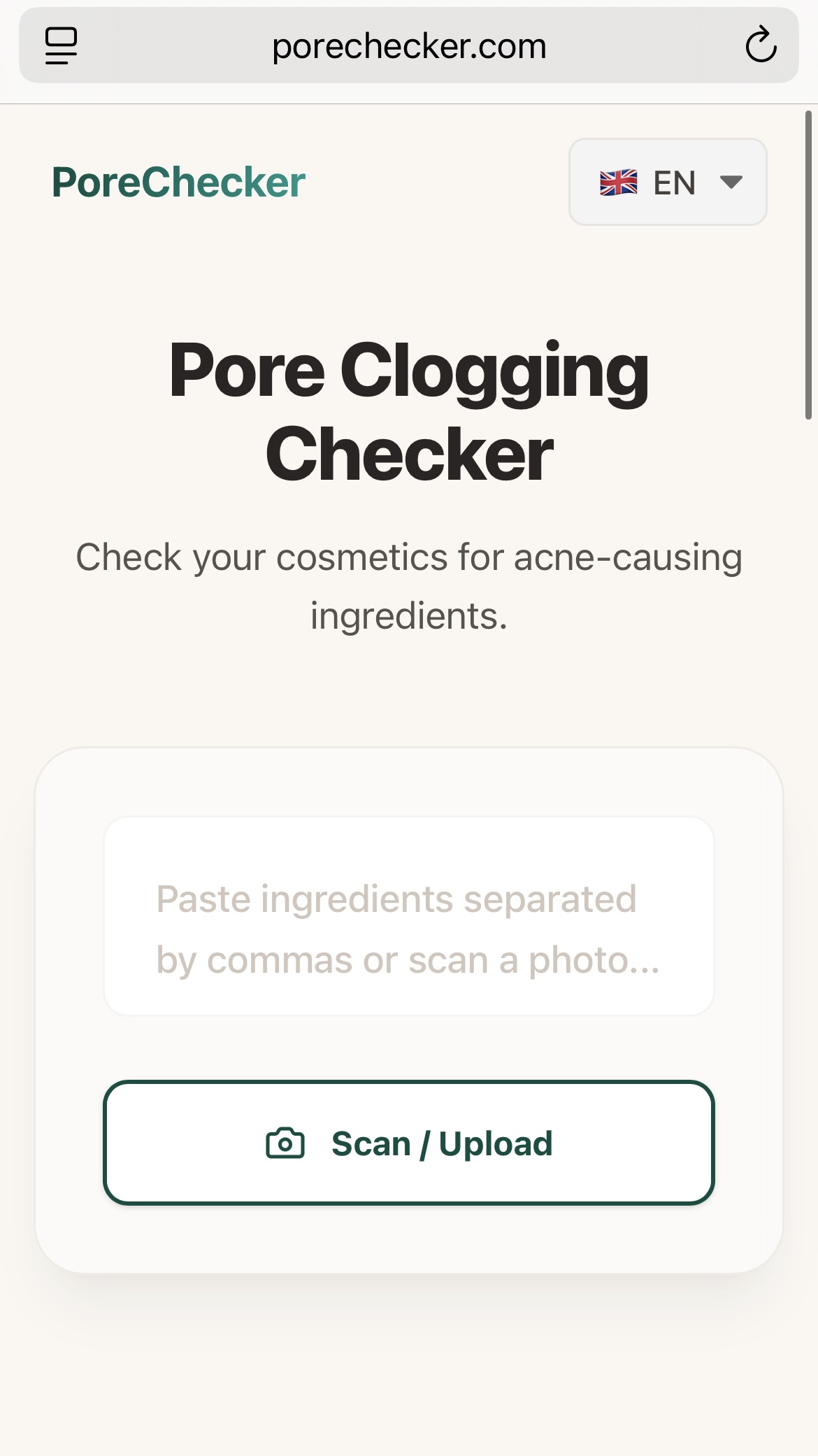
Step 1: Upload Your Product Image
Simply snap a photo of the ingredient list on the back of any bottle, jar, or box. No typing required.
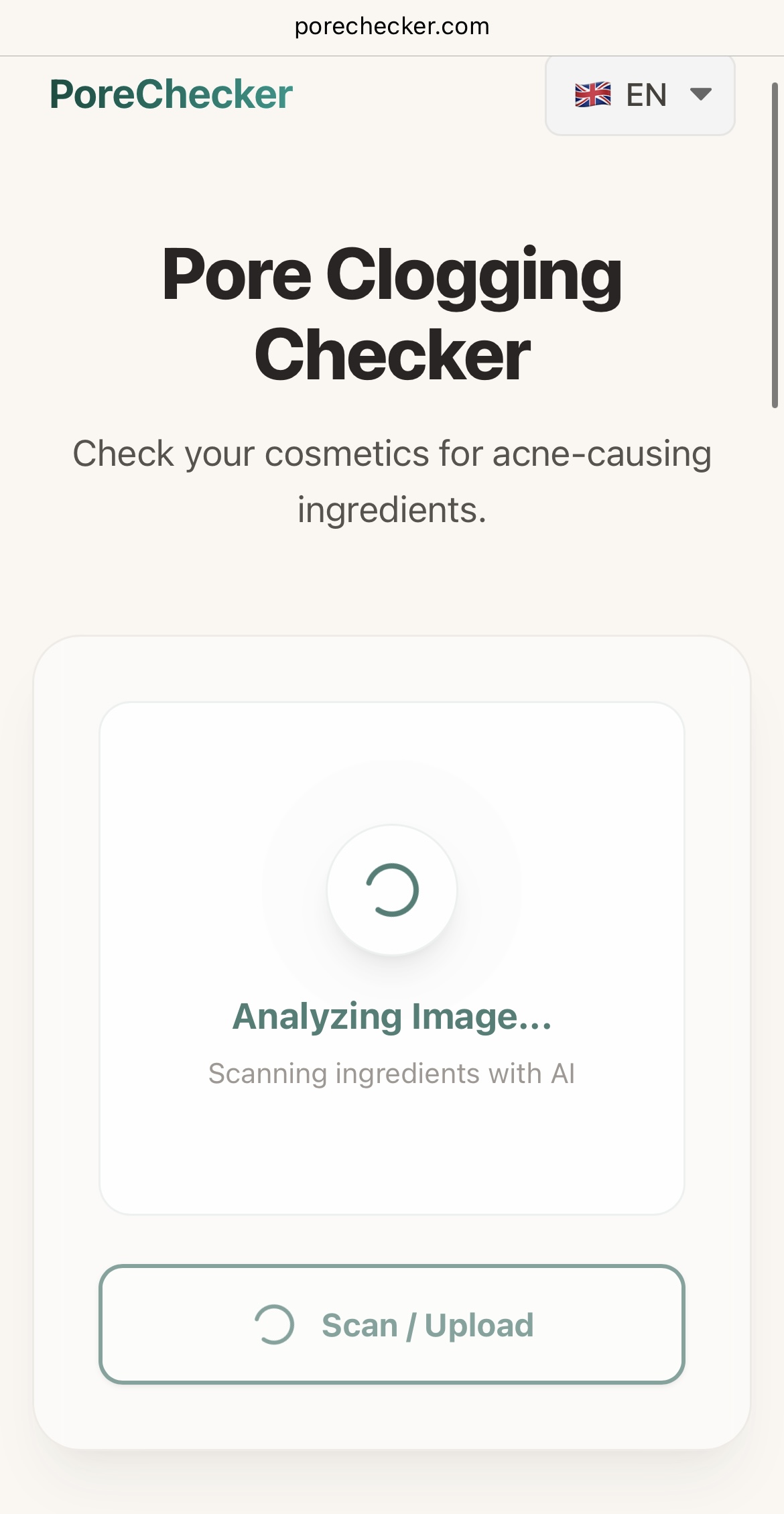
Step 2: Instant AI Ingredient Analysis
Our advanced AI scans the image, performs OCR (Optical Character Recognition), and matches every ingredient against our curated database of comedogenic substances.
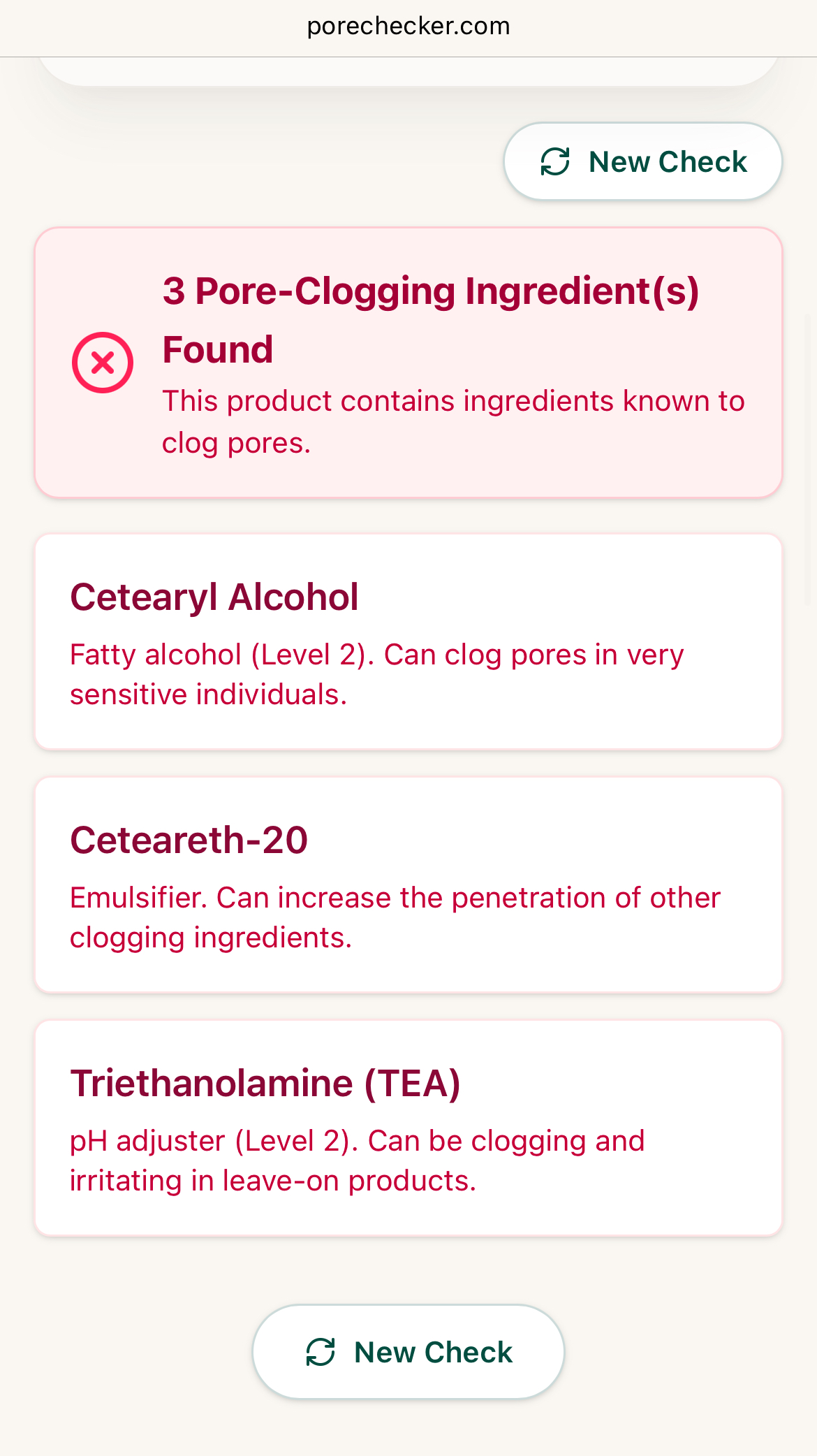
Step 3: Clear Results for Clearer Skin
You get an immediate breakdown. If any red-flag ingredients are found, we highlight them and explain why they might be problematic for your pores.
Does this product fit my skin's needs?
Check Your Products Now