Unlocking Radiance: The Right Way to Use Vitamin C Serum
Discover how to use vitamin C serum effectively for brighter, healthier skin! Learn application tips, ingredient insights, and avoid common pitfalls.
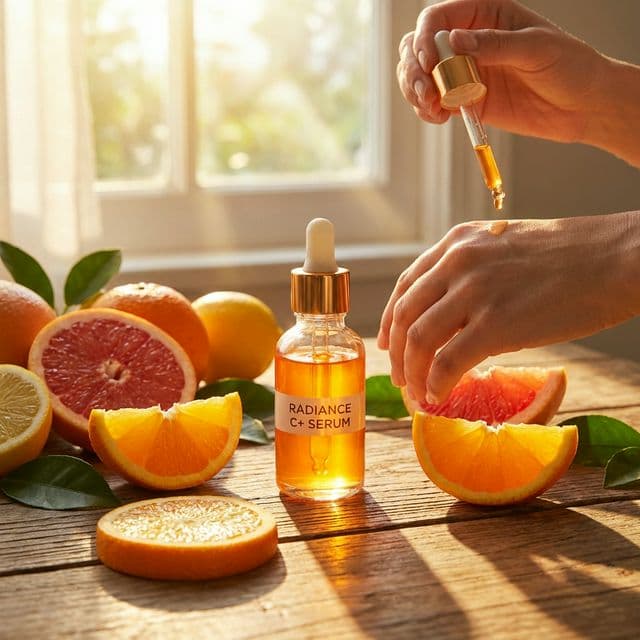
Vitamin C serum is a skincare powerhouse, celebrated for its antioxidant properties and ability to brighten and protect the skin. But simply owning a bottle isn't enough; knowing how to use vitamin C serum correctly is key to unlocking its full potential. This guide will walk you through the science-backed approach to incorporating this vital ingredient into your routine, while emphasizing the importance of non-comedogenic care – because clear skin starts with preventing clogged pores.
As a dermatologist, I frequently encounter patients frustrated by lackluster results or, worse, breakouts. Often, the issue isn't the product itself but how it's used, or what else is in their routine. We’ll delve into the application process, the best compatible ingredients, and also touch upon the crucial aspect of avoiding pore-clogging culprits to ensure your skin thrives.
The Science Behind Vitamin C
Vitamin C, also known as ascorbic acid, is a potent antioxidant. It combats free radicals, unstable molecules that contribute to premature aging and skin damage. Furthermore, vitamin C plays a vital role in collagen synthesis, which is essential for skin elasticity and firmness. Its ability to inhibit melanin production also contributes to a more even skin tone and a brighter complexion.
Types of Vitamin C Serums
Not all vitamin C serums are created equal. The most common form is L-ascorbic acid, the purest and most researched form. However, it can be unstable. Other derivatives, such as sodium ascorbyl phosphate, magnesium ascorbyl phosphate, and tetrahexyldecyl ascorbate, offer increased stability and gentler effects. Choosing the right one depends on your skin type and sensitivity; consider a lower concentration if you have sensitive skin.
How to Integrate Vitamin C Serum Into Your Routine
The timing and method of application are crucial. Here’s a step-by-step guide on how to use vitamin C serum effectively:
Step 1: Cleanse Your Skin
Start with a gentle, non-comedogenic cleanser to remove impurities and prepare your skin for optimal absorption. Look for cleansers that are sulfate-free and formulated for your skin type (e.g., dry, oily, combination, or sensitive). Avoid harsh ingredients that can disrupt the skin barrier.
Step 2: Apply the Serum
Apply a few drops of vitamin C serum to your face and neck. Gently pat or massage it into the skin. Don't rub aggressively, which can irritate the skin. Allow the serum to absorb for a few minutes before moving on to the next step.
Step 3: Moisturize and Protect
Follow up with a non-comedogenic moisturizer to hydrate your skin and create a barrier to lock in the serum. In the morning, ALWAYS apply a broad-spectrum sunscreen with an SPF of 30 or higher. Sunscreen is essential to protect your skin from UV damage, which can counteract the benefits of vitamin C and exacerbate skin concerns. Be sure to reapply sunscreen every two hours, especially if you're outdoors.
Tips for Maximizing Results
To achieve the best results, consider these additional tips:
When to Apply
Vitamin C serum is generally most effective when applied in the morning. This is because it helps protect your skin from environmental aggressors throughout the day. However, some people find that they can tolerate it better in the evening. Experiment to see what works best for your skin. If you experience sensitivity, start by using it every other day, and gradually increase frequency.
Storage and Shelf Life
Vitamin C serums are susceptible to oxidation, which can reduce their effectiveness. Store your serum in a cool, dark place, away from direct sunlight and heat. Look for serums packaged in dark glass bottles to further protect the formula. Note that once opened, a vitamin C serum typically has a shelf life of around 3 months. If the serum changes color from clear to yellow or brown, it has oxidized and should be discarded.
Ingredients to Use with Caution
While vitamin C is generally safe to use with other skincare ingredients, some combinations require caution. Avoid using vitamin C simultaneously with benzoyl peroxide, as it can oxidize the vitamin C and reduce its efficacy. Retinoids can also be used in the same routine, but consider alternating application times (e.g., vitamin C in the morning and retinoid in the evening) to minimize potential irritation. Always introduce new products gradually and monitor your skin's response.
Potential Side Effects
Some individuals may experience mild side effects when using vitamin C serum, such as redness, tingling, or dryness. These are usually temporary and indicate that your skin is adjusting to the product. Start with a lower concentration or use the serum less frequently to minimize these effects. If irritation persists or worsens, discontinue use and consult a dermatologist.
Don't Let Your Products Ruin Your Progress
Incorporating vitamin C into your routine is a fantastic step toward brighter, healthier skin. However, the benefits can be quickly negated if you're unknowingly using products that clog your pores. Hidden ingredients like certain oils, silicones, and waxes can lead to breakouts and inflammation, hindering the radiance you're trying to achieve. To ensure your skincare journey is a success, it’s crucial to understand the ingredients in your products and how they interact with your skin. This knowledge will empower you to create a routine that truly works for you.
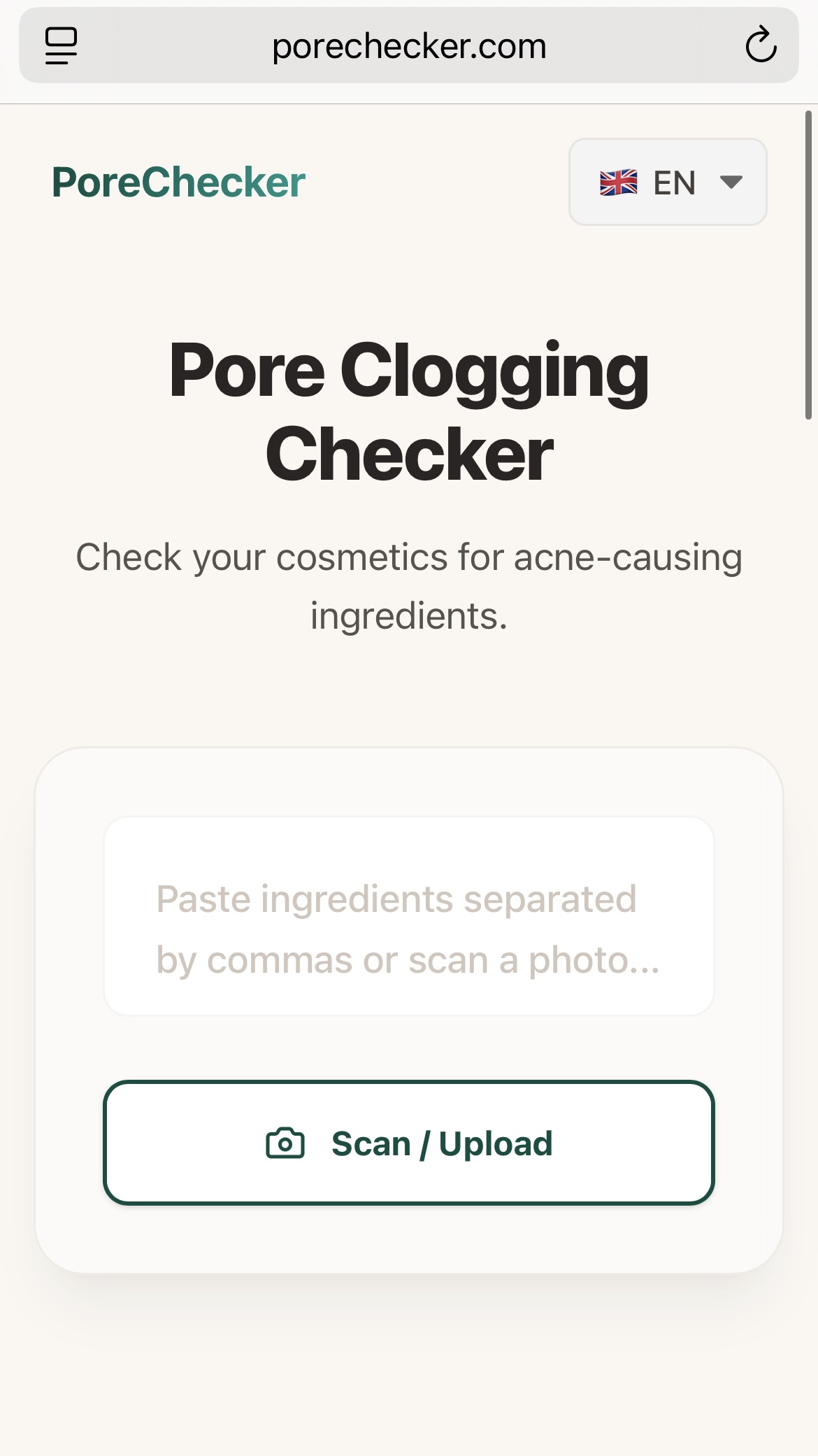
Step 1: Upload Your Product Image
Simply snap a photo of the ingredient list on the back of any bottle, jar, or box. No typing required.
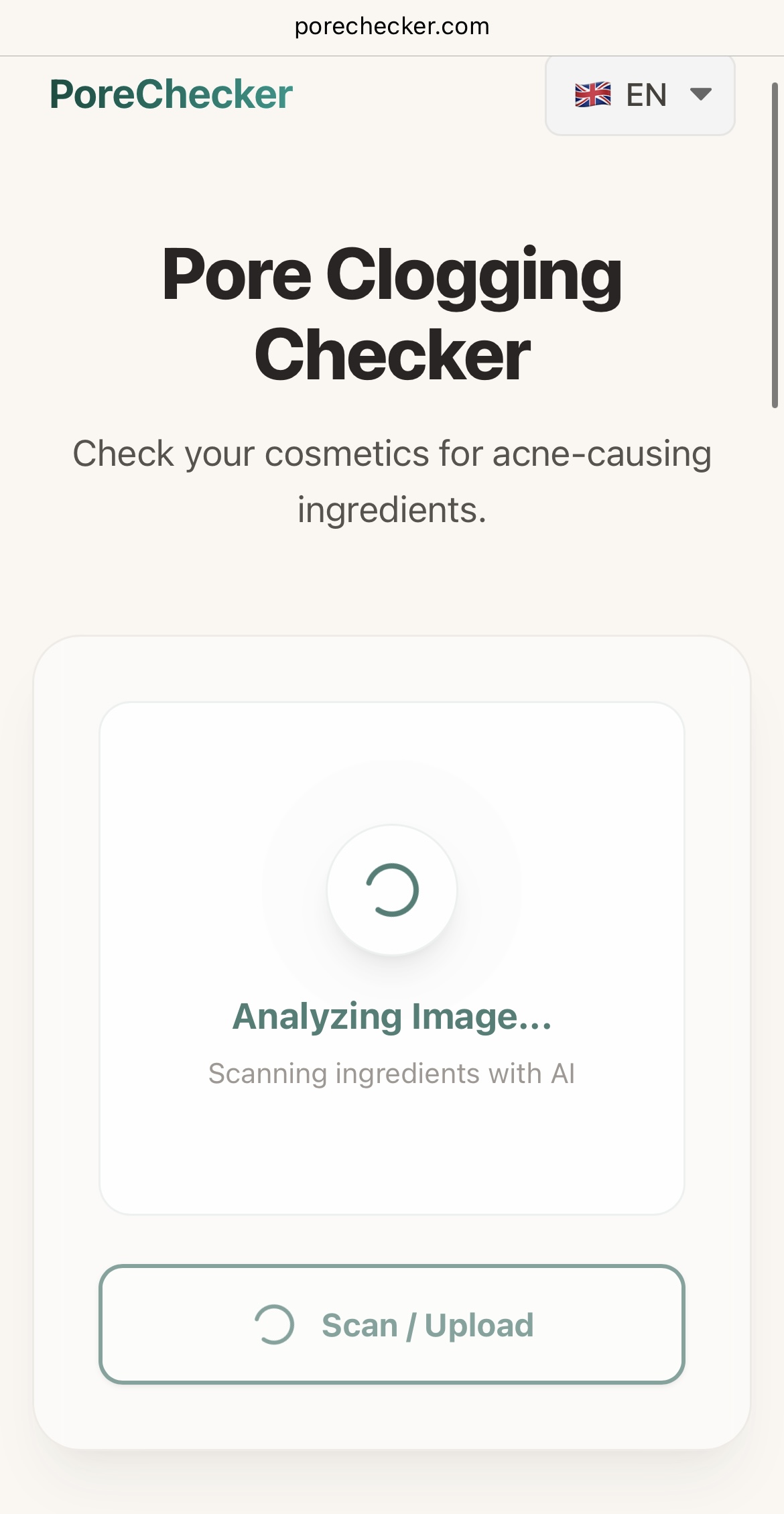
Step 2: Instant AI Ingredient Analysis
Our advanced AI scans the image, performs OCR (Optical Character Recognition), and matches every ingredient against our curated database of comedogenic substances.
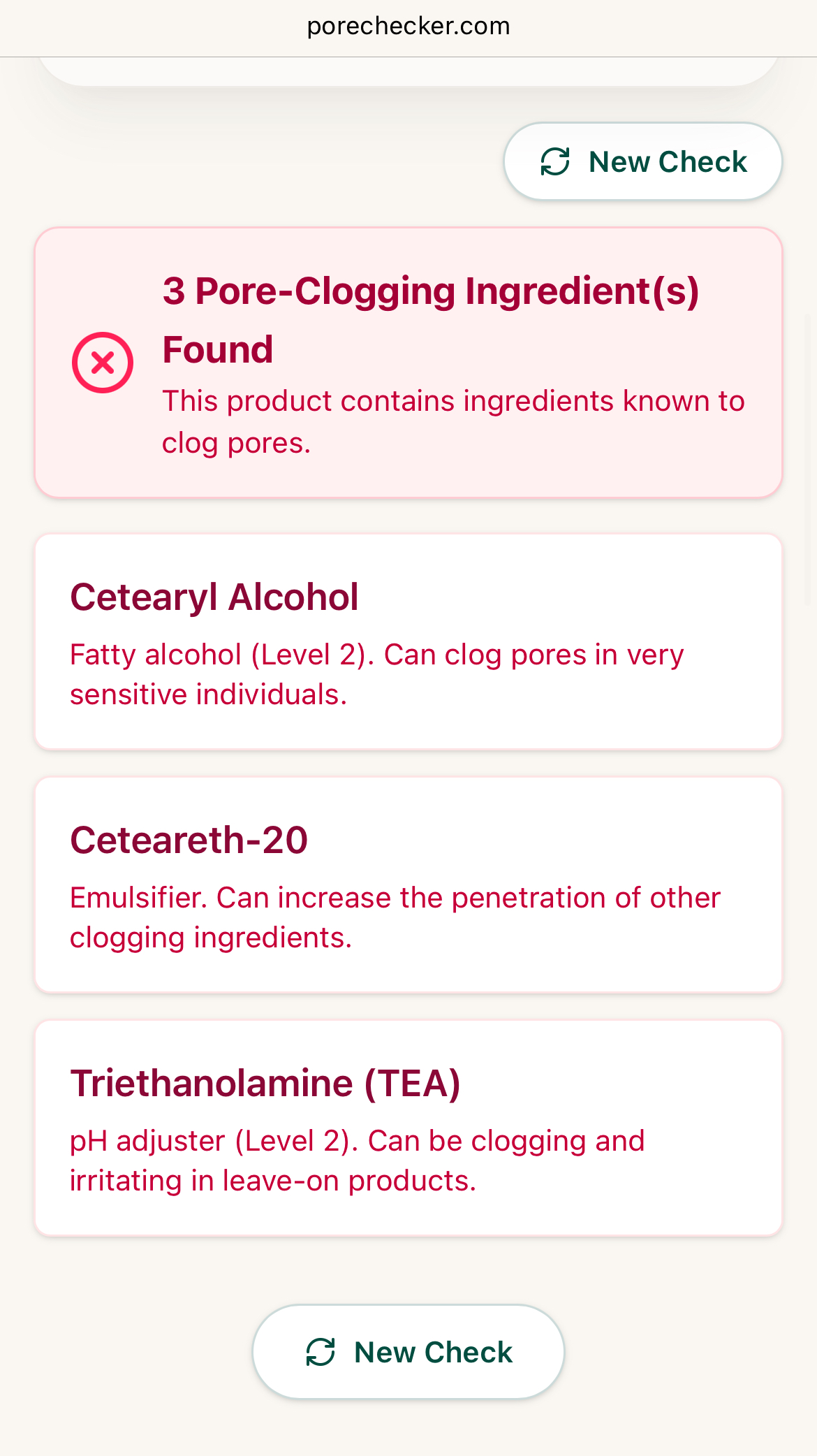
Step 3: Clear Results for Clearer Skin
You get an immediate breakdown. If any red-flag ingredients are found, we highlight them and explain why they might be problematic for your pores.
Does this product fit my skin's needs?
Check Your Products Now