Unlocking Radiant Skin: How to Use Niacinamide Serum Like a Pro
Learn how to use niacinamide serum effectively for radiant skin. Expert tips on application, combining ingredients, and avoiding common pitfalls.
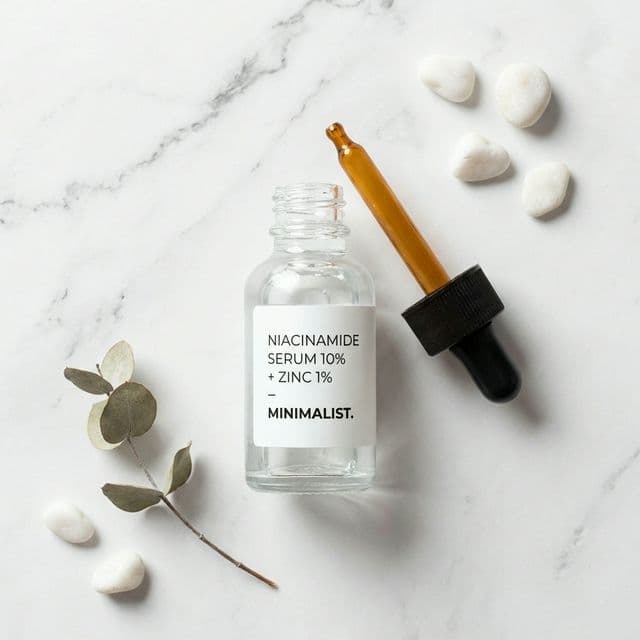
Niacinamide serum has become a staple in many skincare routines, and for good reason. This powerhouse ingredient, a form of vitamin B3, boasts a multitude of benefits, from reducing inflammation and minimizing pores to improving skin tone and texture. But simply owning a bottle isn't enough. The key to unlocking niacinamide's full potential lies in knowing *how* to use niacinamide serum effectively and integrating it seamlessly into your existing regimen, especially if you're battling sensitive or acne-prone skin.
One of the most appealing aspects of niacinamide is its generally well-tolerated nature. Unlike some actives, it's often suitable for sensitive skin. However, proper application and understanding how it interacts with other ingredients are crucial. This is especially important for those aiming for a non-comedogenic skincare approach, avoiding ingredients that can clog pores and lead to breakouts.
This guide offers expert advice, actionable steps, and insights to help you harness the power of niacinamide and achieve your clearest, healthiest skin yet.
The Niacinamide Advantage: What It Does
Before diving into application, let's recap why niacinamide is so beloved. This remarkable ingredient works on multiple levels. It reduces the appearance of enlarged pores, helps regulate oil production, minimizes redness and inflammation, and evens out skin tone. It also strengthens the skin's barrier function, protecting against environmental aggressors. This makes it a fantastic addition to a routine focused on achieving and maintaining clear, balanced skin. Furthermore, its antioxidant properties help protect against free radical damage, contributing to a more youthful complexion.
Key Benefits Summarized:
- Reduces the appearance of pores
- Controls oil production
- Reduces redness and inflammation
- Improves skin tone and texture
- Strengthens skin barrier
How to Integrate Niacinamide Serum Into Your Routine
The beauty of niacinamide serum lies in its versatility. It's generally well-tolerated and can be incorporated into both morning and evening routines. But application order is key. Here's a step-by-step guide:
Step 1: Cleanse
Start with a gentle, non-comedogenic cleanser to remove impurities and prepare your skin. Avoid harsh cleansers that can strip your skin of its natural oils.
Step 2: Apply Niacinamide Serum
Apply a few drops of niacinamide serum to your face and neck. Gently pat it into the skin and allow it to absorb for a few minutes before moving on to the next step. Note: using too much can sometimes lead to irritation, so start with a few drops and adjust as needed.
Step 3: Moisturize
Follow with a lightweight, non-comedogenic moisturizer to hydrate and lock in the benefits of the serum. Even oily skin needs hydration.
Step 4: Sunscreen (Morning Routine)
In the morning, finish with a broad-spectrum sunscreen with an SPF of 30 or higher to protect your skin from sun damage. Sunscreen is non-negotiable for maintaining healthy skin!
Ingredient Compatibility: What to Combine (and Avoid)
Niacinamide generally plays well with other skincare ingredients, making it easy to incorporate into a complex routine. However, a little knowledge can go a long way. Here’s what you need to know:
Great Combinations:
- Hyaluronic Acid: Works synergistically to boost hydration.
- Vitamin C: Can be used together, but apply vitamin C first, then niacinamide.
- Peptides: Enhances the anti-aging benefits.
Potential Conflicts (Use With Caution):
- AHAs/BHAs (e.g., Glycolic Acid, Salicylic Acid): Introduce these gradually and monitor your skin's reaction. Some people find these combinations irritating.
- High Concentrations of Vitamin C (L-Ascorbic Acid): While not always a problem, some people may experience flushing. Try alternating application times.
Hidden Pore-Cloggers to Watch Out For
Even when using niacinamide serum, breakouts can still occur if other products in your routine contain pore-clogging ingredients. Some common culprits include:
The Usual Suspects:
- Certain Oils: Coconut oil, mineral oil, and some seed oils can clog pores for some individuals.
- Silicones: Some silicones, like dimethicone, can be comedogenic for some.
- Thick Emollients: Ingredients like isopropyl myristate.
Less Obvious Offenders:
- Certain Alcohols: While some alcohols are fine, others, like SD alcohol, can be drying and irritating, potentially leading to increased oil production and breakouts.
- Fragrances: Artificial fragrances can cause irritation and sensitivity, indirectly contributing to breakouts.
Don't Let Your Products Ruin Your Progress
Understanding how to use niacinamide serum effectively is a significant step toward achieving your skincare goals. However, the path to clear skin isn't just about what you *add* to your routine; it's also about what you *avoid*. Even the most beneficial serum can be undermined by other products containing ingredients that can clog pores or irritate your skin. Therefore, to ensure that your carefully curated skincare routine supports your efforts, it's important to be mindful of the ingredients in *all* of your products, from cleansers and moisturizers to sunscreens and makeup. This proactive approach will help you identify and eliminate potential pore-cloggers, ensuring your skin thrives.
Step 1: Upload Your Product Image
Simply snap a photo of the ingredient list on the back of any bottle, jar, or box. No typing required.
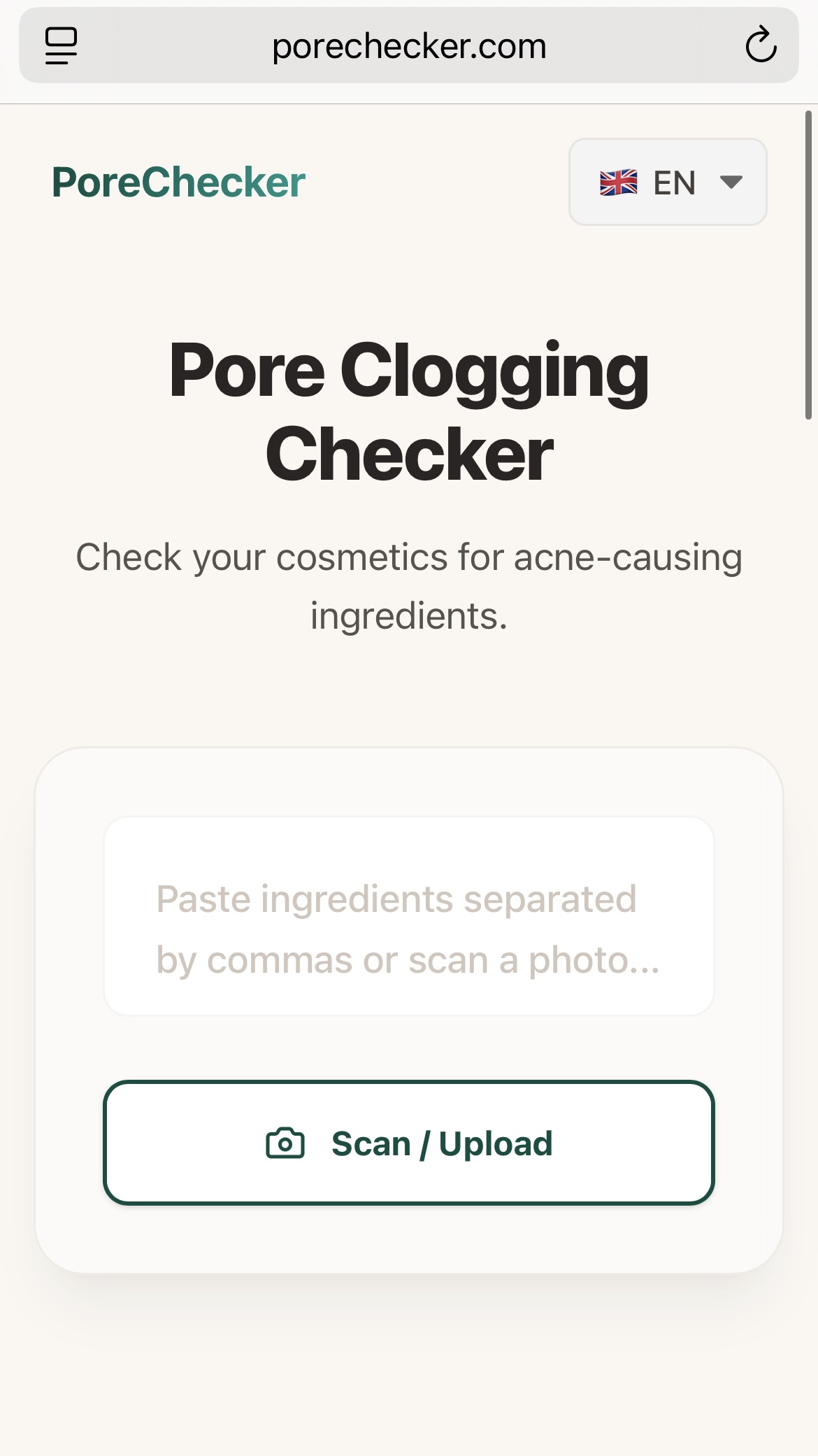
Step 2: Instant AI Ingredient Analysis
Our advanced AI scans the image, performs OCR (Optical Character Recognition), and matches every ingredient against our curated database of comedogenic substances.

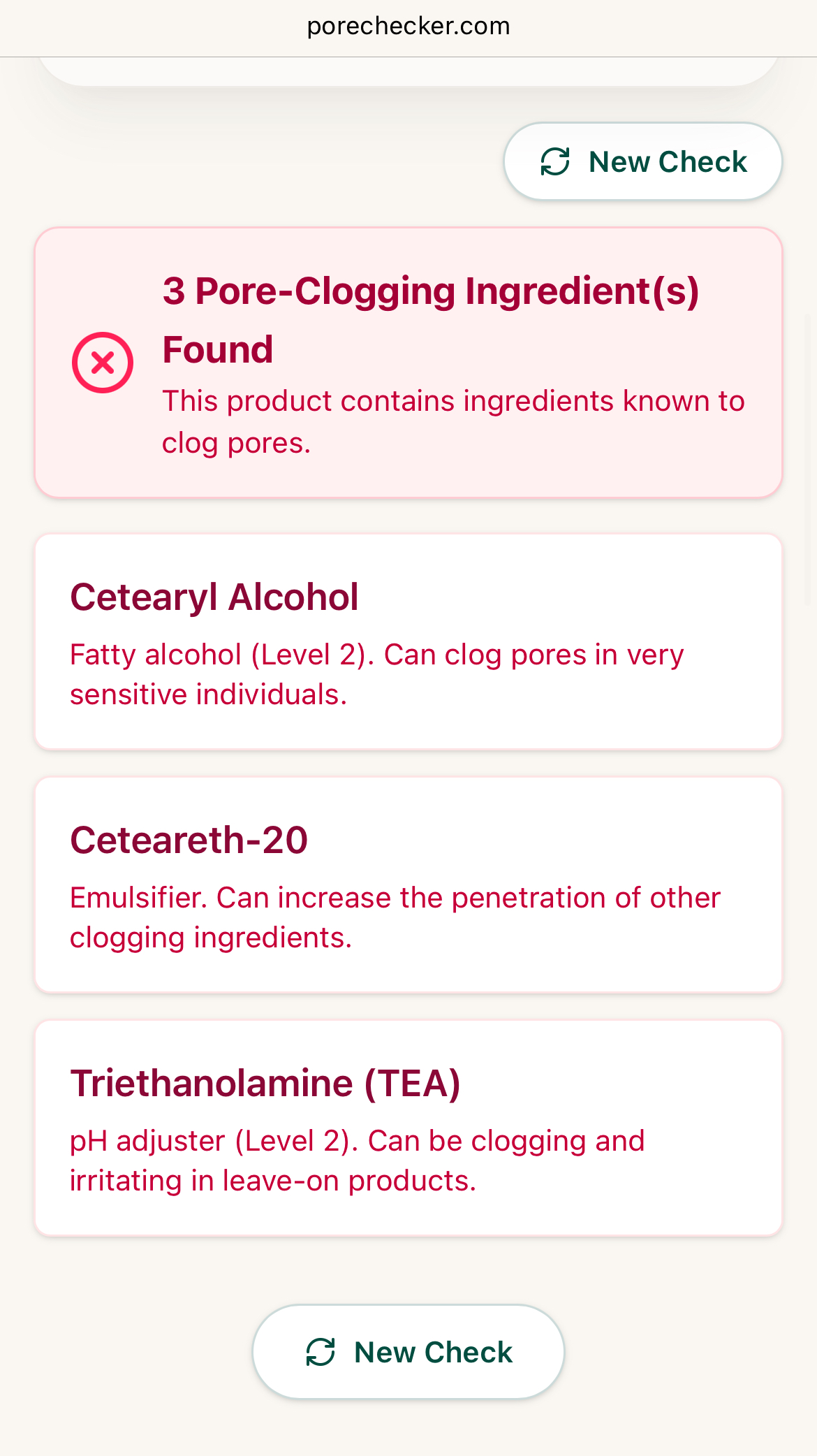
Step 3: Clear Results for Clearer Skin
You get an immediate breakdown. If any red-flag ingredients are found, we highlight them and explain why they might be problematic for your pores.
Does this product fit my skin's needs?
Check Your Products Now