Unveiling Natural Solutions: How to Remove Acne Scars Naturally
Discover how to remove acne scars naturally. Expert advice on gentle skincare routines, effective remedies, and long-term strategies for clearer skin.
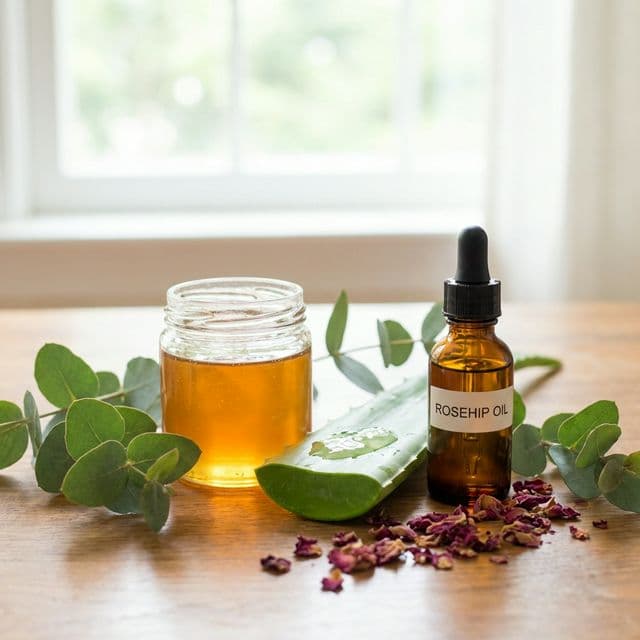
The aftermath of acne can be as frustrating as the breakouts themselves. Acne scars, in their various forms, can linger long after the active blemishes have subsided, impacting your skin's texture and, consequently, your self-esteem. While professional treatments offer potent solutions, many individuals seek gentler, natural approaches to fade these scars and restore a smoother complexion. This article delves into evidence-based strategies for how to remove acne scars naturally, emphasizing the importance of patience, consistency, and a non-comedogenic skincare routine.
Before we explore the remedies, it's crucial to understand that not all scars are created equal. Different types of acne scars—including atrophic (pitted), hypertrophic (raised), and post-inflammatory hyperpigmentation (PIH)—require tailored approaches. Furthermore, achieving significant improvement with natural methods often takes time and commitment. We'll focus on effective, accessible techniques you can integrate into your daily regimen, prioritizing ingredients and practices that support skin healing without clogging pores.
Remember, a non-comedogenic approach is paramount. Many skincare products, even those marketed as "gentle," can contain pore-clogging ingredients. Always check labels and patch-test new products to avoid exacerbating breakouts and hindering your progress.
Understanding Acne Scars and Natural Healing
Acne scars result from the skin's inflammatory response to acne lesions. This inflammation can damage collagen, the protein responsible for skin's structure and elasticity. While some scars resolve on their own, others require intervention. The skin’s natural healing process is complex, involving the production and remodeling of collagen. Natural remedies aim to support and accelerate this process, promoting cell turnover and reducing inflammation.
Types of Acne Scars
Understanding the type of scar you have is important because it dictates the best approach. Here's a brief overview:
- Atrophic Scars: These are indentations in the skin, often described as "pitted" or "ice pick" scars. They're the most common type and result from a loss of collagen.
- Hypertrophic Scars: These are raised scars, often seen in areas with high collagen production.
- Post-Inflammatory Hyperpigmentation (PIH): This isn’t technically a scar, but rather a discoloration (dark or red marks) left behind after a blemish. It's more common in individuals with darker skin tones and usually fades over time.
The Role of Natural Remedies
Natural remedies work by stimulating collagen production, reducing inflammation, and promoting cell turnover. Key ingredients often include antioxidants and gentle exfoliants. Consistency is key when using these methods. Results are gradual, so patience and a committed routine are vital.
Effective Natural Remedies for Scar Reduction
Numerous natural ingredients possess properties that can aid in reducing the appearance of acne scars. When incorporating these into your routine, remember to patch-test new products and introduce them gradually to observe your skin’s reaction.
Vitamin C Serums
Vitamin C is a potent antioxidant that protects against free radical damage and stimulates collagen synthesis. Look for serums with a concentration of 10-20% L-ascorbic acid, and apply them in the morning before sunscreen. Be aware that Vitamin C serums can oxidize over time, so store them properly (in a cool, dark place) and replace them when they change color.
Rosehip Oil
Rosehip oil is rich in essential fatty acids, vitamins, and antioxidants. It's known for its ability to reduce the appearance of scars, including PIH. Apply a few drops to your skin at night after cleansing and before your moisturizer. Ensure the oil is cold-pressed and of high quality.
Aloe Vera
Aloe vera has soothing and anti-inflammatory properties. It can aid in healing and reduce redness associated with scarring. Use pure aloe vera gel (avoid products with added alcohol or fragrances) and apply it to the affected areas regularly.
Honey
Raw honey has antibacterial and wound-healing properties. Applying a thin layer of raw honey to scars and leaving it on for 20-30 minutes before rinsing can help promote healing. Choose local, raw honey for best results.
Gentle Exfoliation
Exfoliation removes dead skin cells, promoting cell turnover and revealing brighter, smoother skin. However, over-exfoliation can worsen inflammation and scar appearance. Opt for gentle exfoliants like alpha-hydroxy acids (AHAs) or beta-hydroxy acids (BHAs) in low concentrations (e.g., 5-10%). Start slowly, using them once or twice a week, and always wear sunscreen.
Sun Protection
Sun exposure can darken existing scars and hinder the healing process. Wearing a broad-spectrum sunscreen with an SPF of 30 or higher daily is essential. Reapply sunscreen every two hours, especially if you're outdoors.
Don't Let Your Products Ruin Your Progress
As you embark on your journey to remove acne scars naturally, the products you use play a crucial role. While many natural ingredients can help, the wrong products can sabotage your efforts by causing new breakouts, inflammation, or irritation. Hidden pore-cloggers are lurking in many seemingly innocent formulations. Even ingredients like certain oils or thickeners, which may seem harmless, can contribute to clogged pores and impede healing. The best way to ensure your products are truly working with your goals is to always check the ingredients. This empowers you to make informed choices and avoid potential setbacks in your quest for clearer skin.
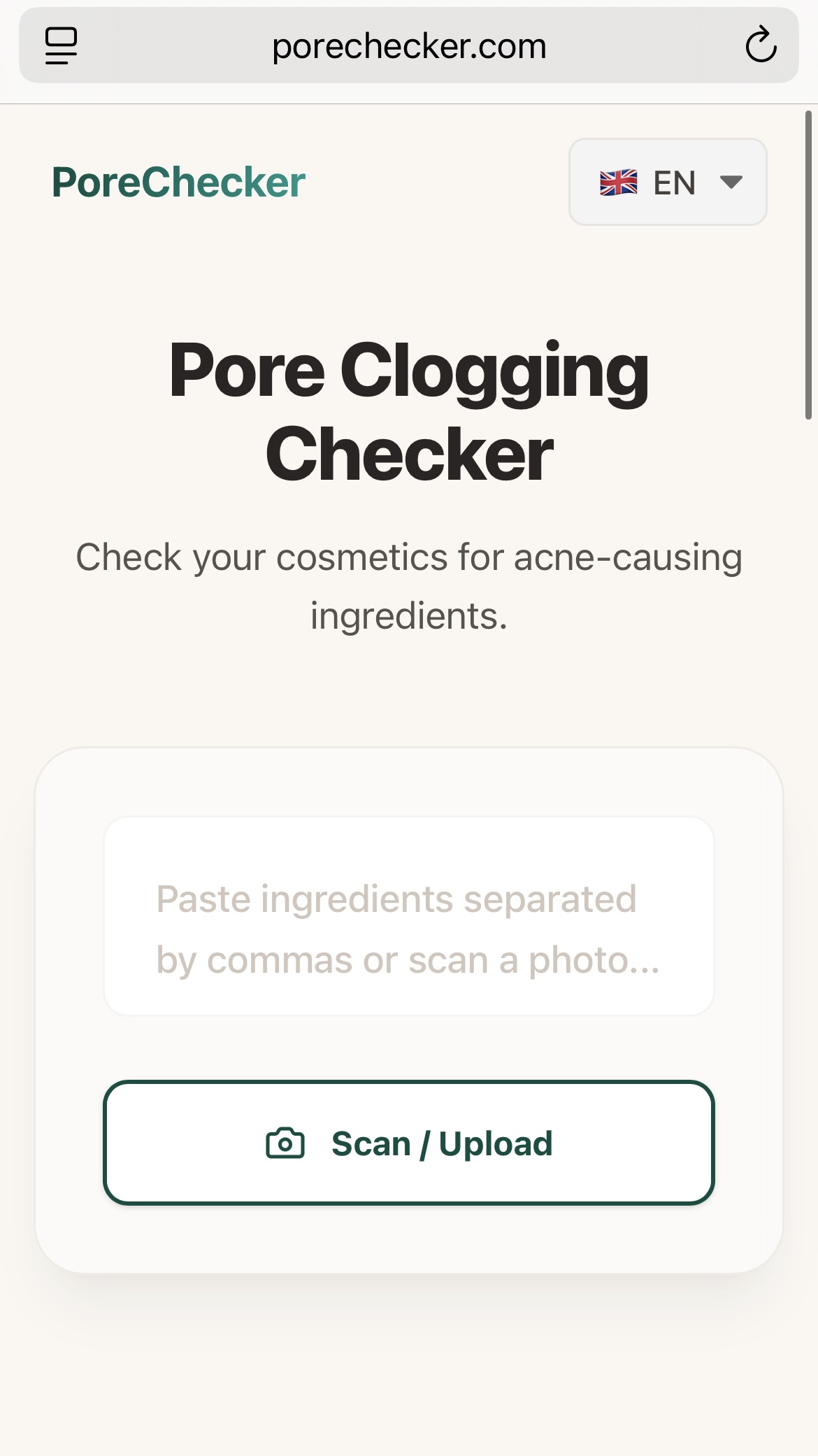
Step 1: Upload Your Product Image
Simply snap a photo of the ingredient list on the back of any bottle, jar, or box. No typing required.
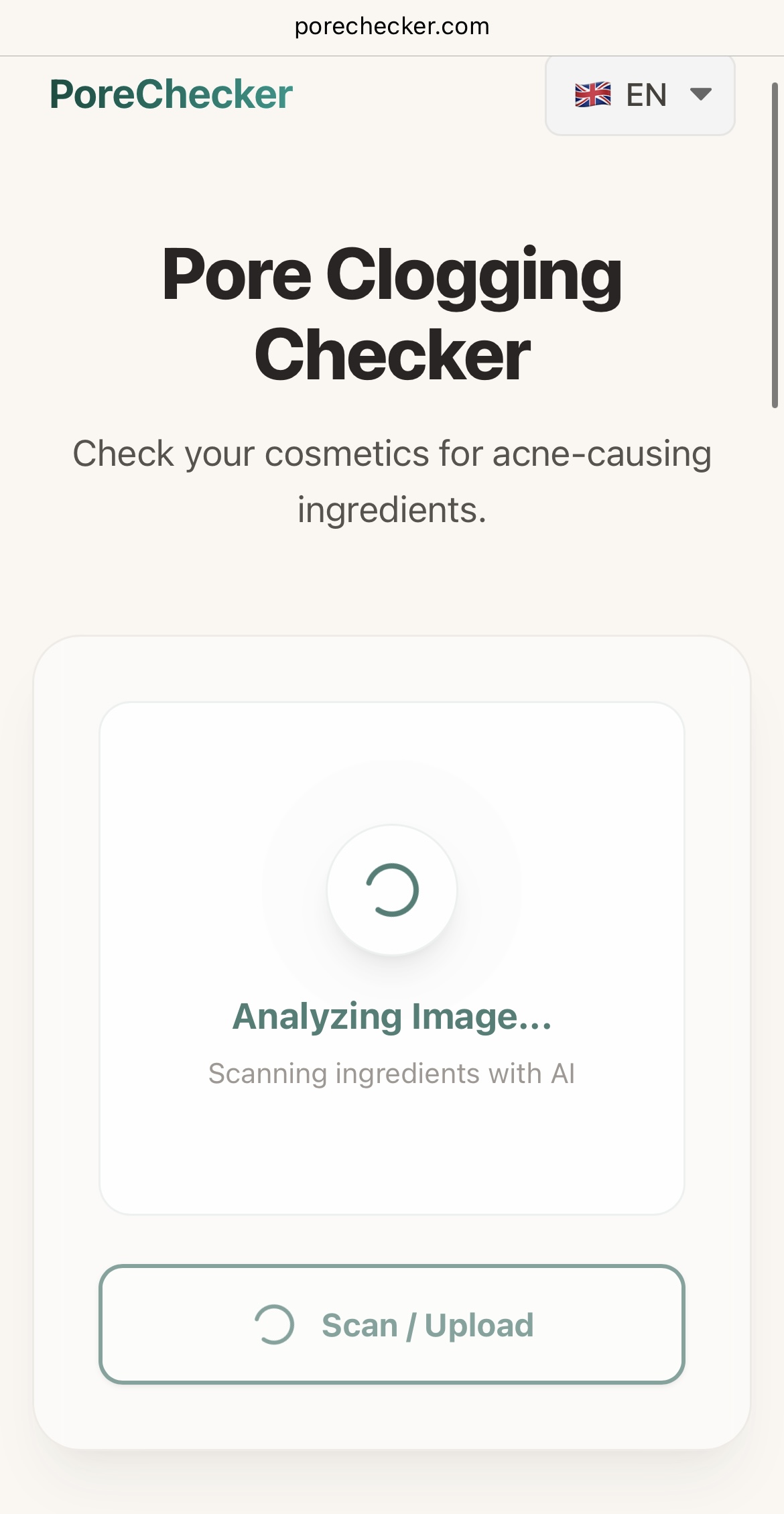
Step 2: Instant AI Ingredient Analysis
Our advanced AI scans the image, performs OCR (Optical Character Recognition), and matches every ingredient against our curated database of comedogenic substances.
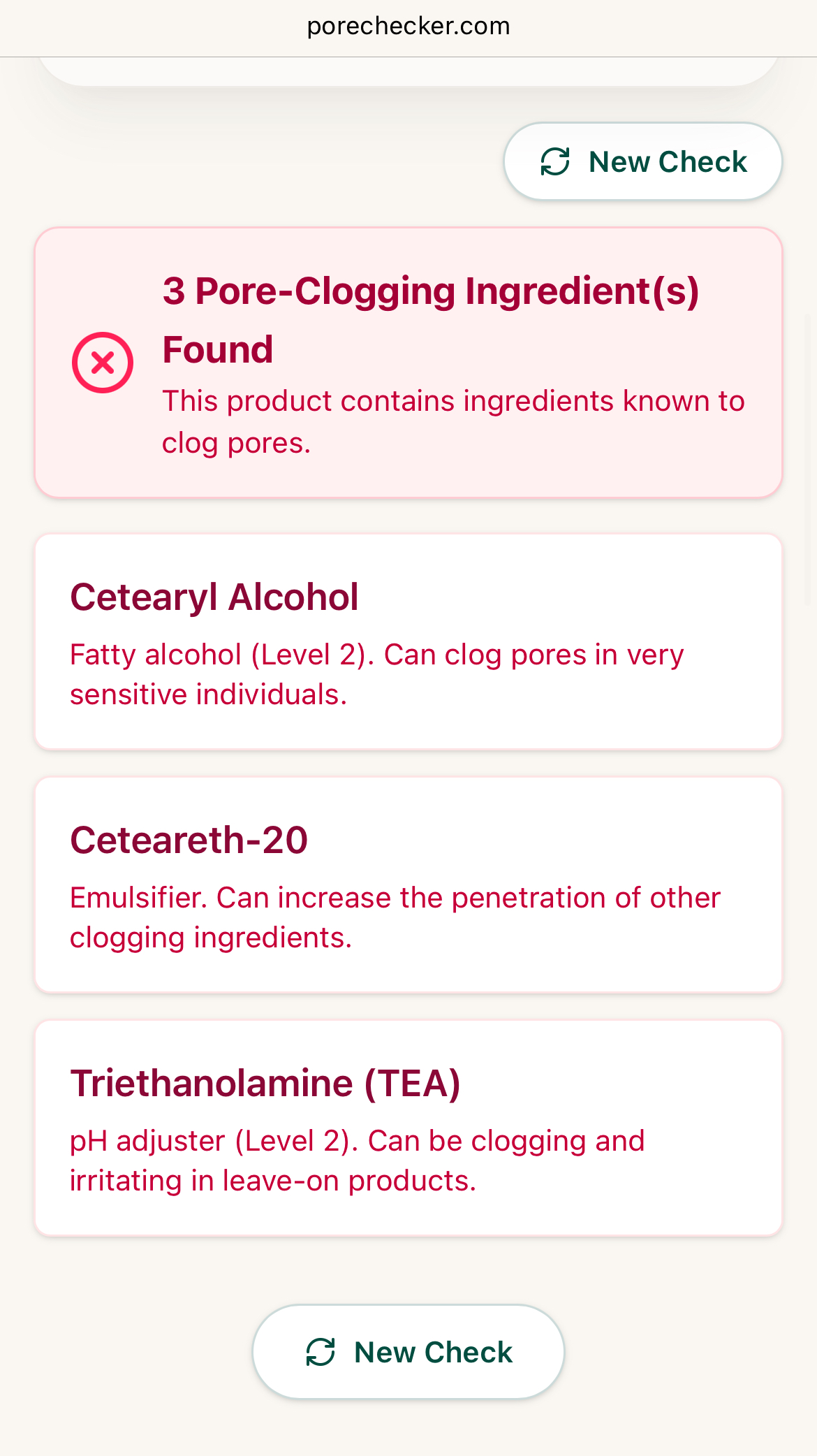
Step 3: Clear Results for Clearer Skin
You get an immediate breakdown. If any red-flag ingredients are found, we highlight them and explain why they might be problematic for your pores.
Does this product fit my skin's needs?
Check Your Products Now