What Do Clogged Pores Look Like & How to Tackle Them
Discover what clogged pores look like and how to treat them! Learn about the different types, causes, and effective skincare tips for clear skin.
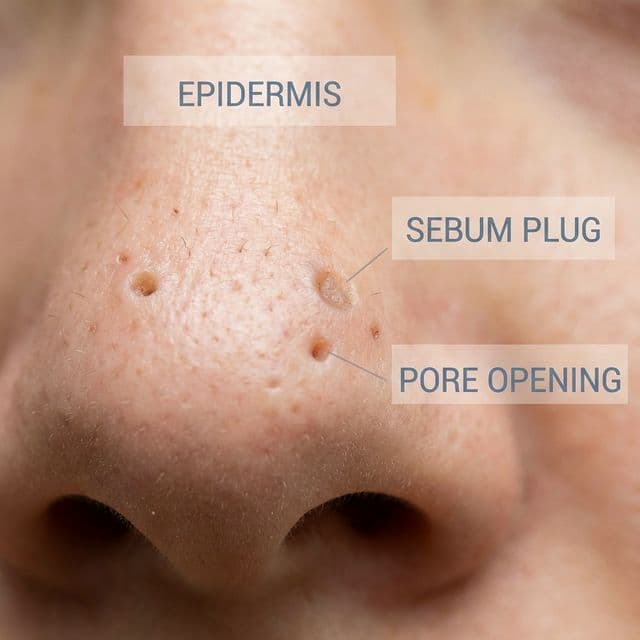
As a dermatologist, I frequently get asked, "What do clogged pores look like?" It's a common concern, and understanding the visual cues is the first step toward achieving clearer, healthier skin. Clogged pores, or comedones, are the precursors to many breakouts, so early detection and proper care are crucial. The good news is, armed with the right knowledge, you can effectively manage and minimize their appearance.
The key to managing clogged pores lies in adopting a non-comedogenic skincare routine. This means choosing products specifically formulated not to clog pores. Ingredients like mineral oil, certain silicones, and heavy waxes are common pore-cloggers, so reading labels carefully is a must. Remember, consistency is key: a dedicated, gentle approach is more effective than harsh, sporadic treatments. Let's delve into the various forms clogged pores take and how to combat them.
Unmasking the Culprits: Identifying Clogged Pores
Clogged pores manifest in several ways, each with its own visual characteristics. Knowing these distinctions can help you tailor your skincare approach. Here’s a breakdown of what to look for:
Blackheads: The Open Comedones
Blackheads are open comedones, meaning the pore is open to the skin's surface. They appear as small, dark spots. The dark color isn't dirt, as is commonly believed; rather, it’s caused by the oxidation of melanin (skin pigment) when exposed to air. Blackheads often have a slightly raised texture, and they’re most prevalent in areas with high oil production, like the T-zone (forehead, nose, and chin).
Whiteheads: The Closed Comedones
Whiteheads, or closed comedones, are clogged pores that are closed at the surface. They appear as small, white or flesh-colored bumps. Unlike blackheads, whiteheads are not exposed to air, and the sebum (oil), dead skin cells, and bacteria within the pore create a closed environment. These can be more challenging to address because the blockage is sealed.
Sebaceous Filaments: The Often-Misunderstood
Sebaceous filaments are not technically clogged pores, but they can look similar to blackheads. They are natural structures within the pore that channel sebum to the skin’s surface. They appear as small, light-colored (often yellowish or gray) dots or filaments, and are most visible on the nose. Unlike blackheads, sebaceous filaments are not caused by a buildup of debris; they are simply the channels through which oil flows. They tend to be more prominent in areas with more oil production.
Addressing Clogged Pores: A Practical Guide
Effective management of clogged pores requires a multifaceted approach. This includes a consistent skincare routine, mindful product choices, and, sometimes, professional treatments. Here are some essential tips:
Cleansing: The Foundation of Clear Skin
Gentle cleansing is paramount. Use a non-comedogenic cleanser twice daily to remove oil, dirt, and dead skin cells. Look for cleansers containing ingredients like salicylic acid or benzoyl peroxide, which can help to exfoliate and prevent future breakouts. Avoid harsh scrubbing, which can irritate the skin and worsen the problem.
Exfoliation: Unclogging the Blockage
Regular exfoliation is essential to remove dead skin cells that contribute to pore blockages. Chemical exfoliants, such as AHAs (alpha-hydroxy acids) like glycolic acid or BHAs (beta-hydroxy acids) like salicylic acid, are particularly effective. Start slowly (once or twice a week) and gradually increase frequency as your skin tolerates it. Physical exfoliants, like scrubs, should be used with caution, as they can be abrasive.
Non-Comedogenic Products: Your Best Friends
Always choose skincare products, including moisturizers, sunscreens, and makeup, that are labeled "non-comedogenic" or "oil-free." These formulations are designed not to clog pores. Carefully read ingredient lists, and be aware of common pore-clogging offenders (see below) to make informed choices. Avoid thick, heavy creams or products that contain ingredients like mineral oil, lanolin, or certain silicones if you're prone to clogged pores.
Spot Treatments: Targeted Care
For individual blemishes, spot treatments containing benzoyl peroxide or salicylic acid can be effective. Apply these directly to the affected area to help reduce inflammation and clear the blockage. Follow the product’s instructions carefully and be mindful of potential irritation.
Professional Help: When to Seek It
If you’re struggling to manage clogged pores on your own, consider consulting a dermatologist. Professional treatments, such as chemical peels, microdermabrasion, or extractions, can be very effective in clearing clogged pores and improving skin texture. A dermatologist can also help you develop a personalized skincare routine tailored to your specific skin needs.
Hidden Pore-Cloggers: Beyond the Obvious
Be aware that some everyday habits and products can contribute to clogged pores. These include:
- Makeup: Certain makeup formulations, especially those with heavy oils or waxes, can contribute. Always remove makeup thoroughly at the end of the day.
- Hair Products: Some hair products can come into contact with the skin and cause blockages, particularly on the forehead and hairline.
- Touching Your Face: Avoid touching your face throughout the day, as this can transfer dirt and bacteria.
- Dirty Pillowcases: Change your pillowcase frequently (at least twice a week) to prevent a buildup of oil, bacteria, and dead skin cells.
Don't Let Your Products Ruin Your Progress
Understanding what clogged pores look like and how to treat them is just one piece of the puzzle. The products you use, from cleansers and moisturizers to makeup and sunscreen, play a critical role. Many seemingly innocuous formulations contain ingredients that can exacerbate the problem, and even counteract the other efforts you are making to achieve clear skin. That's why carefully checking the ingredients in every product you use is so important. By learning which ingredients to avoid, you can significantly reduce the likelihood of clogged pores and keep your skin clear and healthy. To help you with this crucial step, consider using a tool that analyzes product ingredients, flagging potential pore-clogging culprits, and helping you make informed choices.
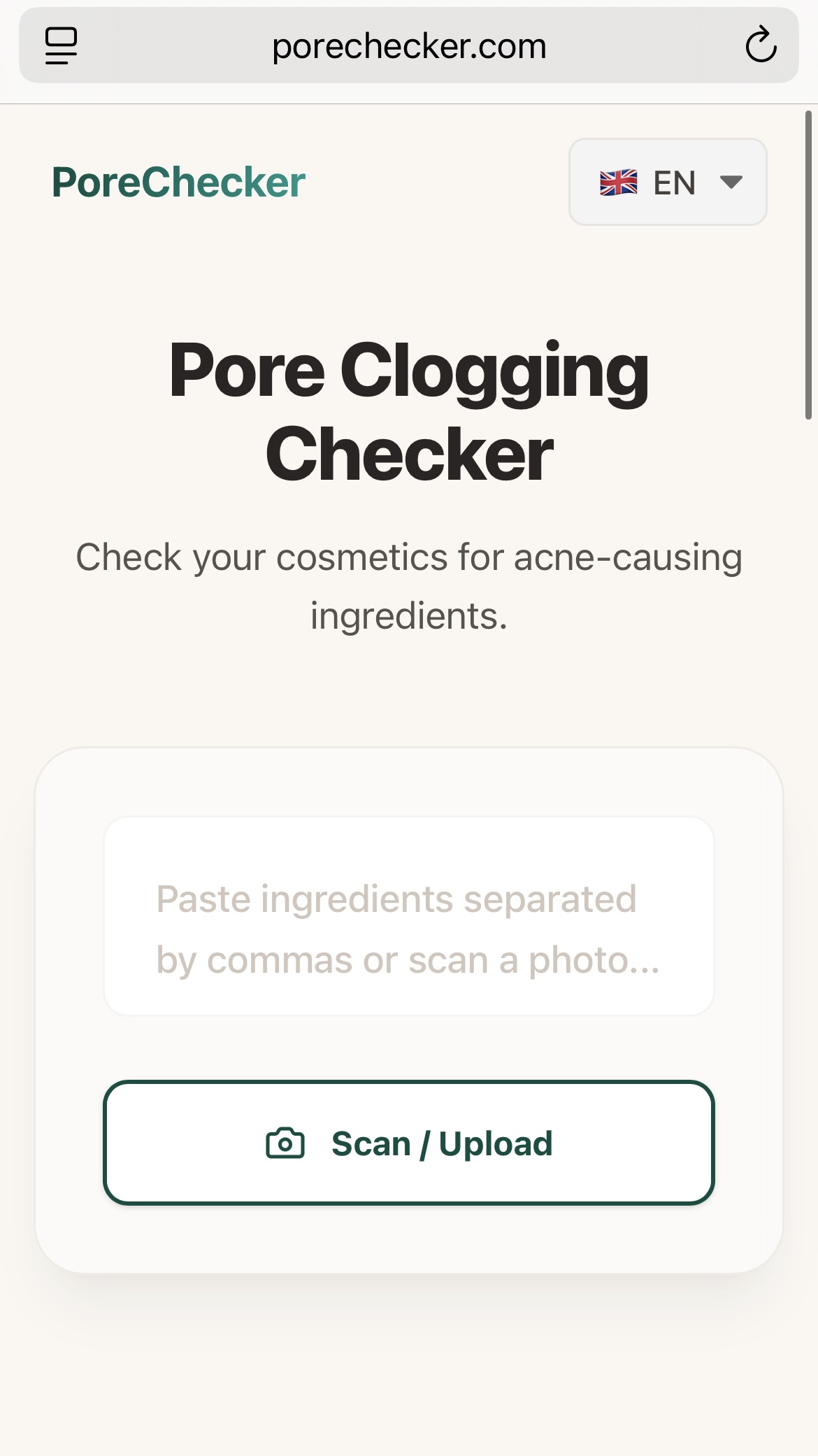
Step 1: Upload Your Product Image
Simply snap a photo of the ingredient list on the back of any bottle, jar, or box. No typing required.
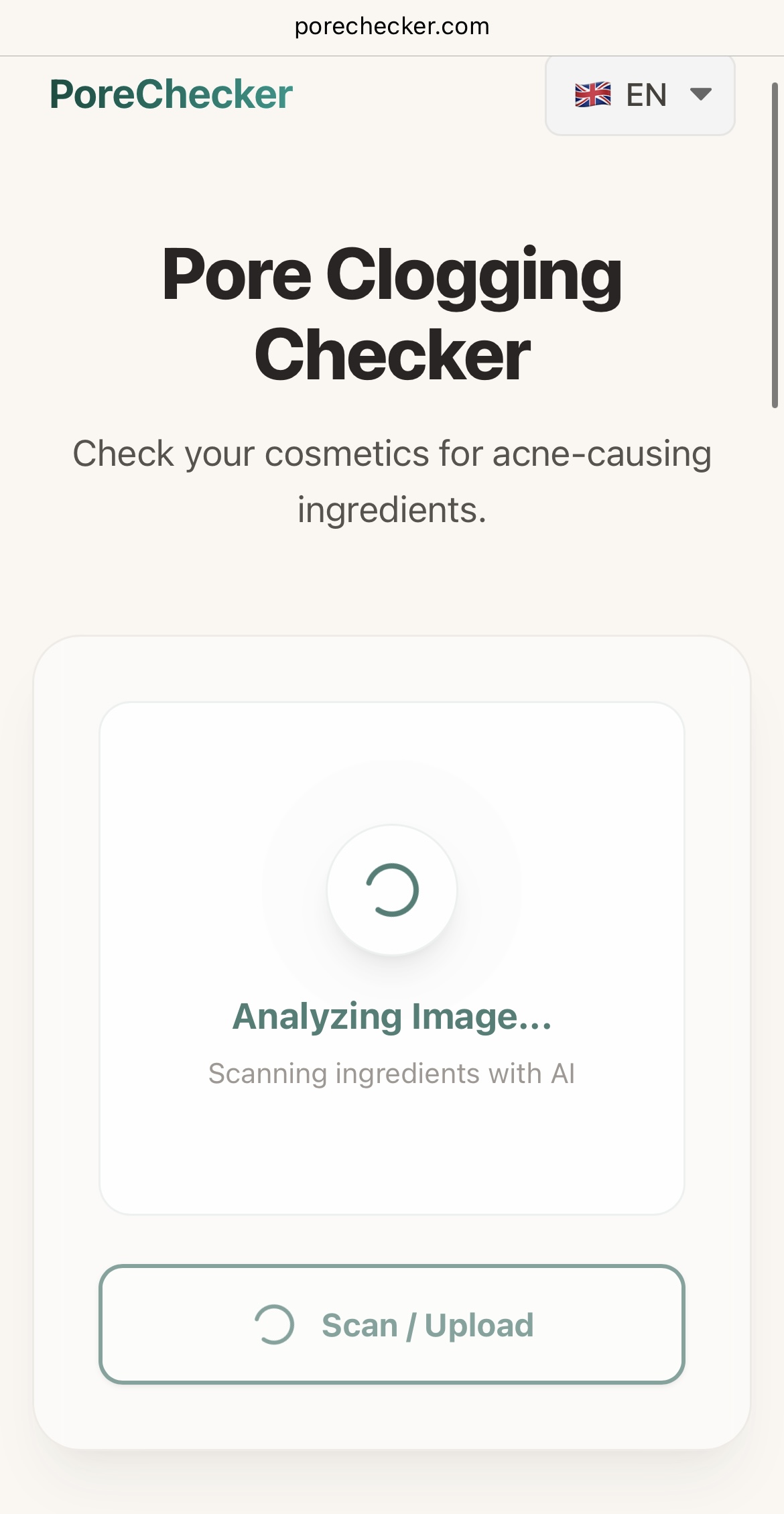
Step 2: Instant AI Ingredient Analysis
Our advanced AI scans the image, performs OCR (Optical Character Recognition), and matches every ingredient against our curated database of comedogenic substances.
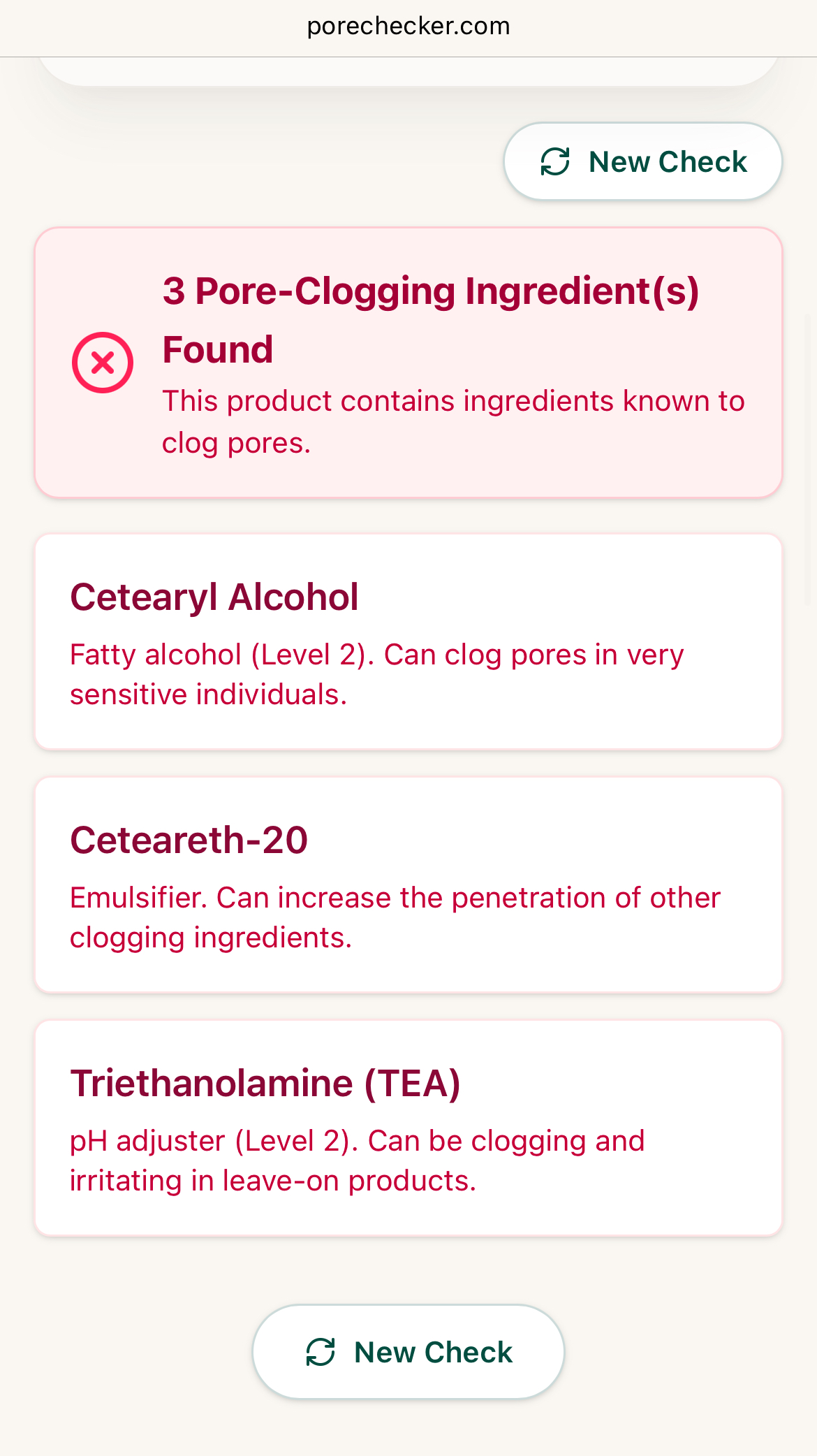
Step 3: Clear Results for Clearer Skin
You get an immediate breakdown. If any red-flag ingredients are found, we highlight them and explain why they might be problematic for your pores.
Does this product fit my skin's needs?
Check Your Products Now