What Does Fungal Acne Look Like? Spotting & Treating Malassezia Folliculitis
Unsure if you have fungal acne? Learn what it looks like, its causes, and effective treatments. Discover how to identify and manage Malassezia folliculitis.
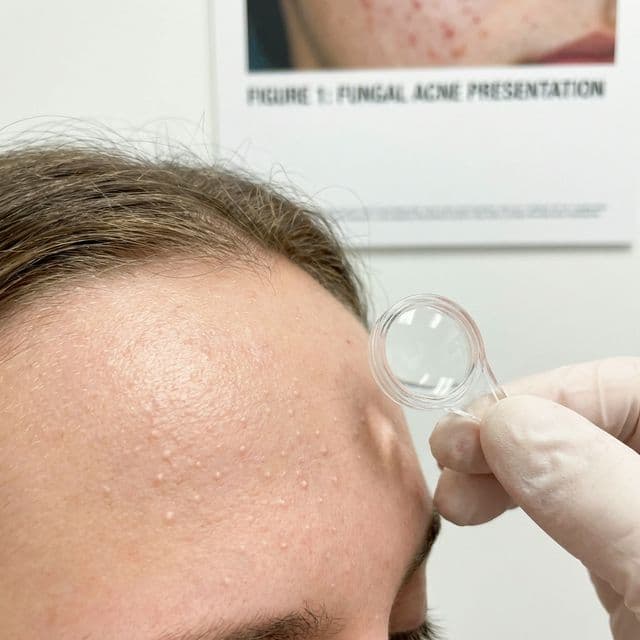
Dealing with persistent breakouts can be frustrating, and misdiagnosing the root cause can prolong your skin woes. While many assume their blemishes are caused by typical acne, another culprit, fungal acne (Malassezia folliculitis), may be the true offender. Understanding what fungal acne looks like is the first step toward effective treatment. This article will help you identify the telltale signs and differentiate it from common acne, empowering you to take control of your skin health.
Fungal acne isn't actually acne in the traditional sense. It's an infection of the hair follicles caused by an overgrowth of yeast called Malassezia. This yeast is naturally present on the skin, but factors like humidity, excessive oil production, and certain products can cause it to multiply, leading to inflammation and breakouts. The good news? Fungal acne is treatable, and by recognizing its unique characteristics, you can work towards achieving clearer, healthier skin. Remember to focus on non-comedogenic skincare products to minimize further issues.
Navigating skincare can feel like deciphering a complex code. Let’s decode fungal acne, helping you to clearly identify it and understand its nuances.
The Visual Clues: What Does Fungal Acne Look Like?
Unlike the varied forms of common acne, fungal acne typically presents with a more uniform appearance. The most common presentation is characterized by small, uniform bumps. Here’s a breakdown of the visual characteristics:
Size and Uniformity:
Fungal acne lesions are usually small, around 1-2 millimeters in diameter. They often appear in a cluster of similar-sized bumps, creating a uniform texture across the affected area. This contrasts with the varied sizes and types of lesions (e.g., comedones, papules, pustules) seen in typical acne.
Location:
Common areas for fungal acne include the forehead, hairline, chest, and back. While it can appear anywhere on the body, these areas tend to be more prone due to higher oil production and humidity. It often spares the areas where typical acne thrives, like the cheeks.
Color:
The bumps are often flesh-colored or slightly red, but can also appear as tiny, uniform, and sometimes itchy pustules. The redness tends to be less pronounced compared to the inflammation seen in inflammatory acne, and the lesions are more likely to be filled with pus if pustules are present.
Differentiating Fungal Acne from Regular Acne
Correctly identifying fungal acne is crucial for effective treatment. Here's how to distinguish it from common acne:
Response to Traditional Acne Treatments:
If your acne isn't responding to standard acne treatments containing ingredients like benzoyl peroxide or salicylic acid, it could be a sign that you're dealing with fungal acne. These treatments target bacteria, but they won't address the underlying fungal infection. In some cases, they can even worsen fungal acne by disrupting the skin's natural balance.
Itchiness:
Fungal acne is often accompanied by itchiness, a symptom less common with typical acne. This is due to the inflammatory response triggered by the Malassezia yeast. If your breakouts are itchy, fungal acne is a strong possibility.
Clustered Appearance:
As mentioned, the uniform, clustered appearance is a key differentiator. Regular acne tends to present with a more varied appearance, including blackheads, whiteheads, papules, and pustules of different sizes.
Treating and Preventing Fungal Acne
Treating fungal acne involves addressing the overgrowth of Malassezia and preventing future flare-ups. Key strategies include:
Antifungal Treatments:
Topical and, in severe cases, oral antifungal medications prescribed by a dermatologist are the primary treatments. These medications target and eliminate the yeast overgrowth.
Skincare Routine:
Use a gentle, non-comedogenic cleanser to avoid irritating the skin. Avoid harsh exfoliants that can disrupt the skin's barrier. Choose oil-free and fragrance-free products. Consider incorporating products with ingredients like zinc pyrithione or selenium sulfide, which have antifungal properties. These are available in many over-the-counter products, like shampoos that can be used as cleansers on affected areas.
Lifestyle Adjustments:
Minimize humidity and sweat by showering promptly after workouts. Wear loose-fitting clothing to allow your skin to breathe. Avoid prolonged exposure to heat and humidity, which can promote yeast growth. Changing your pillowcases frequently is also advised.
Don't Let Your Products Ruin Your Progress
Successfully addressing fungal acne requires a multi-pronged approach, and it all starts with recognizing what's happening on your skin. Once you understand the visual characteristics of fungal acne and the ways to treat it, it’s vital to assess your skincare products. Many seemingly harmless ingredients can actually feed the Malassezia yeast and worsen your condition. Ingredients like fatty acids and esters are notorious pore-cloggers, which can exacerbate fungal acne. Being mindful of these potential triggers in your products is essential, and an easy way to achieve this is by using a specialized ingredient checker. This tool helps you decipher the complex world of skincare formulation, empowering you to make informed choices that support your skin’s health and the effectiveness of your treatment plan.
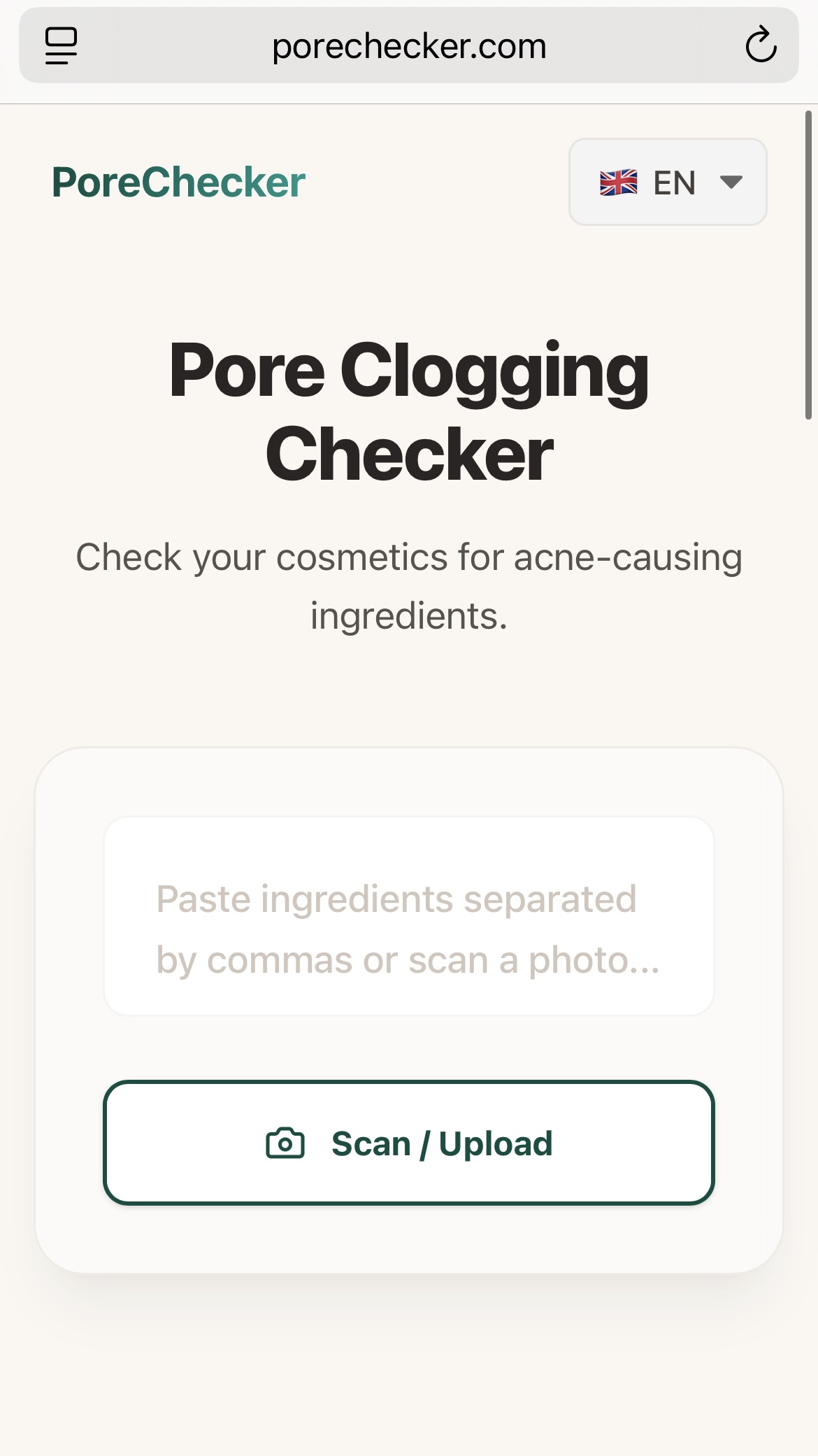
Step 1: Upload Your Product Image
Simply snap a photo of the ingredient list on the back of any bottle, jar, or box. No typing required.
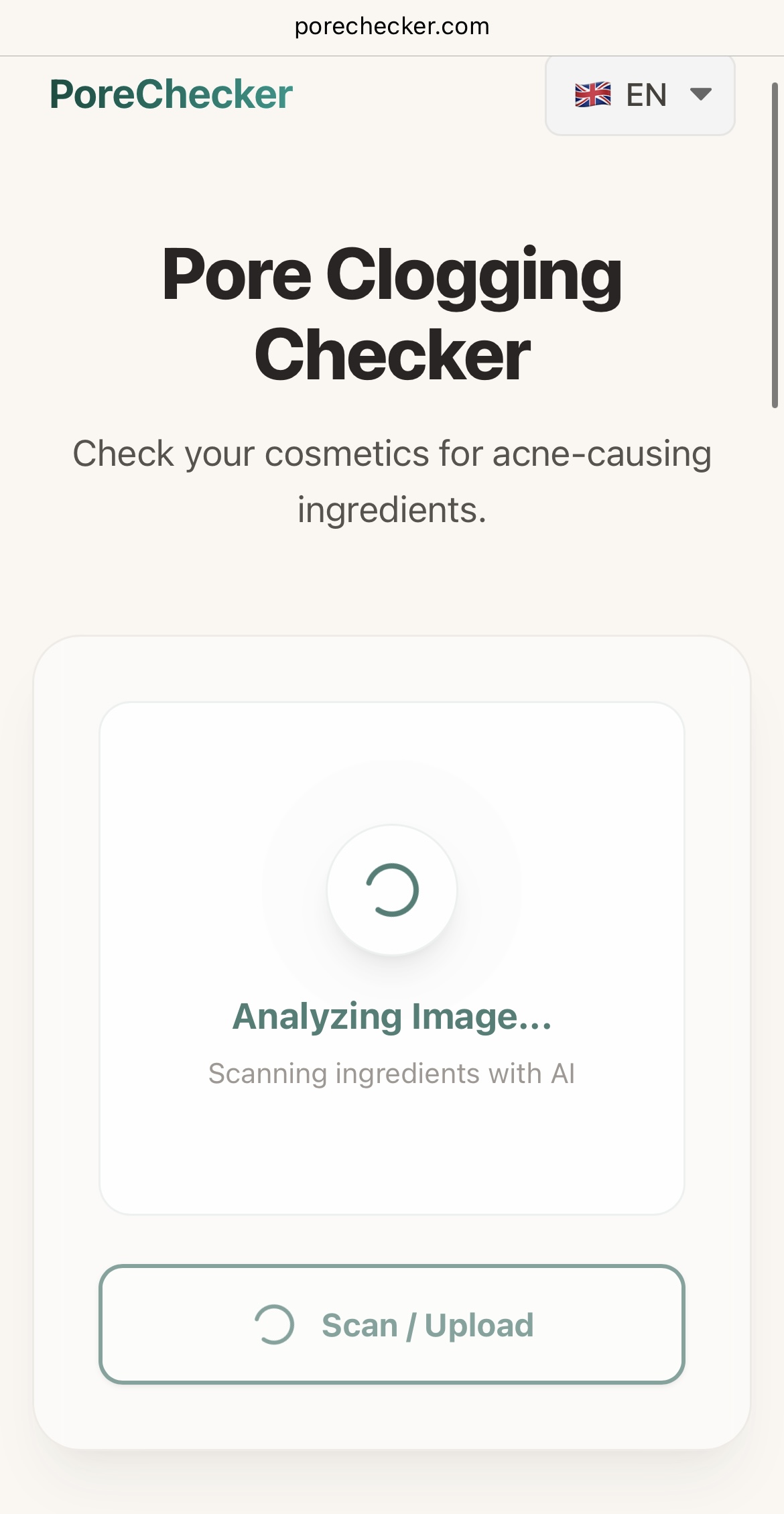
Step 2: Instant AI Ingredient Analysis
Our advanced AI scans the image, performs OCR (Optical Character Recognition), and matches every ingredient against our curated database of comedogenic substances.
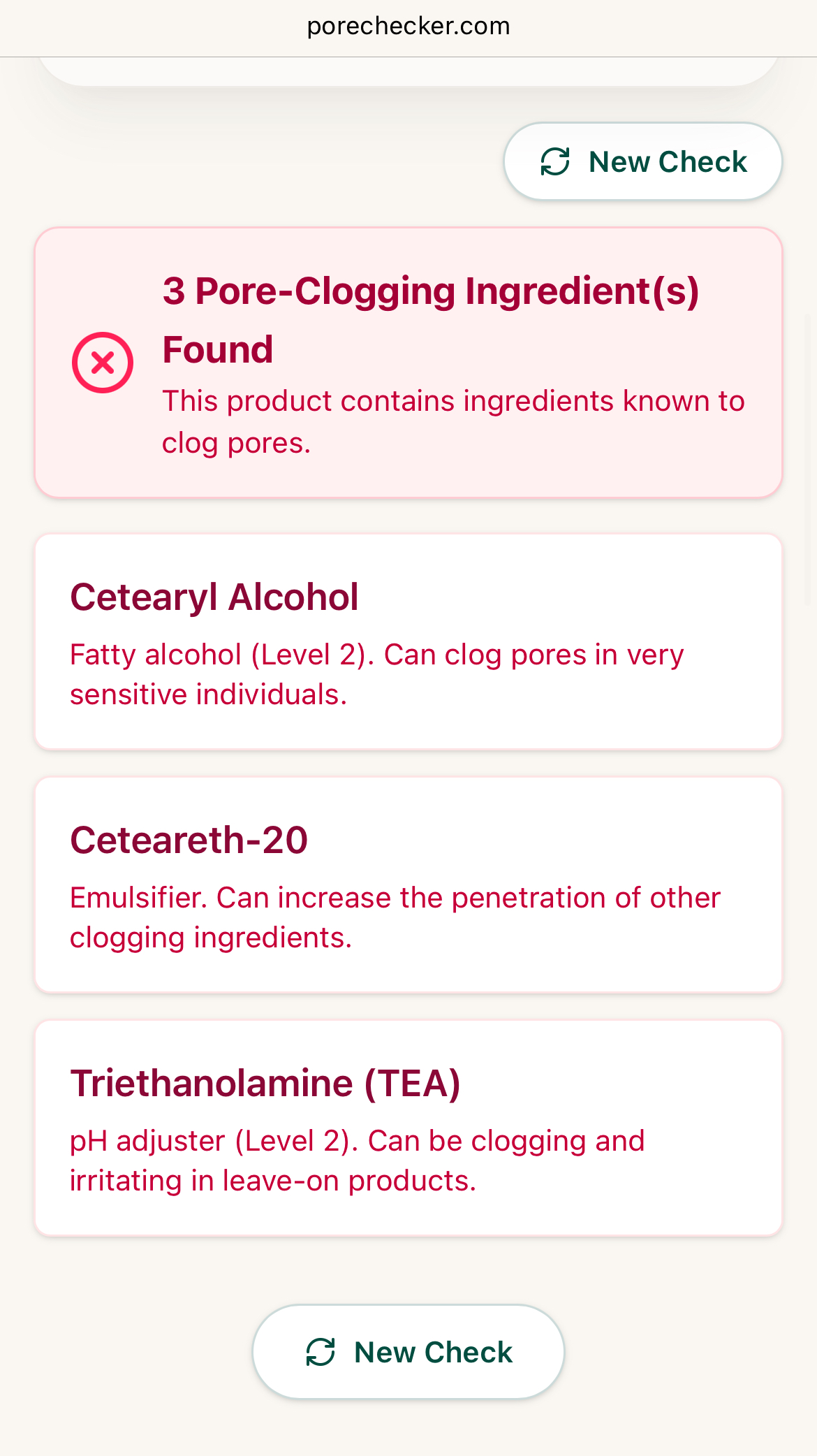
Step 3: Clear Results for Clearer Skin
You get an immediate breakdown. If any red-flag ingredients are found, we highlight them and explain why they might be problematic for your pores.
Does this product fit my skin's needs?
Check Your Products Now