What Is a Vitamin C Serum & Why Your Skin Craves It
Discover the power of Vitamin C serum! Learn its benefits for your skin, how it works, and what to look for when choosing the right product for your needs.
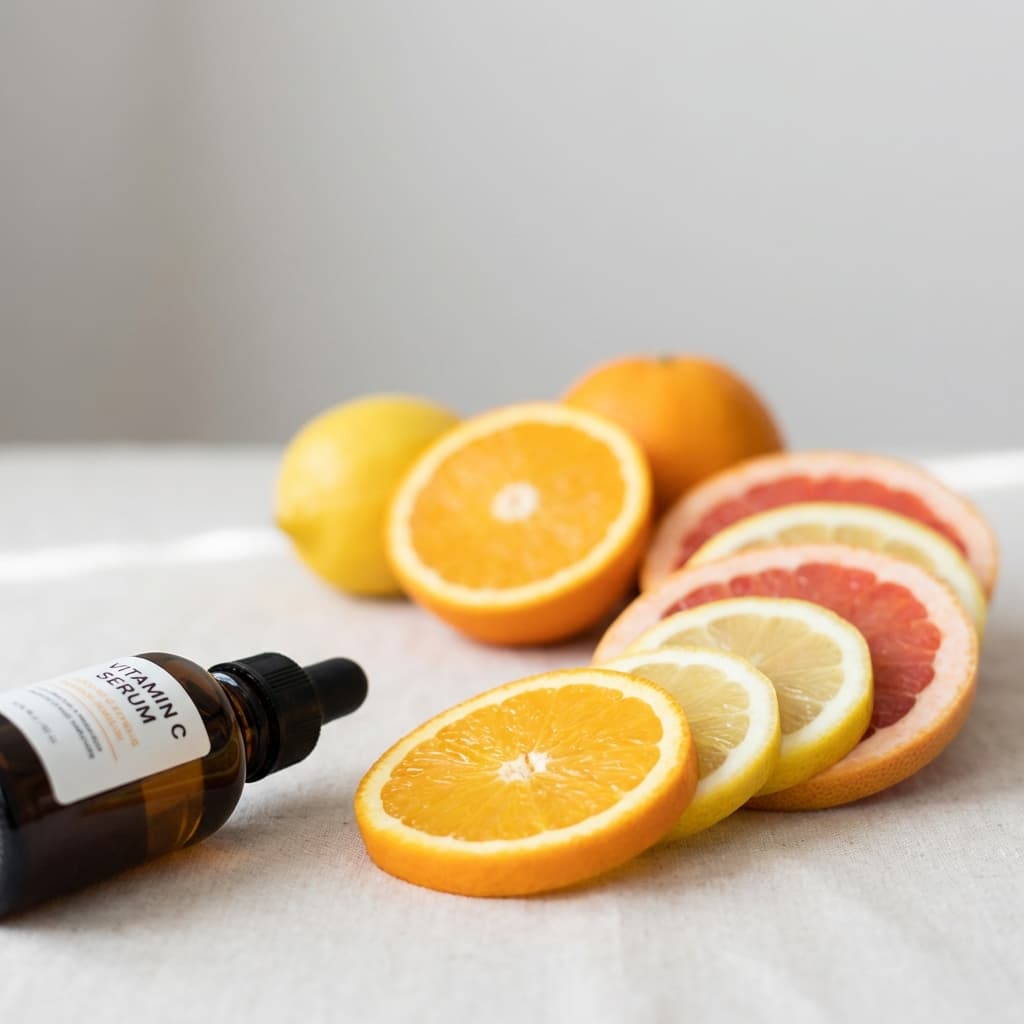
As a dermatologist and skincare scientist, I'm often asked about the "must-have" products for a healthy, radiant complexion. One star ingredient consistently tops the list: Vitamin C. But what is a Vitamin C serum, and why is it so essential? Let's explore the science-backed benefits of this powerhouse antioxidant and how it can revolutionize your skincare routine.
The beauty of a Vitamin C serum lies in its versatility and effectiveness. It works for various skin types and concerns, from fighting free radicals to brightening dull skin. However, it's crucial to select a non-comedogenic formula, especially if you're prone to breakouts. Hidden pore-cloggers lurk in many skincare products, so always be mindful of ingredients.
This article will break down everything you need to know about incorporating a Vitamin C serum into your routine safely and effectively.
The Science Behind Vitamin C
Vitamin C, or ascorbic acid, is a potent antioxidant. It neutralizes free radicals, unstable molecules that damage skin cells and accelerate aging. Environmental factors like UV exposure, pollution, and even stress contribute to free radical production. These aggressors can lead to fine lines, wrinkles, and hyperpigmentation.
Topical application of Vitamin C provides a direct defense against this damage. It helps to protect the skin from further harm while also working to repair existing damage.
Key Benefits of Vitamin C Serums
Brightens Skin: Vitamin C inhibits melanin production, which helps fade dark spots and even out skin tone. This can lead to a more radiant complexion.
Boosts Collagen Production: It plays a vital role in collagen synthesis, the protein responsible for skin's firmness and elasticity. This can reduce the appearance of wrinkles and fine lines.
Protects Against Sun Damage: While it's not a replacement for sunscreen, Vitamin C offers an extra layer of protection against UV rays by neutralizing free radicals.
Reduces Inflammation: It possesses anti-inflammatory properties, making it beneficial for those with acne or other inflammatory skin conditions.
Choosing the Right Vitamin C Serum
Key Considerations
Concentration: Vitamin C serums typically range from 10% to 20% concentration. Beginners often start with a lower percentage to avoid irritation. Sensitive skin may require even lower concentrations.
Form: Ascorbic acid is the most potent form, but it can be unstable. Look for serums with stabilized forms like sodium ascorbyl phosphate or magnesium ascorbyl phosphate.
Packaging: Vitamin C degrades when exposed to air and light. Choose serums packaged in dark, airtight bottles.
Additional Ingredients: Consider serums that contain other beneficial ingredients, such as Vitamin E (which enhances Vitamin C's effectiveness) and ferulic acid (which stabilizes and boosts antioxidant benefits).
How to Incorporate Vitamin C Serum Into Your Routine
Start by cleansing your face, then apply a few drops of the serum to your face and neck. Allow the serum to absorb for a few minutes before applying other products. Always follow with a broad-spectrum sunscreen in the morning to maximize protection and efficacy.
Tips for Maximizing Results
Patch Test: Before applying it all over your face, perform a patch test on a small area of your skin to check for any adverse reactions.
Storage: Store your serum in a cool, dark place, away from direct sunlight, to extend its shelf life.
Consistency is Key: Use Vitamin C serum regularly to see the best results. Daily use, ideally in the morning, is recommended.
Listen to Your Skin: If you experience irritation, reduce the frequency of use or switch to a lower concentration.
Don't Let Your Products Ruin Your Progress
While Vitamin C serum can work wonders, its effectiveness can be hindered if other products in your routine are pore-clogging or irritating. The goal is clear, healthy skin, and that demands careful attention to ingredients. You're now armed with the knowledge of a powerhouse ingredient, but you must also be aware of the potential for hidden comedogens in other products you use. Take the time to scrutinize your current skincare products. This proactive approach will help you avoid frustrating breakouts and keep your skin glowing.
Step 1: Upload Your Product Image
Simply snap a photo of the ingredient list on the back of any bottle, jar, or box. No typing required.

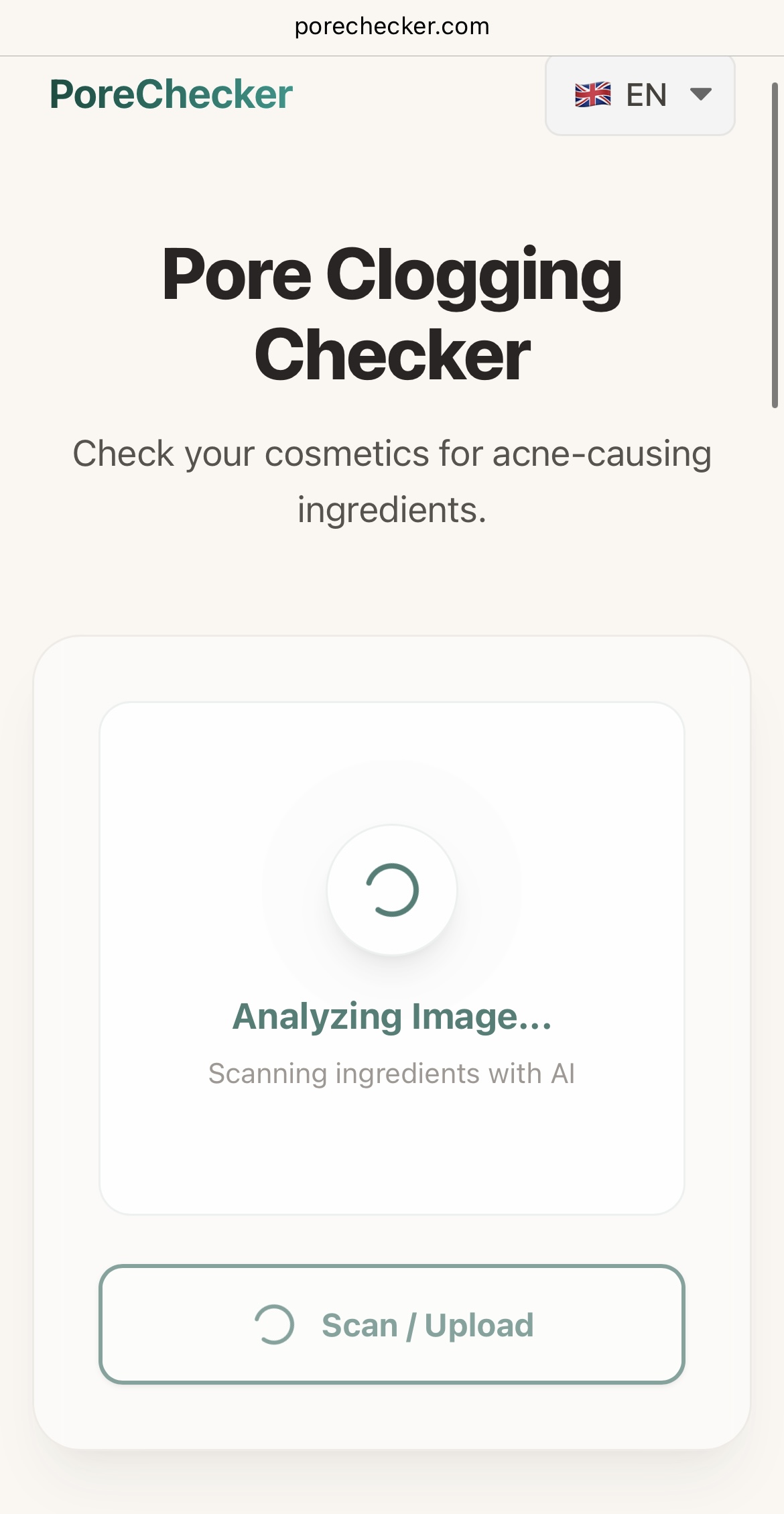
Step 2: Instant AI Ingredient Analysis
Our advanced AI scans the image, performs OCR (Optical Character Recognition), and matches every ingredient against our curated database of comedogenic substances.
Step 3: Clear Results for Clearer Skin
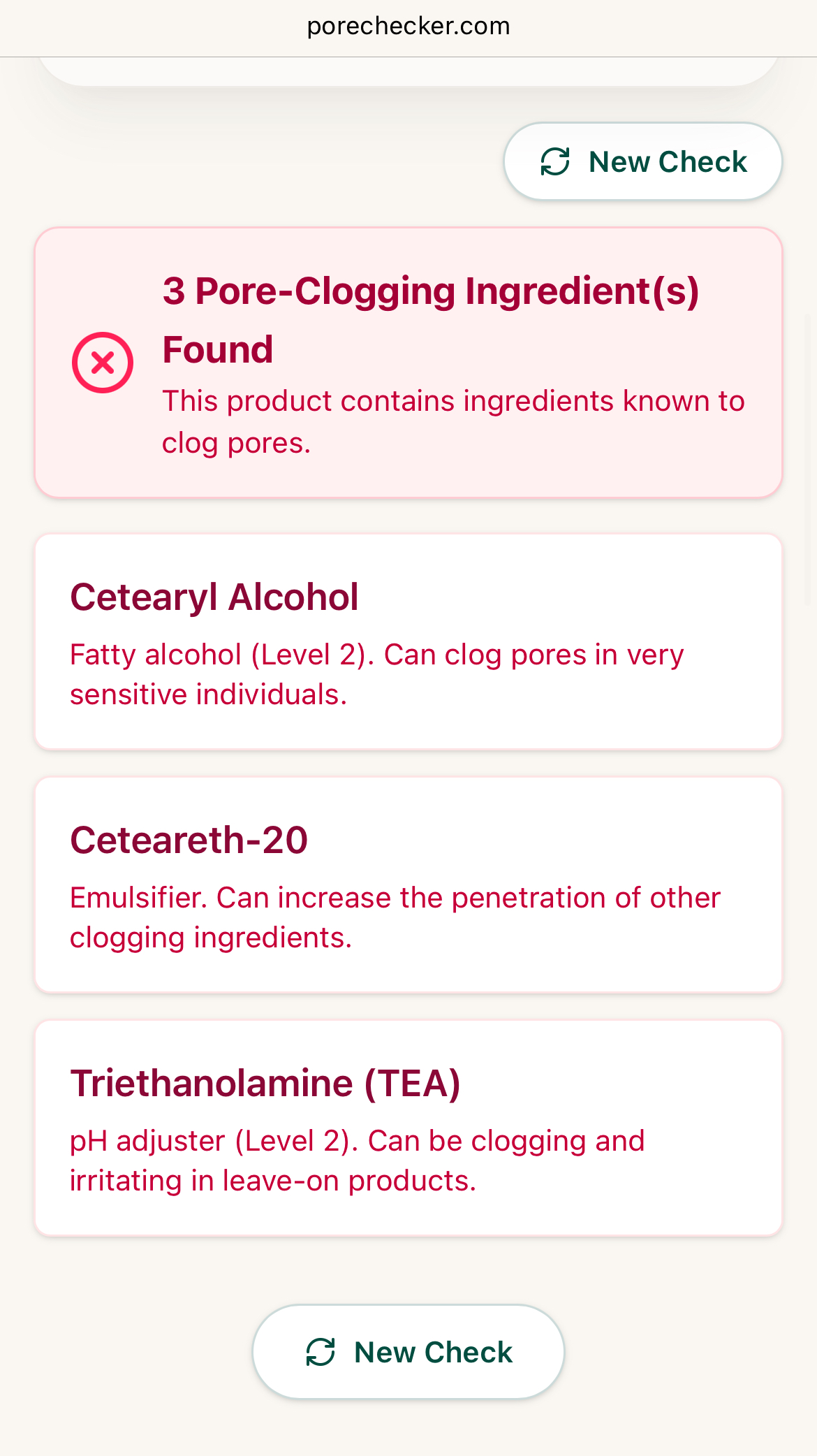
You get an immediate breakdown. If any red-flag ingredients are found, we highlight them and explain why they might be problematic for your pores.
Does this product fit my skin's needs?
Check Your Products Now