What is Acne, and How Can You Finally Get Clear Skin?
Struggling with acne? Learn what acne is, from causes to treatments. Discover the science behind breakouts and how to achieve clear, healthy skin.

Acne. The word itself can conjure up feelings of frustration, self-consciousness, and the endless search for a solution. But what exactly *is* acne? It's more than just a few unwelcome blemishes. Acne is a chronic inflammatory skin condition that occurs when hair follicles become clogged with oil and dead skin cells. This clogging creates the perfect environment for bacteria to thrive, leading to those familiar pimples, blackheads, whiteheads, and even deeper, more painful cysts.
The good news? Understanding what causes acne is the first step toward getting clear skin. And while genetics and hormones play a role, your skincare routine holds immense power. The key to effective acne management lies in choosing non-comedogenic products—those specifically formulated not to clog pores. This proactive approach can significantly minimize breakouts and support long-term skin health.
Let's delve into the science behind acne, and, more importantly, explore the steps you can take to regain your confidence and achieve a clearer complexion.
The Science of Acne: Unpacking the Causes
Acne isn't a simple issue; it's a complex interplay of several factors. Understanding these elements is crucial to addressing the problem effectively.
Oil Production (Sebum)
Your skin naturally produces sebum, an oily substance that keeps it moisturized. However, excess sebum, often triggered by hormonal fluctuations or overactive sebaceous glands, is a major contributor to acne. This excess oil can trap dead skin cells and bacteria within the pores.
Clogged Follicles
Dead skin cells, which shed constantly, can mix with sebum and form a sticky plug inside your pores. This is what causes comedones. Open comedones are blackheads; closed comedones are whiteheads.
Bacteria (C. acnes)
The bacteria *Cutibacterium acnes* (formerly *Propionibacterium acnes* or *P. acnes*) naturally lives on your skin. However, in a clogged pore, it thrives, multiplying and triggering inflammation. This inflammation leads to the red, swollen pimples we associate with acne.
Inflammation
The body's immune response to the bacteria and the clogged pore results in inflammation. This inflammation is what causes the redness, swelling, and pain associated with acne lesions.
Effective Acne Management: A Practical Guide
Addressing acne requires a multifaceted approach that considers your skin type, the severity of your acne, and lifestyle factors. Here's a breakdown of the key strategies:
Gentle Cleansing
Use a gentle, non-comedogenic cleanser twice daily to remove excess oil, dirt, and dead skin cells. Avoid harsh scrubs and abrasive cleansers that can irritate the skin and worsen acne.
Targeted Treatments
Look for products containing ingredients like salicylic acid or benzoyl peroxide. These ingredients can help to unclog pores and kill acne-causing bacteria. Start slowly and gradually increase the frequency of use to avoid irritation.
Exfoliation (Use with Caution)
Gentle exfoliation can help to remove dead skin cells and prevent pore clogging. However, over-exfoliating can damage your skin barrier and worsen acne. Consider incorporating a chemical exfoliant (like AHA or BHA) once or twice a week.
Hydration & Moisturizing
Even oily skin needs hydration. Use a lightweight, oil-free moisturizer to keep your skin hydrated and support the skin barrier. A well-hydrated barrier is crucial for managing acne.
Lifestyle Adjustments
Diet and stress can impact acne. While there isn't one definitive acne diet, consider reducing your intake of processed foods and dairy. Manage stress through relaxation techniques like meditation or yoga.
The Hidden Pore-Cloggers
Be aware of ingredients in your skincare, makeup, and even hair products. Some ingredients, like certain oils (e.g., coconut oil in high concentrations), silicones, and heavy waxes, can clog pores. Always check product labels and opt for non-comedogenic options.
Don't Let Your Products Ruin Your Progress
You've gained a better understanding of what acne is and the effective strategies to combat it. You're implementing a new routine, investing in treatments, and taking care of your skin. But here’s something you might not realize: even the most carefully crafted skincare plan can be undermined by hidden pore-cloggers in your products. Many seemingly innocuous ingredients, from certain oils to specific forms of silicone, can contribute to breakouts, negating your efforts. This is why it's incredibly important to become a conscious consumer and to meticulously check the ingredient lists of all your skincare, makeup, and even hair products. You'll want to ensure you're using products that actively support your clear skin goals, not hindering them. To help you in this process, consider using an ingredient checker tool that analyzes product formulations.
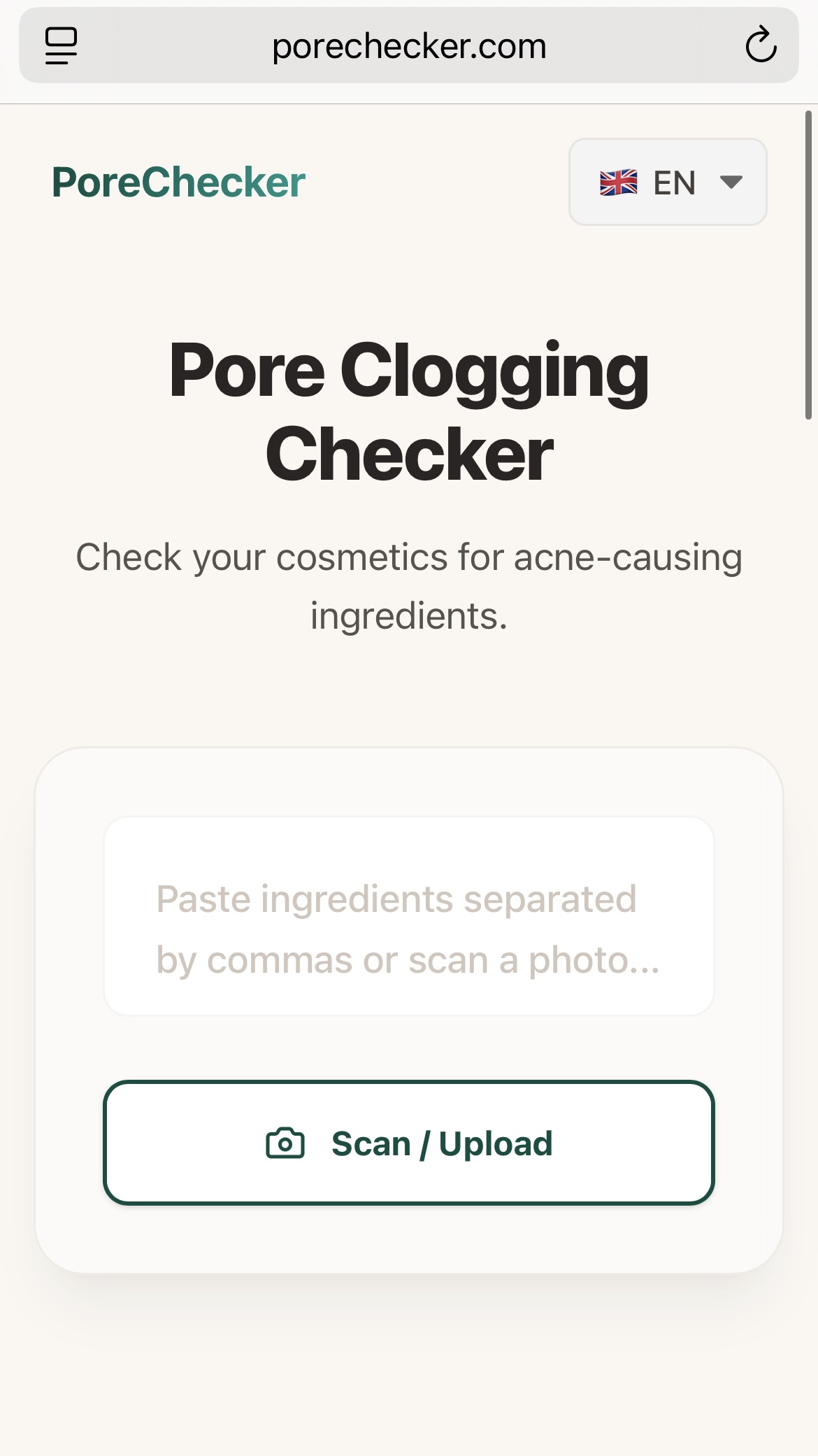
Step 1: Upload Your Product Image
Simply snap a photo of the ingredient list on the back of any bottle, jar, or box. No typing required.
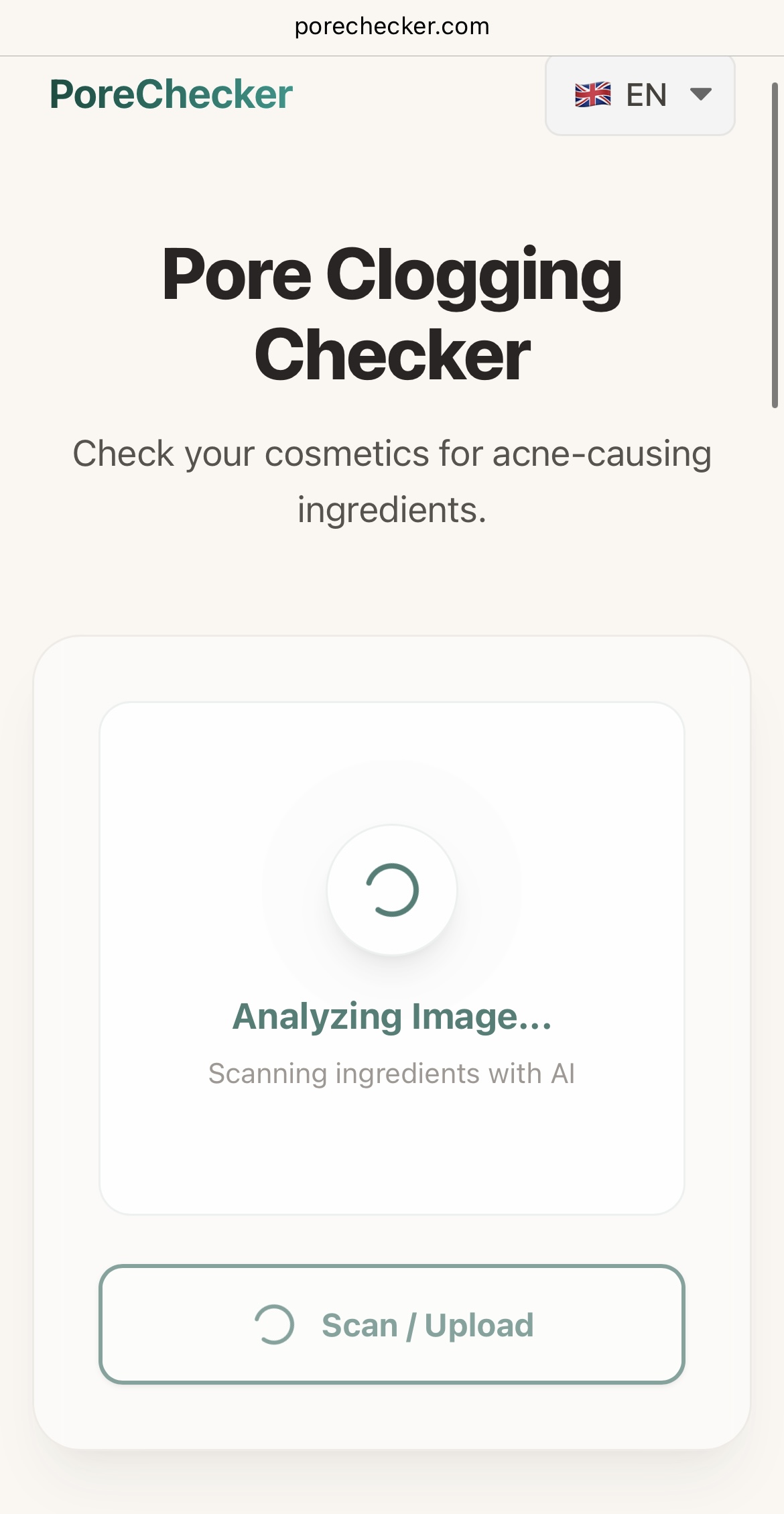
Step 2: Instant AI Ingredient Analysis
Our advanced AI scans the image, performs OCR (Optical Character Recognition), and matches every ingredient against our curated database of comedogenic substances.
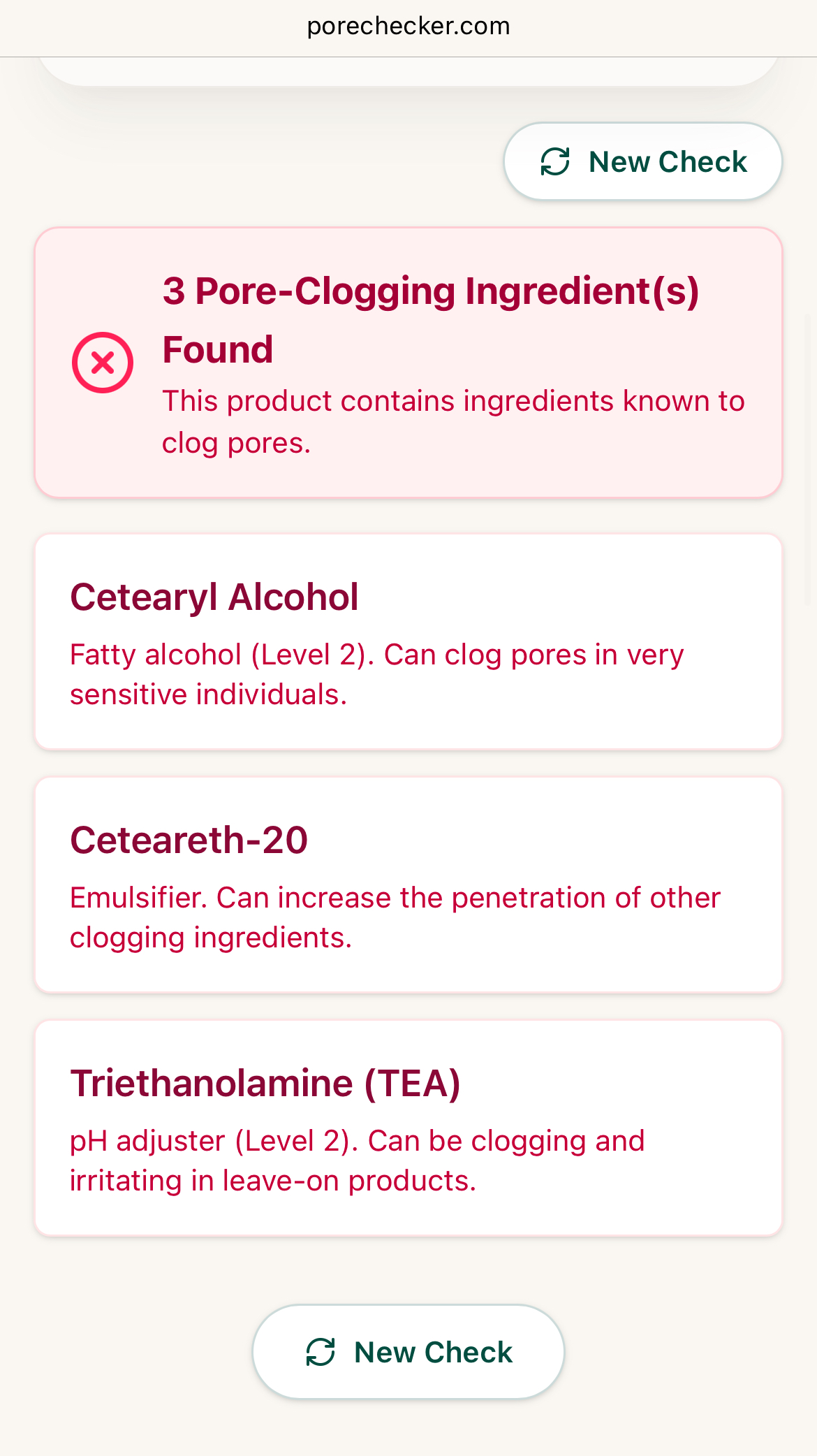
Step 3: Clear Results for Clearer Skin
You get an immediate breakdown. If any red-flag ingredients are found, we highlight them and explain why they might be problematic for your pores.
Does this product fit my skin's needs?
Check Your Products Now