What Is Cystic Acne? Understanding, Treating, and Preventing Deep Breakouts
Learn about cystic acne: causes, symptoms, and effective treatments. Discover how to manage deep, painful breakouts and prevent future flare-ups.
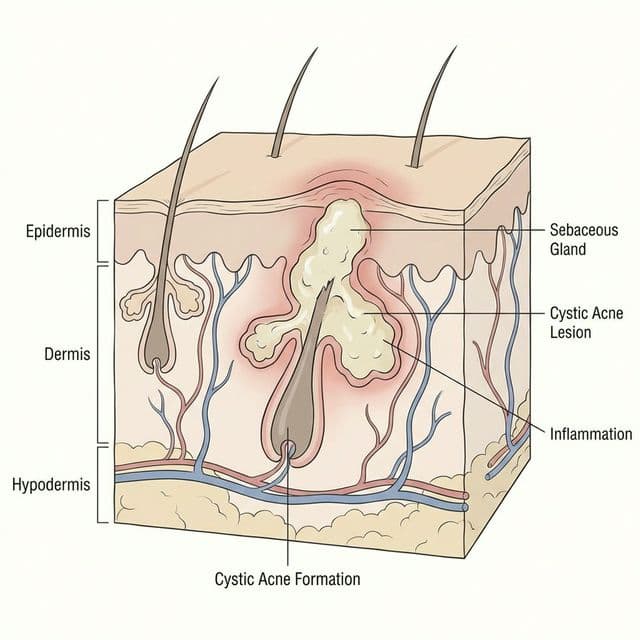
Cystic acne represents a severe form of acne vulgaris, characterized by large, inflamed, pus-filled lesions that develop deep beneath the skin's surface. Unlike superficial pimples like blackheads and whiteheads, cysts form when pores become blocked with oil, dead skin cells, and bacteria, leading to significant inflammation and potential scarring. These painful, often tender nodules can be a source of considerable physical and emotional distress.
Effective management of cystic acne demands a multifaceted approach. It's crucial to understand the underlying causes and identify triggers to develop a tailored treatment plan. A cornerstone of this strategy involves using non-comedogenic skincare products, meaning they won't clog pores. This proactive approach helps prevent the formation of new cysts and supports the skin's natural healing processes.
This article will provide an in-depth exploration of cystic acne, its origins, effective treatment options, and preventative measures, empowering you with the knowledge to combat these challenging breakouts.
Understanding Cystic Acne: The Root Causes
Cystic acne develops from a combination of factors, beginning with the overproduction of sebum (oil) by the sebaceous glands. This excess oil, coupled with the buildup of dead skin cells within the hair follicles, creates a perfect environment for bacterial growth, specifically *Cutibacterium acnes* (formerly *Propionibacterium acnes*). The body's immune response to this bacterial invasion leads to inflammation, resulting in the formation of painful, pus-filled cysts deep within the skin's layers.
Several internal and external factors can exacerbate cystic acne. Hormonal fluctuations, common during puberty, menstruation, and pregnancy, often trigger increased sebum production. Genetic predisposition also plays a role, with individuals having a family history of acne being more susceptible. External factors like certain cosmetics, skincare products, and environmental pollutants can also contribute by clogging pores and promoting inflammation.
The Role of Inflammation
Inflammation is the key driver behind the pain and severity associated with cystic acne. The deeper the inflammation, the more noticeable and difficult it is to treat. The immune system's attempt to fight off the bacteria and debris within the clogged pore leads to significant swelling and tenderness, which is characteristic of cysts. This prolonged inflammation can damage the surrounding skin tissue, leading to potential scarring.
Common Triggers to Watch Out For
Identifying and avoiding triggers can significantly help in managing cystic acne. Diet, although still debated, might play a role, with some individuals experiencing flare-ups after consuming high-glycemic foods or dairy products. Stress is another common trigger, as it can elevate hormone levels that stimulate sebum production. Additionally, friction from tight clothing or rubbing the skin can worsen inflammation and lead to breakouts.
Effective Treatments for Cystic Acne
Treating cystic acne often requires a combination of approaches, including topical medications, oral medications, and sometimes professional procedures. The goal is to reduce inflammation, clear blocked pores, and prevent new cysts from forming. Consulting with a dermatologist is crucial to determine the most effective treatment plan based on your individual needs and the severity of your acne.
Topical Medications
Topical treatments are typically the first line of defense. These medications are applied directly to the skin and include:
- Retinoids: Derived from vitamin A, retinoids promote skin cell turnover, prevent pore clogging, and reduce inflammation.
- Antibiotics: Topical antibiotics help reduce the bacteria that contribute to acne.
- Benzoyl Peroxide: This over-the-counter and prescription medication kills bacteria and reduces inflammation.
Oral Medications
For more severe cases, oral medications may be prescribed:
- Oral Antibiotics: These help reduce inflammation and control bacterial growth.
- Isotretinoin: A powerful retinoid that shrinks oil glands and prevents pore clogging. Often reserved for severe, treatment-resistant acne, but can have side effects.
- Hormonal Therapy: For women, birth control pills or spironolactone can help regulate hormones and reduce acne.
Professional Procedures
Dermatologists may also recommend professional procedures to treat cystic acne:
- Cortisone Injections: A dermatologist injects the inflamed cyst with a corticosteroid to quickly reduce inflammation and pain.
- Drainage and Extraction: A trained professional can gently drain large cysts. This should ONLY be done by a medical professional to avoid scarring.
The Importance of a Consistent Skincare Routine
A consistent and gentle skincare routine is essential for managing cystic acne. This routine should focus on cleansing, treating, and moisturizing, while avoiding harsh ingredients that can further irritate the skin. The goal is to keep pores clear, reduce inflammation, and support the skin's natural healing process.
Cleansing and Exfoliating
Choose a gentle, non-comedogenic cleanser to remove impurities without stripping the skin of its natural oils. Exfoliation, using chemical exfoliants like salicylic acid or a gentle scrub, can help remove dead skin cells and prevent pore clogging. Avoid harsh scrubs that may irritate the skin.
Moisturizing and Protecting
Even oily skin needs hydration. Use a lightweight, oil-free moisturizer to keep the skin hydrated and protected. Always apply a broad-spectrum sunscreen with an SPF of 30 or higher, even on cloudy days, to protect your skin from sun damage, which can worsen inflammation and lead to hyperpigmentation.
Ingredient Awareness: Hidden Pore-Cloggers
Be vigilant about the ingredients in your skincare and makeup products. Certain ingredients, such as heavy oils, comedogenic esters, and fragrances, can clog pores and worsen acne. Carefully read product labels and opt for non-comedogenic formulations. Common culprits include coconut oil, cocoa butter, and certain silicones. Avoiding these ingredients is crucial for preventing future breakouts.
Don't Let Your Products Ruin Your Progress
While you are diligently following your treatment plan and developing a solid skincare routine to manage your cystic acne, it is easy to undermine your efforts. Many seemingly innocuous skincare products contain ingredients that can clog pores, leading to new breakouts and setbacks. Identifying these hidden pore-cloggers is key to ensuring that your products are working *for* your skin, not against it. To ensure your products are truly non-comedogenic and won't exacerbate your acne, consider using a product checker tool that analyzes ingredient lists for potential pore-clogging culprits. This can save you time, money, and unnecessary frustration, helping you achieve the clear, healthy skin you deserve.
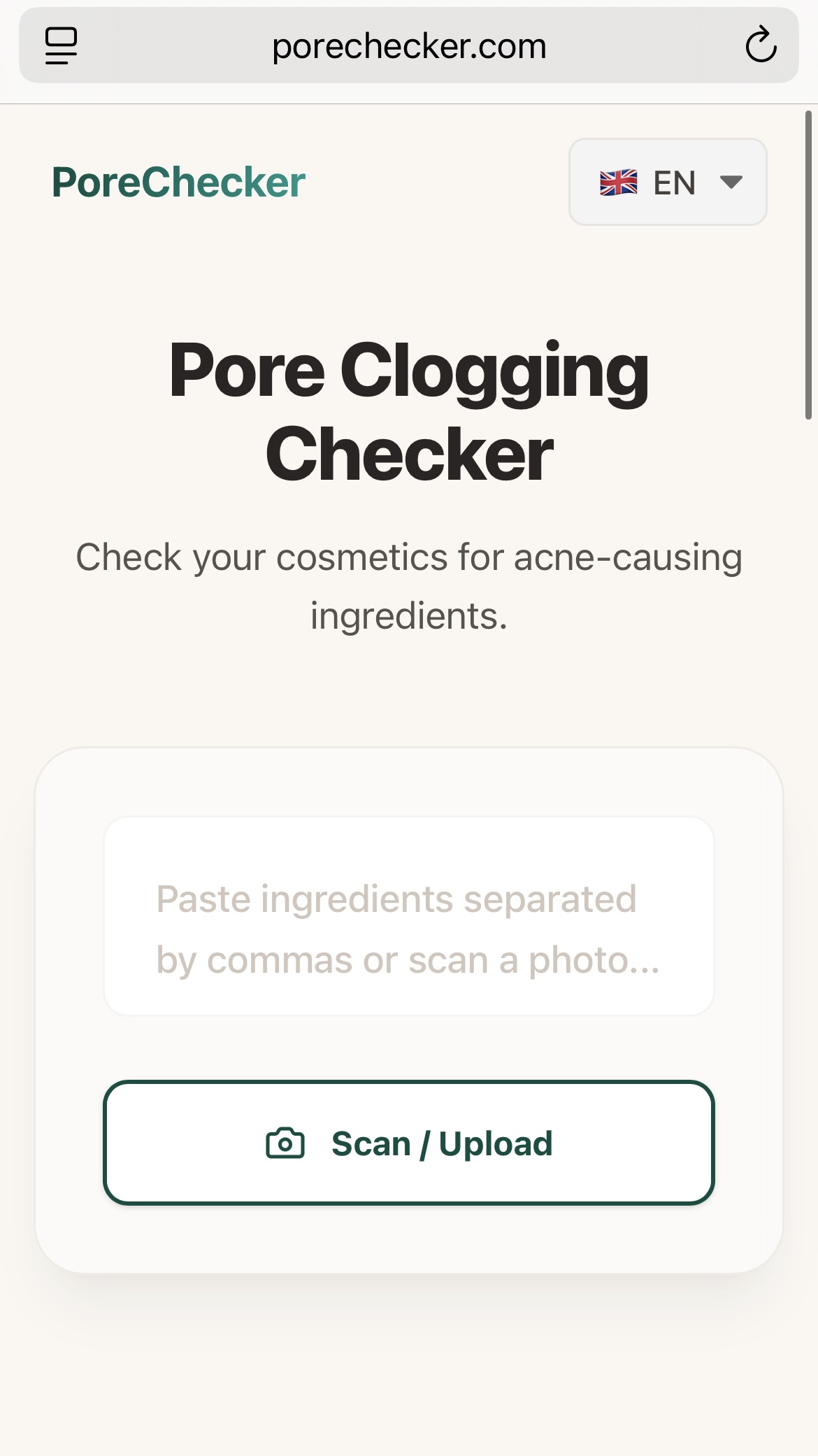
Step 1: Upload Your Product Image
Simply snap a photo of the ingredient list on the back of any bottle, jar, or box. No typing required.
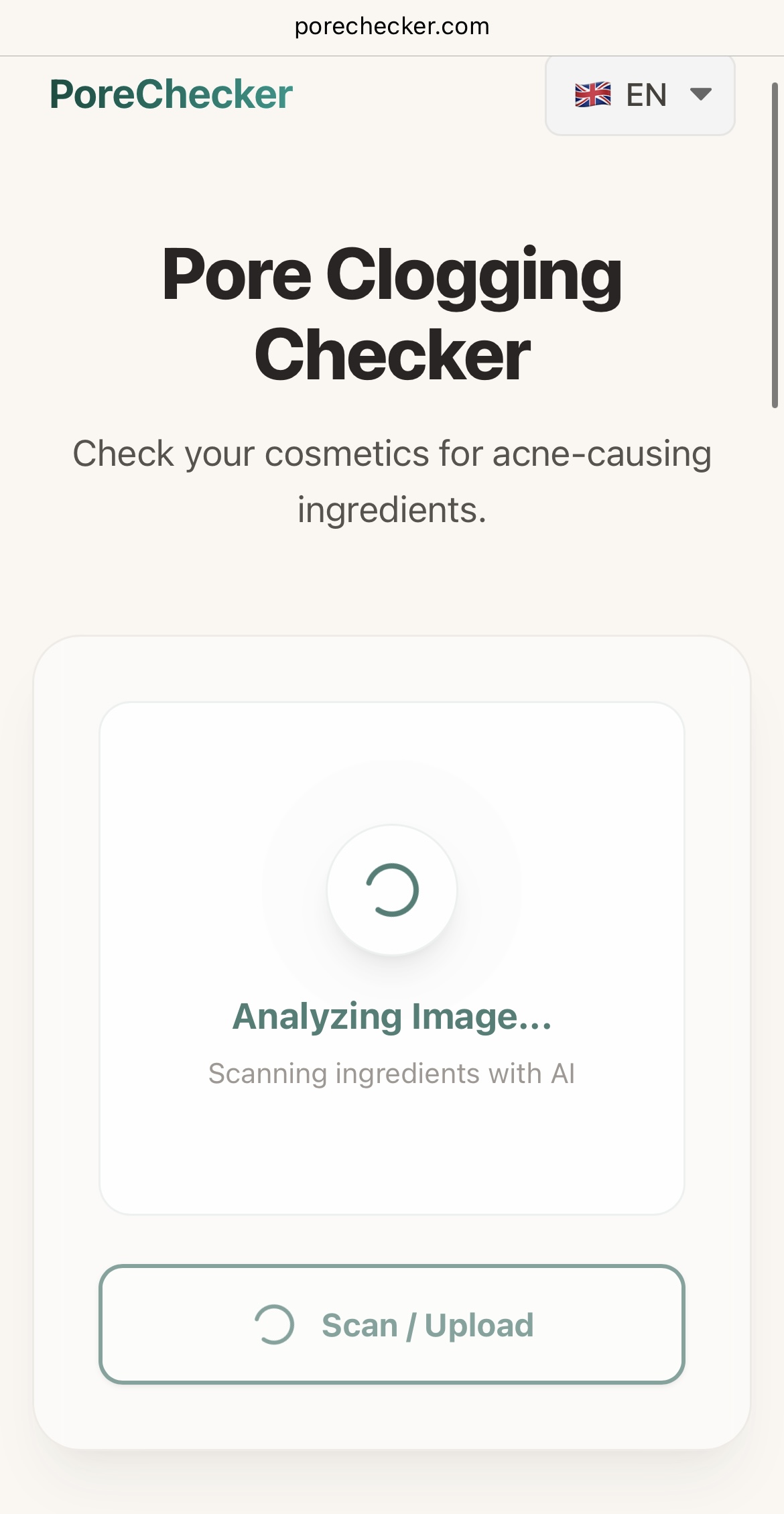
Step 2: Instant AI Ingredient Analysis
Our advanced AI scans the image, performs OCR (Optical Character Recognition), and matches every ingredient against our curated database of comedogenic substances.
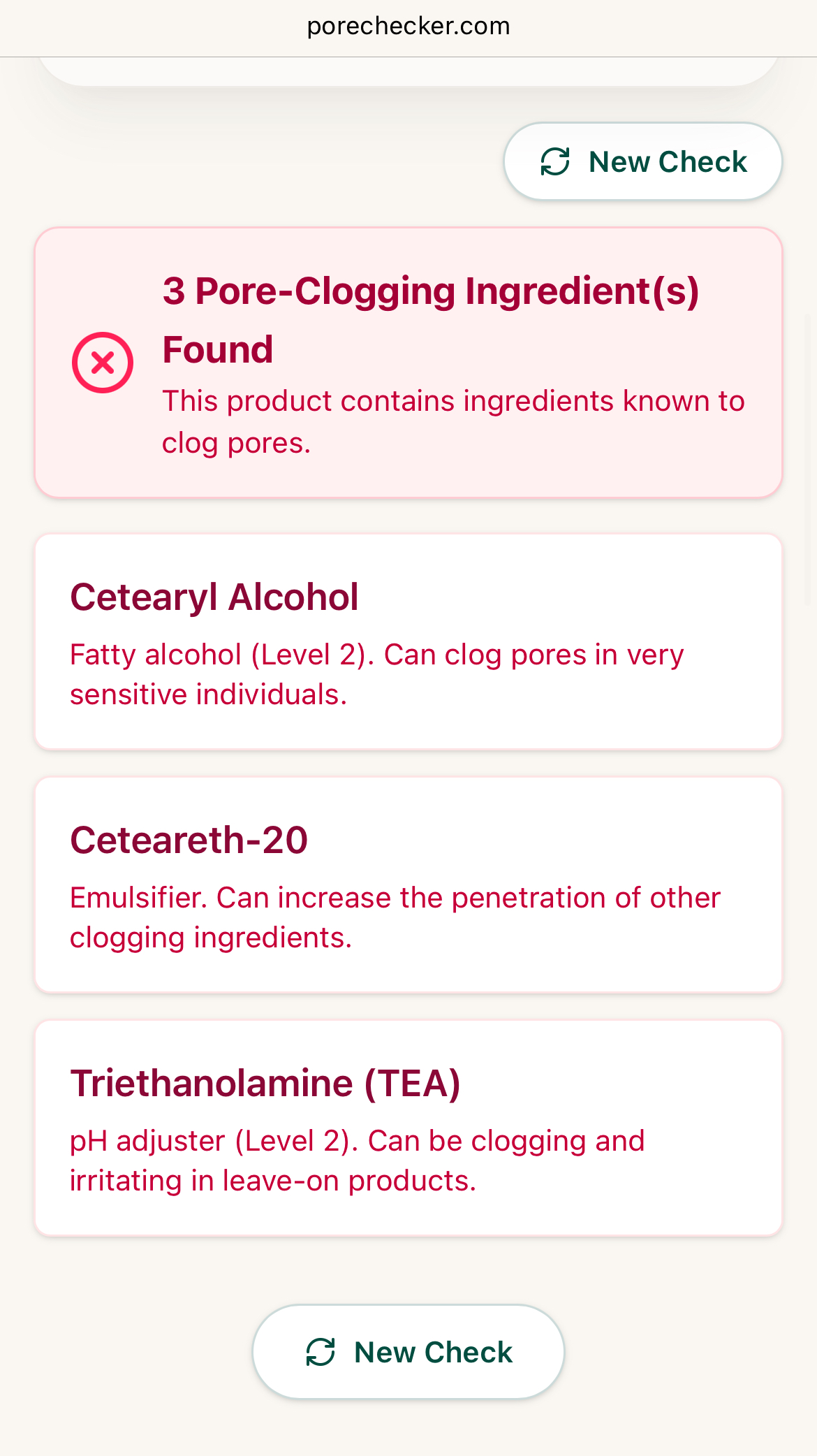
Step 3: Clear Results for Clearer Skin
You get an immediate breakdown. If any red-flag ingredients are found, we highlight them and explain why they might be problematic for your pores.
Does this product fit my skin's needs?
Check Your Products Now