What Is Serum and How Can It Transform Your Skin?
Discover the power of serums! Learn what a serum is, explore its skin benefits & find the best serum for your skin type. Avoid pore-clogging ingredients.
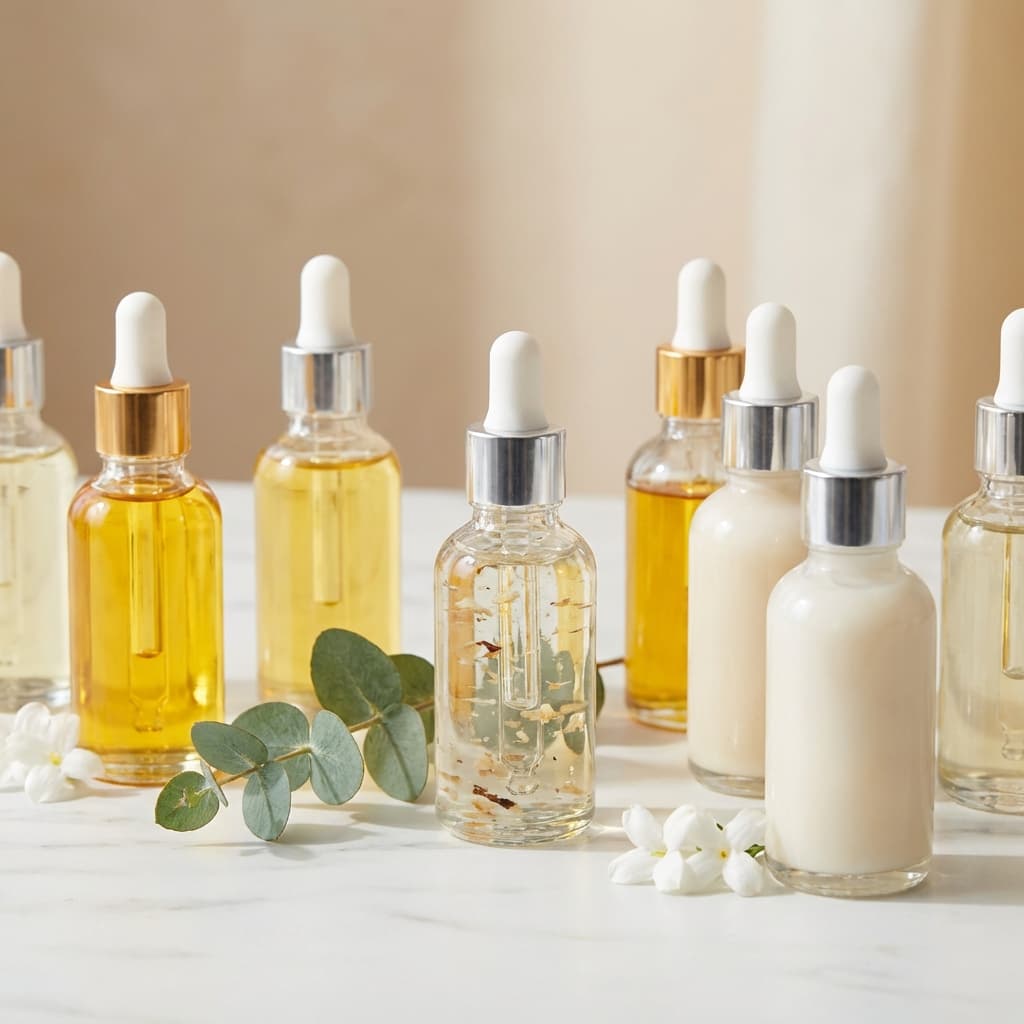
As a dermatologist and skincare scientist, I'm often asked, "What is serum?" In essence, a serum is a concentrated skincare product designed to deliver potent active ingredients directly to your skin. Unlike moisturizers or cleansers, serums are formulated with smaller molecules that penetrate deeper, allowing for targeted treatment of various skin concerns. Their lightweight texture makes them a fantastic addition to any routine, especially if you're looking to address specific issues while keeping your skin feeling light and non-greasy.
The beauty of serums also lies in their versatility. They can be customized to your individual needs, with options ranging from anti-aging and hydration to brightening and acne-fighting. However, it's crucial to remember that not all serums are created equal. The effectiveness hinges on the ingredients, their concentration, and how well they are formulated to work together. Moreover, a serum’s impact is maximized when used on a clean face, making it a critical step after cleansing and before moisturizing. One of the primary things we as professionals try to do, is create a non-comedogenic care regime.
Understanding what a serum is opens up the door to a world of possibilities for achieving your skincare goals. When choosing a serum, always consider your skin type, any specific concerns you want to address (like fine lines, hyperpigmentation, or dryness), and always opt for non-comedogenic formulas to prevent clogged pores. Let's delve into the specifics of these powerful elixirs.
The Science Behind Serums: What They Do
Serums are formulated with a high concentration of active ingredients, such as antioxidants, vitamins, and peptides. These ingredients are designed to target specific skin concerns, delivering visible results with consistent use. The formulation of a serum matters. They’re usually water-based, oil-based, or a combination, and they use different delivery systems to ensure the active ingredients can effectively penetrate the skin barrier.
Key Serum Ingredients and Their Benefits
Different serums offer unique benefits, depending on their active ingredients. Here are some of the most common and effective:
- Vitamin C: A potent antioxidant that brightens the skin, protects against environmental damage, and boosts collagen production.
- Hyaluronic Acid: A humectant that draws moisture into the skin, plumping and hydrating for a more youthful appearance.
- Retinol: A vitamin A derivative that promotes cell turnover, reduces the appearance of wrinkles, and helps to clear acne.
- Niacinamide: A form of vitamin B3 that reduces inflammation, minimizes pores, and improves skin tone.
- Peptides: Amino acids that stimulate collagen production, improving skin elasticity and firmness.
Choosing the Right Serum for Your Skin
Selecting the right serum involves understanding your skin type and concerns. A serum that works wonders for someone with dry skin might not be the best choice for someone prone to breakouts. Consulting with a dermatologist can help tailor a regime that fits your needs.
Matching Serums to Skin Types
- Dry Skin: Look for hydrating serums with hyaluronic acid, ceramides, and oils like squalane.
- Oily Skin: Opt for lightweight, oil-free serums with ingredients like niacinamide, salicylic acid, or tea tree oil.
- Combination Skin: Choose serums that balance hydration and oil control, such as those with hyaluronic acid and niacinamide.
- Sensitive Skin: Select serums with gentle, calming ingredients like aloe vera, chamomile, and ceramides. Always patch test before applying to the entire face.
- Acne-Prone Skin: Look for serums with ingredients like salicylic acid, benzoyl peroxide, or tea tree oil.
How to Incorporate Serums into Your Routine
The order of application in your skincare routine is critical for serum effectiveness. Serums should always be applied after cleansing and before moisturizing. This allows the serum to penetrate the skin and deliver its active ingredients most effectively. If you're using multiple serums, apply them from thinnest to thickest consistency, allowing each to absorb before moving on to the next.
Step-by-Step Guide
- Cleanse: Start with a gentle cleanser to remove impurities.
- Tone (Optional): Use a toner to balance the skin's pH.
- Serum: Apply a few drops of your chosen serum to your face and neck. Gently pat or massage it into the skin.
- Moisturize: Apply a moisturizer to lock in hydration and create a barrier.
- Sunscreen (Daytime): Always finish with a broad-spectrum sunscreen in the morning.
Don't Let Your Products Ruin Your Progress
Now that you understand what serum is and how to use it, it's vital to consider the other products in your skincare routine. Even the most carefully chosen serum can be rendered ineffective or, worse, cause breakouts if combined with pore-clogging ingredients in other products. Hidden pore-cloggers are lurking in many formulations, from seemingly innocent moisturizers to sunscreens, and even some cleansers. To keep your skin clear and to fully benefit from your serums, it’s essential to be proactive about what you’re putting on your skin. That means paying close attention to ingredient lists. A good starting point is to...
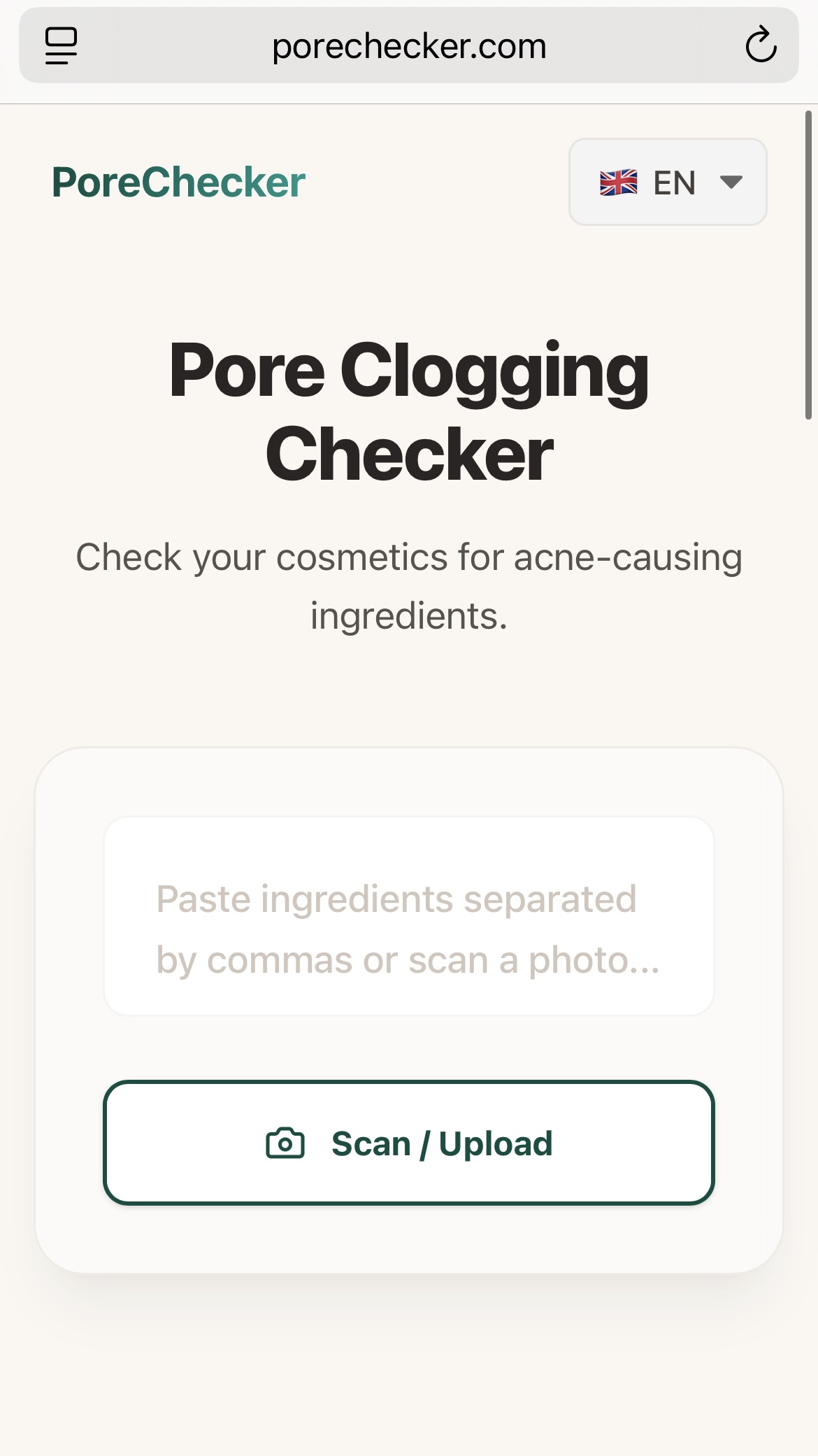
Step 1: Upload Your Product Image
Simply snap a photo of the ingredient list on the back of any bottle, jar, or box. No typing required.
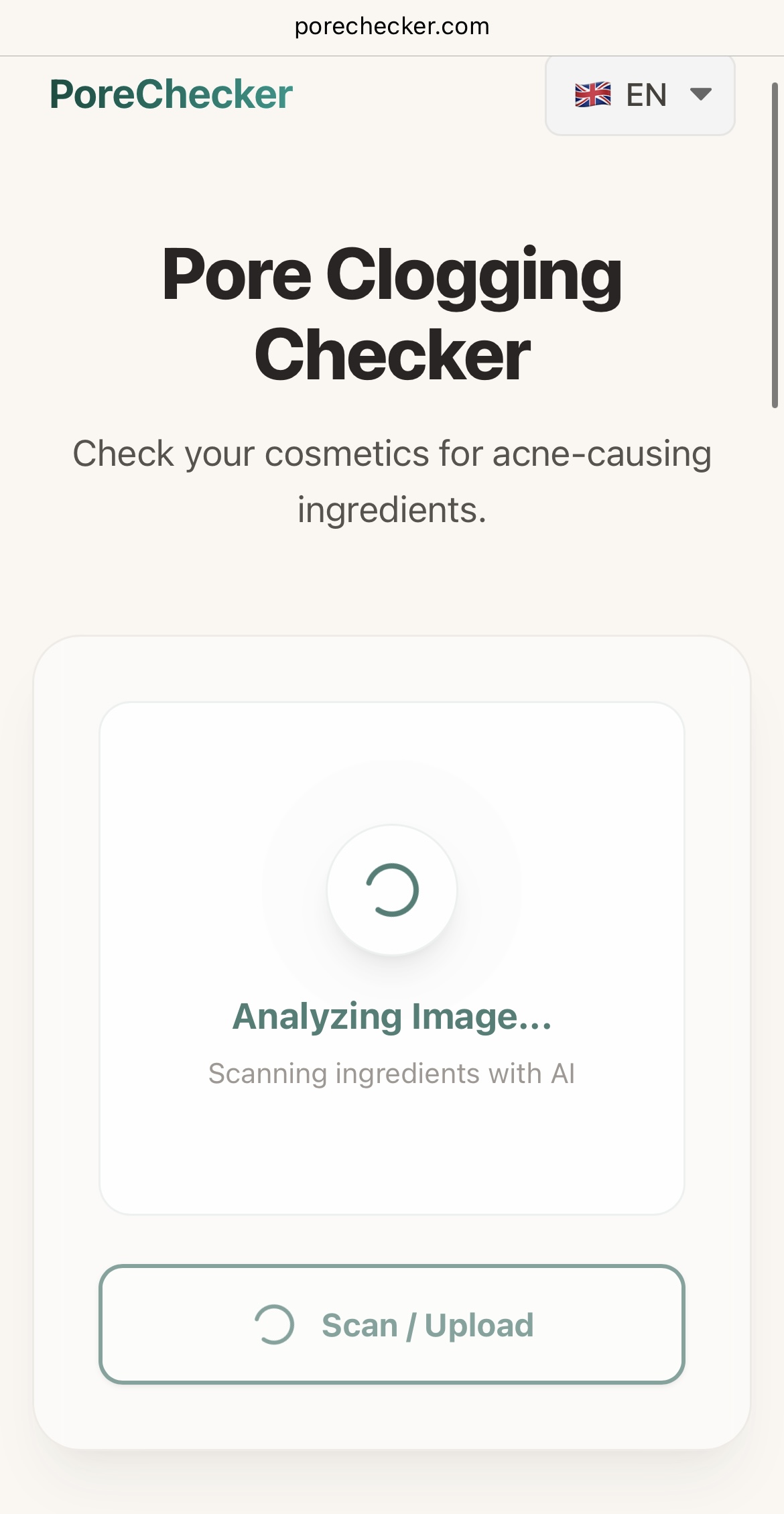
Step 2: Instant AI Ingredient Analysis
Our advanced AI scans the image, performs OCR (Optical Character Recognition), and matches every ingredient against our curated database of comedogenic substances.
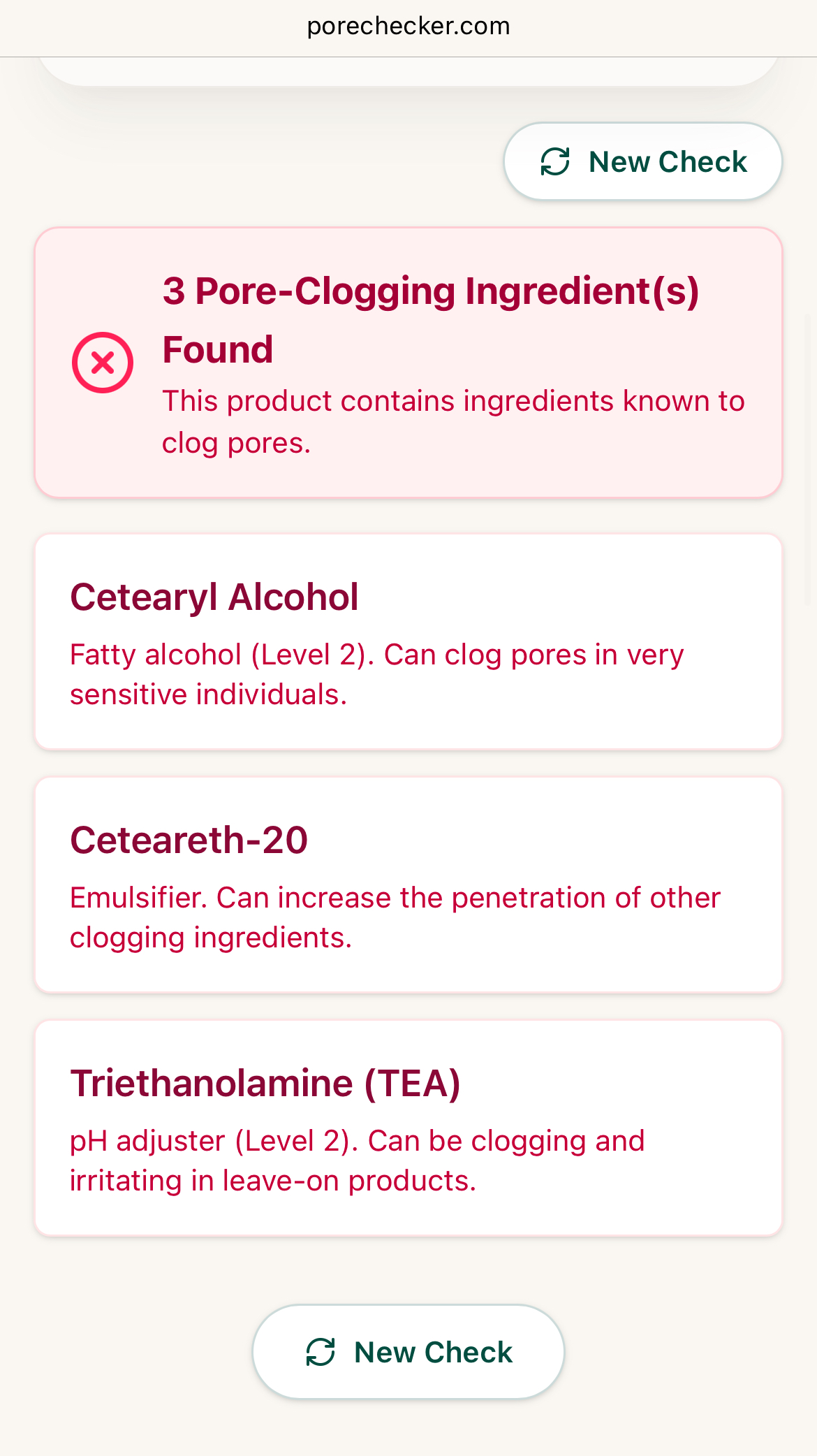
Step 3: Clear Results for Clearer Skin
You get an immediate breakdown. If any red-flag ingredients are found, we highlight them and explain why they might be problematic for your pores.
Does this product fit my skin's needs?
Check Your Products Now