Why Is My Skin Breaking Out? Decoding What Causes Fungal Acne
Uncover the root causes of fungal acne! Learn about its triggers, how to spot it, and find effective solutions to achieve clear, healthy skin.
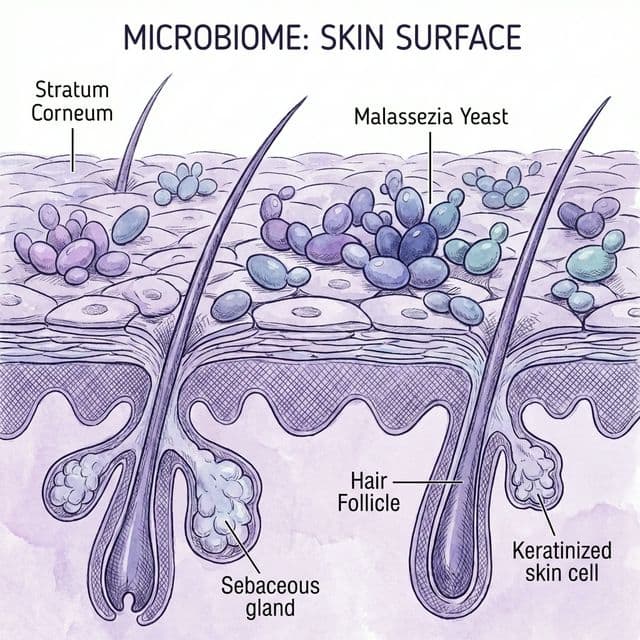
Dealing with persistent breakouts that just won't quit? You might be battling fungal acne, a common skin condition that often gets mistaken for regular acne. Unlike its bacterial counterpart, fungal acne is caused by an overgrowth of yeast, specifically Malassezia, on the skin. Understanding what causes fungal acne is the first step toward reclaiming your clear, healthy complexion.
The key to managing fungal acne lies in adopting a non-comedogenic skincare routine. This means choosing products specifically formulated to avoid pore-clogging ingredients. We'll delve into the primary culprits behind fungal acne and equip you with the knowledge to make informed decisions about your skincare choices.
Unmasking the Culprits: What Causes Fungal Acne?
Fungal acne thrives in specific conditions. Understanding these triggers is essential to prevention and treatment. The Malassezia yeast naturally exists on our skin, but certain factors can cause it to multiply uncontrollably, leading to inflammation and those pesky, often itchy, small bumps.
1. Yeast's Ideal Environment: Humidity and Heat
Warm, humid environments are a paradise for yeast. Excessive sweating from exercise, living in a hot climate, or even simply spending a lot of time in a steamy environment can exacerbate fungal acne. This is because moisture provides the perfect breeding ground for the Malassezia yeast.
2. Pore-Clogging Ingredients: The Hidden Enemies
Certain ingredients in skincare and haircare products can feed the yeast, leading to breakouts. These are often the same ingredients that clog pores in regular acne. Common culprits include: oils (like coconut oil and olive oil), fatty acids, esters, and polysorbates. Even seemingly innocuous products can trigger a flare-up. Always check your labels carefully!
3. Diet's Role: The Sugar-Yeast Connection
While the direct link between diet and fungal acne isn't fully understood, some studies suggest a correlation between high sugar intake and yeast overgrowth. Sugar can fuel the yeast, potentially making outbreaks worse. Monitoring your diet and limiting processed foods may help.
4. Antibiotics: Disrupting the Balance
Antibiotics, while effective against bacterial infections, can disrupt the balance of microorganisms on your skin. This imbalance can lead to an overgrowth of yeast, contributing to fungal acne. If you're taking antibiotics, be extra vigilant about your skincare routine and consider consulting a dermatologist.
Effective Strategies to Combat Fungal Acne
Now that you know what causes fungal acne, let's explore how to address it. A comprehensive approach involves gentle cleansing, targeted treatments, and vigilant product selection.
1. Cleansing with Care: The Right Products
Opt for a gentle, sulfate-free cleanser that won't strip your skin of its natural oils. Look for cleansers containing ingredients like ketoconazole or pyrithione zinc, which have antifungal properties. Avoid harsh scrubs and abrasive cleansers that can irritate the skin.
2. Targeted Treatments: Antifungal Agents
Over-the-counter antifungal creams and shampoos can be effective in treating fungal acne. Look for products containing ketoconazole, clotrimazole, or selenium sulfide. Apply these products as directed and be patient, as it may take several weeks to see results. For severe cases, consult a dermatologist for prescription-strength treatments.
3. Ingredient Awareness: The Non-Comedogenic Crusade
This is crucial! Carefully examine the ingredient lists of all your skincare, haircare, and even makeup products. Identify and avoid products containing oils, esters, polysorbates, and other potential pore-cloggers. Remember, even "natural" products can contain ingredients that feed Malassezia. Do your research!
4. Routine Consistency: Building a Healthy Habit
Consistency is key. Establish a daily skincare routine that includes cleansing, treatment, and moisturizing (with a non-comedogenic option). Be patient and don't expect overnight results. It takes time for the skin to heal and rebalance itself. Stick with your routine, and you'll see improvements.
Don't Let Your Products Ruin Your Progress
Understanding what causes fungal acne is only half the battle. The other half lies in making smart choices about the products you use. Even if you've implemented all the right treatments and adjusted your lifestyle, hidden ingredients in your skincare can undo all your hard work. Many common skincare ingredients, often added for texture or fragrance, can feed the Malassezia yeast and trigger breakouts. To truly conquer fungal acne, it's essential to meticulously scrutinize the ingredients in everything you put on your skin. This means taking the time to learn which ingredients to avoid, and understanding that even products marketed as "gentle" or "natural" can contain potential pore-cloggers.
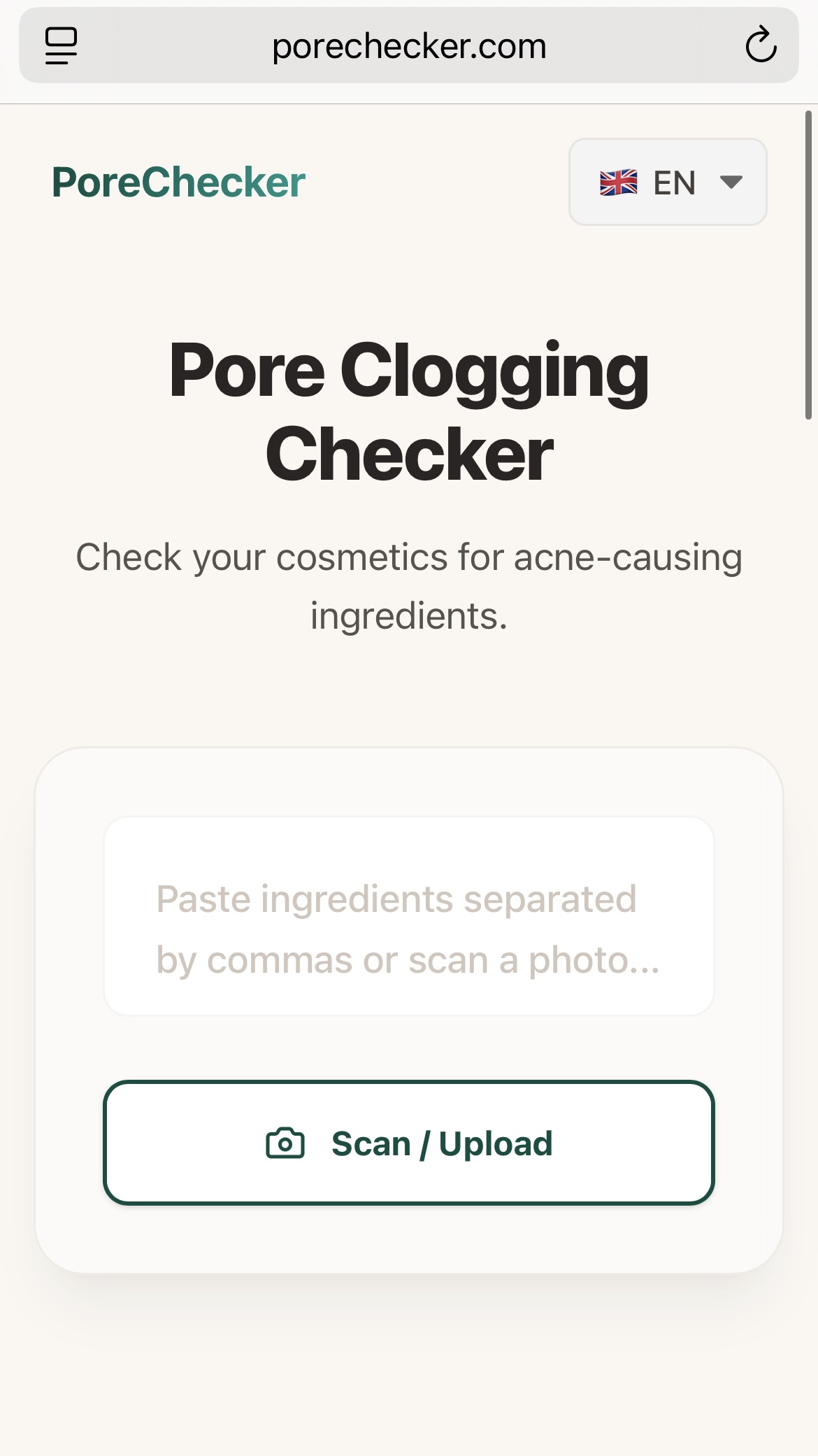
Step 1: Upload Your Product Image
Simply snap a photo of the ingredient list on the back of any bottle, jar, or box. No typing required.
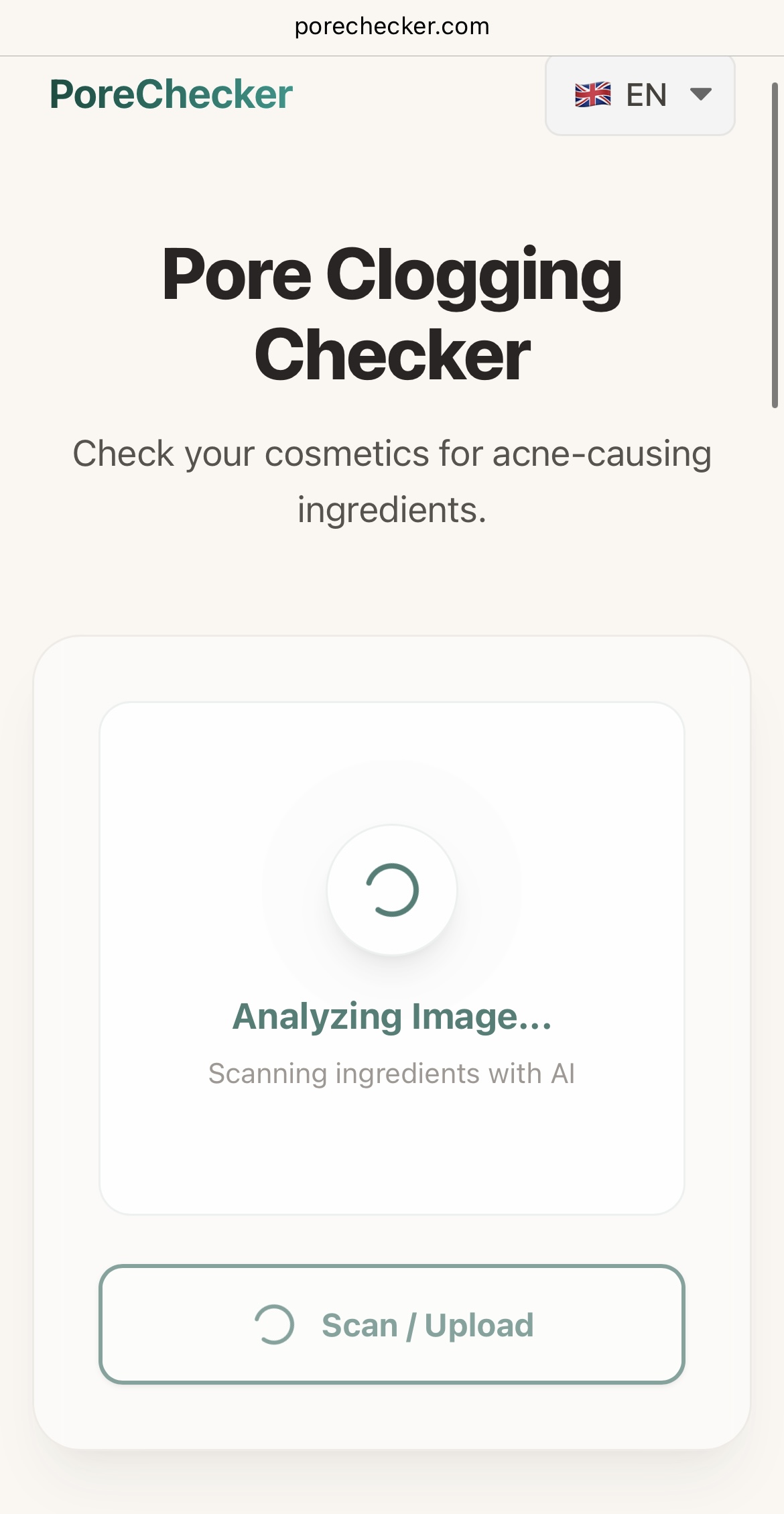
Step 2: Instant AI Ingredient Analysis
Our advanced AI scans the image, performs OCR (Optical Character Recognition), and matches every ingredient against our curated database of comedogenic substances.
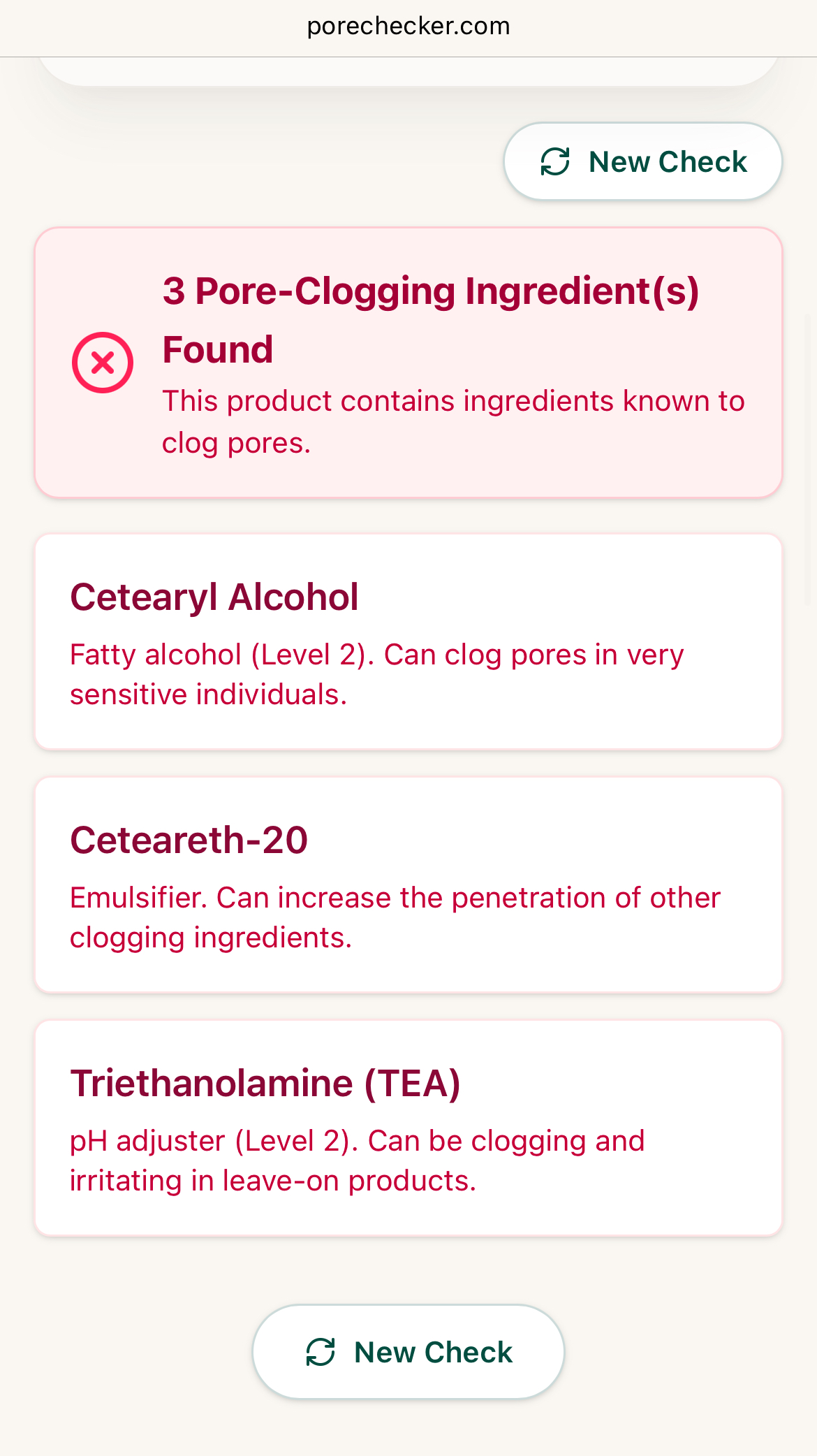
Step 3: Clear Results for Clearer Skin
You get an immediate breakdown. If any red-flag ingredients are found, we highlight them and explain why they might be problematic for your pores.
Does this product fit my skin's needs?
Check Your Products Now