Why Is My Skin Breaking Out? Demystifying What Is Fungal Acne
Struggling with persistent breakouts? Learn what is fungal acne, how it differs from regular acne, plus effective treatment options and how to avoid flare-ups.
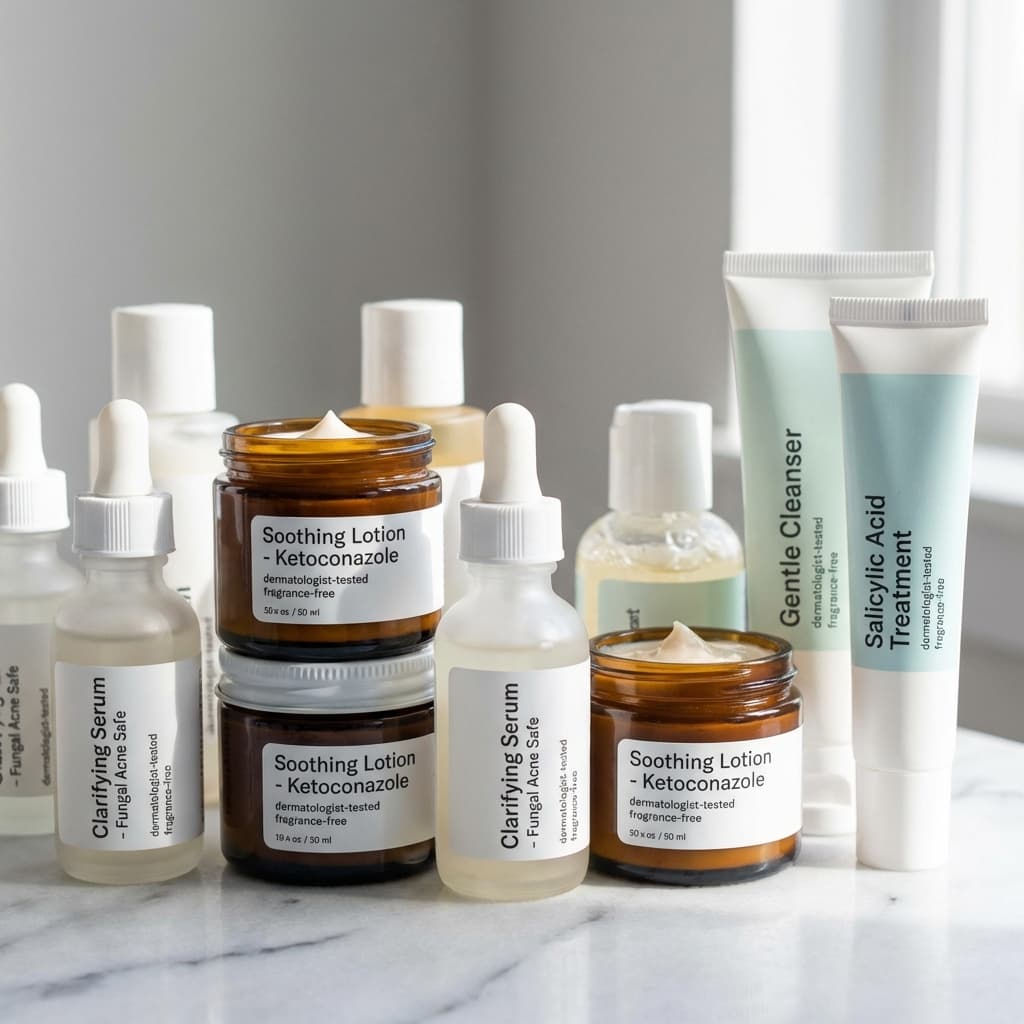
Frustrated by persistent, itchy bumps that just won't go away? You might be dealing with something other than typical acne. While the term "acne" often brings to mind clogged pores and inflammation, sometimes the culprit behind those frustrating blemishes is a type of yeast called Malassezia, leading to what is commonly known as fungal acne. Understanding the difference between fungal acne and regular acne is the first step toward clear, comfortable skin.
The good news? It's treatable. The key is recognizing the signs and adopting a skincare routine that addresses the root cause. This article delves into the specifics of fungal acne – its causes, symptoms, and how to effectively manage it, focusing on gentle, non-comedogenic practices and product choices to restore your skin's balance.
What Is Fungal Acne? Unmasking the Culprit
Fungal acne, also known as Malassezia folliculitis, isn't actually acne in the traditional sense. It's an inflammatory condition of the hair follicles caused by an overgrowth of yeast. This yeast thrives in warm, humid environments, and it feeds on oils, making areas like the chest, back, and sometimes the face, prime targets.
Identifying Fungal Acne: The Tell-Tale Signs
Spotting fungal acne can be tricky, as it often resembles traditional acne. However, there are key distinctions to look for. The breakouts typically appear as small, uniform bumps that are often itchy. Unlike regular acne, which presents with blackheads and whiteheads, fungal acne usually features these small, inflamed papules or pustules. Location matters, too: While acne can occur anywhere, fungal acne favors areas with high sebum production and moisture retention.
Common Misconceptions About Fungal Acne
Many mistakenly believe that fungal acne stems from poor hygiene. This is untrue. It's also not always caused by diet, although certain foods can indirectly influence skin health. The primary factor is the proliferation of Malassezia yeast. Furthermore, it's often misdiagnosed as regular acne, leading to ineffective treatments and continued breakouts. This emphasizes the importance of understanding the specific nature of your skin's concerns.
Effective Strategies to Combat Fungal Acne
Treating fungal acne requires a multifaceted approach, focusing on eliminating the yeast and creating an environment where it cannot thrive. This involves the use of specific antifungal ingredients and adjustments to your skincare routine.
Antifungal Ingredients: Your Allies in the Fight
Key ingredients to look for include ketoconazole or selenium sulfide, often found in medicated shampoos or body washes. These ingredients directly target the yeast and help control its overgrowth. Incorporating these products into your routine, as directed by a dermatologist, is a critical step in treating fungal acne. Benzoyl peroxide, while helpful for regular acne, might not be as effective here. Always consult a dermatologist for the best course of action.
Skincare Routine: Streamline and Soothe
Simplicity is key. Opt for gentle cleansers that are free of oils and other potential triggers. Avoid heavy moisturizers or products containing fatty acids. Exfoliation can be beneficial, but choose gentle options like azelaic acid. Pat your skin dry rather than rubbing, and avoid touching your face throughout the day. Replace towels and pillowcases regularly to prevent the spread of yeast.
Product Choices: The Non-Comedogenic Philosophy
Carefully select products labeled as "non-comedogenic". These are less likely to clog pores and contribute to the yeast's proliferation. Beware of ingredients like esters, fatty acids, and oils, which can exacerbate the condition. Always patch-test new products before applying them to your entire face or body. Pay close attention to ingredients, and embrace products with minimal, skin-friendly formulas.
Don't Let Your Products Ruin Your Progress
Successfully addressing fungal acne requires more than just knowing what to treat it with; it also means being vigilant about what you put on your skin. Many skincare products, even those marketed for sensitive skin, contain ingredients that can feed the Malassezia yeast and worsen your breakouts. This is where a deep dive into product labels becomes crucial. By learning how to identify potential pore-cloggers in your current routine, you can prevent future flare-ups and maintain the clear, healthy skin you deserve.
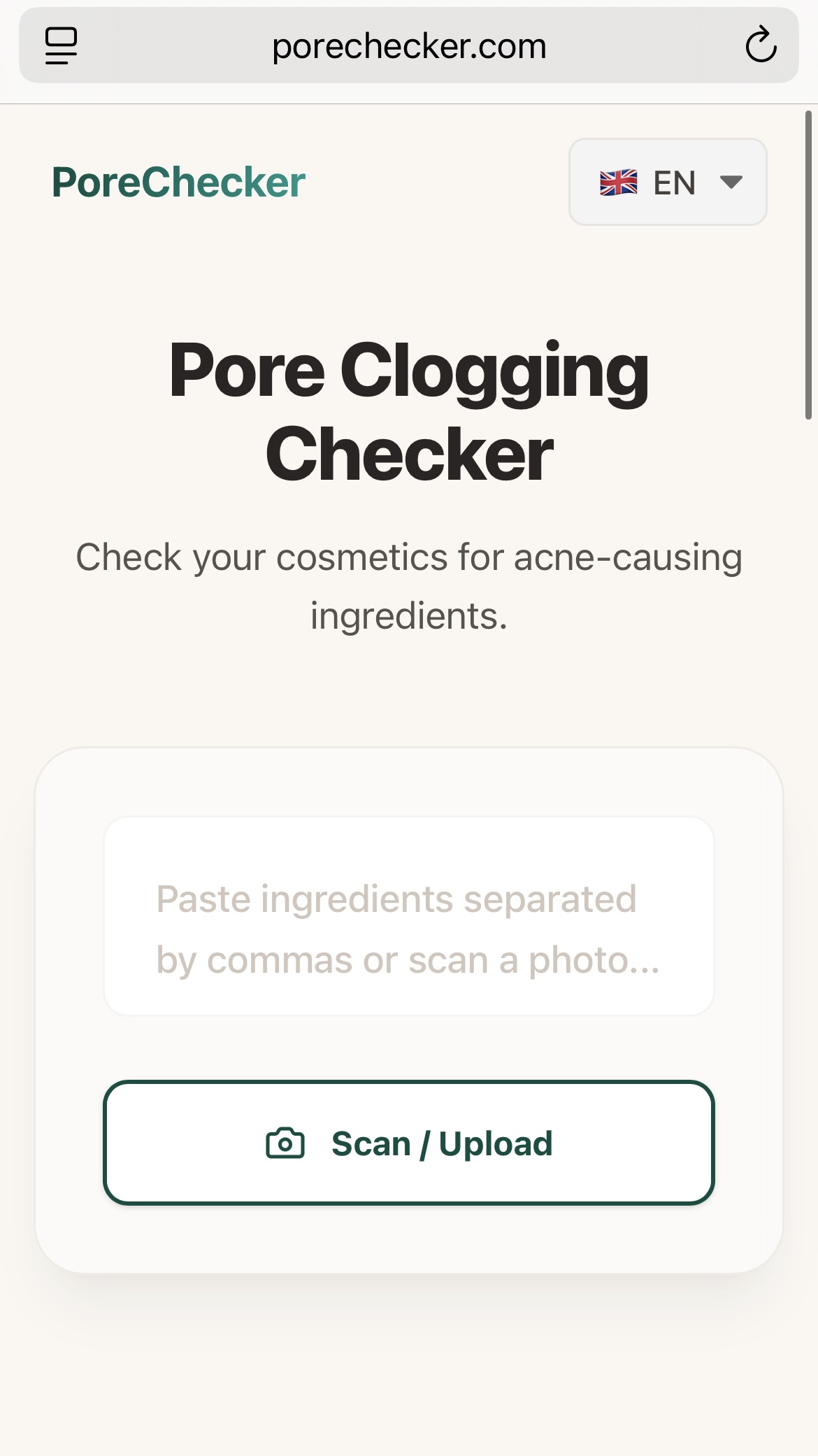
Step 1: Upload Your Product Image
Simply snap a photo of the ingredient list on the back of any bottle, jar, or box. No typing required.
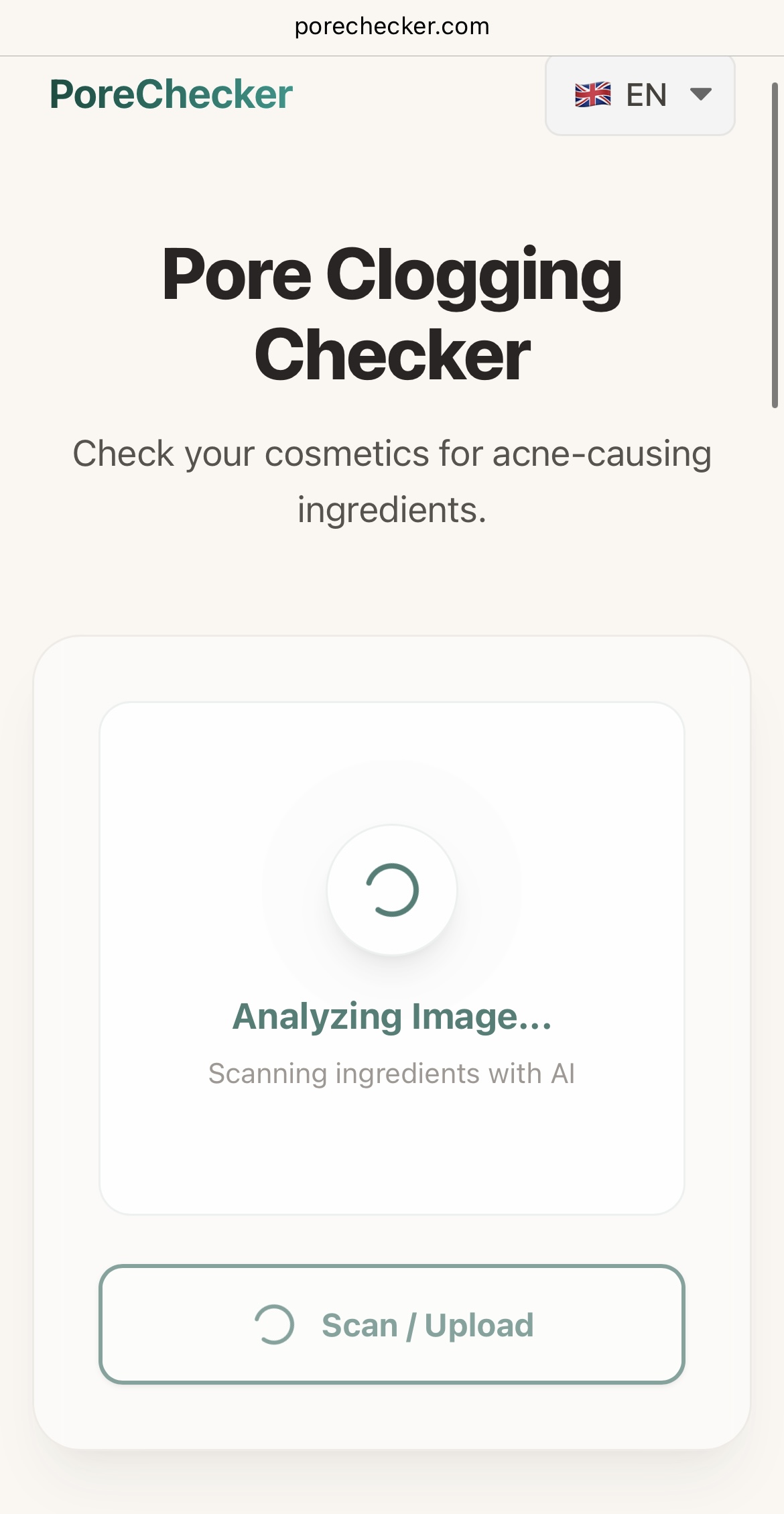
Step 2: Instant AI Ingredient Analysis
Our advanced AI scans the image, performs OCR (Optical Character Recognition), and matches every ingredient against our curated database of comedogenic substances.
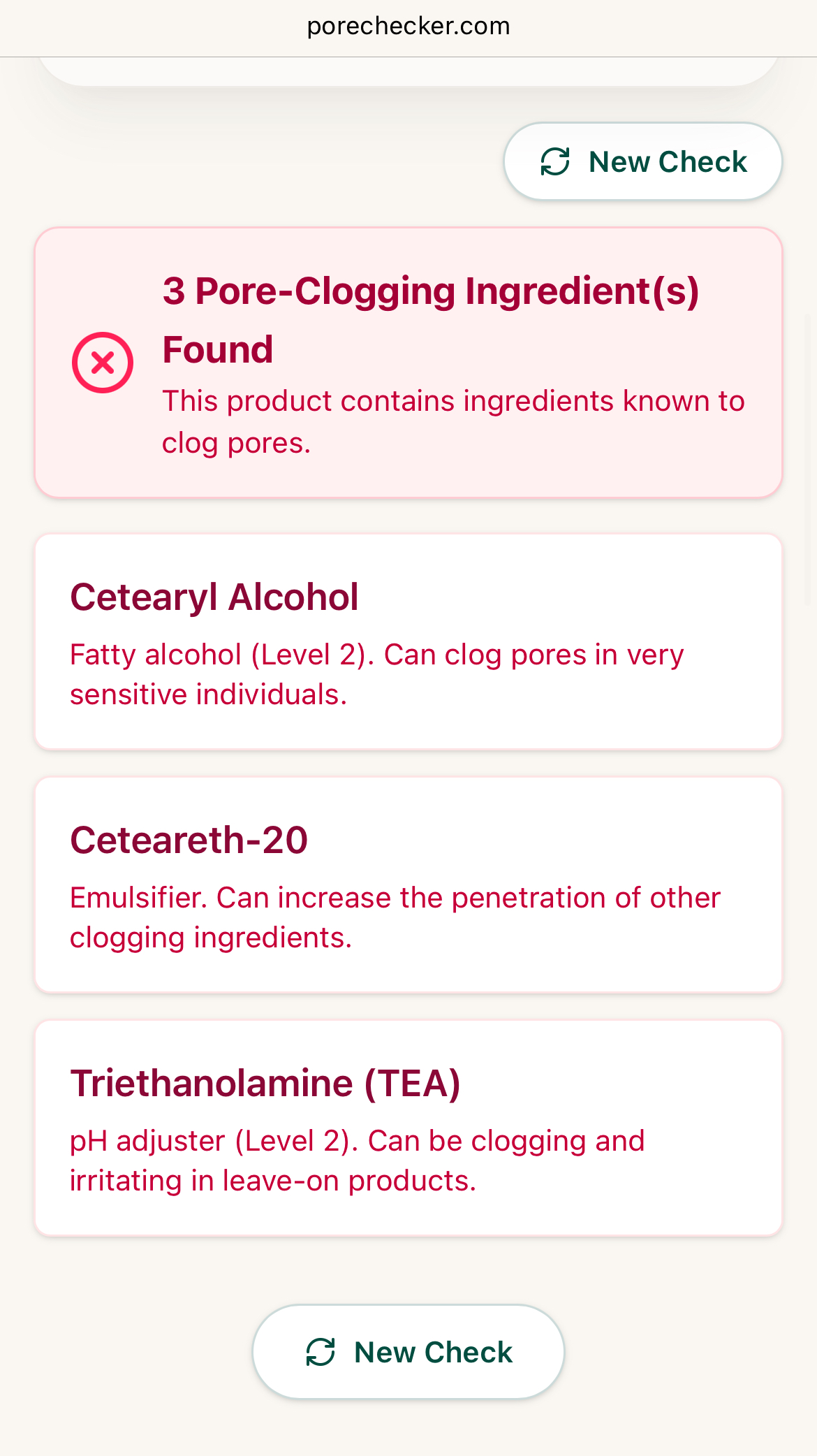
Step 3: Clear Results for Clearer Skin
You get an immediate breakdown. If any red-flag ingredients are found, we highlight them and explain why they might be problematic for your pores.
Does this product fit my skin's needs?
Check Your Products Now