Why Is My Skin Breaking Out? How to Get Rid of Fungal Acne & Reclaim Clear Skin
Frustrated with persistent breakouts? Learn how to identify and get rid of fungal acne. Discover effective treatments and skincare strategies for clear, healthy skin.
Are you battling persistent, itchy bumps that just won't go away? You might be dealing with fungal acne, also known as Malassezia folliculitis. Unlike common acne caused by bacteria, fungal acne is a skin condition triggered by an overgrowth of yeast in the hair follicles. It often presents as small, uniform, red bumps, frequently appearing on the chest, back, and sometimes the face. Understanding this distinction is crucial for effective treatment.
The key to managing fungal acne lies in adopting a non-comedogenic skincare routine. This means avoiding products that can clog pores and exacerbate the issue. We'll delve into the specifics of how to identify and treat fungal acne effectively, focusing on ingredients and practices that won't feed the yeast and worsen the inflammation. Let's get you on the path to clear, healthy skin!
Before you start: If you are unsure if you have fungal acne, it is best to consult with a board-certified dermatologist who can give you an accurate diagnosis and rule out other potential causes for your skin concerns.
Understanding Fungal Acne: The Root Cause
Fungal acne isn't your typical pimple. It's an inflammatory response to an overgrowth of Malassezia yeast, a naturally occurring fungus on the skin. This overgrowth thrives in humid, oily environments, making areas like the chest and back particularly susceptible. The yeast feeds on oils, and when it multiplies excessively, it triggers an immune response leading to those characteristic, itchy bumps. Identifying the cause is the first step in knowing how to get rid of fungal acne.
Key Characteristics
Distinguishing fungal acne from other types of breakouts is essential for effective treatment. Here's what to look for:
- Uniformity: The bumps are generally all the same size and shape.
- Location: Common areas include the chest, back, and sometimes the face.
- Itchiness: Unlike bacterial acne, fungal acne often itches.
- Response to Treatments: Conventional acne treatments may not work and can sometimes make it worse.
Effective Strategies: How to Get Rid of Fungal Acne
Treating fungal acne requires a multifaceted approach, focusing on eliminating the yeast, reducing inflammation, and maintaining a healthy skin barrier. This involves both topical and lifestyle adjustments.
Topical Treatments: The Core of Your Routine
Several topical treatments have proven effective in managing fungal acne. Consult with a dermatologist to determine the best course of treatment for your skin. Common recommendations include:
- Antifungal Shampoos: Shampoos containing ingredients like ketoconazole or selenium sulfide can be used as a body wash. Apply, leave on for a few minutes, and rinse thoroughly.
- Topical Antifungal Creams: Creams containing antifungals are often prescribed. These are applied directly to the affected areas.
- Non-comedogenic Moisturizers: Keeping the skin hydrated is crucial, but it's essential to use moisturizers that won't exacerbate fungal acne. Look for products that are oil-free and specifically labeled as non-comedogenic.
Lifestyle Adjustments: Supporting Clear Skin
In addition to topical treatments, certain lifestyle adjustments can significantly improve the condition of your skin and support your efforts to get rid of fungal acne.
- Diet: While diet's role in fungal acne is debated, limiting sugar and processed foods may help, as these can potentially feed yeast growth.
- Clothing: Wear breathable fabrics like cotton, especially in hot and humid weather, to minimize sweat and friction.
- Hygiene: Shower after workouts and change out of sweaty clothes promptly to prevent yeast overgrowth.
Hidden Pore-Cloggers: Ingredients to Avoid
Avoiding pore-clogging ingredients is vital for managing fungal acne. Many common skincare ingredients can feed the Malassezia yeast and worsen breakouts. Knowing what to avoid is crucial in your quest for clear skin.
Common Culprits
Some ingredients are known to trigger or exacerbate fungal acne. Be vigilant about the following:
- Oils and Fatty Acids: Avoid products with high concentrations of oils, especially those derived from plants. Some examples include: coconut oil, shea butter, and olive oil.
- Esters: Certain esters are known to feed the yeast.
- Polysorbates: These emulsifiers can potentially trigger fungal acne.
- Fermented Ingredients: Ingredients produced through fermentation (e.g. some extracts) may contribute to yeast overgrowth.
Don't Let Your Products Ruin Your Progress
Successfully addressing fungal acne requires careful product selection. You've learned about effective treatments and strategies to get rid of fungal acne, but the products you use can either support or sabotage your efforts. Even seemingly innocuous skincare items can contain ingredients that trigger breakouts. To ensure your routine is truly fungal acne-safe, it's essential to meticulously examine the ingredient lists of every product you use, from cleansers to makeup. This can be a time-consuming process, but it is one of the most effective ways to ensure your products are truly non-comedogenic and won't hinder your skin's healing process.
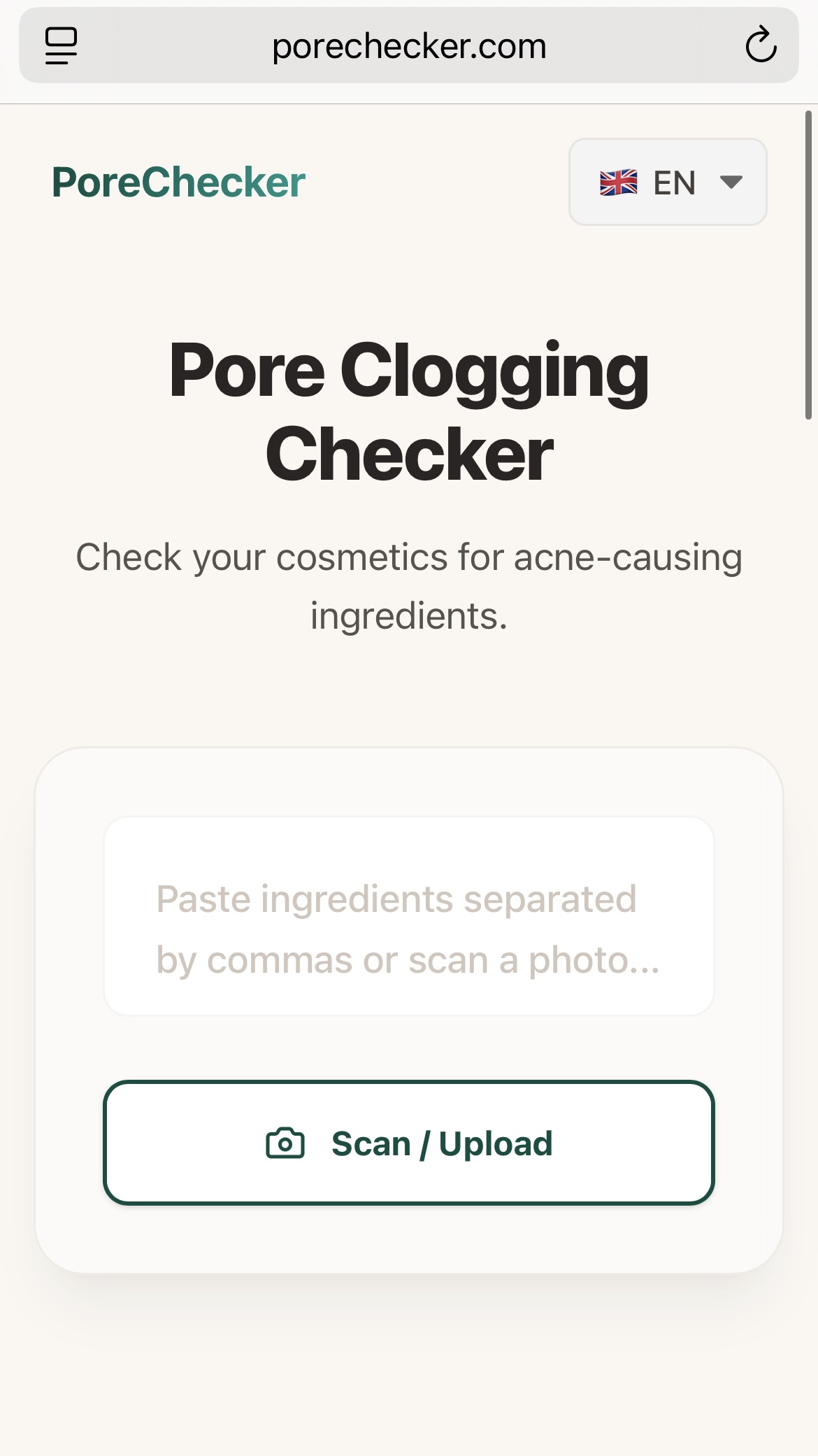
Step 1: Upload Your Product Image
Simply snap a photo of the ingredient list on the back of any bottle, jar, or box. No typing required.
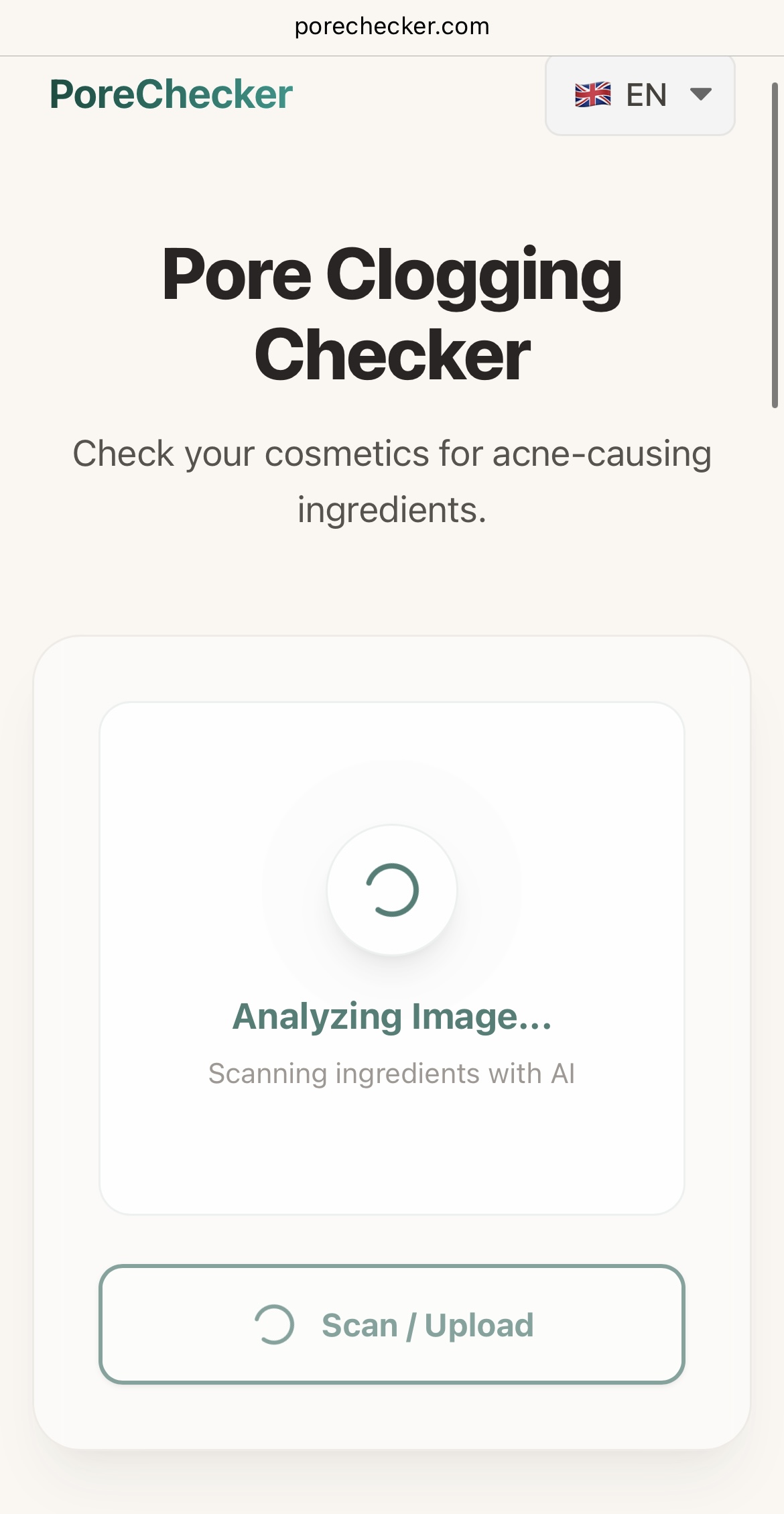
Step 2: Instant AI Ingredient Analysis
Our advanced AI scans the image, performs OCR (Optical Character Recognition), and matches every ingredient against our curated database of comedogenic substances.
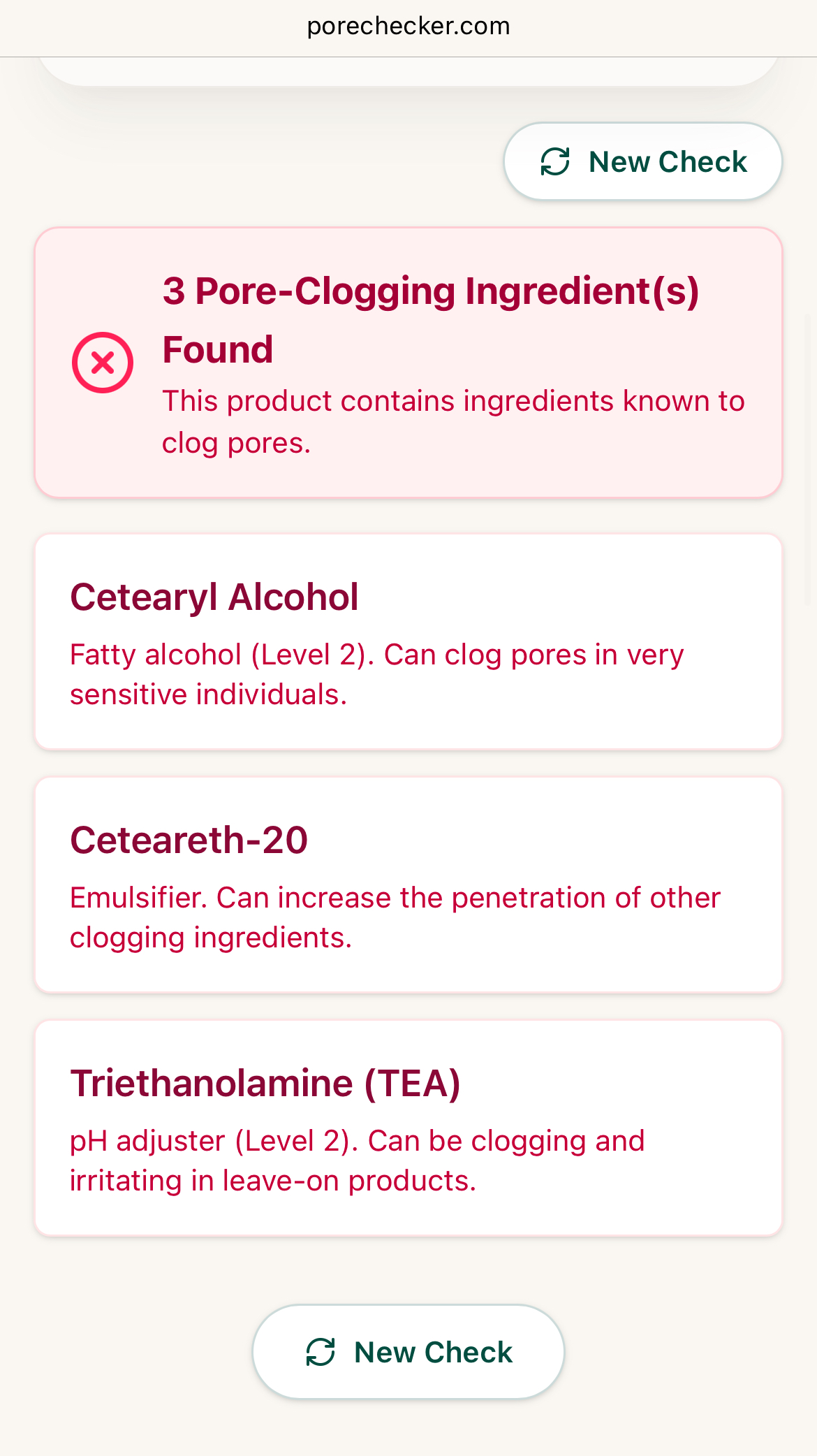
Step 3: Clear Results for Clearer Skin
You get an immediate breakdown. If any red-flag ingredients are found, we highlight them and explain why they might be problematic for your pores.
Does this product fit my skin's needs?
Check Your Products Now