Why Is My Skin Breaking Out? Understanding What Causes Acne
Uncover the reasons behind your breakouts. Learn what causes acne, from excess oil to clogged pores, and how to achieve clearer skin. Expert advice inside!
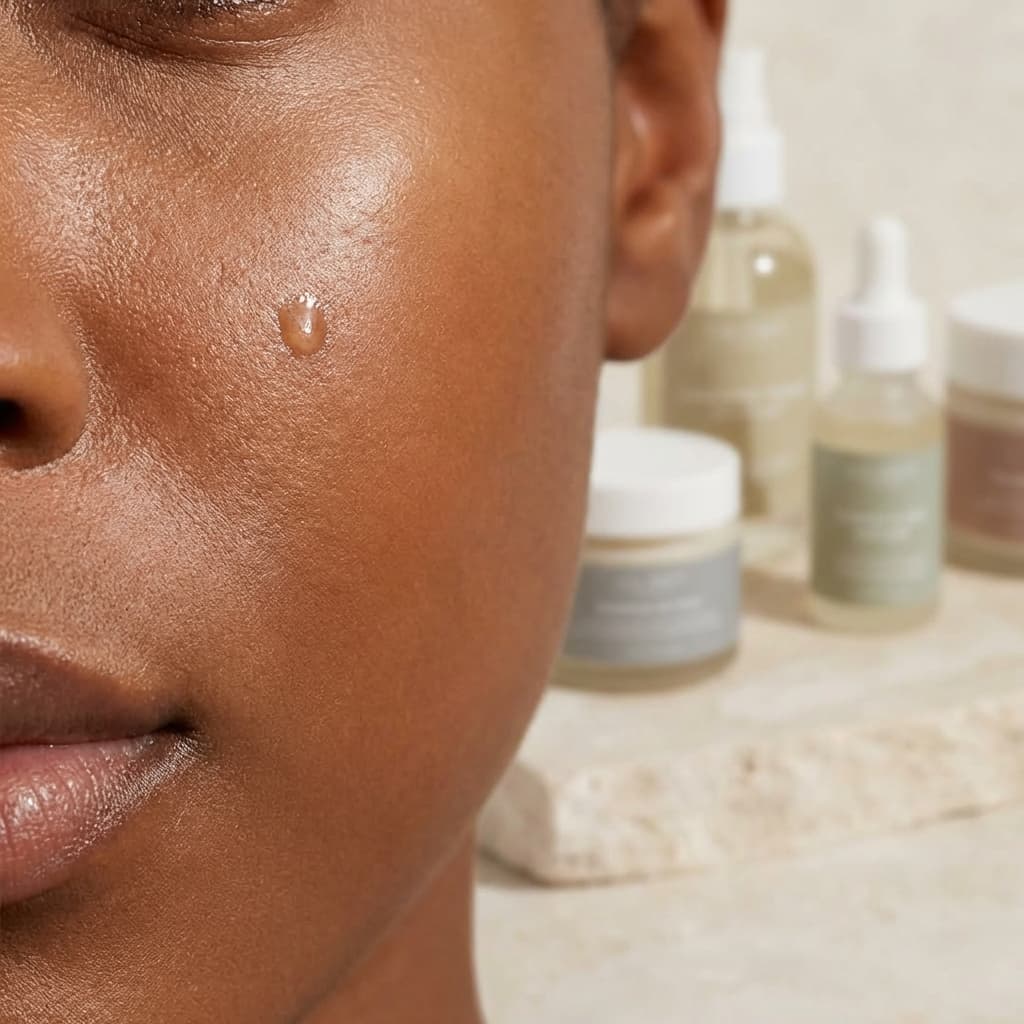
Acne. It's a universal experience, and a frustrating one at that. Understanding what causes acne is the first, crucial step toward reclaiming clear, healthy skin. While the causes can be complex, involving a delicate interplay of hormones, genetics, and lifestyle factors, the fundamental process always revolves around the same thing: clogged pores. And to truly address this, the foundation of your skincare routine must be non-comedogenic – meaning it won't clog your pores.
As a dermatologist, I've spent years helping patients navigate the maze of acne triggers. It's not just about what you see on the surface; it's about what's happening beneath. This article delves deep into the mechanisms behind breakouts, equipping you with the knowledge to identify your personal triggers and build a targeted, effective skincare strategy. We'll explore the common culprits, from excess oil production to the often-overlooked ingredients lurking in your everyday products.
The goal here isn't just to treat existing acne, but to empower you with the tools to prevent future breakouts. Let's get started.
The Four Pillars of Acne Formation
Acne develops through a cascade of events, often interconnected. Understanding these key factors is vital for effective treatment. Think of it like a chain; if you break any link, you disrupt the process and potentially prevent a breakout.
1. Excess Sebum Production
Sebum, the oily substance produced by your sebaceous glands, is essential for keeping your skin moisturized. However, an overproduction of sebum, often influenced by hormones, can lead to clogged pores. This excess oil creates a breeding ground for acne-causing bacteria, such as *Cutibacterium acnes* (formerly *Propionibacterium acnes*), further fueling the inflammatory response.
2. Follicular Hyperkeratinization
This fancy term simply means that the skin cells lining the hair follicles shed more rapidly than normal and clump together. This buildup, combined with excess sebum, forms a plug, effectively trapping oil and dead skin cells within the pore. This is the beginning of a comedone – a blackhead or whitehead.
3. Bacterial Proliferation
The environment inside a clogged pore is perfect for the proliferation of bacteria, especially *C. acnes*. These bacteria thrive in the anaerobic (oxygen-free) environment and trigger inflammation, leading to the development of papules, pustules, and even deeper, more painful acne lesions.
4. Inflammation
The body's immune response to the bacteria and the trapped debris within the pore results in inflammation. This inflammation is what causes the redness, swelling, and pain associated with acne. The severity of the inflammation determines the type of acne lesion, ranging from mild comedones to severe cysts.
Hidden Culprits: Beyond the Basics
While the four pillars provide the foundation, several other factors can exacerbate acne or trigger breakouts. Recognizing these can help fine-tune your approach to clear skin.
1. Comedogenic Ingredients in Skincare and Makeup
Many products contain ingredients that can clog pores. Common offenders include certain oils (like coconut oil and mineral oil), thickeners, and some silicones. Always look for "non-comedogenic" or "oil-free" labels, but be aware that these terms aren't always foolproof. Learning to identify pore-clogging ingredients yourself is crucial.
2. Hormonal Fluctuations
Hormones, especially androgens like testosterone, can stimulate sebum production. This is why acne is common during puberty, menstruation, and pregnancy. Certain medical conditions, like polycystic ovary syndrome (PCOS), can also lead to hormonal imbalances and acne. If you suspect your acne is related to hormonal issues, consult a doctor.
3. Diet and Lifestyle
While the direct link between diet and acne is still being researched, some studies suggest a connection between high-glycemic-index foods (sugary foods and refined carbohydrates) and breakouts. Stress can also indirectly worsen acne by triggering inflammation and potentially affecting hormone levels. Aim for a balanced diet and manage stress through healthy habits.
4. Friction and Irritation
Anything that rubs against your skin – tight clothing, hats, sports equipment – can irritate the skin and contribute to acne. Similarly, harsh skincare products, frequent exfoliation, or picking at your skin can worsen breakouts by causing inflammation and disrupting the skin's natural barrier. Avoid touching your face unnecessarily.
Don't Let Your Products Ruin Your Progress
You now understand the complex interplay of factors that lead to acne. You also know that even the most meticulously crafted skincare routine can be sabotaged by products that contain hidden pore-clogging ingredients. Carefully selecting the right products is essential, but it can be difficult to identify every potential comedogenic component on your own. That's why it's so important to be proactive about your ingredient checks. Knowing what to look for and what to avoid is the key to finally getting the results you deserve.
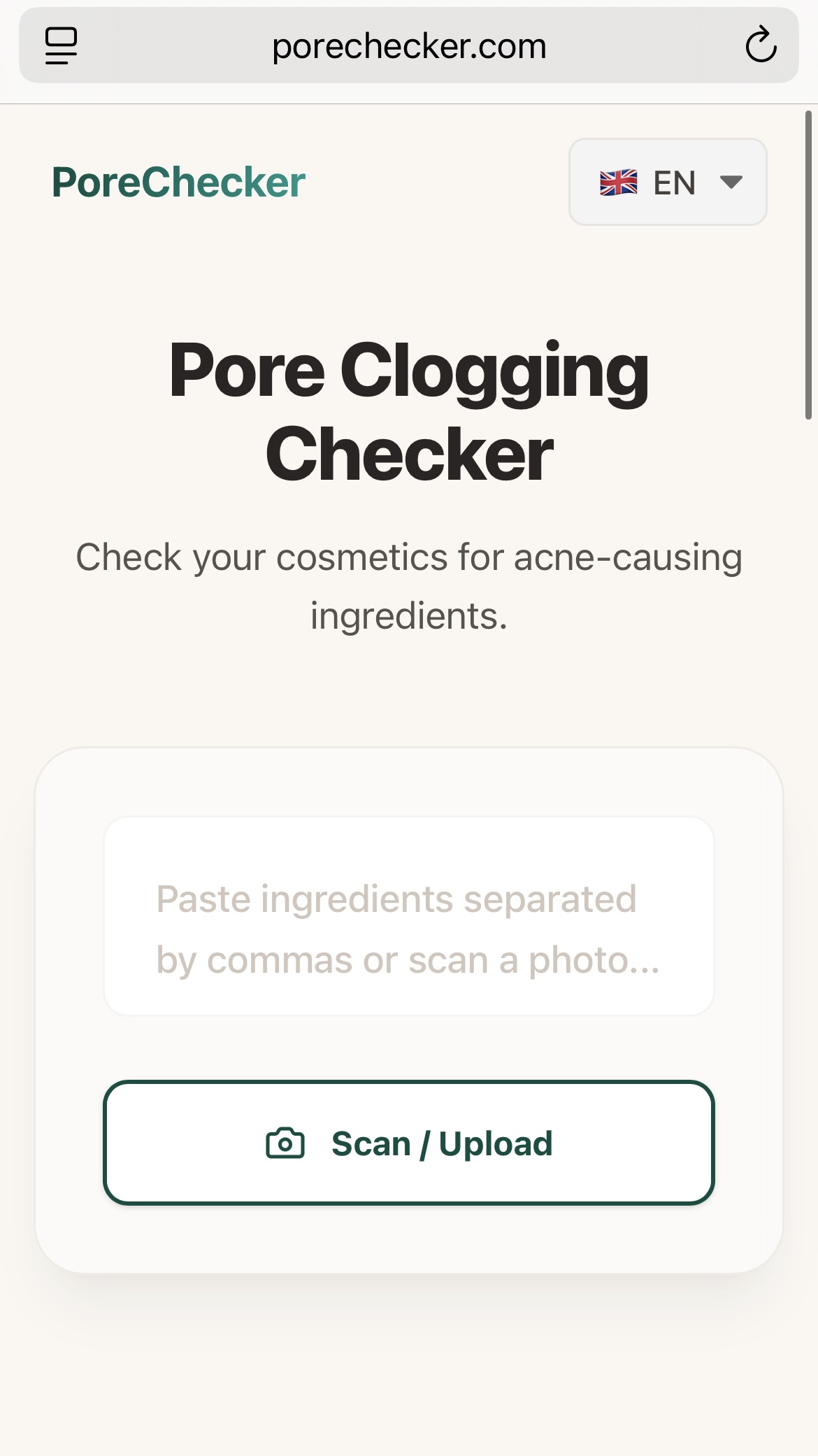
Step 1: Upload Your Product Image
Simply snap a photo of the ingredient list on the back of any bottle, jar, or box. No typing required.
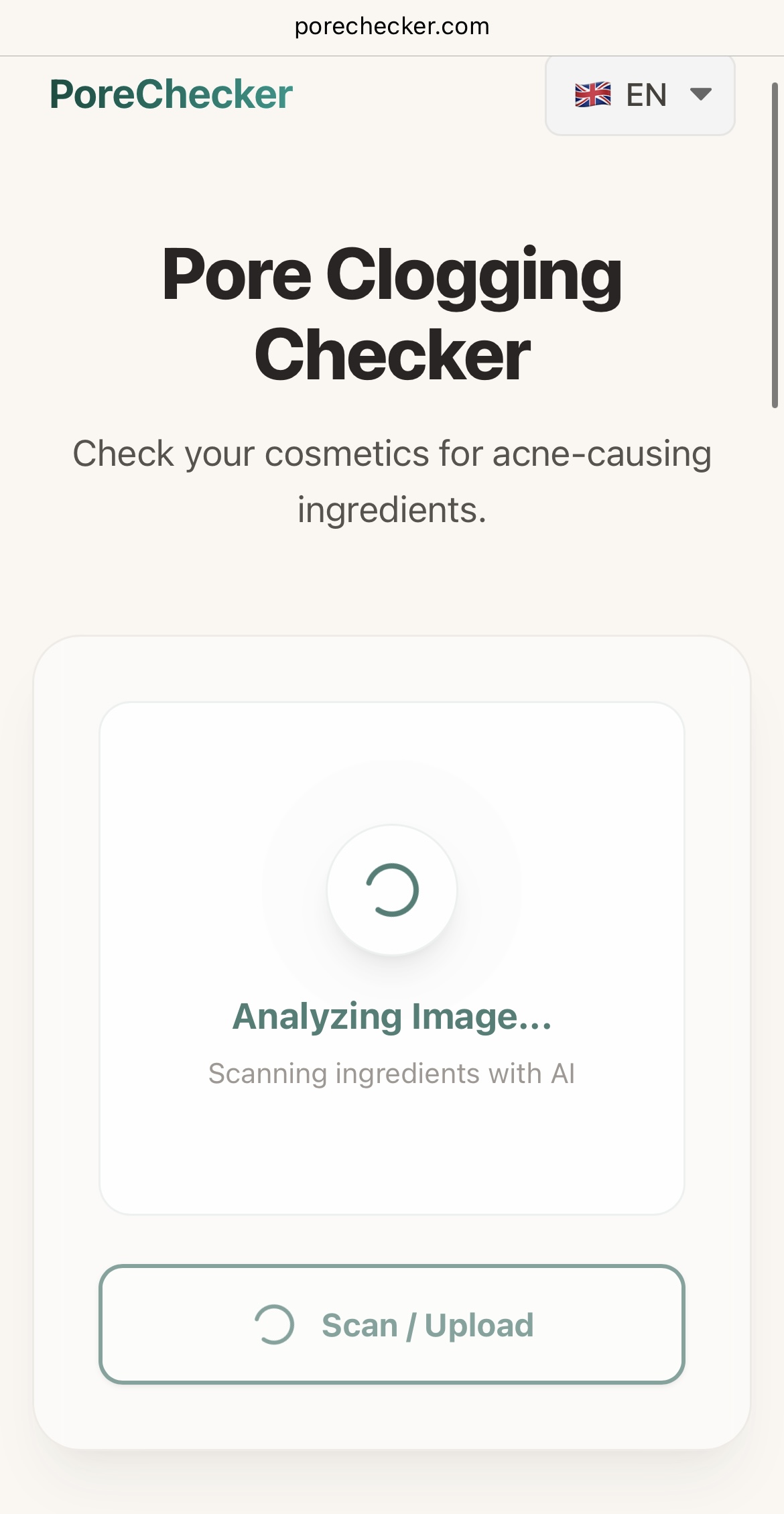
Step 2: Instant AI Ingredient Analysis
Our advanced AI scans the image, performs OCR (Optical Character Recognition), and matches every ingredient against our curated database of comedogenic substances.
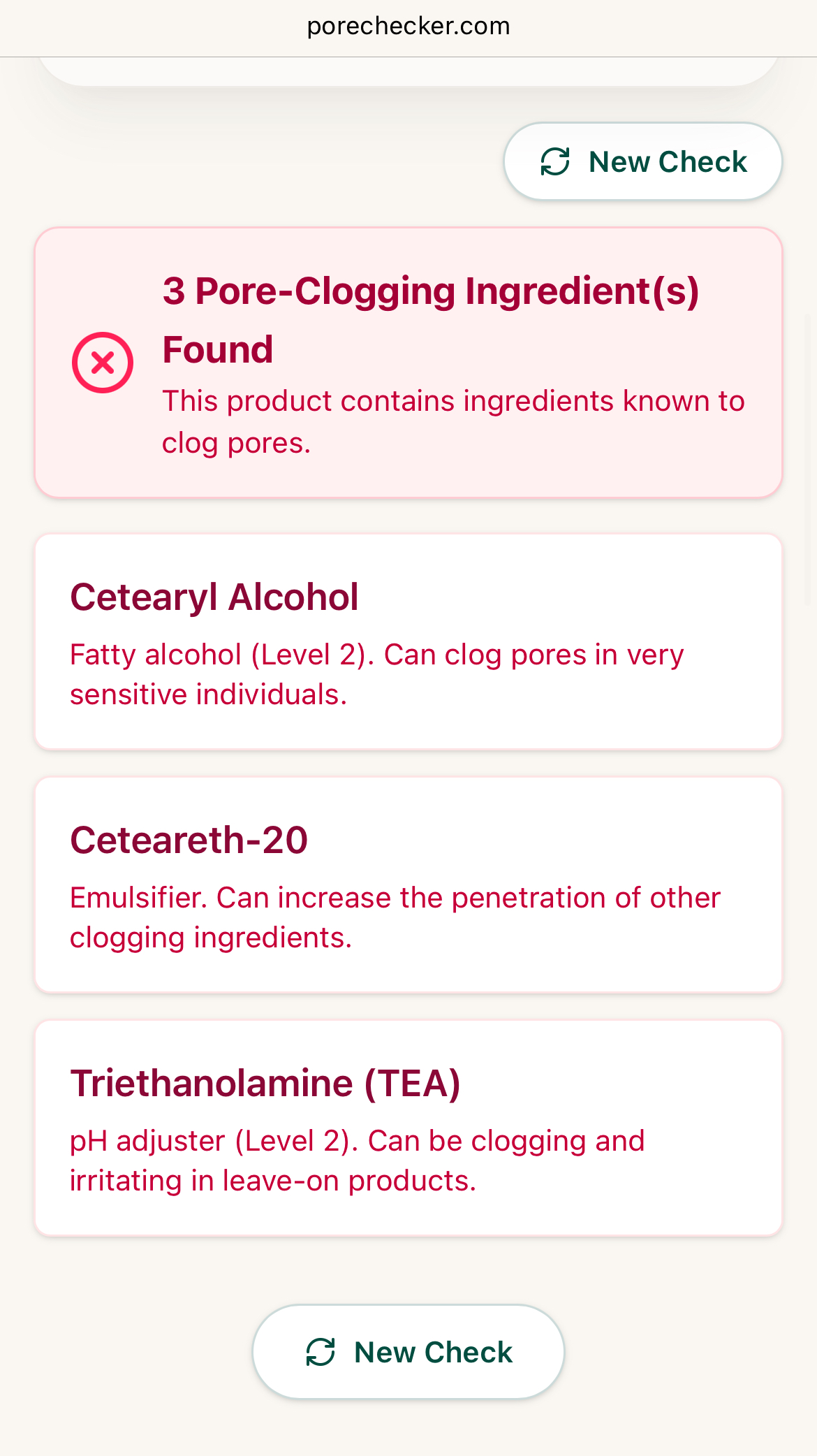
Step 3: Clear Results for Clearer Skin
You get an immediate breakdown. If any red-flag ingredients are found, we highlight them and explain why they might be problematic for your pores.
Does this product fit my skin's needs?
Check Your Products Now