Beyond Hydration: What Does Moisturizer Do For Your Skin Health?
Ever wonder what does moisturizer do? Discover how it strengthens your skin barrier and why choosing non-comedogenic formulas matters.
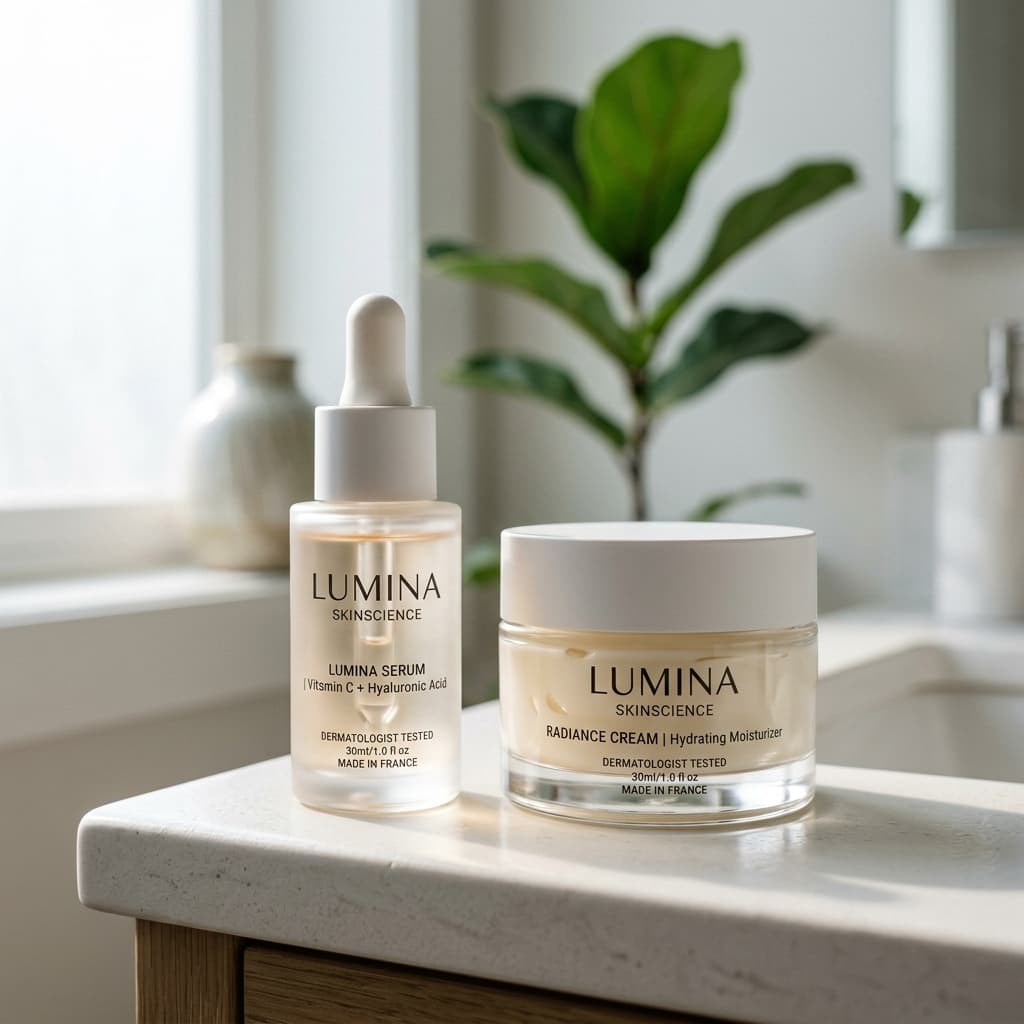
At its core, moisturizing is often mistaken for a simple aesthetic choice or a remedy for tight, uncomfortable skin. In reality, it is a sophisticated biological necessity. Your skin relies on a delicate balance of water and lipids to maintain its structural integrity, acting as the primary shield against environmental pathogens, pollutants, and trans-epidermal water loss (TEWL).
When you ask what does moisturizer do, you are really asking how to sustain your skin’s barrier function. Without an adequate topical seal, the protective lipids in your stratum corneum begin to degrade, leading to sensitivity, inflammation, and premature aging. For those prone to acne, the challenge is finding a formula that supports this barrier without introducing non-comedogenic irritants that might trigger breakouts.
The Science of Hydration and Occlusion
Moisturizers function through three primary mechanisms: humectants, emollients, and occlusives. Humectants like glycerin and hyaluronic acid act as moisture magnets, pulling water into the deeper layers of the epidermis. However, if left alone, these ingredients can sometimes evaporate, potentially pulling water out of the skin in low-humidity environments.
This is where the balancing act occurs. To prevent evaporation, high-quality moisturizers pair humectants with emollients—which soften and smooth the skin texture—and occlusives, which form a physical barrier to lock everything in. For skin that is acne-prone, the specific molecular weight and chemical structure of these occlusives are vital. You want to seal in moisture without creating an environment that suffocates your pores or encourages the buildup of sebum and bacteria.
Identifying Hidden Pore-Cloggers
It is a common clinical observation that patients struggling with chronic breakouts are often using moisturizers that contain hidden, highly comedogenic ingredients. Even products labeled as "gentle" can harbor waxes, heavy oils, or synthetic derivatives that are notorious for creating micro-plugs within the follicular duct. Recognizing these culprits is just as important as knowing what your moisturizer does for your hydration levels.
Don't Let Your Products Ruin Your Progress
Knowing what does moisturizer do is the first step toward a healthier complexion, but your efforts will be undermined if your chosen formula contains ingredients that trigger congestion. It is not enough to rely on marketing claims like "oil-free," as many non-oil-based substances can still be comedogenic. To truly protect your progress, you must cross-reference your current product labels with a rigorous, evidence-based ingredient checker to ensure that every layer of your skincare routine is working toward your health goals rather than sabotaging them.
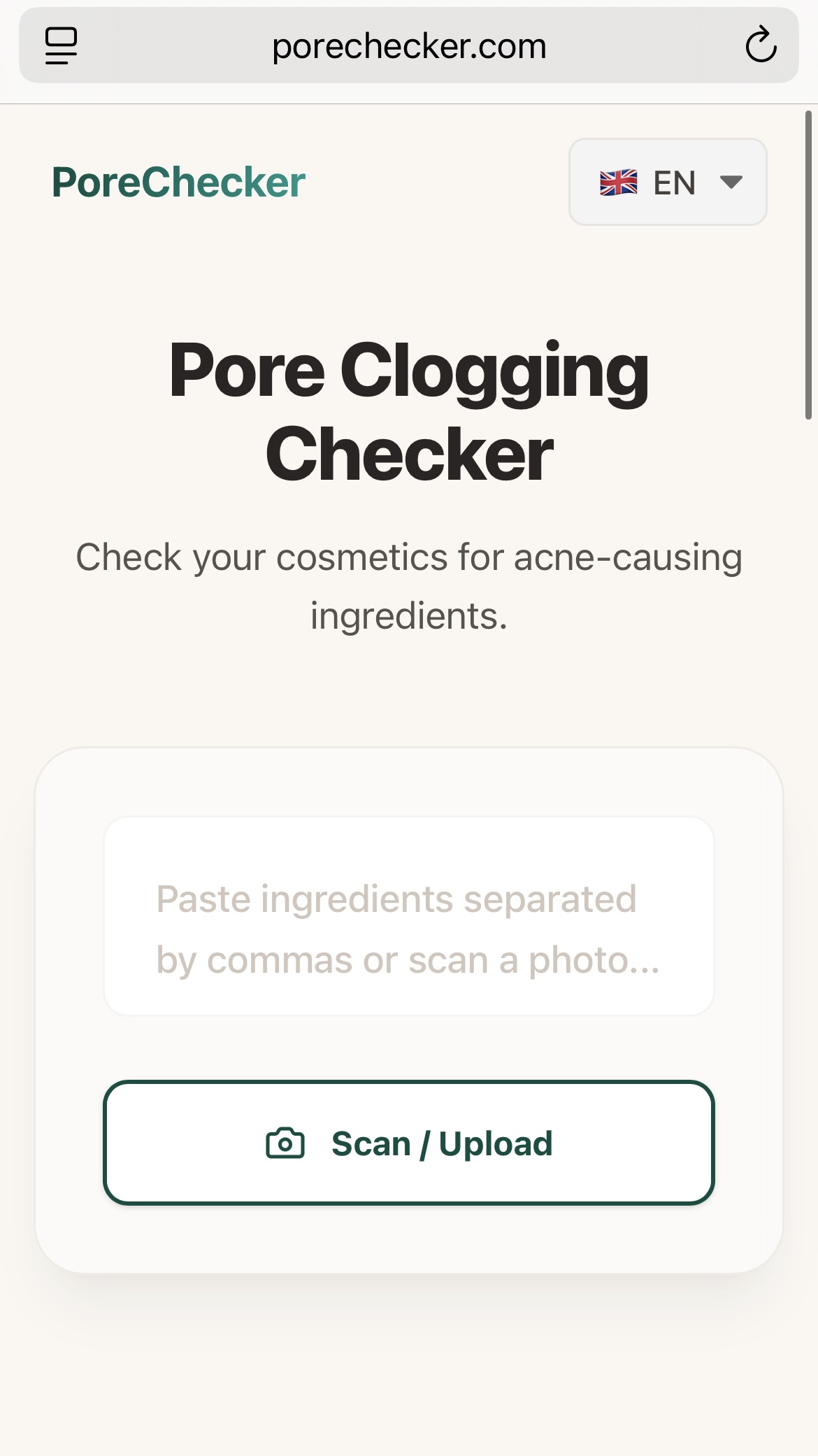
Step 1: Upload Your Product Image
Simply snap a photo of the ingredient list on the back of any bottle, jar, or box. No typing required.
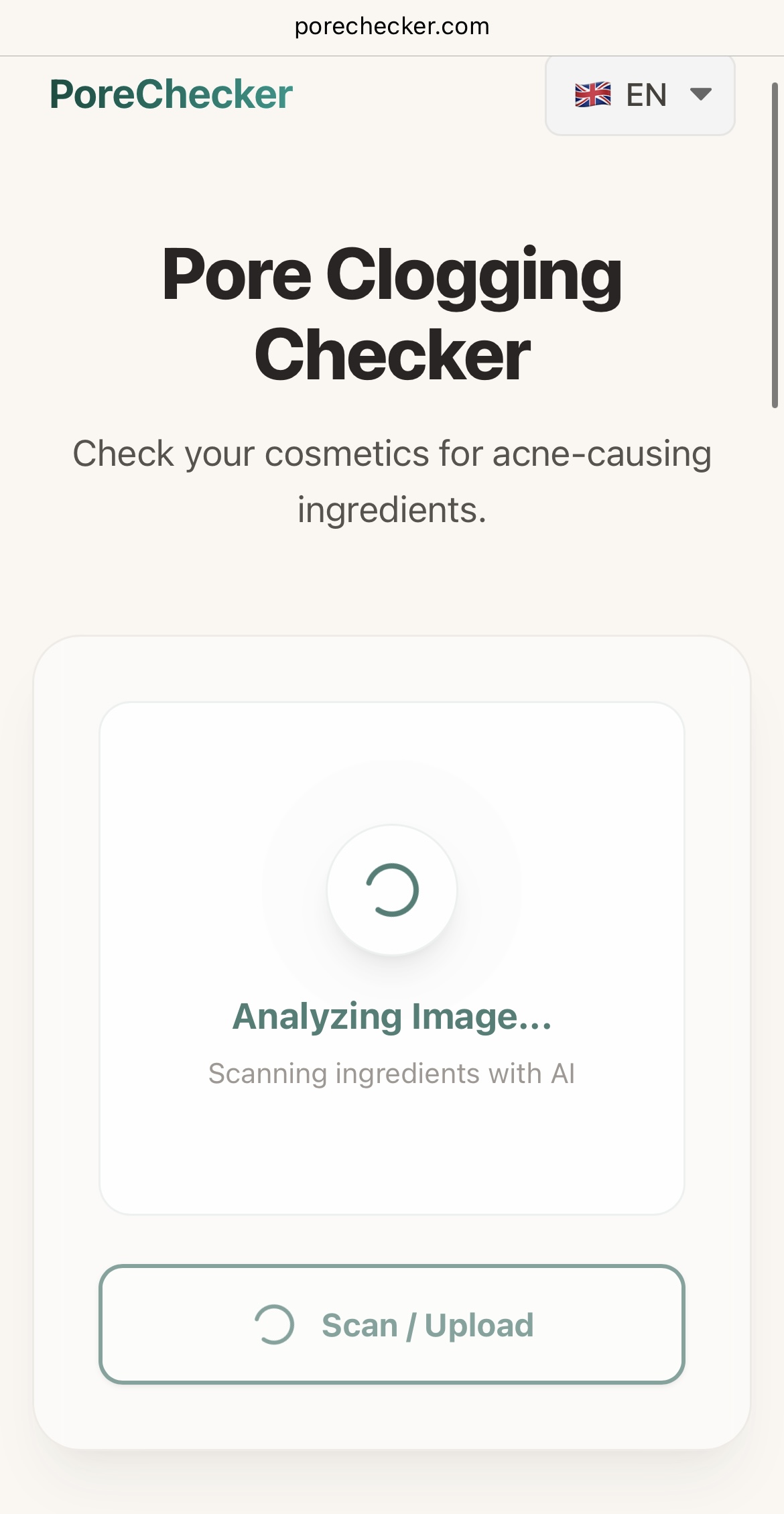
Step 2: Instant AI Ingredient Analysis
Our advanced AI scans the image, performs OCR (Optical Character Recognition), and matches every ingredient against our curated database of comedogenic substances.
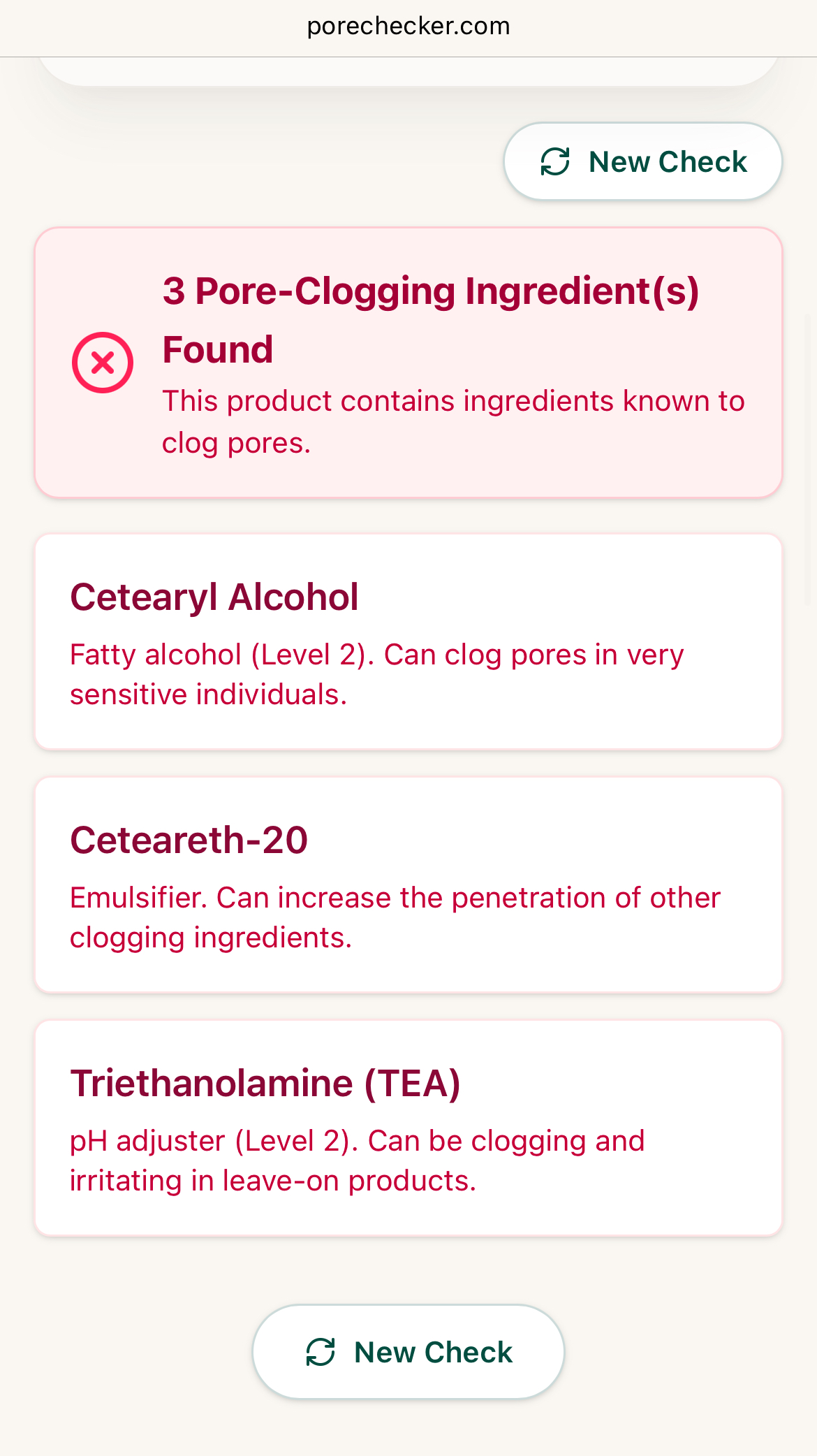
Step 3: Clear Results for Clearer Skin
You get an immediate breakdown. If any red-flag ingredients are found, we highlight them and explain why they might be problematic for your pores.
Does this product fit my skin's needs?
Check Your Products Now