Beyond the Glow: What Does Retinol Serum Do for Your Skin?
Discover exactly what does retinol serum do for your skin health. Learn the science behind cell turnover and how to avoid breakouts.
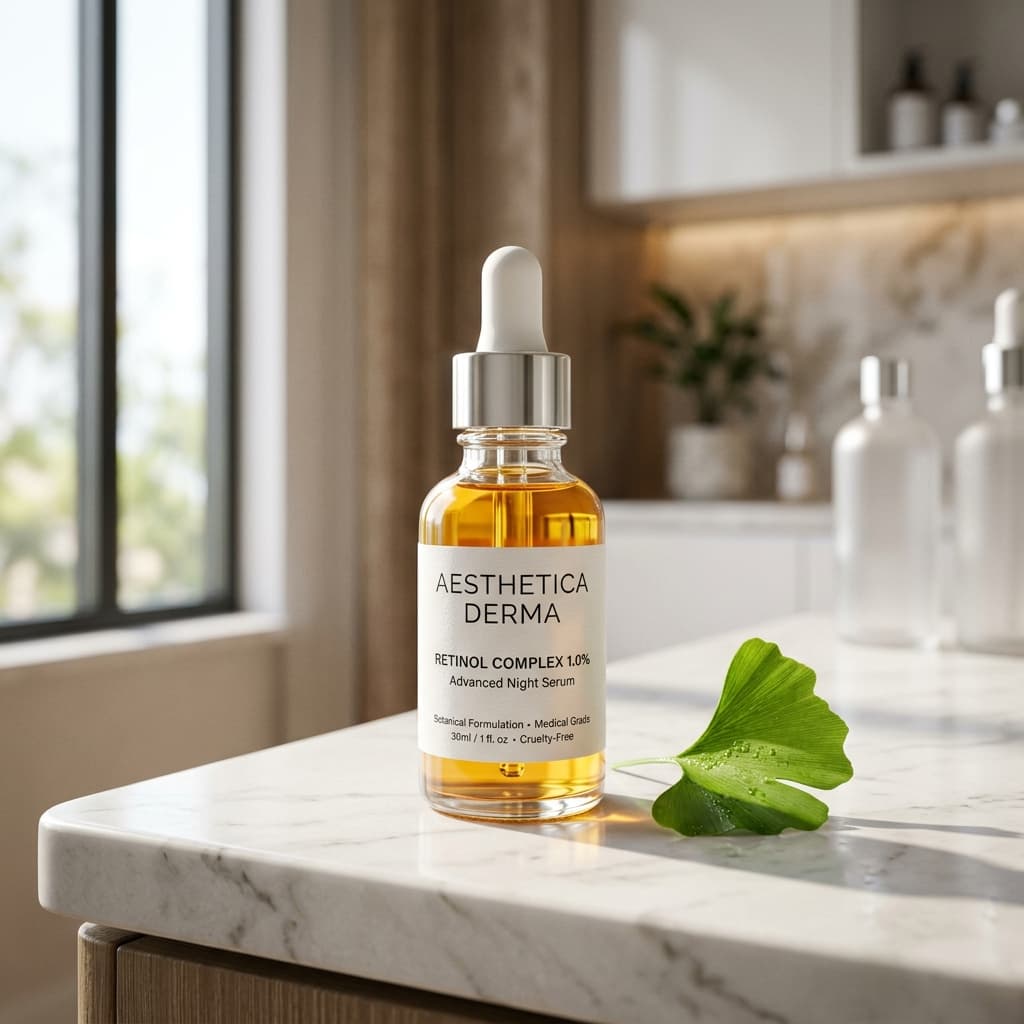
When you navigate the crowded landscape of skincare, retinol often emerges as the gold standard for clinical-grade results. You likely hear it mentioned in the context of anti-aging, but its utility extends far beyond simple wrinkle reduction. Retinol, a derivative of vitamin A, functions by signaling your skin cells to behave as they did when you were younger, effectively accelerating the cycle of cellular renewal.
However, incorporating this powerhouse ingredient into your routine requires more than just application; it requires understanding skin biology. True skin health relies on non-comedogenic care, meaning that while you are treating signs of aging, you must ensure your chosen delivery system—the serum base—is not actively clogging your pores or triggering inflammation.
The Mechanism of Action: Skin Cellular Turnover
At its core, retinol works by binding to retinoid receptors in your skin cells. Once triggered, this process speeds up the rate at which dead skin cells shed from the surface. This rapid turnover prevents the accumulation of cellular debris within the follicle, which is the primary catalyst for both dullness and acne formation.
Collagen Production and Texture
Beyond exfoliation, retinol stimulates fibroblasts, the cells responsible for producing collagen and elastin. Over several months of consistent use, you will notice a visible refinement in skin texture. By thickening the deeper layers of the dermis, it provides a firmer foundation for the skin, minimizing the appearance of fine lines and evening out hyperpigmentation caused by sun damage.
Why Formulation Matters
While the active ingredient is potent, the inactive ingredients in your serum are equally critical. Many commercial formulations use thickeners, emollients, or fragrance carriers that can be highly comedogenic. If your retinol serum contains oils like coconut oil or harsh esters that sit heavily on the skin, you may experience "purging" that is actually a reaction to pore-clogging ingredients rather than the retinol itself.
Don't Let Your Products Ruin Your Progress
It is a frustrating irony to invest in a gold-standard active like retinol only to have your results sabotaged by hidden pore-clogging ingredients. Many serums on the market prioritize texture and "luxe" feel over skin safety, packing their formulas with waxes and surfactants that can cause micro-comedones. Because your skin is already in a state of high activity while adjusting to a retinoid, it is vital to ensure that every other component in your routine is non-comedogenic. Verifying the ingredient list against a reliable comedogenicity database is the only way to ensure your skin can successfully process the benefits of your retinol without suffering from the underlying irritation caused by hidden pore-cloggers.
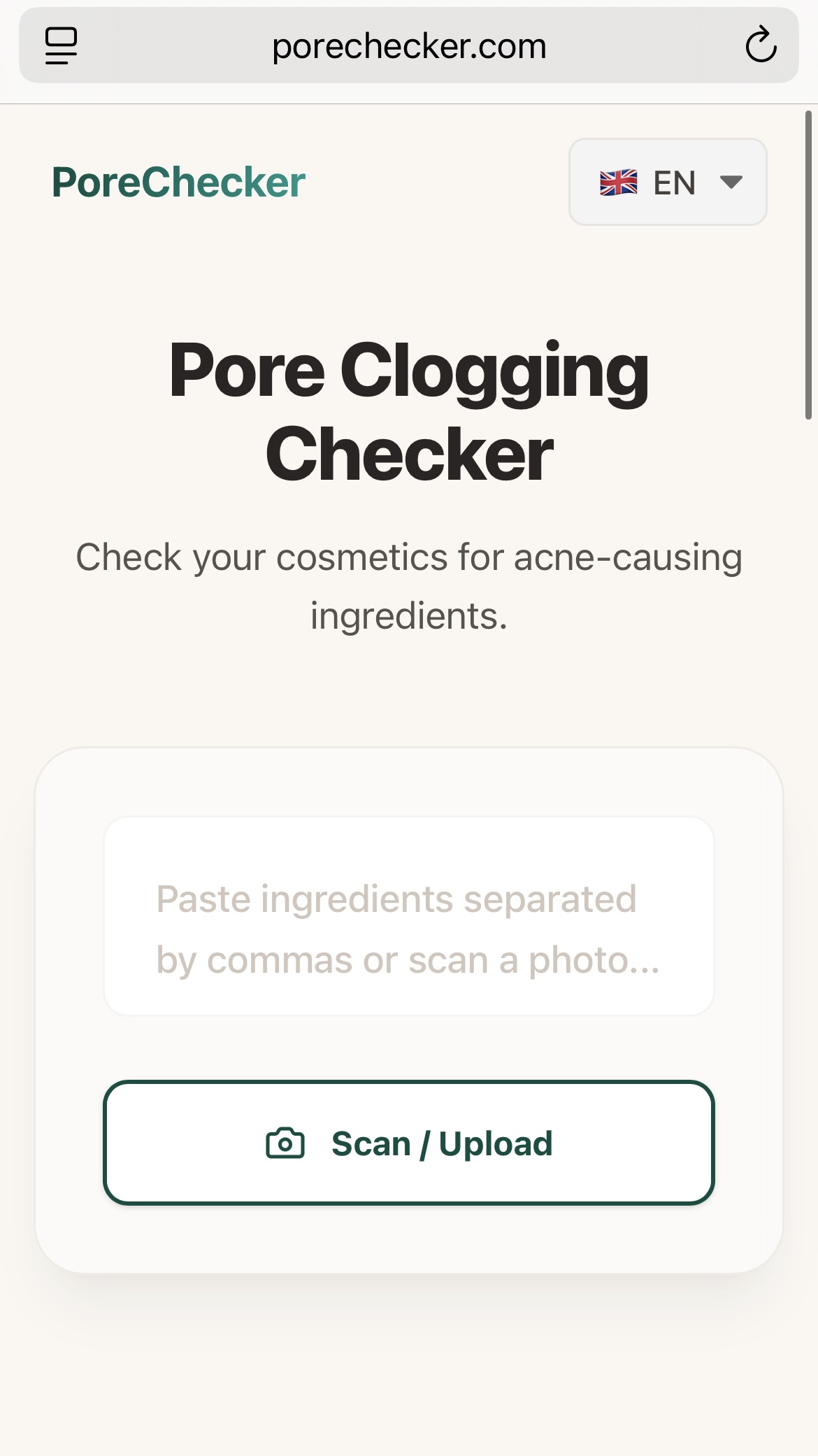
Step 1: Upload Your Product Image
Simply snap a photo of the ingredient list on the back of any bottle, jar, or box. No typing required.
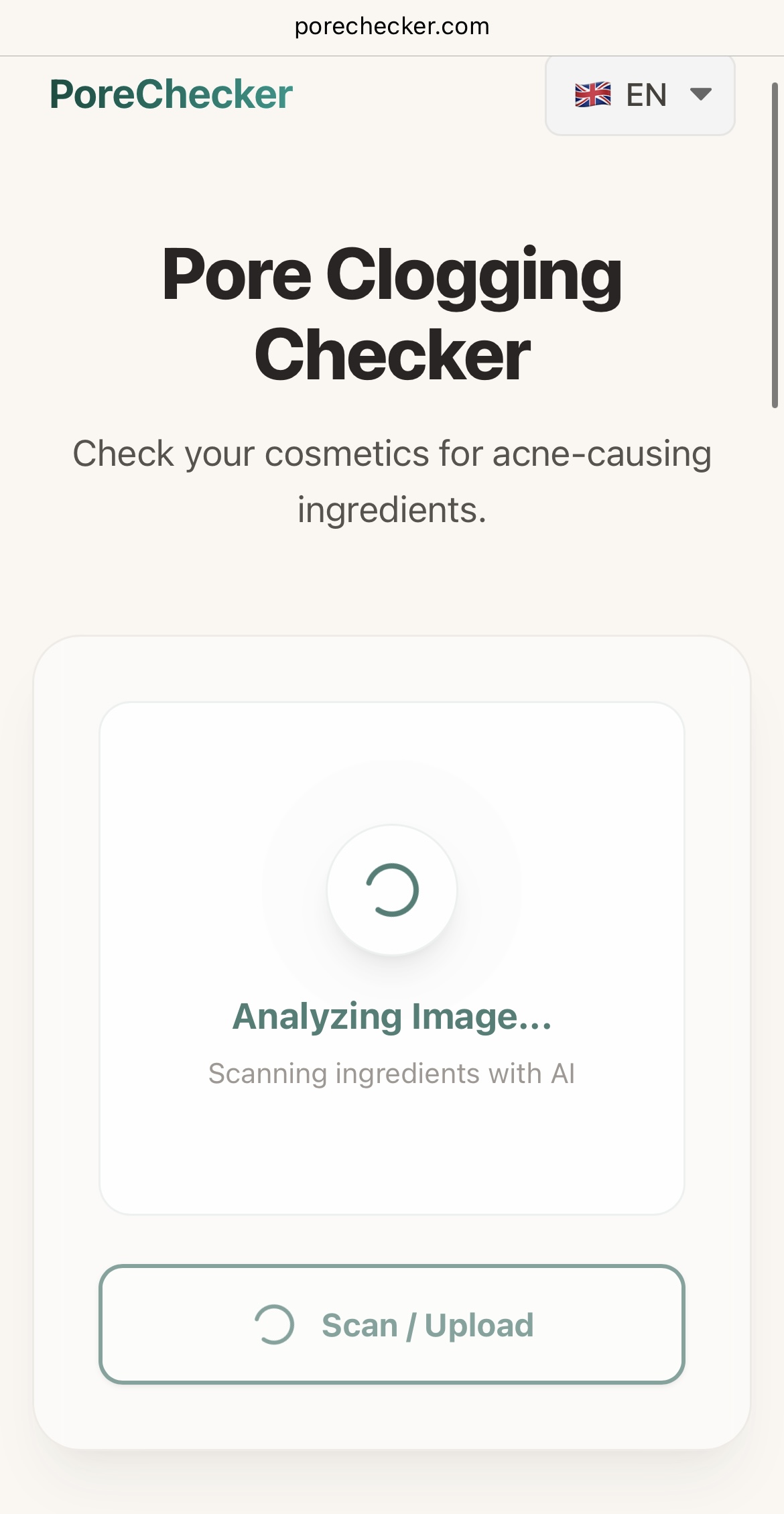
Step 2: Instant AI Ingredient Analysis
Our advanced AI scans the image, performs OCR (Optical Character Recognition), and matches every ingredient against our curated database of comedogenic substances.
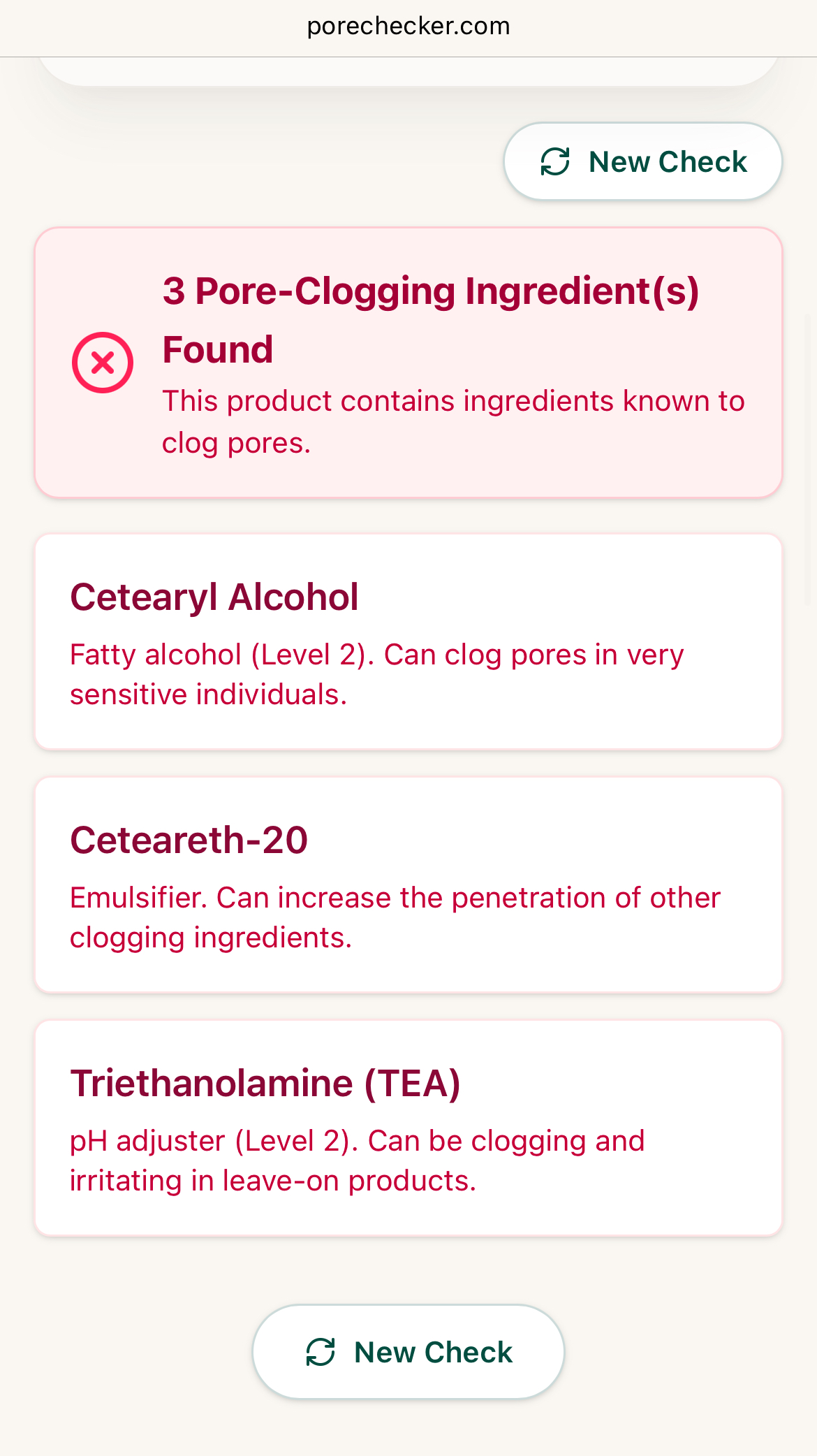
Step 3: Clear Results for Clearer Skin
You get an immediate breakdown. If any red-flag ingredients are found, we highlight them and explain why they might be problematic for your pores.
Does this product fit my skin's needs?
Check Your Products Now