Beyond the Surface: What Causes Adult Acne and How to Treat It
Frustrated by breakouts in your 20s, 30s, or beyond? Discover what causes adult acne and the science behind achieving a clear, calm complexion.
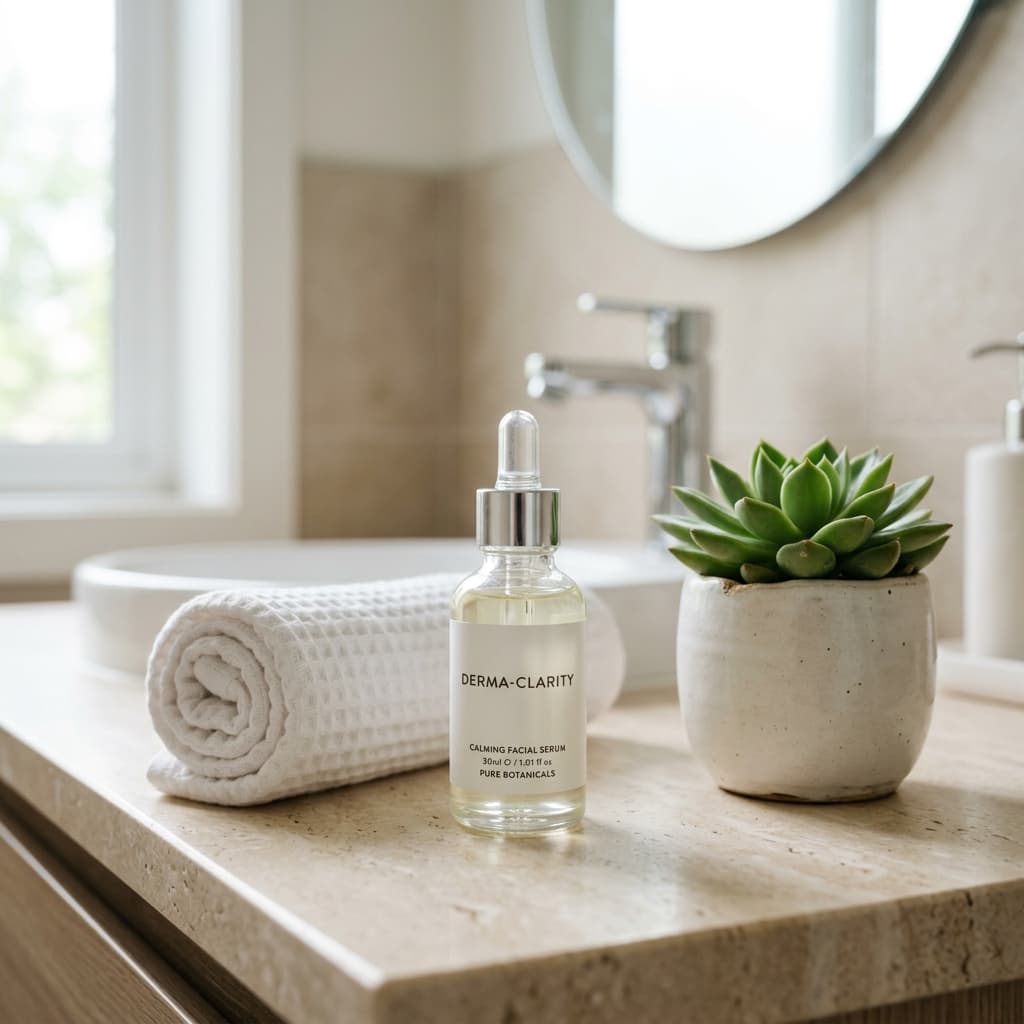
Acne is often unfairly relegated to the teenage years, yet dermatological offices are increasingly filled with professionals navigating persistent breakouts long after their adolescence has ended. When you experience acne as an adult, the physiological triggers are often more complex than the hormonal fluctuations of puberty. Understanding the underlying mechanisms—from systemic inflammation to external irritants—is the first step toward reclaiming your skin health.
The path to a clear complexion begins with a commitment to non-comedogenic care. Many adults inadvertently aggravate their skin by using heavy, occlusive formulas that trap bacteria and sebum within the follicle. By shifting your focus toward breathable, science-backed skincare, you allow your skin barrier to repair itself while minimizing the likelihood of new lesions forming.
The Multifactorial Origins of Adult Breakouts
Adult acne is rarely the result of a single issue; rather, it is a confluence of factors. Hormonal shifts remain a primary catalyst, particularly in women. Fluctuations in androgens can increase sebum production, which then combines with dead skin cells to create a hospitable environment for C. acnes bacteria. Unlike adolescent acne, which often peaks in the T-zone, adult acne frequently manifests along the jawline and chin, signaling a deeper, hormonal component.
The Role of Inflammation and Lifestyle
Beyond hormones, we must address the role of systemic inflammation. Stress, for instance, triggers the release of cortisol, which indirectly stimulates oil glands and compromises the skin's immune response. Furthermore, environmental pollutants and high-glycemic diets can contribute to oxidative stress, further inflaming existing acne-prone skin. It is essential to approach your skin as a reflection of your internal health, viewing your routine not as a way to "scrub away" acne, but as a way to support your skin's natural healing processes.
Hidden Pore-Cloggers in Your Vanity
Many products marketed as "skincare" actually contain ingredients that possess a high comedogenic rating. These hidden offenders, such as certain fatty acids, oils, or waxes, can sit on the skin's surface and create a film that leads to micro-comedones. Even if a product is labeled "gentle," the chemical composition might be fundamentally incompatible with your skin's unique needs, leading to the very congestion you are trying to resolve.
Don't Let Your Products Ruin Your Progress
Even the most diligent skincare routine can be derailed by a single culprit hidden in your favorite moisturizer or serum. Because the industry often masks pore-clogging ingredients behind clinical-sounding chemical names, it is difficult to identify exactly what is causing your skin to react. Protecting your skin requires a proactive approach to ingredient transparency, ensuring that every product you apply is actively working to clarify your pores rather than suffocating them. Before you introduce a new staple into your regimen, it is vital to vet your formulations against known pore-clogging profiles to ensure you aren't accidentally sabotaging your hard-earned results.
Step 1: Upload Your Product Image
Simply snap a photo of the ingredient list on the back of any bottle, jar, or box. No typing required.

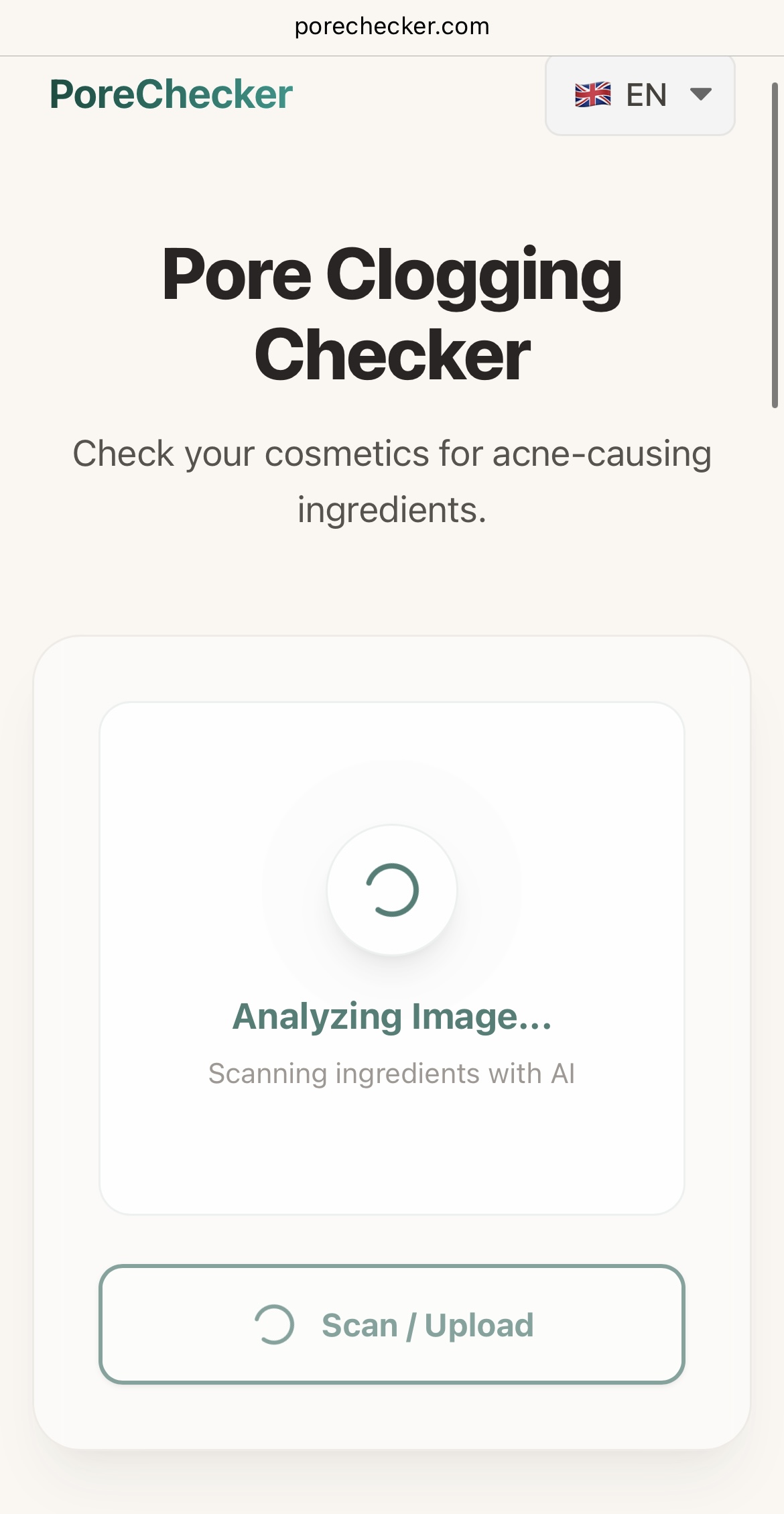
Step 2: Instant AI Ingredient Analysis
Our advanced AI scans the image, performs OCR (Optical Character Recognition), and matches every ingredient against our curated database of comedogenic substances.
Step 3: Clear Results for Clearer Skin
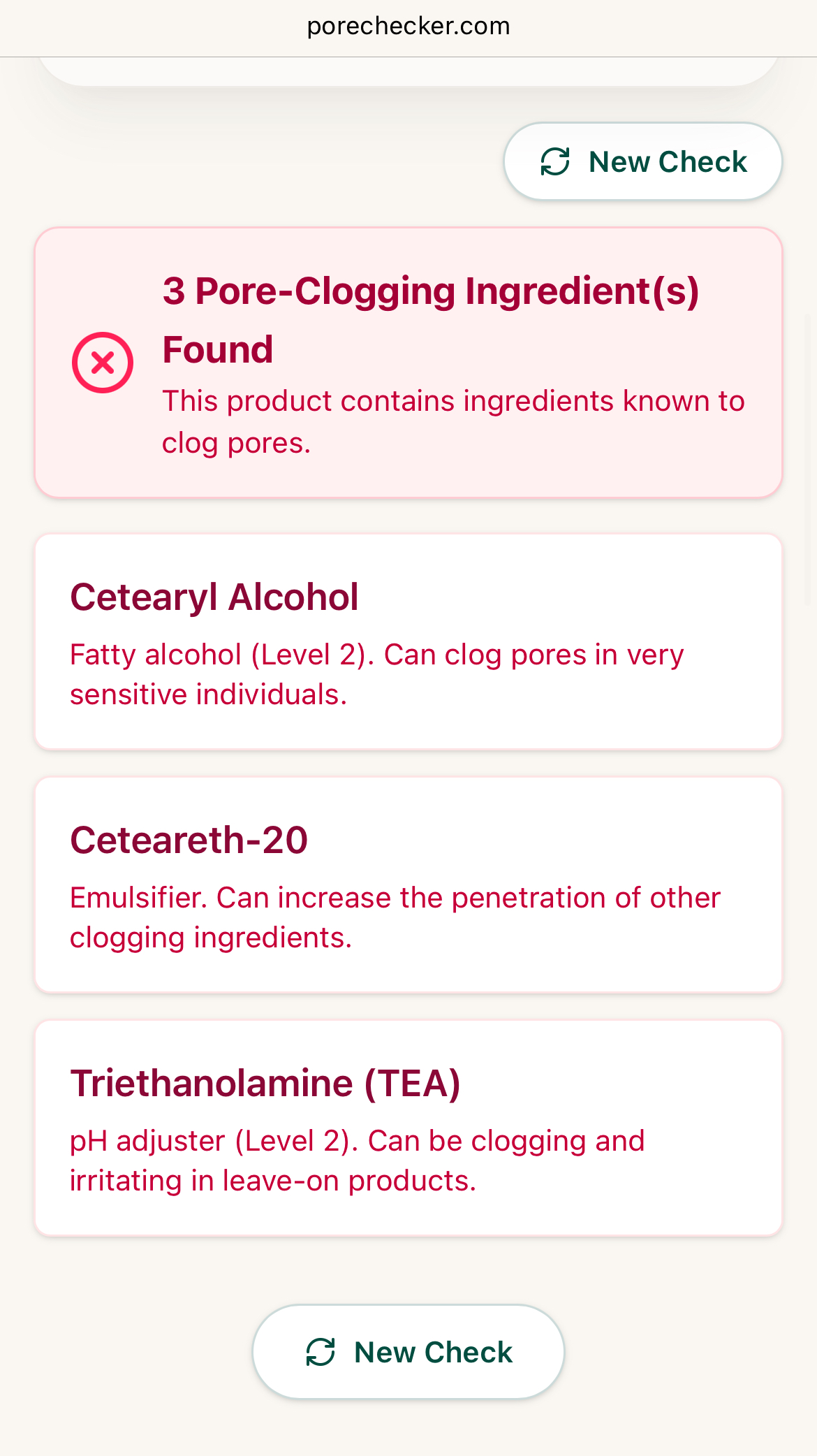
You get an immediate breakdown. If any red-flag ingredients are found, we highlight them and explain why they might be problematic for your pores.
Does this product fit my skin's needs?
Check Your Products Now