Can Birth Control Cause Acne? Why Your Hormones Might Be Breaking You Out
Struggling with breakouts? Discover if your contraceptive method is to blame and learn how to stabilize your skin chemistry.
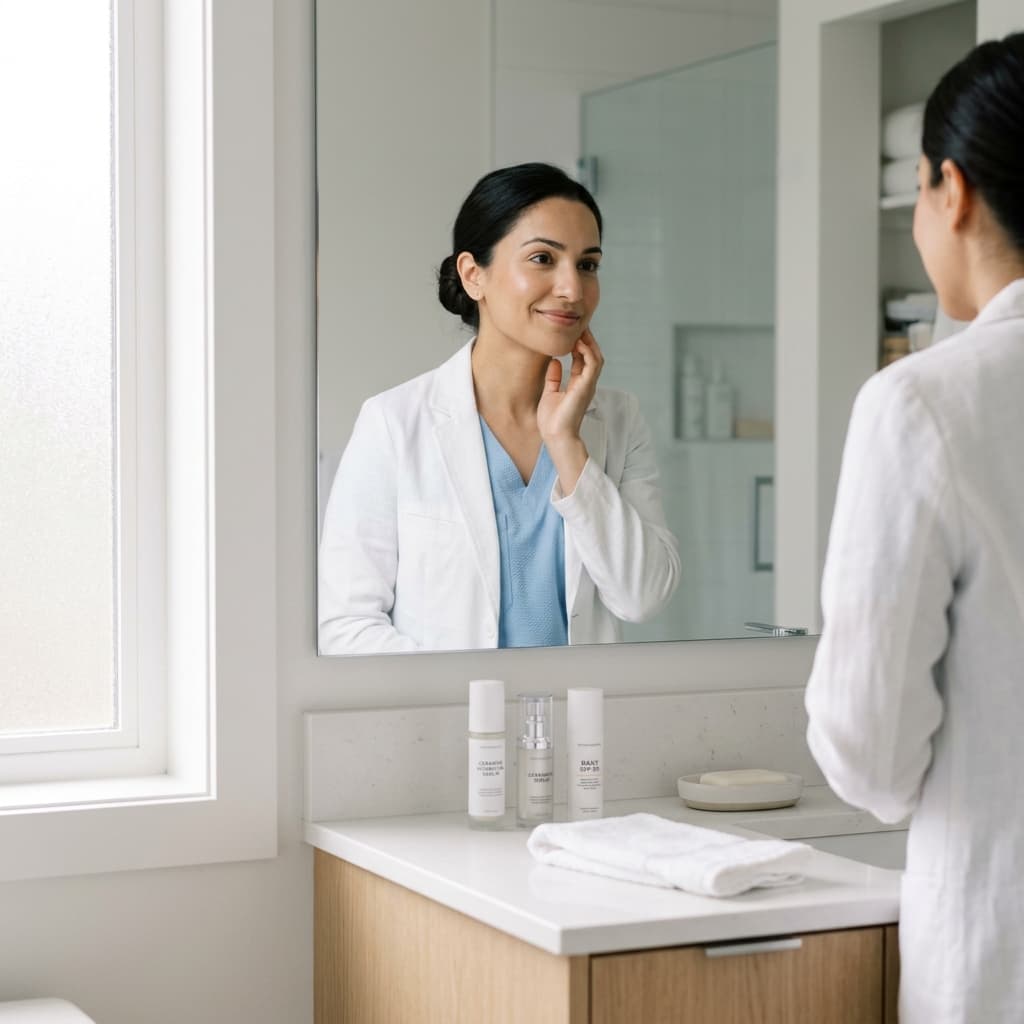
The relationship between hormonal contraception and skin health is complex. While certain oral contraceptives are FDA-approved to treat acne by suppressing androgen production, others can trigger flare-ups depending on their specific progestin component. When you introduce synthetic hormones into your system, your sebaceous glands—the oil-producing structures in your pores—often respond to the shift in your endocrine balance.
If you have recently switched methods or started a new prescription, you may notice an increase in inflammatory lesions along the jawline or cheeks. This is rarely a sign that you are doing something "wrong" with your routine; rather, it is a physiological response to the change in hormone levels circulating in your bloodstream. Prioritizing non-comedogenic care during this transition is essential to support your skin’s barrier while your internal chemistry stabilizes.
The Link Between Androgens and Oil Production
At the root of the question, "can birth control cause acne," lies the balance of androgens. Androgens are hormones that stimulate oil production. If a birth control pill contains a progestin with a high androgenic index, it can mimic the effects of testosterone in the skin, leading to increased sebum. When excess oil meets dead skin cells inside the follicle, it creates an environment where acne-causing bacteria thrive.
Identifying High-Androgen Formulations
Not all birth control methods affect the skin equally. Low-androgen or anti-androgenic progestins are generally preferred for those prone to breakouts. If you suspect your current method is worsening your skin, consult your prescribing physician about switching to a formulation that balances or reduces androgenic activity. This simple adjustment often provides more relief than any topical treatment could achieve on its own.
When to Expect Results
Patience is a clinical requirement when dealing with hormonal acne. Because the skin cycle takes approximately 28 to 40 days to turnover, you should not expect immediate relief after changing your contraception. It usually takes three full menstrual cycles to observe whether a new hormonal approach is positively influencing your complexion. During this window, focus on gentle, consistent cleansing and hydration to keep the skin barrier resilient.
Don't Let Your Products Ruin Your Progress
Even if you successfully navigate the hormonal triggers of birth control, your topical routine could still be working against you. Many products labeled as "gentle" or "natural" contain hidden pore-cloggers like isopropyl myristate, algae extract, or certain cocoa butters that can aggravate follicles already sensitized by hormonal flux. Ensuring that every moisturizer, sunscreen, and serum you apply is strictly non-comedogenic is the most effective way to eliminate external variables while your hormones calibrate. Before introducing a new product to your vanity, verify its ingredient list to ensure it won't undo the clarity you are working to achieve.
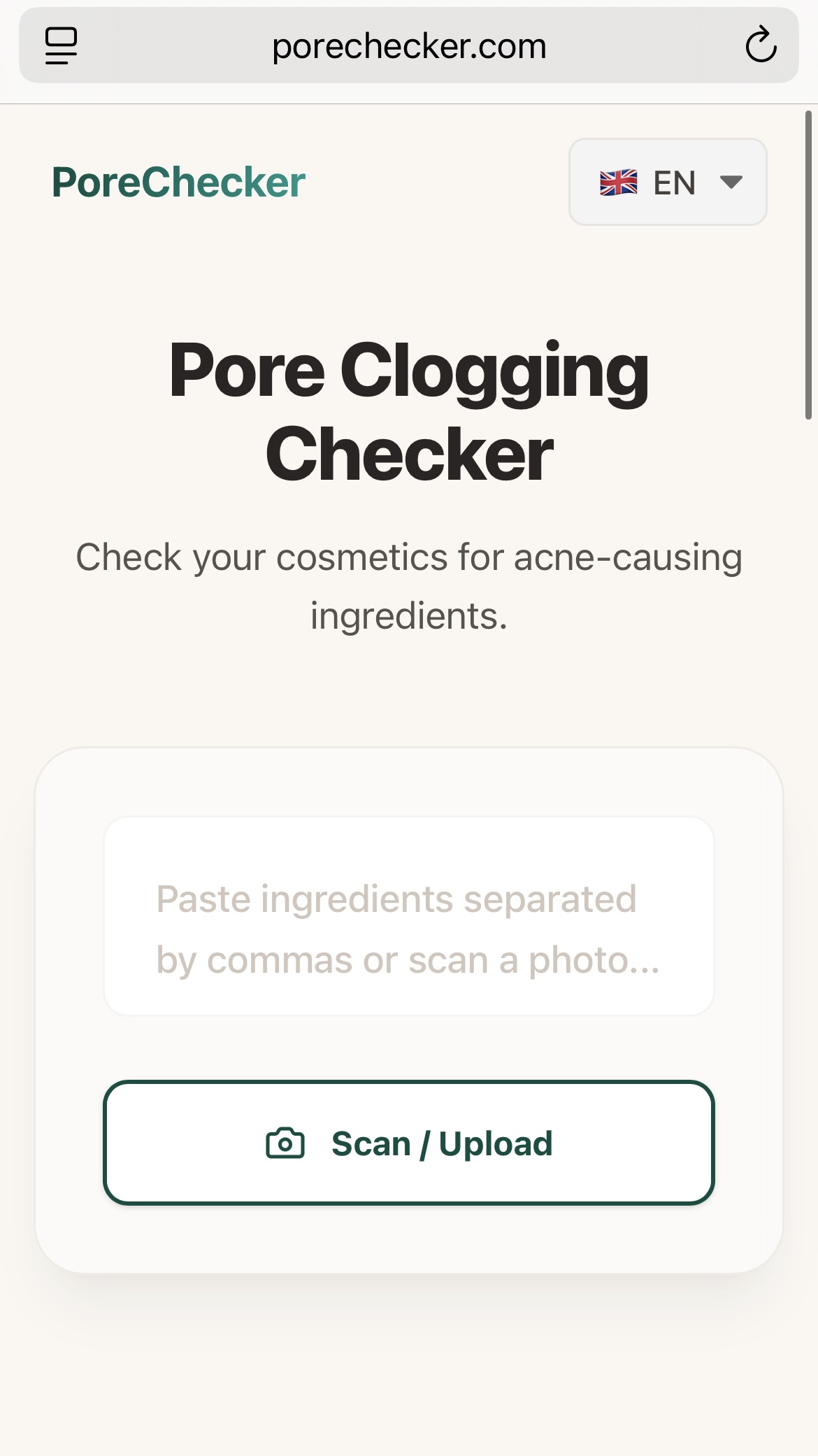
Step 1: Upload Your Product Image
Simply snap a photo of the ingredient list on the back of any bottle, jar, or box. No typing required.
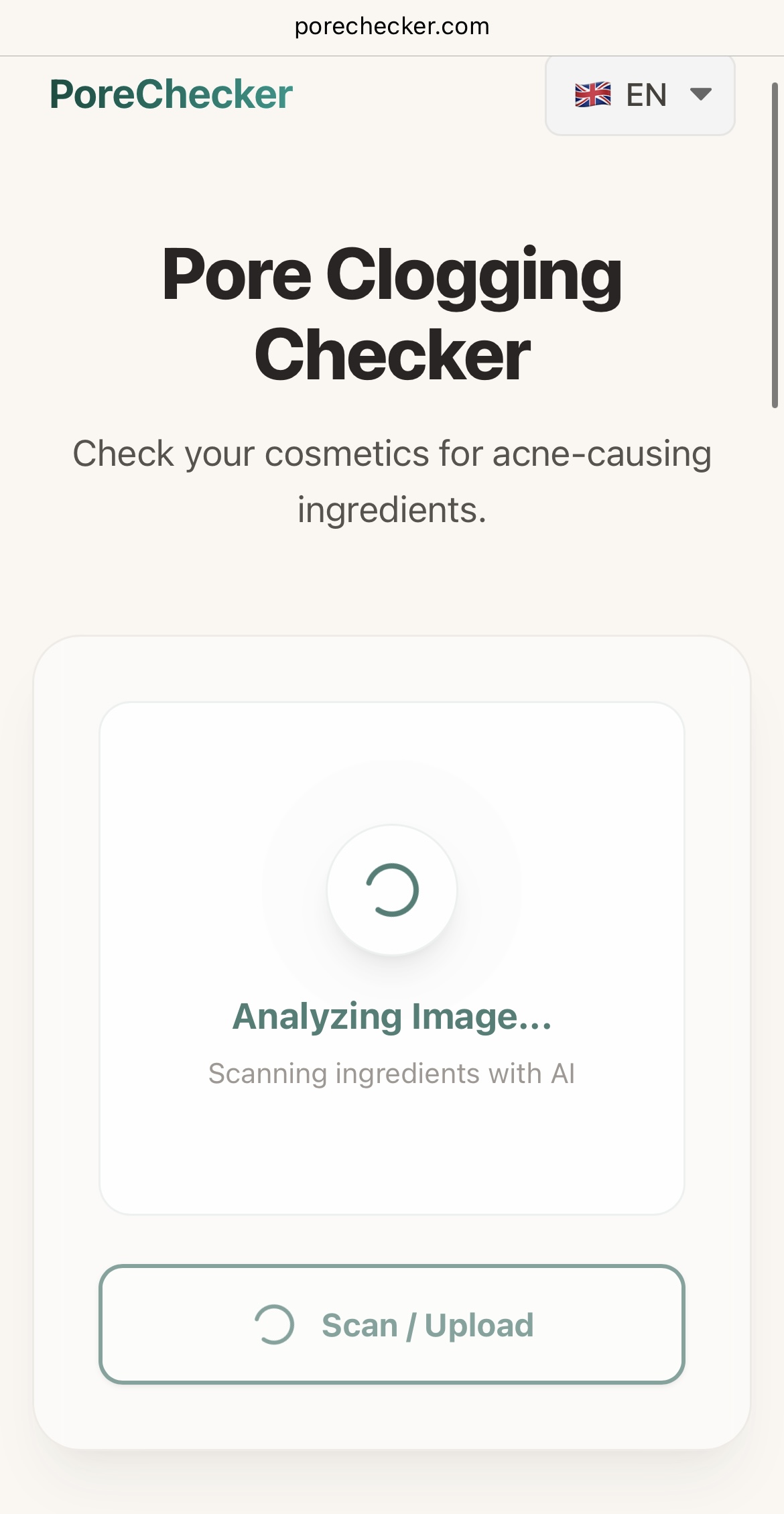
Step 2: Instant AI Ingredient Analysis
Our advanced AI scans the image, performs OCR (Optical Character Recognition), and matches every ingredient against our curated database of comedogenic substances.
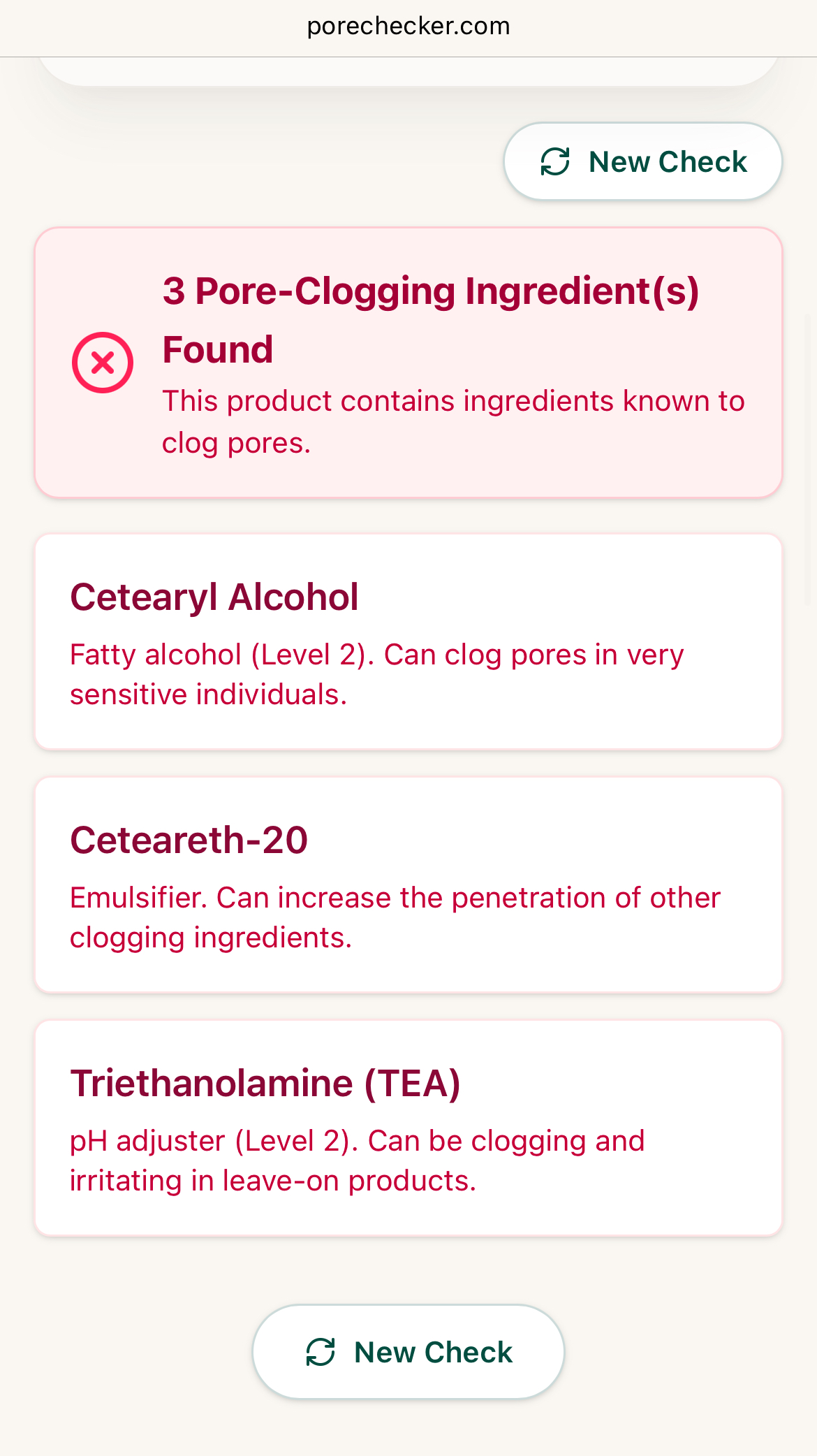
Step 3: Clear Results for Clearer Skin
You get an immediate breakdown. If any red-flag ingredients are found, we highlight them and explain why they might be problematic for your pores.
Does this product fit my skin's needs?
Check Your Products Now