Can Hyaluronic Acid Cause Acne? Unmasking the Truth About This Skincare Staple
Does hyaluronic acid cause acne? Explore the link between HA and breakouts. Learn about non-comedogenic skincare and how to choose the right products.
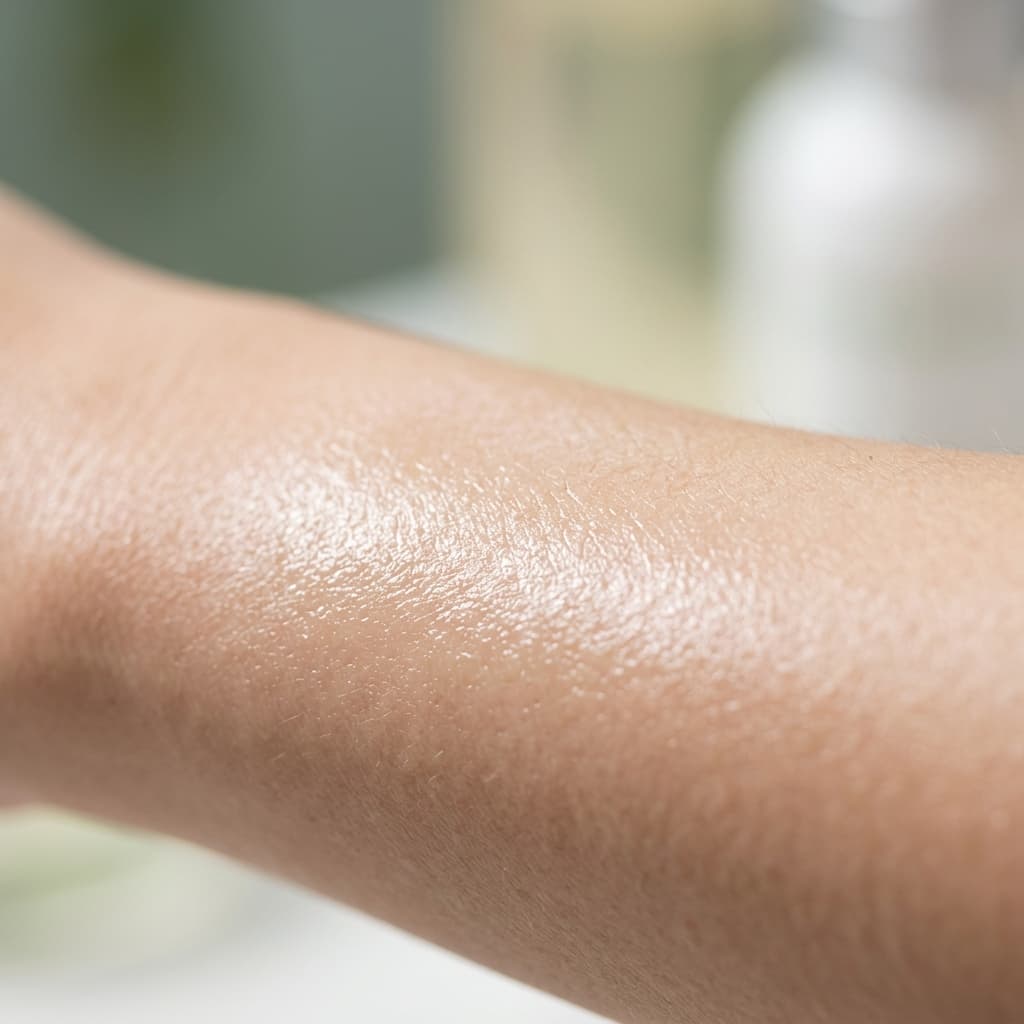
Hyaluronic acid (HA) has become a skincare darling, celebrated for its ability to hydrate and plump the skin. But for those prone to acne, the question inevitably arises: can hyaluronic acid cause acne? The answer, as with many things in skincare, is nuanced. While HA itself is generally considered non-comedogenic (meaning it doesn't clog pores), its potential to contribute to breakouts is often linked to other factors. Understanding these factors is key to navigating the world of skincare and achieving the clear, healthy complexion you desire.
This article will delve into the science behind HA, explore potential triggers, and provide actionable advice to help you make informed decisions about your skincare routine. We'll also examine the importance of identifying and avoiding hidden pore-clogging ingredients, as these often work in tandem with other products to exacerbate acne. Your journey to clear skin should always prioritize non-comedogenic care, where the ingredients you choose work synergistically to improve your skin, not cause more problems.
Hyaluronic Acid: The Hydration Hero (Mostly)
Hyaluronic acid is a naturally occurring substance in our bodies, primarily found in the skin, eyes, and joints. Its primary function is to retain water, acting as a powerful humectant that can hold up to 1,000 times its weight in water. This makes it an excellent ingredient for hydrating the skin, reducing the appearance of fine lines and wrinkles, and promoting a plump, youthful complexion.
The beauty of HA lies in its ability to draw moisture from the environment and deliver it to the skin. However, the efficacy of HA depends heavily on the surrounding environment and the formulation. In humid climates, it can effectively draw moisture from the air. In drier environments, it might do the opposite, pulling moisture from deeper layers of the skin, potentially leading to dryness and irritation, which can, in turn, contribute to breakouts.
Formulation Matters: Decoding the Ingredient List
The formulation of a product containing hyaluronic acid is critical. While HA itself is unlikely to be the direct cause of acne, the other ingredients in the product can be problematic. This is where careful ingredient scrutiny becomes paramount. Look beyond the marketing buzzwords and delve into the complete ingredient list.
Common culprits include comedogenic oils (such as coconut oil and mineral oil), silicones, and certain emulsifiers and preservatives. These ingredients can clog pores, leading to the formation of comedones (blackheads and whiteheads) and, eventually, acne. Even products labeled "non-comedogenic" should be examined closely, as labeling standards can be misleading.
Environmental Factors and Skin Type Considerations
Your environment plays a significant role in how your skin reacts to HA. As mentioned, dry climates can hinder its hydrating abilities, potentially leading to skin barrier disruption and inflammation. This can trigger acne flare-ups. In humid environments, HA typically performs optimally.
Skin type also influences the response. People with naturally oily skin may find that HA-based products, especially those with thicker formulations or accompanying oils, contribute to congestion. Those with dry or sensitive skin might tolerate HA better, as it can help replenish lost moisture. Always consider your skin's unique characteristics and adjust your routine accordingly.
Don't Let Your Products Ruin Your Progress
So, can hyaluronic acid cause acne? While unlikely on its own, the answer hinges on the product's formulation and how it interacts with your skin and environment. Identifying the hidden pore-clogging ingredients lurking in your favorite serums and creams is essential for preventing breakouts. By carefully assessing ingredient lists and understanding how each component interacts with your skin, you can protect yourself from potential irritants and ensure your skincare routine is truly working for you. With so many products on the market, it’s understandable to feel overwhelmed. But by being informed, you can make smarter choices, leading you towards a clear, healthy complexion. Consider using an ingredient checker tool to quickly analyze your current products for potential acne triggers and empower yourself to make informed decisions about your skincare.
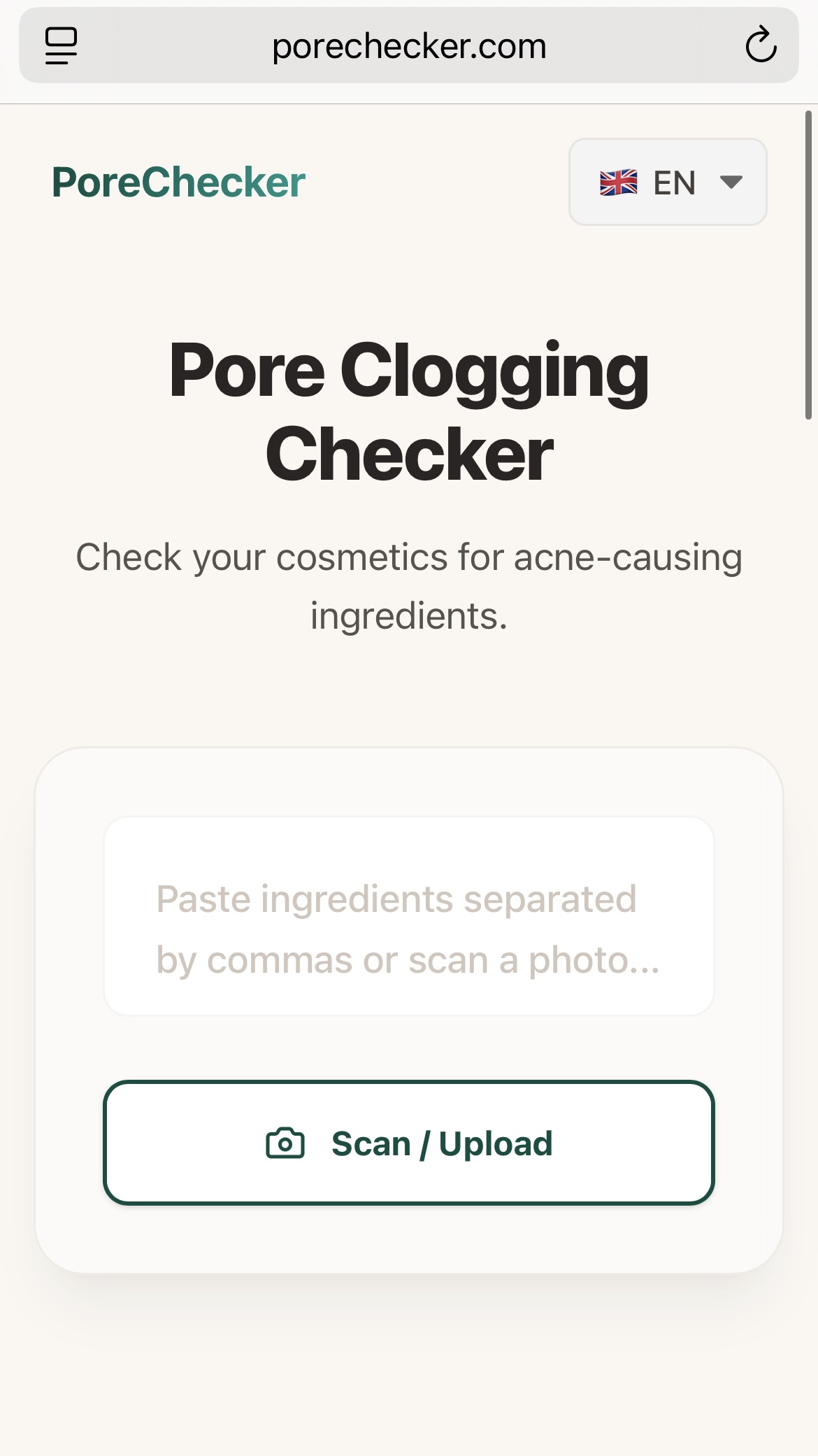
Step 1: Upload Your Product Image
Simply snap a photo of the ingredient list on the back of any bottle, jar, or box. No typing required.
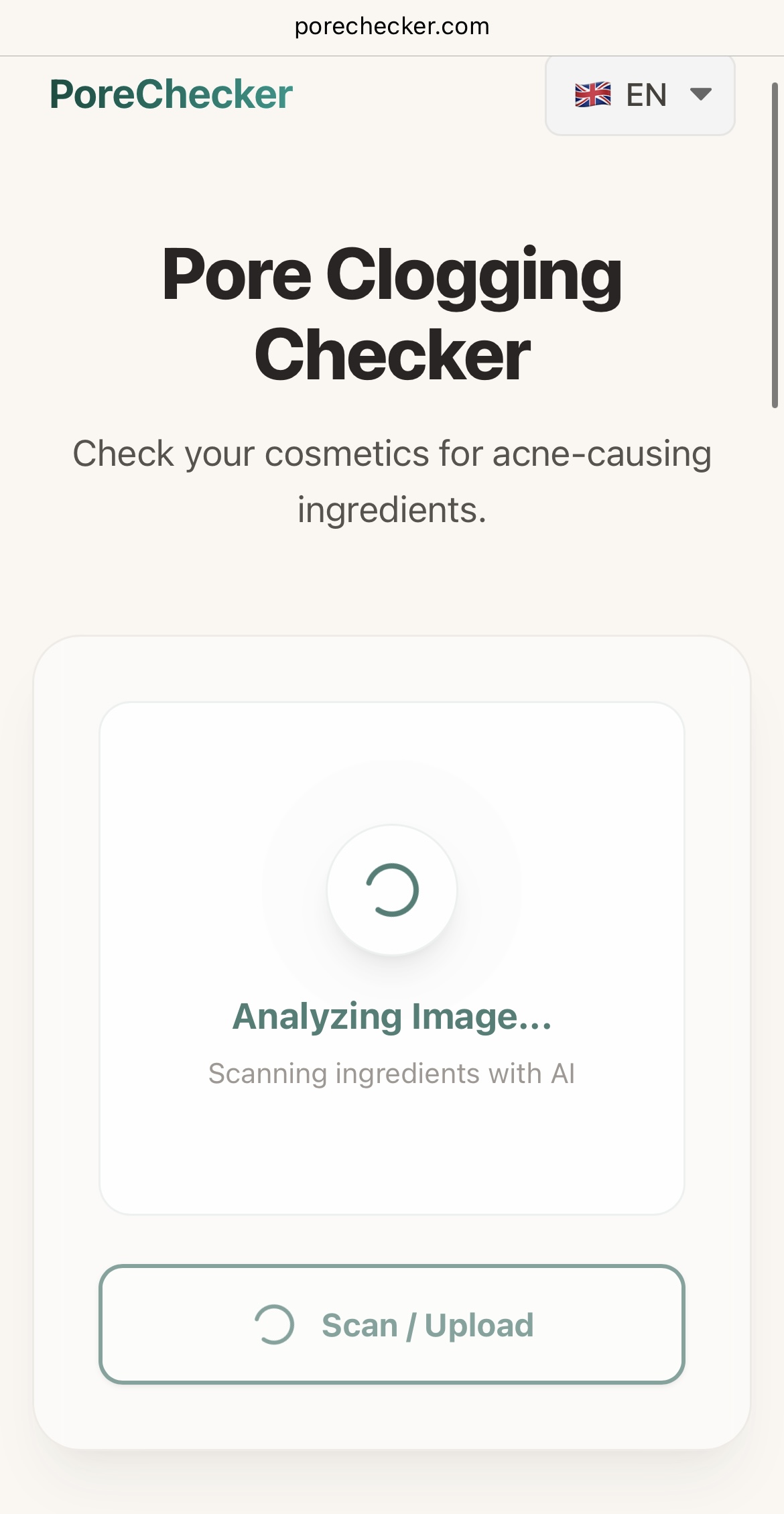
Step 2: Instant AI Ingredient Analysis
Our advanced AI scans the image, performs OCR (Optical Character Recognition), and matches every ingredient against our curated database of comedogenic substances.
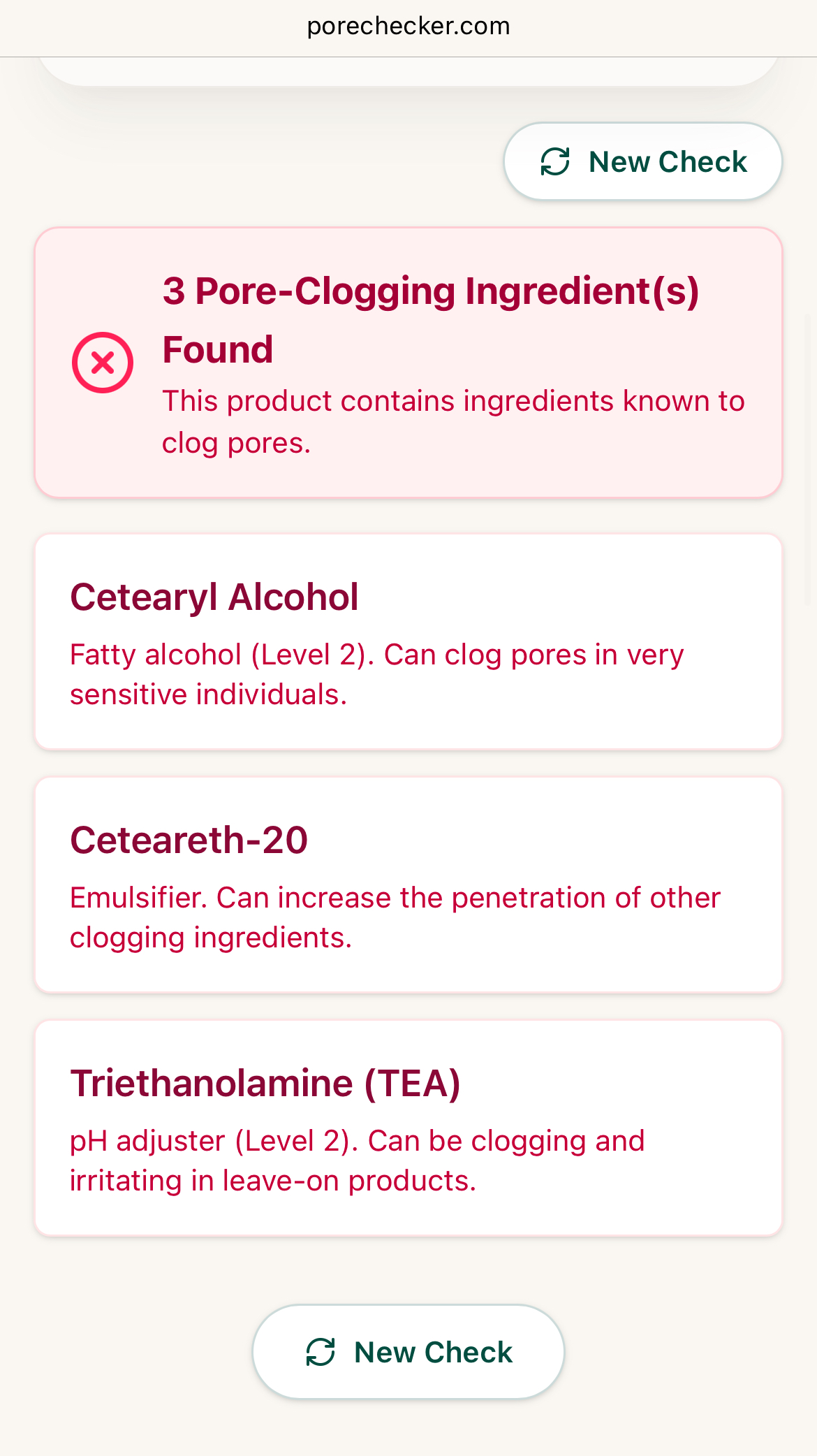
Step 3: Clear Results for Clearer Skin
You get an immediate breakdown. If any red-flag ingredients are found, we highlight them and explain why they might be problematic for your pores.
Does this product fit my skin's needs?
Check Your Products Now