Can Niacinamide Cause Acne? Unmasking the Truth About Your Skin
Wondering if niacinamide can cause acne? Learn how this popular ingredient affects your skin. Get expert insights & tips for healthy, clear skin.
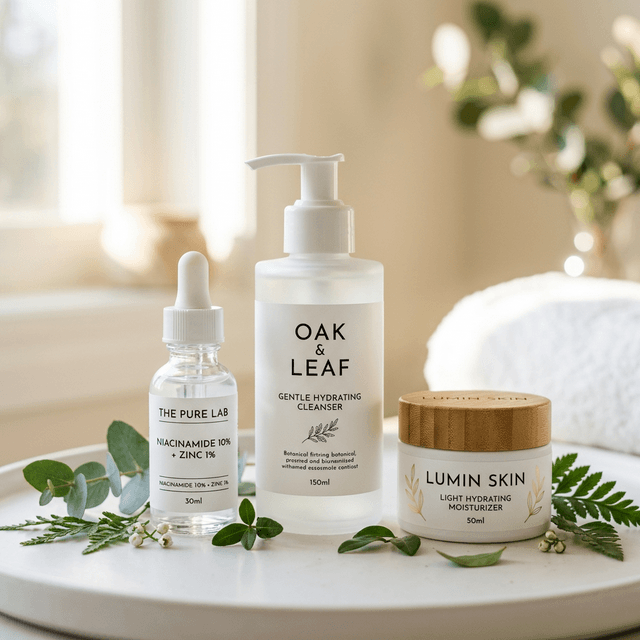
Niacinamide, a form of vitamin B3, is a skincare superstar lauded for its ability to address a myriad of skin concerns, from reducing inflammation and redness to minimizing pores and improving skin tone. Its popularity has skyrocketed, with many incorporating it into their routines. However, amidst the praise, a nagging question persists: Can niacinamide cause acne? As a dermatologist and skincare scientist, I'm here to provide an evidence-based answer and guide you through navigating the complexities of this often-misunderstood ingredient.
The key to healthy, radiant skin lies in understanding that not all products are created equal, and not every ingredient agrees with everyone. Non-comedogenic skincare is the cornerstone of preventing breakouts. This means choosing products formulated to avoid clogging pores. Let's delve into the nuances of niacinamide and its potential impact on your skin, so you can make informed decisions about your skincare routine.
We'll explore when niacinamide is helpful, when it might be harmful, and how to identify if it's contributing to your acne woes.
The Science Behind Niacinamide and Acne
Niacinamide boasts an impressive resume, often praised for its anti-inflammatory properties and its ability to regulate sebum production. This makes it a potential ally in the fight against acne. However, it’s not always a straightforward relationship. Some individuals experience breakouts after starting niacinamide, leading to the question: why?
Potential Irritation and Sensitivity
One of the primary reasons niacinamide can sometimes trigger acne is due to potential irritation or sensitivity. While generally well-tolerated, some individuals may react to the ingredient, especially at higher concentrations. This irritation can manifest as redness, itching, or even small, inflamed bumps that resemble acne. It's crucial to start with a low concentration of niacinamide (around 2-5%) and gradually increase it, if tolerated, to mitigate this risk.
Formulation Matters
The formulation of a product containing niacinamide plays a significant role in its potential to cause breakouts. Products containing other potentially pore-clogging ingredients, even if the niacinamide itself is well-tolerated, can lead to acne. For example, thick creams or oil-based serums that contain niacinamide might be problematic for acne-prone skin. Always check the full ingredient list.
How to Tell if Niacinamide Is Causing Your Acne
Identifying the culprit behind your breakouts requires a careful examination of your skincare routine and your skin's response. Here's how to determine if niacinamide is the culprit:
Timing and Pattern of Breakouts
Pay close attention to the timing of your breakouts. Did they coincide with the introduction of a new niacinamide product? If you notice new pimples, especially small, red bumps, appearing shortly after starting a niacinamide product, it could be a sign of irritation or a reaction to the product. Keep a skincare journal to track new products and their impact on your skin.
Ingredients to Watch Out For
Even if niacinamide itself isn’t the issue, the other ingredients in your skincare product could be the problem. Common pore-clogging ingredients often found in skincare include: coconut oil, cocoa butter, isopropyl myristate, and certain silicones. Always review the full ingredient list.
Patch Testing
Patch testing is a simple, effective method to determine your skin's tolerance for a new product. Apply a small amount of the product to a discreet area of your skin, such as behind your ear or on your inner forearm, and observe for any adverse reactions, such as redness, itching, or breakouts, over a period of several days. If no reaction occurs, you are likely safe to proceed. If you do experience a reaction, discontinue use.
Don't Let Your Products Ruin Your Progress
Understanding whether niacinamide is the cause of your acne is only the first step. The reality is, even if niacinamide itself isn't the problem, hidden pore-cloggers lurking in other product ingredients can derail your progress towards clear, healthy skin. Many seemingly harmless ingredients can contribute to breakouts in sensitive skin types. To ensure your skincare routine is truly non-comedogenic and supports your skin goals, it's essential to diligently check the ingredient lists of all your products. Consider using a tool designed to analyze the pore-clogging potential of your products.
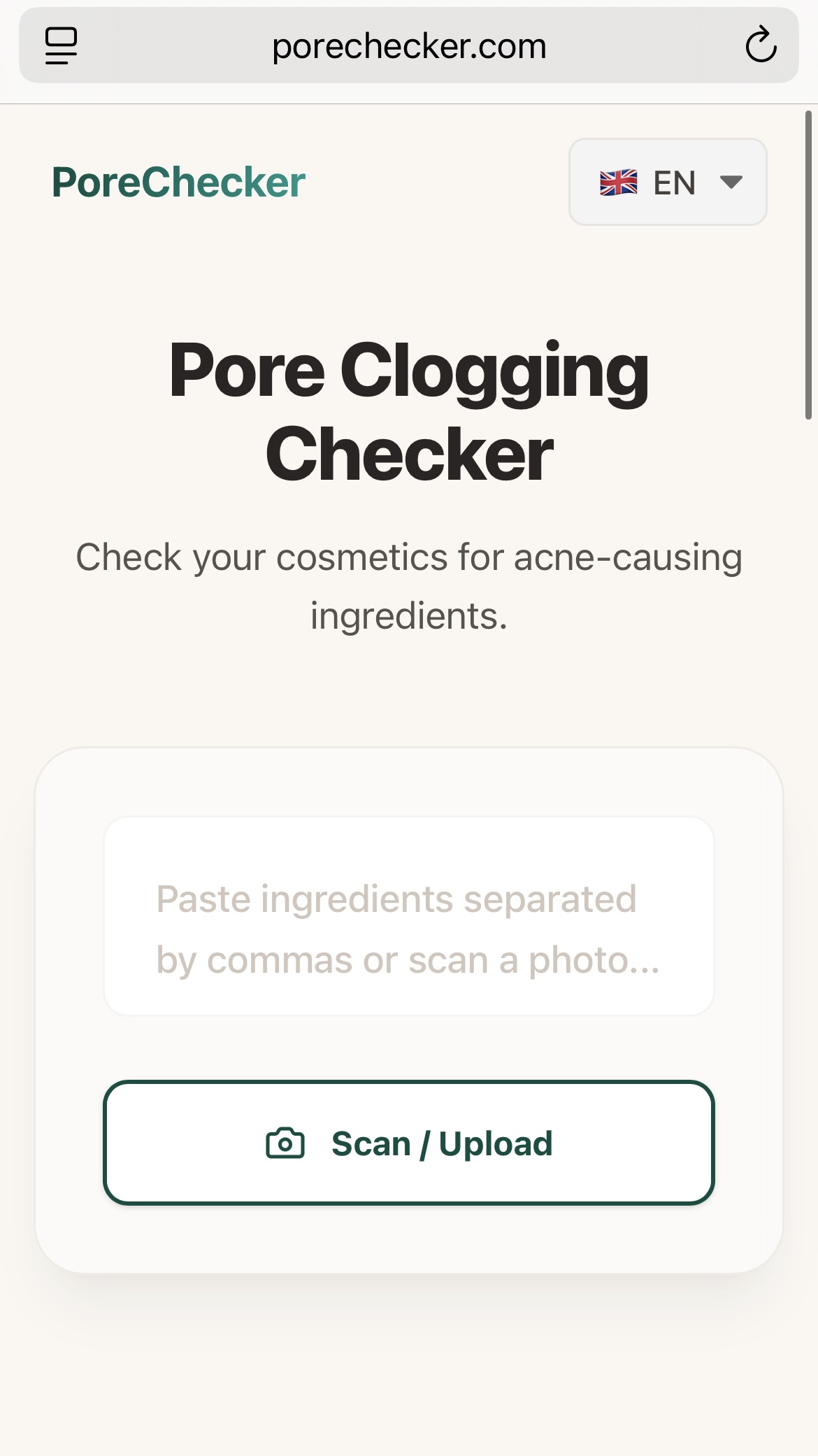
Step 1: Upload Your Product Image
Simply snap a photo of the ingredient list on the back of any bottle, jar, or box. No typing required.
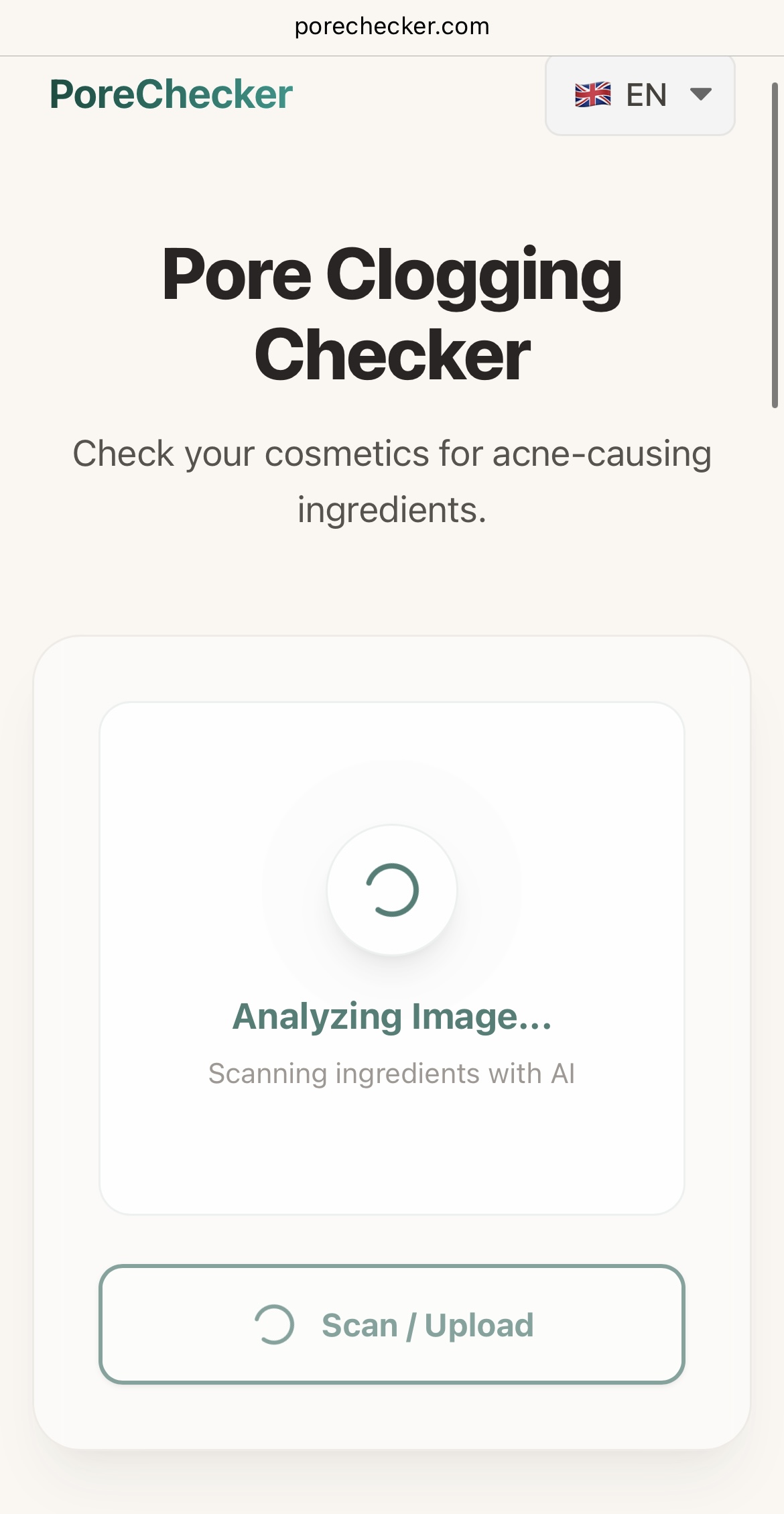
Step 2: Instant AI Ingredient Analysis
Our advanced AI scans the image, performs OCR (Optical Character Recognition), and matches every ingredient against our curated database of comedogenic substances.
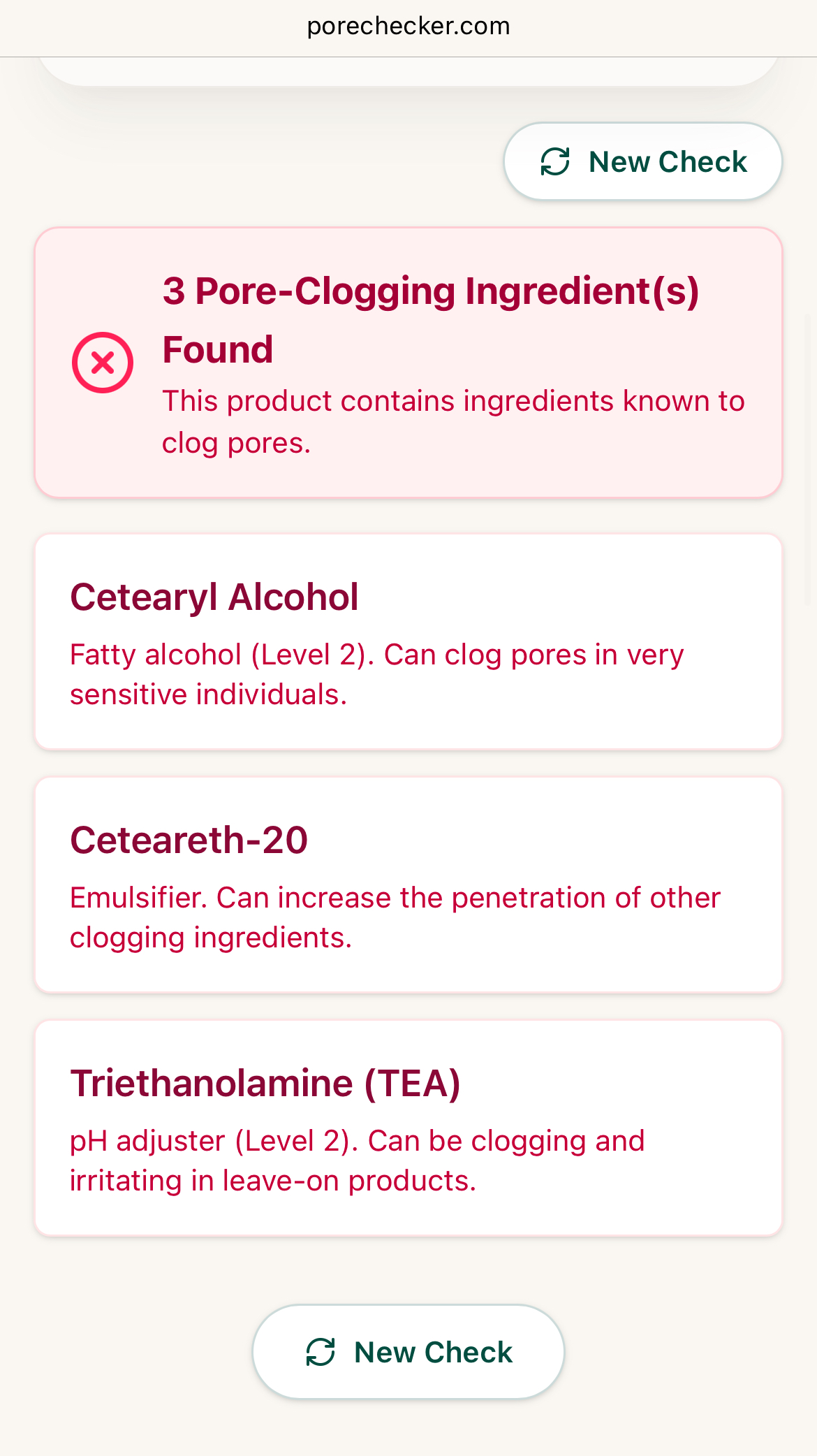
Step 3: Clear Results for Clearer Skin
You get an immediate breakdown. If any red-flag ingredients are found, we highlight them and explain why they might be problematic for your pores.
Does this product fit my skin's needs?
Check Your Products Now