Can Nicotine Cause Acne? Understanding the Impact of Vaping and Smoking on Your Complexion
Does nicotine trigger breakouts? Discover how smoking and vaping impact your skin health and why non-comedogenic care matters.
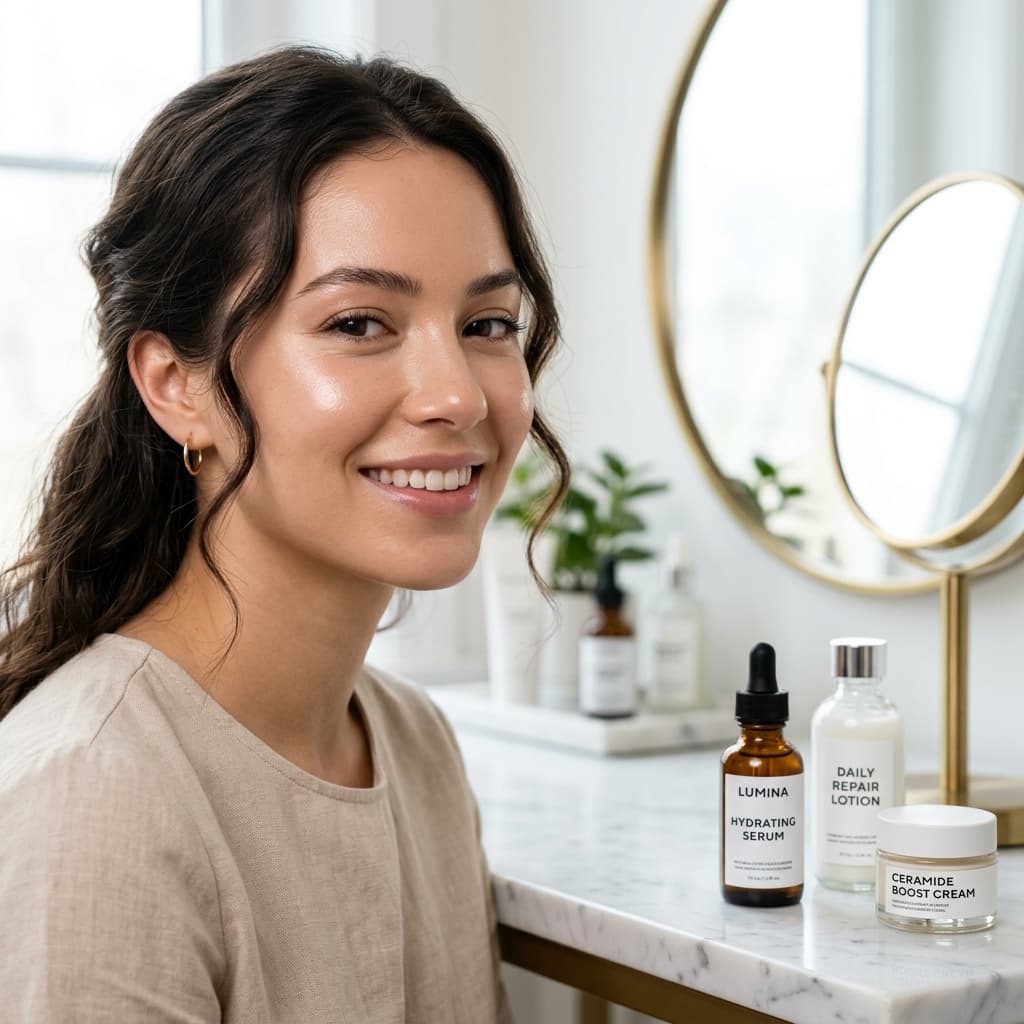
Many patients arrive at my clinic frustrated by persistent breakouts that refuse to yield to traditional topical treatments. When we discuss lifestyle factors, the conversation often centers on diet or stress, but we frequently overlook the chemical impact of nicotine. Whether through combustible cigarettes or modern vaping devices, nicotine introduces systemic changes that significantly alter how your skin functions, repairs, and defends itself against acne-causing bacteria.
Skin health is a reflection of your internal environment. When nicotine enters your bloodstream, it triggers a cascade of physiological responses that go far beyond basic cellular aging. For those struggling with acne, understanding these mechanisms is the first step toward reclaiming a clear, resilient complexion. Establishing a non-comedogenic skincare routine is essential, but it remains an uphill battle if internal triggers are constantly undermining your skin barrier's integrity.
The Direct Link Between Nicotine and Inflammation
To answer the question, "can nicotine cause acne," we must look at how nicotine affects the sebaceous glands. Nicotine acts as a potent vasoconstrictor, meaning it narrows your blood vessels and restricts the flow of oxygen-rich blood to the surface of the skin. When your skin is starved of oxygen, its ability to heal micro-wounds and manage inflammatory responses is severely compromised.
Alteration of Sebum Composition
Research suggests that nicotine changes the chemical composition of your sebum. It increases the presence of squalene peroxide, a substance that encourages the formation of comedones—the medical term for clogged pores. When your oil becomes more viscous and prone to oxidation, it is far more likely to trap bacteria and lead to those stubborn, inflamed papules that characterize adult-onset acne.
Why Vaping Is Not a Harmless Alternative
There is a prevailing myth that vaping is "cleaner" for the skin than traditional smoking. While vaping eliminates the tar associated with combustible cigarettes, the delivery of high-concentration nicotine remains. Many e-liquids also contain humectants like propylene glycol, which can be irritating to sensitive, acne-prone skin types.
Furthermore, the repetitive hand-to-mouth motion and the release of aerosolized chemicals around the face can create a localized environment of irritation. This constant exposure can disrupt your microbiome, making it easier for C. acnes bacteria to colonize the skin surface. When you combine this with the systemic vasoconstriction caused by nicotine, you create a perfect storm for persistent breakouts.
Don't Let Your Products Ruin Your Progress
Addressing the impact of nicotine on your skin is a vital step, but it is only half the battle. Even if you make significant lifestyle changes to reduce internal inflammation, your progress can be stalled by the very products you apply to your face. Many skincare formulations contain hidden pore-cloggers—common ingredients that appear harmless but are highly comedogenic for acne-prone skin. It is essential to audit your entire vanity, from your heavy night creams to your daily sunscreens, to ensure they aren't working against your goals. Using a scientific checker tool to verify that every ingredient in your regimen is safe for your skin type will help you avoid the common trap of accidental breakouts caused by "comedogenic camouflage."
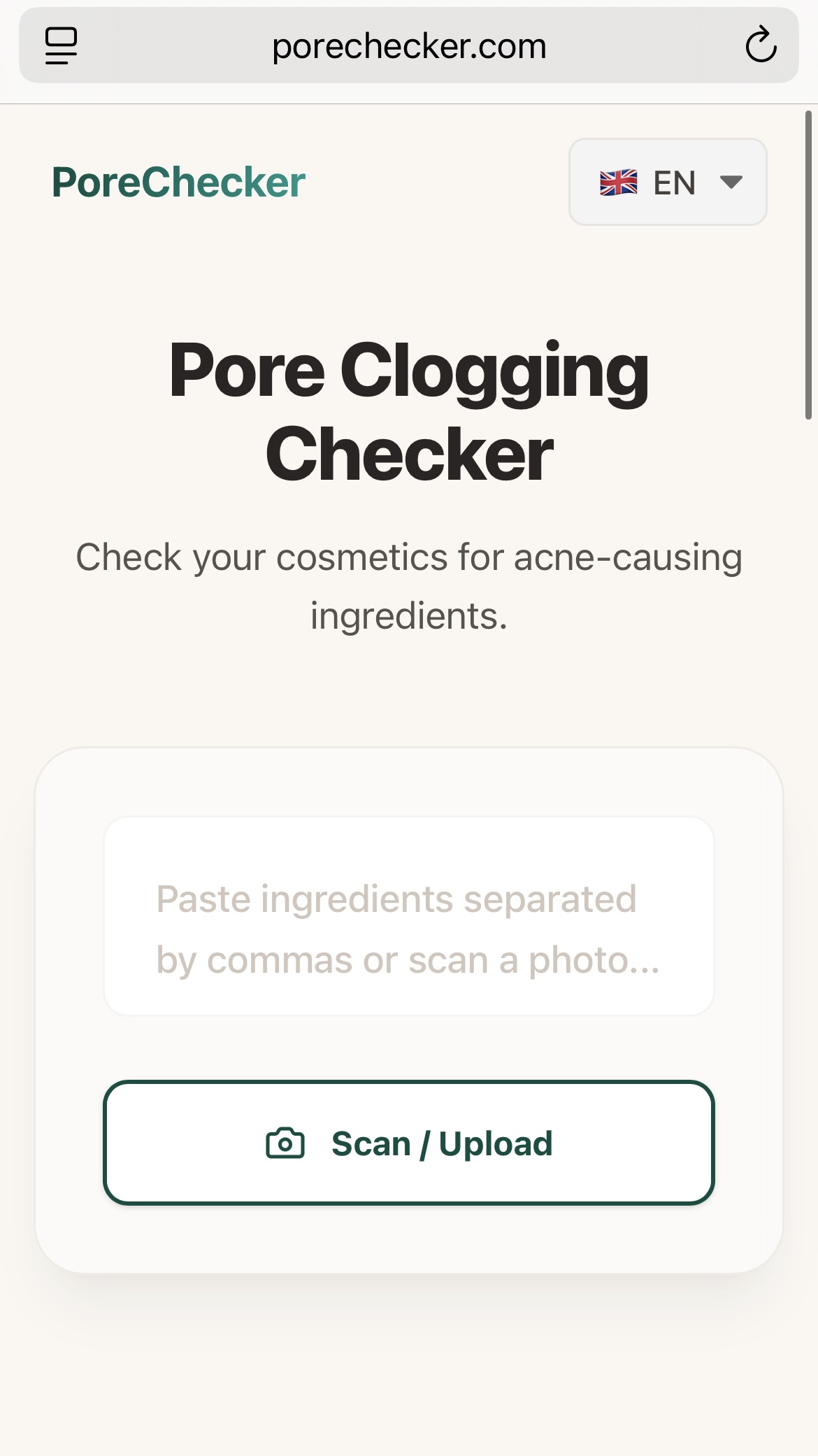
Step 1: Upload Your Product Image
Simply snap a photo of the ingredient list on the back of any bottle, jar, or box. No typing required.
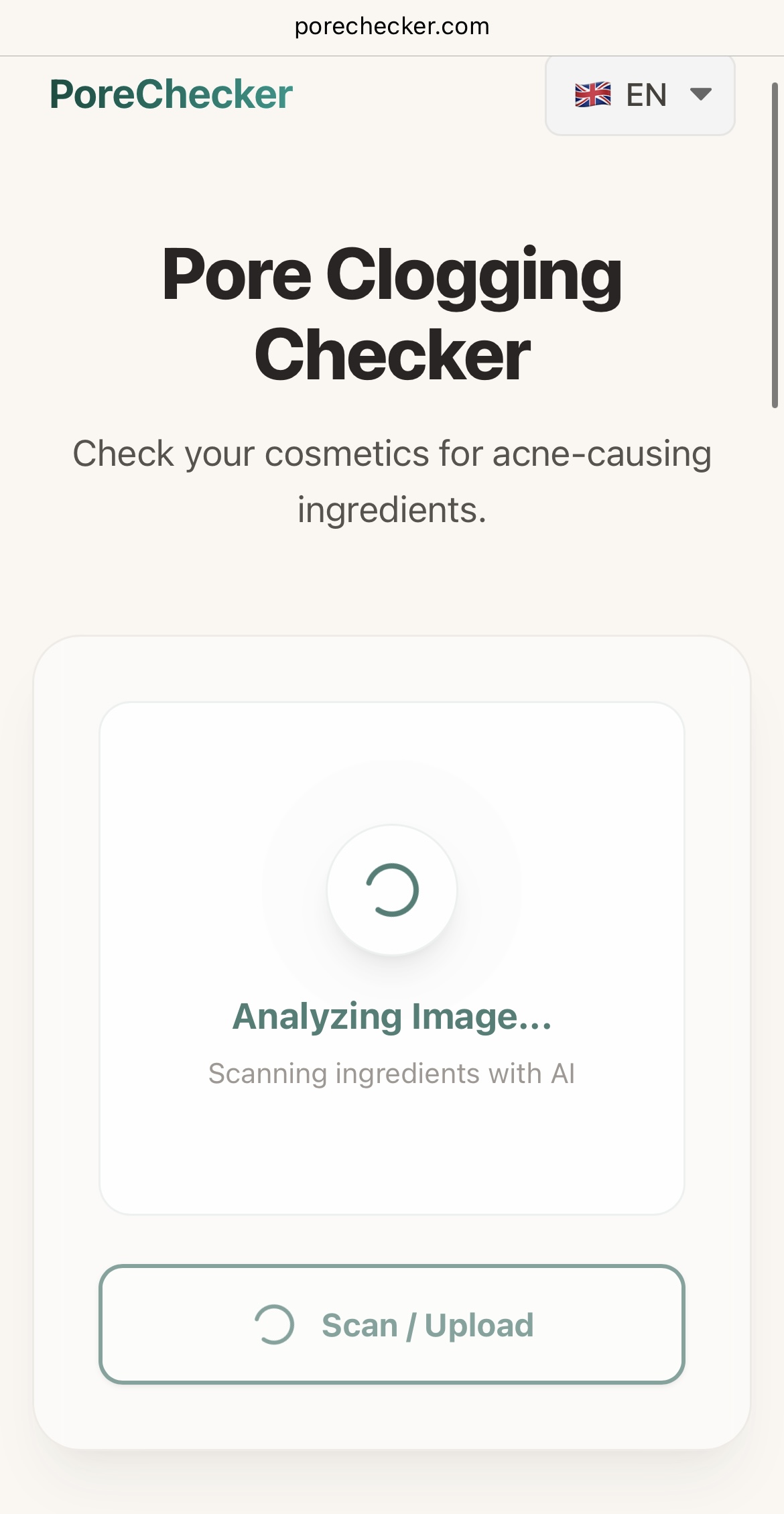
Step 2: Instant AI Ingredient Analysis
Our advanced AI scans the image, performs OCR (Optical Character Recognition), and matches every ingredient against our curated database of comedogenic substances.
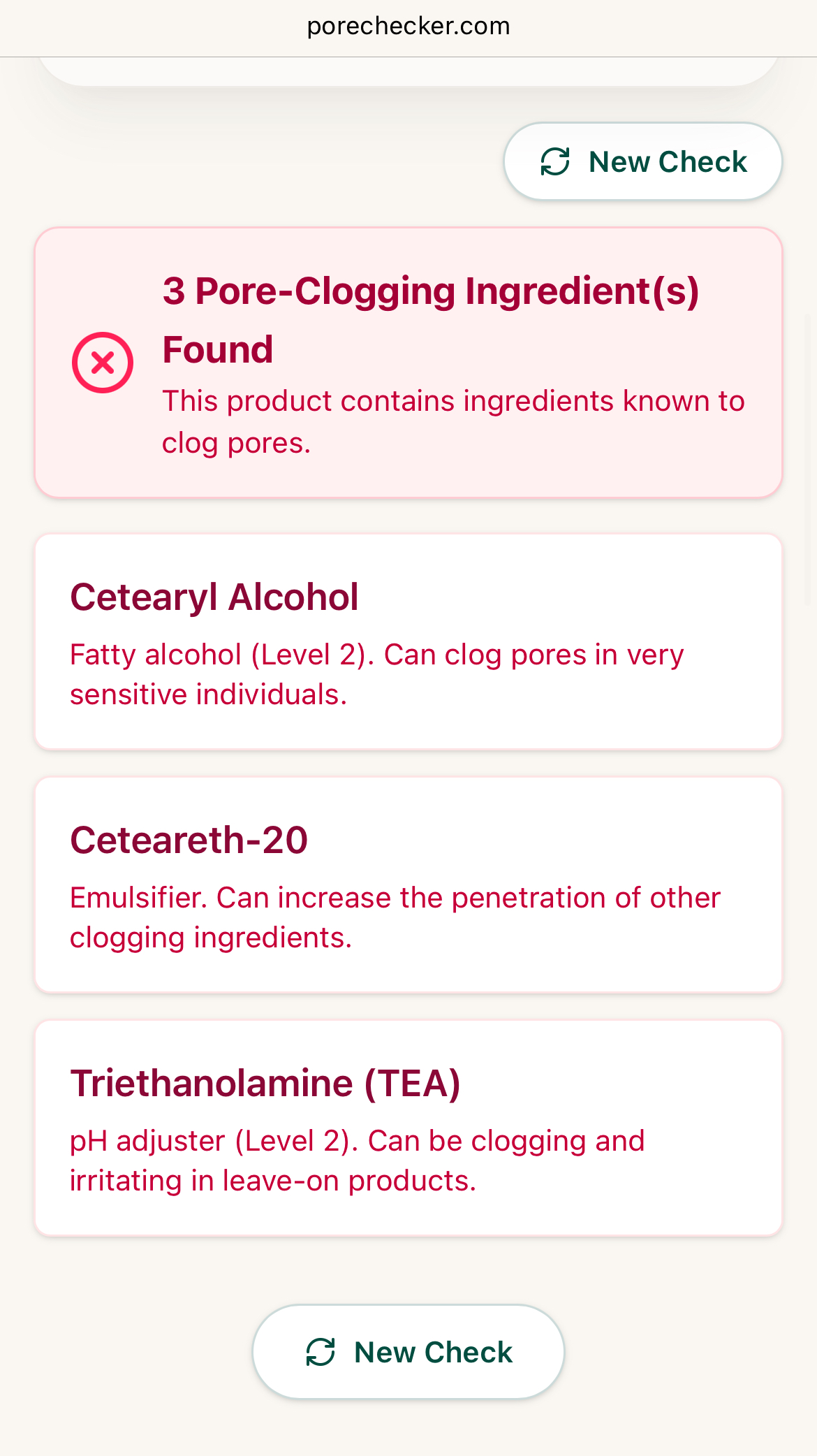
Step 3: Clear Results for Clearer Skin
You get an immediate breakdown. If any red-flag ingredients are found, we highlight them and explain why they might be problematic for your pores.
Does this product fit my skin's needs?
Check Your Products Now