Can Retinol Cause Acne? Understanding the Purge and Achieving Results
Retinol is a powerful tool for clear skin, but can it actually cause acne? Learn about the "retinol purge," why it happens, and how to stay the course for radiant skin.
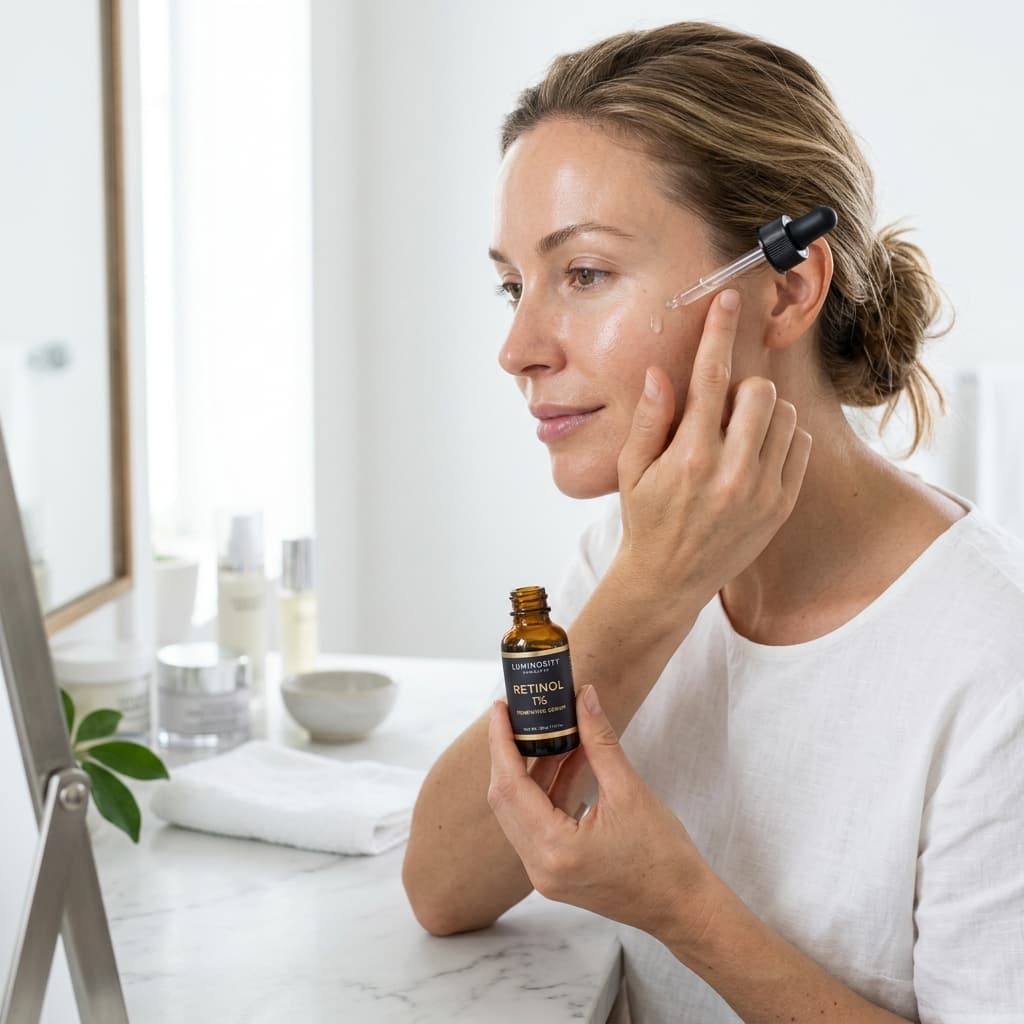
Retinol, a vitamin A derivative, is widely celebrated for its ability to transform the skin, addressing everything from fine lines to persistent breakouts. However, a common concern among new users is whether retinol can actually cause acne. The answer is both yes and no. While retinol itself doesn't cause new acne, it can trigger a temporary increase in breakouts known as "purging." Understanding this process is key to navigating the early stages of retinol use and achieving the long-term, radiant results you're after. As always, a foundation of non-comedogenic skincare is essential for supporting your skin through this transition.
What is the Retinol Purge?
The "retinol purge" is a temporary period of increased breakouts that can occur when you first start using retinol or increase your concentration. This happens because retinol accelerates skin cell turnover. As new cells are produced more rapidly, existing sub-surface clogs—which would have eventually become pimples—are pushed to the surface all at once. It's essentially a "deep clean" for your skin, bringing underlying issues to light before clearing them away.
Why Does it Happen?
Retinol works by increasing the rate at which your skin produces new cells and sheds old ones. This process helps to unclog pores and prevent new ones from forming. However, in the short term, this accelerated turnover can mobilize existing blockages, leading to an uptick in whiteheads, blackheads, and inflammatory pimples. It's a sign that the product is working, even if it feels counterintuitive at first.
How to Distinguish a Purge from a Breakout
It can be tricky to tell the difference between a purge and a reaction to a product. Here are some key identifiers of a purge:
- Location: Breakouts typically occur in areas where you are already prone to acne.
- Duration: A purge usually lasts for 4 to 6 weeks, which is the time it takes for a full skin cell cycle.
- Type of Breakout: You'll likely see the same types of blemishes you usually get, just potentially more of them at once.
If the breakouts are occurring in new areas, are particularly inflamed or painful, or persist beyond 8 weeks, it may be a reaction to the product or an underlying issue rather than a purge. In these cases, it's best to consult with a dermatologist.
Managing the Transition
To help your skin through the retinol purge, consider these strategies:
- Start Slow: Introduce retinol gradually, starting with once or twice a week and slowly increasing as your skin adjusts.
- Use a Gentle Routine: Use a mild, non-comedogenic cleanser and a rich, soothing moisturizer to support your skin's barrier.
- Don't Forget Sunscreen: Retinol increases sun sensitivity, so daily application of a broad-spectrum SPF 30 or higher is essential.
- Be Patient: Focus on the long-term benefits and remember that the purge is a temporary phase on the path to clearer skin.
Conclusion: Staying the Course
While the retinol purge can be discouraging, it's a normal and often necessary part of the process for many users. By understanding the mechanism behind it and supporting your skin with a gentle, non-comedogenic routine, you can navigate this phase and achieve the clear, radiant complexion that retinol is known for. Remember, the key is patience and consistency.
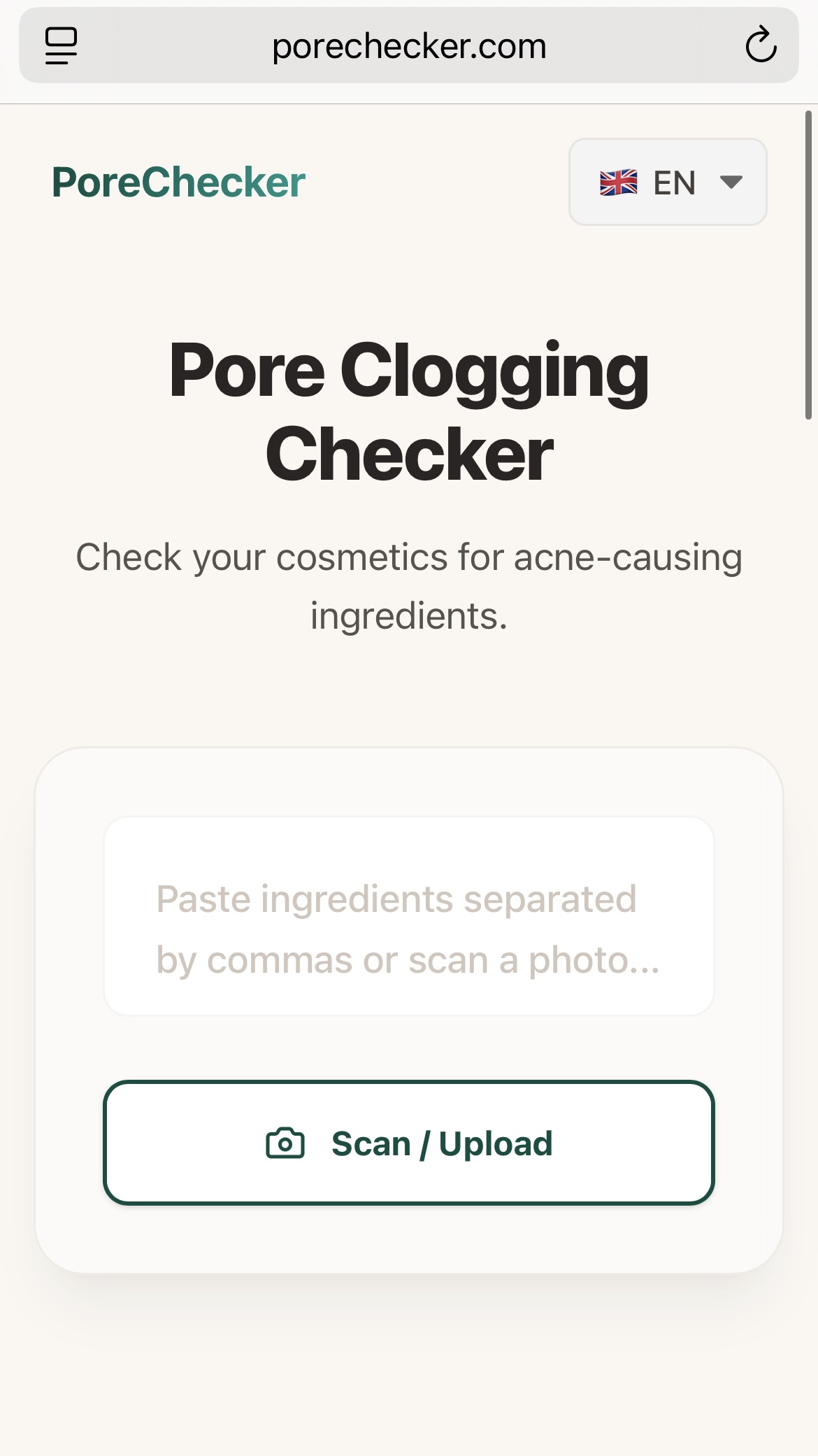
Step 1: Upload Your Product Image
Simply snap a photo of the ingredient list on the back of any bottle, jar, or box. No typing required.
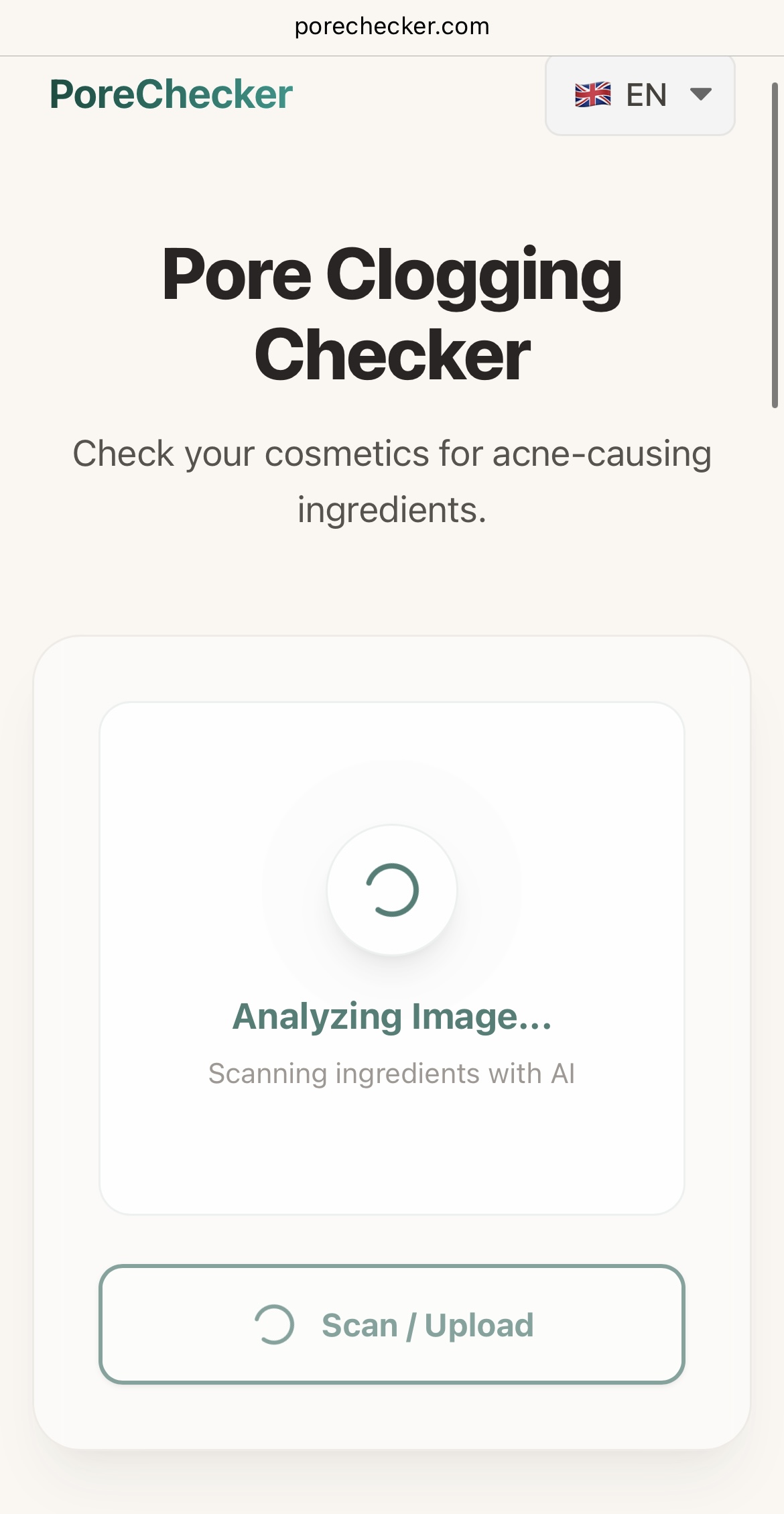
Step 2: Instant AI Ingredient Analysis
Our advanced AI scans the image, performs OCR (Optical Character Recognition), and matches every ingredient against our curated database of comedogenic substances.
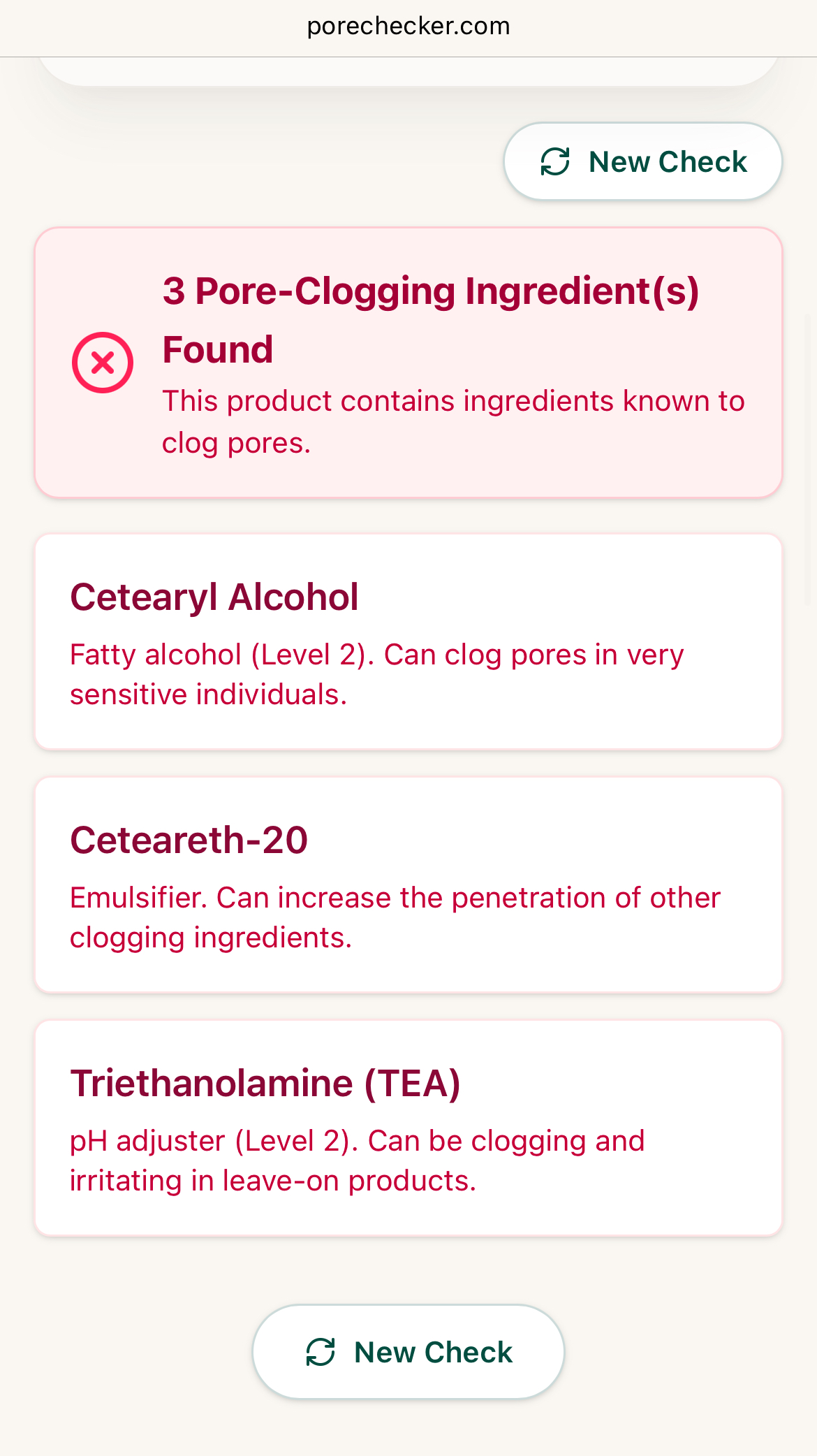
Step 3: Clear Results for Clearer Skin
You get an immediate breakdown. If any red-flag ingredients are found, we highlight them and explain why they might be problematic for your pores.
Does this product fit my skin's needs?
Check Your Products Now