Can Salicylic Acid Cause Acne? Unmasking the Truth About Breakouts
Is salicylic acid causing your acne? A dermatologist's guide explores if this ingredient can backfire. Learn about breakouts & non-comedogenic care.

Salicylic acid is a renowned beta-hydroxy acid (BHA) celebrated for its ability to exfoliate, unclog pores, and combat acne. It's a common ingredient in many over-the-counter and prescription skincare products. However, despite its popularity and efficacy, some individuals experience a worsening of their acne after starting salicylic acid. This can lead to the understandable question: can salicylic acid cause acne?
Understanding this paradox requires a deeper look into the skin's reaction to the ingredient and the potential for irritation. It's crucial to remember that everyone's skin is unique, and what works wonders for one person may not be the best solution for another. Finding the right skincare routine often involves trial, error, and a keen awareness of your skin's particular needs. For those of you battling acne, the most important rule is to make sure your skincare is non-comedogenic (won't clog pores) and designed to nourish your skin's natural barrier function.
This article will address the complexities of salicylic acid, its potential side effects, and how to navigate its use to achieve clearer, healthier skin. We will also touch on the importance of identifying pore-clogging ingredients, which can be the hidden culprit behind breakouts.
The "Purging" Phenomenon: Why Acne Might Worsen Initially
One of the primary reasons people experience increased breakouts when starting salicylic acid is due to "purging." This initial phase occurs as the acid gets to work, accelerating the skin's natural exfoliation process. The acid effectively dislodges trapped oil, dead skin cells, and other debris from deep within the pores. This purging effect can bring existing, unseen microcomedones (early-stage acne) to the surface, resulting in a temporary flare-up of pimples, blackheads, and whiteheads.
How Long Does Purging Last?
The purging period varies from person to person, but typically lasts from a few weeks to a couple of months. It’s essential to distinguish between purging and an actual adverse reaction or irritation. Purging is usually characterized by breakouts in areas where you typically get them, while irritation can cause breakouts in new areas or cause more widespread redness and inflammation.
Salicylic Acid and Skin Irritation: A Potential Culprit
While purging is a common and often temporary side effect, skin irritation is another possibility to consider when you think, "can salicylic acid cause acne?". Salicylic acid is a potent active ingredient. If the concentration is too high for your skin type, or if it is used too frequently, it can lead to dryness, redness, peeling, and, paradoxically, more breakouts. This is due to a compromised skin barrier, which can become inflamed and more prone to acne. Furthermore, when the skin barrier is damaged, it may cause breakouts to form in unusual places.
Identifying Irritation vs. Purging
Distinguishing between purging and irritation is critical. Purging usually presents as pimples, blackheads, and whiteheads in areas where you typically experience breakouts. Irritation can cause more widespread redness, itching, burning, and even breakouts in new areas. If you suspect irritation, reduce the frequency of use, dilute the product, or discontinue use and consult a dermatologist.
Product Formulation and Other Ingredients: The Unseen Factors
Not all salicylic acid products are created equal. The formulation of a product can significantly impact its efficacy and how your skin reacts. Some products may contain other ingredients that can potentially clog pores or irritate the skin. Ingredients such as certain oils, silicones, and thickeners are common offenders. Always check the ingredient list for potential comedogenic (pore-clogging) components, even if the product itself is marketed as "acne-fighting." Furthermore, the percentage of salicylic acid can affect how your skin reacts to the product. Higher concentrations may be more effective, but also carry a greater risk of irritation, particularly for sensitive skin types.
Hidden Pore-Cloggers to Watch Out For
Certain ingredients are notorious for clogging pores. These often include:
- Coconut oil and its derivatives
- Isopropyl myristate
- Certain mineral oils
- Some silicones (e.g., dimethicone)
- Various fatty alcohols
Don't Let Your Products Ruin Your Progress
We've explored the nuances of salicylic acid, from its potential to cause initial purging to the importance of recognizing skin irritation. Understanding how this ingredient works and how your skin responds is key to a successful skincare journey. But what about the other ingredients in your products? Even if salicylic acid works for you, the other components could be contributing to those frustrating breakouts. Before you toss that product away, have you examined the full ingredient list? There are online tools that can help you easily identify potentially pore-clogging ingredients lurking in your favourite products, allowing you to make informed decisions and build a truly effective routine.
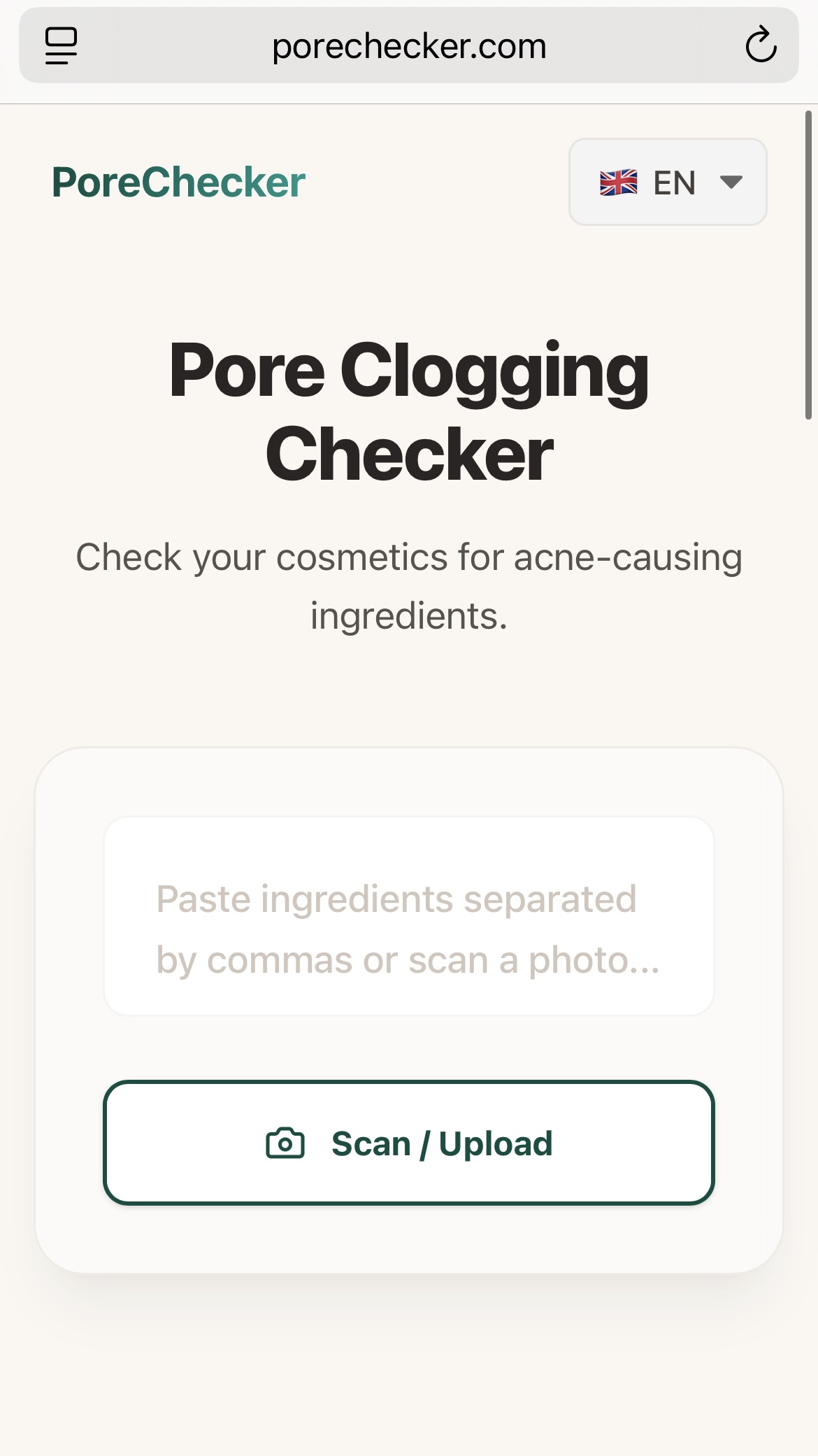
Step 1: Upload Your Product Image
Simply snap a photo of the ingredient list on the back of any bottle, jar, or box. No typing required.
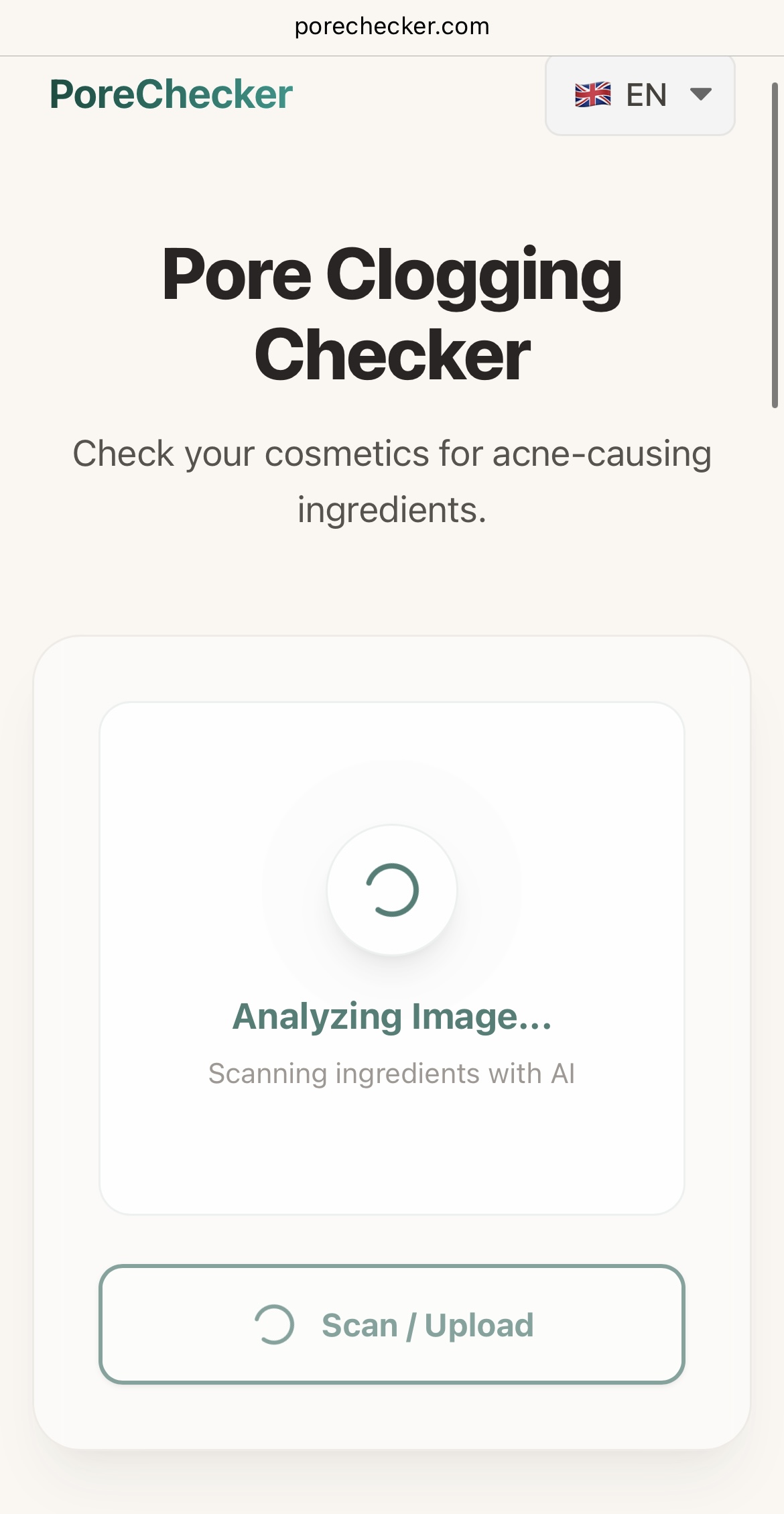
Step 2: Instant AI Ingredient Analysis
Our advanced AI scans the image, performs OCR (Optical Character Recognition), and matches every ingredient against our curated database of comedogenic substances.
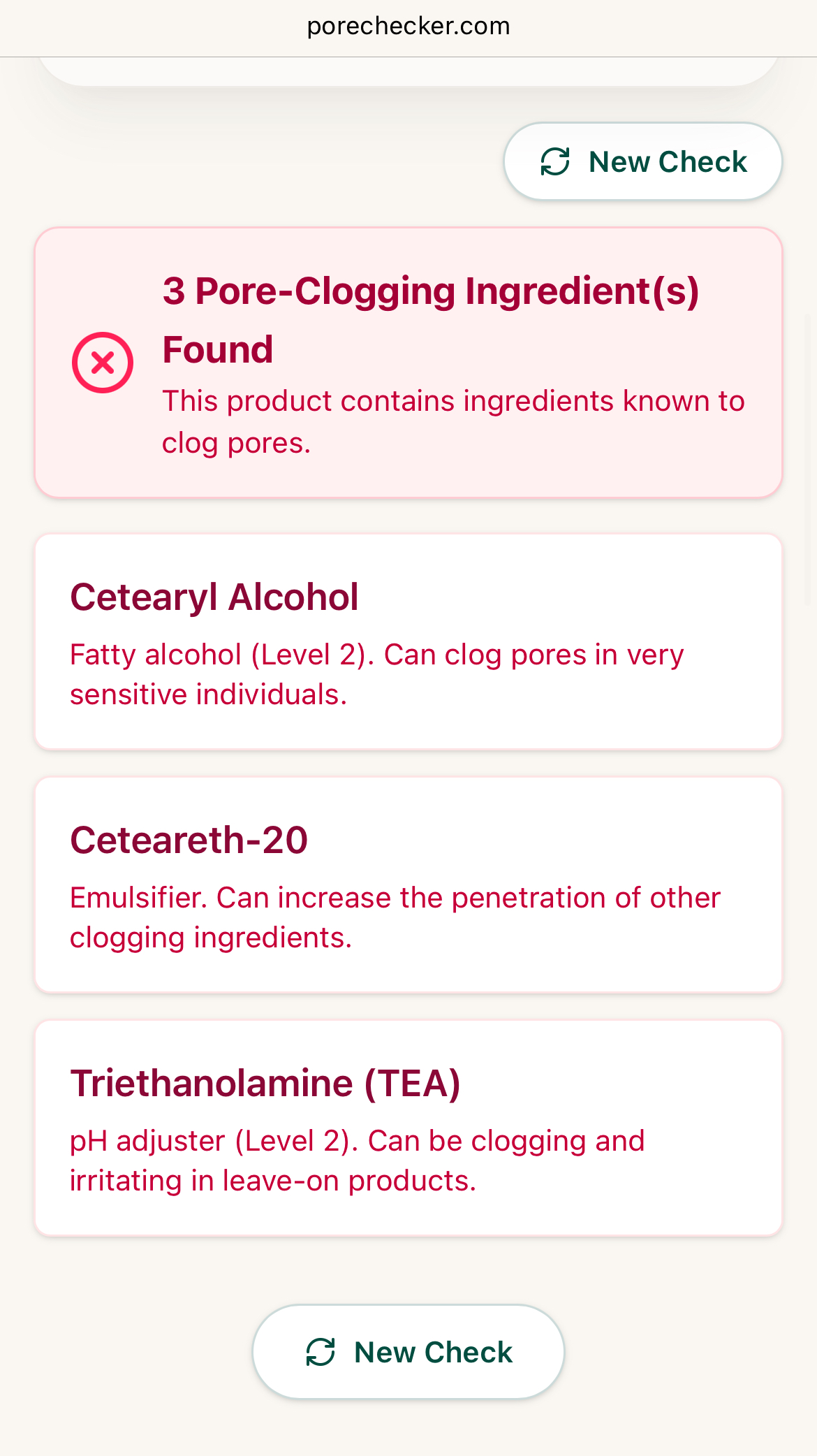
Step 3: Clear Results for Clearer Skin
You get an immediate breakdown. If any red-flag ingredients are found, we highlight them and explain why they might be problematic for your pores.
Does this product fit my skin's needs?
Check Your Products Now