Can Stress Cause Acne? Unraveling the Cortisol-Skin Connection
Ever noticed your skin flares up right before a big deadline? Discover the scientific link between stress and acne, and learn how to manage your skin during tense times.

We've all been there: a high-stakes week at work or school, and suddenly your skin is breaking out. This lead many to ask, "can stress cause acne?" While stress itself doesn't contain bacteria or clog a pore, it triggers a cascade of internal physiological changes that can significantly worsen existing acne or trigger new flare-ups. Understanding the "stress-skin" connection is essential for anyone looking to achieve long-term skin stability through holistic care.
The Cortisol Cascade
When you're under stress, your body releases a hormone called cortisol. While cortisol is vital for our "fight or flight" response, it has some undesirable side effects for our skin. Cortisol sends a direct signal to your sebaceous glands to produce more oil (sebum). As we know, excess oil is the primary ingredient for clogged pores. Furthermore, stress increases systemic inflammation, making your breakouts look redder, more swollen, and more painful.
Stress and the Skin Barrier
Beyond oil production, chronic stress can actually weaken your skin's natural protective barrier. A compromised barrier makes your skin more susceptible to external irritants and bacteria. This means that when you're stressed, your skin is less able to fight off the very bacteria that lead to acne. It's a double-edged sword: more oil and a weaker defense.
Managing Your Skin During Stressful Times
If you know you have a stressful period coming up, take these proactive steps to protect your complexion:
- Stick to Your Safe Routine: Now is not the time to experiment with new, potentially irritating products. Maintain your strictly non-comedogenic routine to avoid adding "fuel to the fire."
- Prioritize Sleep: Your skin repairs itself while you sleep. Aim for 7-9 hours of quality rest to help lower your cortisol levels naturally.
- Don't Pick: Stress often leads to "compulsive picking." Touching your face more frequently during tense times only introduces more bacteria and increases inflammation.
- Practice Stress-Reduction: Whether it's five minutes of deep breathing, a walk in nature, or yoga, find a small way to signal to your nervous system that it's safe.
Summary
So, can stress cause acne? The science says yes—by driving up oil production and inflammation through cortisol. While you can't always avoid stress, you can control how you care for your skin during those times. By maintaining a gentle, non-clogging foundation and prioritizing self-care, you can minimize the impact of stress on your radiant complexion.
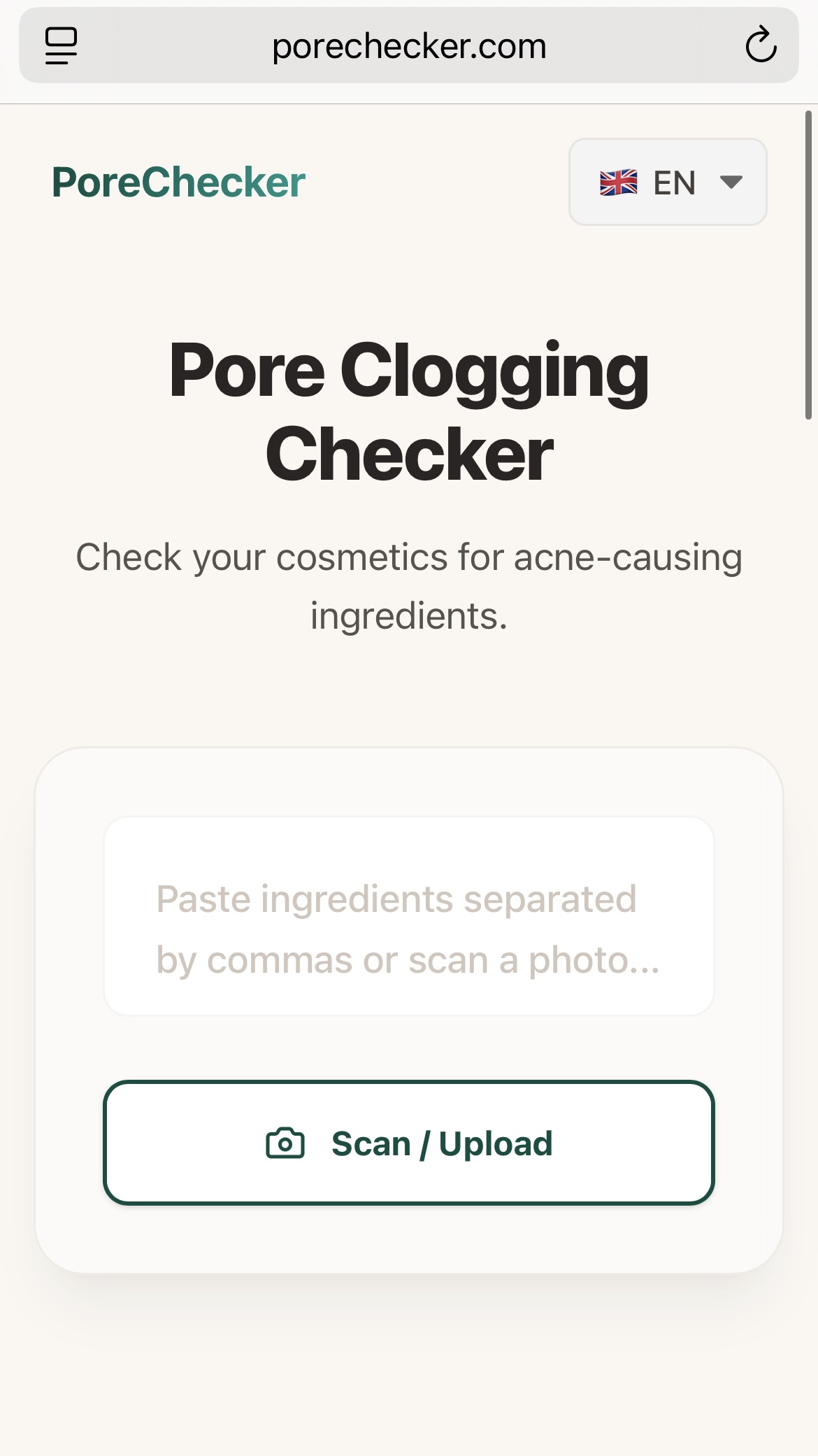
Step 1: Upload Your Product Image
Simply snap a photo of the ingredient list on the back of any bottle, jar, or box. No typing required.
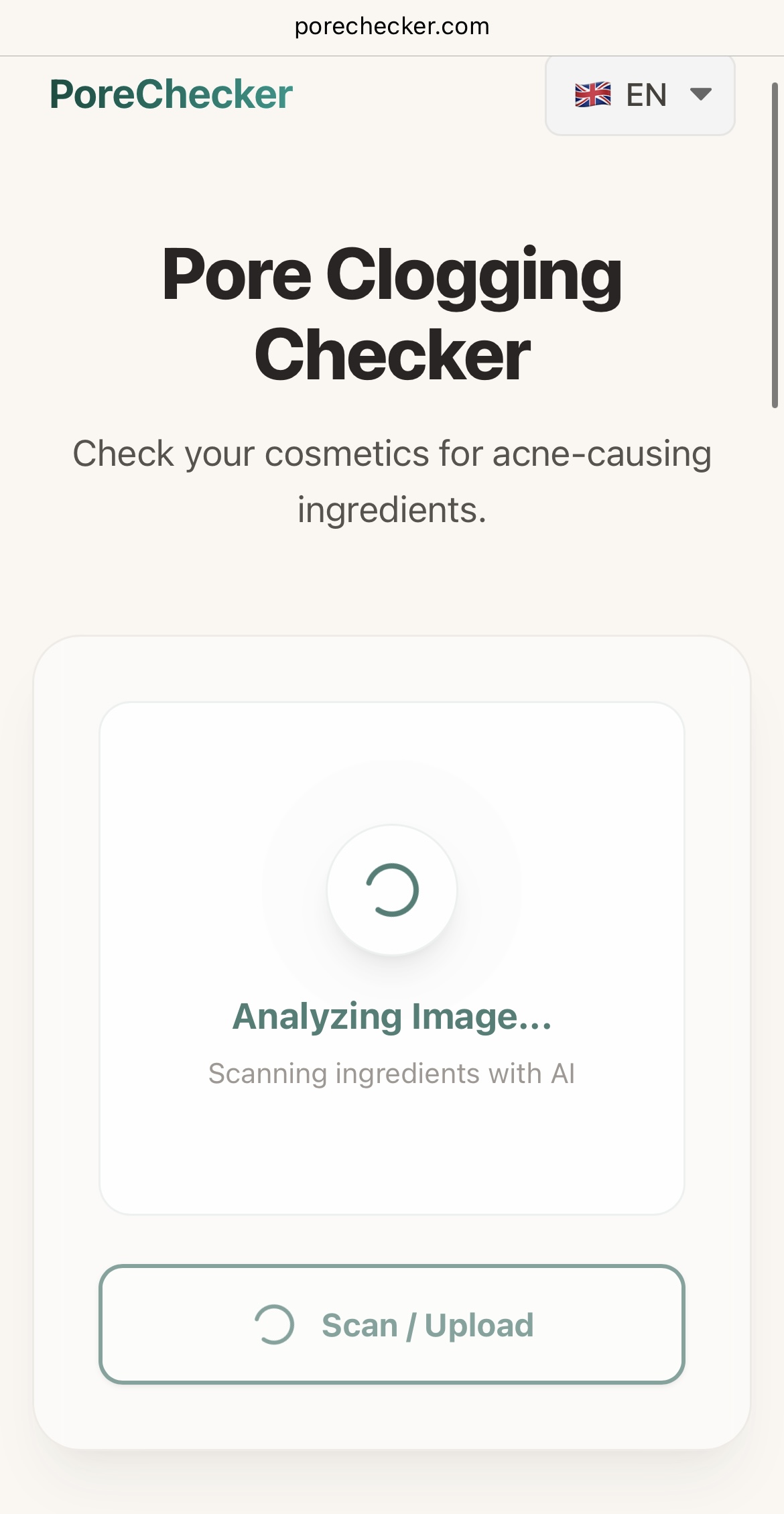
Step 2: Instant AI Ingredient Analysis
Our advanced AI scans the image, performs OCR (Optical Character Recognition), and matches every ingredient against our curated database of comedogenic substances.
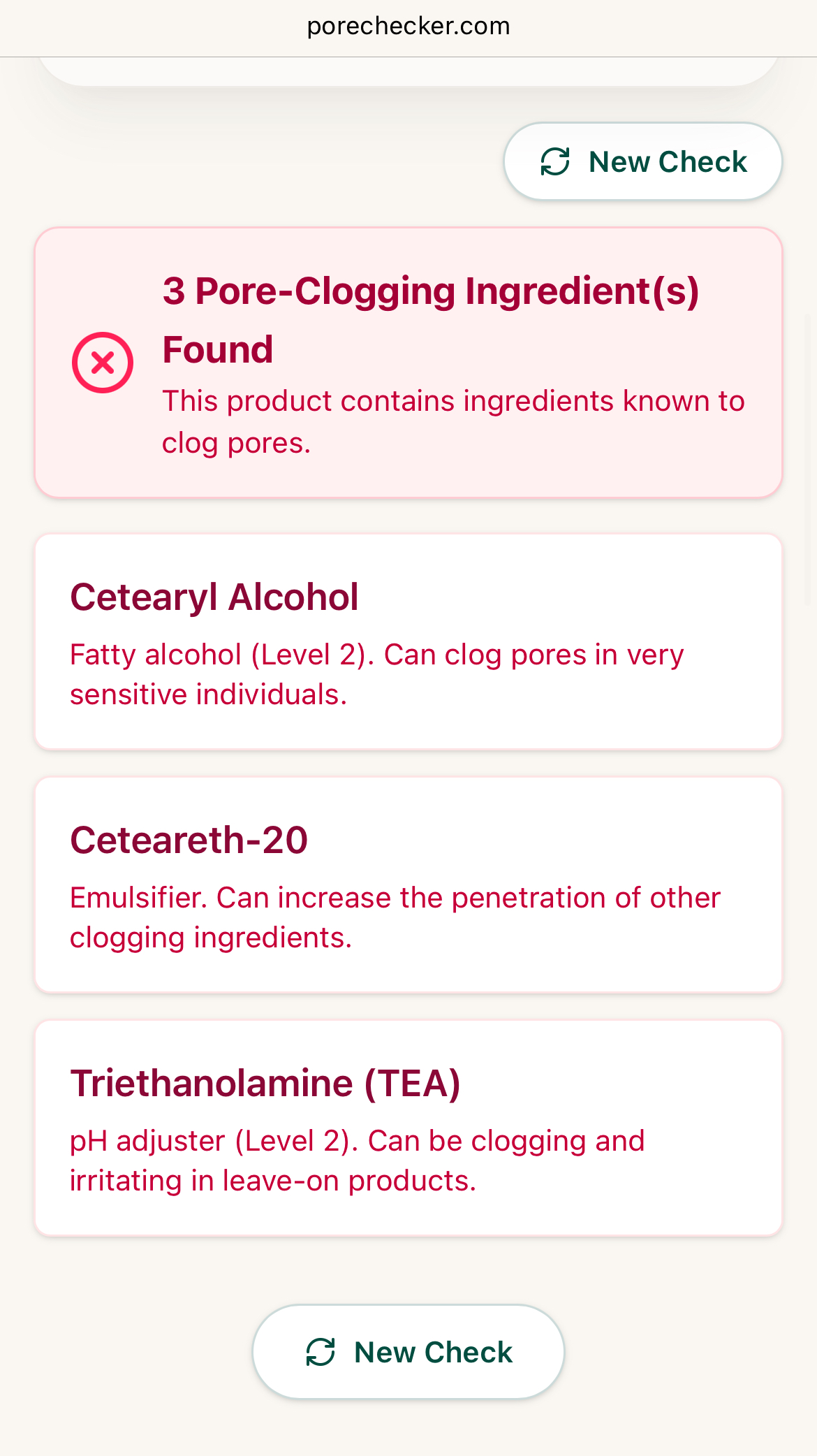
Step 3: Clear Results for Clearer Skin
You get an immediate breakdown. If any red-flag ingredients are found, we highlight them and explain why they might be problematic for your pores.
Does this product fit my skin's needs?
Check Your Products Now