Can Triamcinolone Acetonide Be Used for Acne? The Dermatological Reality
Thinking of using triamcinolone for breakouts? Discover why this steroid is rarely the right choice for acne and the risks involved.
When you are staring down a stubborn, painful breakout, the urge to reach for any potent medication in your medicine cabinet is strong. It is common for patients to wonder: can triamcinolone acetonide be used for acne? As a corticosteroid, this medication is a powerful tool in a dermatologist’s arsenal for reducing inflammation, but it is rarely the first or even the second choice for standard acne management.
Understanding the difference between a simple pimple and inflammatory conditions like eczema or contact dermatitis is crucial. Triamcinolone is designed to suppress immune responses and reduce swelling, which can make it appear effective for a large, red bump. However, because it is not an antimicrobial or an exfoliant, it does nothing to address the root cause of acne: the blockage of the hair follicle and the proliferation of C. acnes bacteria.
The Dangers of Misusing Steroids on Acne
Using topical steroids on acne-prone skin often leads to a cycle of frustration. While you might see a temporary decrease in redness, you are essentially "feeding" the environment that bacteria thrive in. Corticosteroids can thin the skin over time and suppress the local immune system, which can actually allow bacterial populations to flourish more aggressively once the steroid is discontinued.
Steroid-Induced Acne
One of the most paradoxical side effects of using triamcinolone on the face is the development of steroid-induced acne. This presents as small, uniform, red papules that appear shortly after application. Unlike typical acne, which responds to benzoyl peroxide or salicylic acid, this type of eruption requires the complete cessation of the steroid and often clinical intervention to repair the compromised skin barrier.
When Is a Steroid Actually Used?
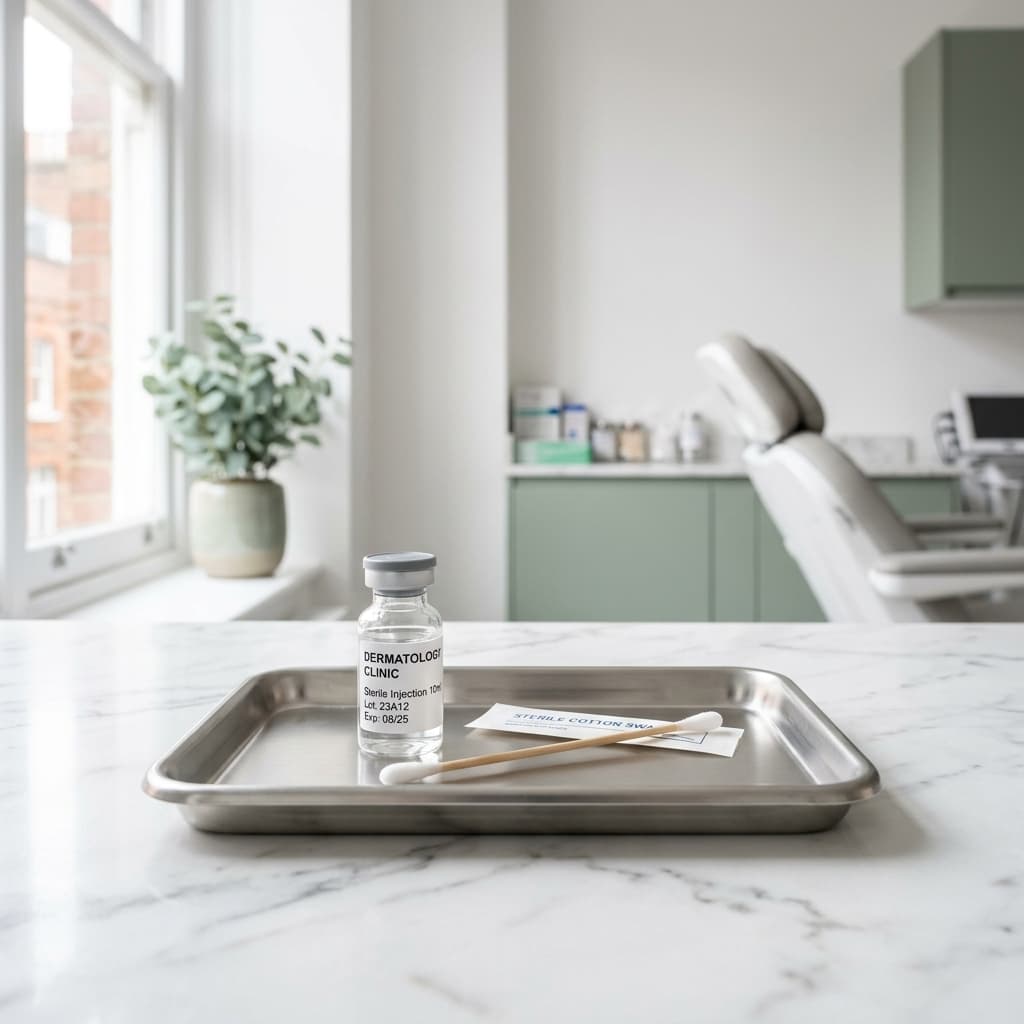
There is one specific scenario where dermatologists utilize steroids for acne: the intralesional injection. This is vastly different from applying a topical cream at home. In a clinical setting, a tiny, diluted amount of triamcinolone is injected directly into a deep, cystic nodule to rapidly collapse the inflammation. This is a medical procedure performed under strict sterile conditions and is never intended for broad, daily application across the face.
Don't Let Your Products Ruin Your Progress
Navigating the complexities of acne treatment requires more than just avoiding heavy steroids; it requires a vigilant approach to the very products you apply to your face daily. Many over-the-counter moisturizers and sunscreens contain hidden comedogenic ingredients—such as certain fatty acids or thickeners—that can counteract even the most professional acne treatment plan. If you are struggling to achieve a clear complexion, it is essential to audit your entire routine for pore-clogging agents, ensuring that your skincare regimen is supporting your skin barrier rather than fueling new breakouts.
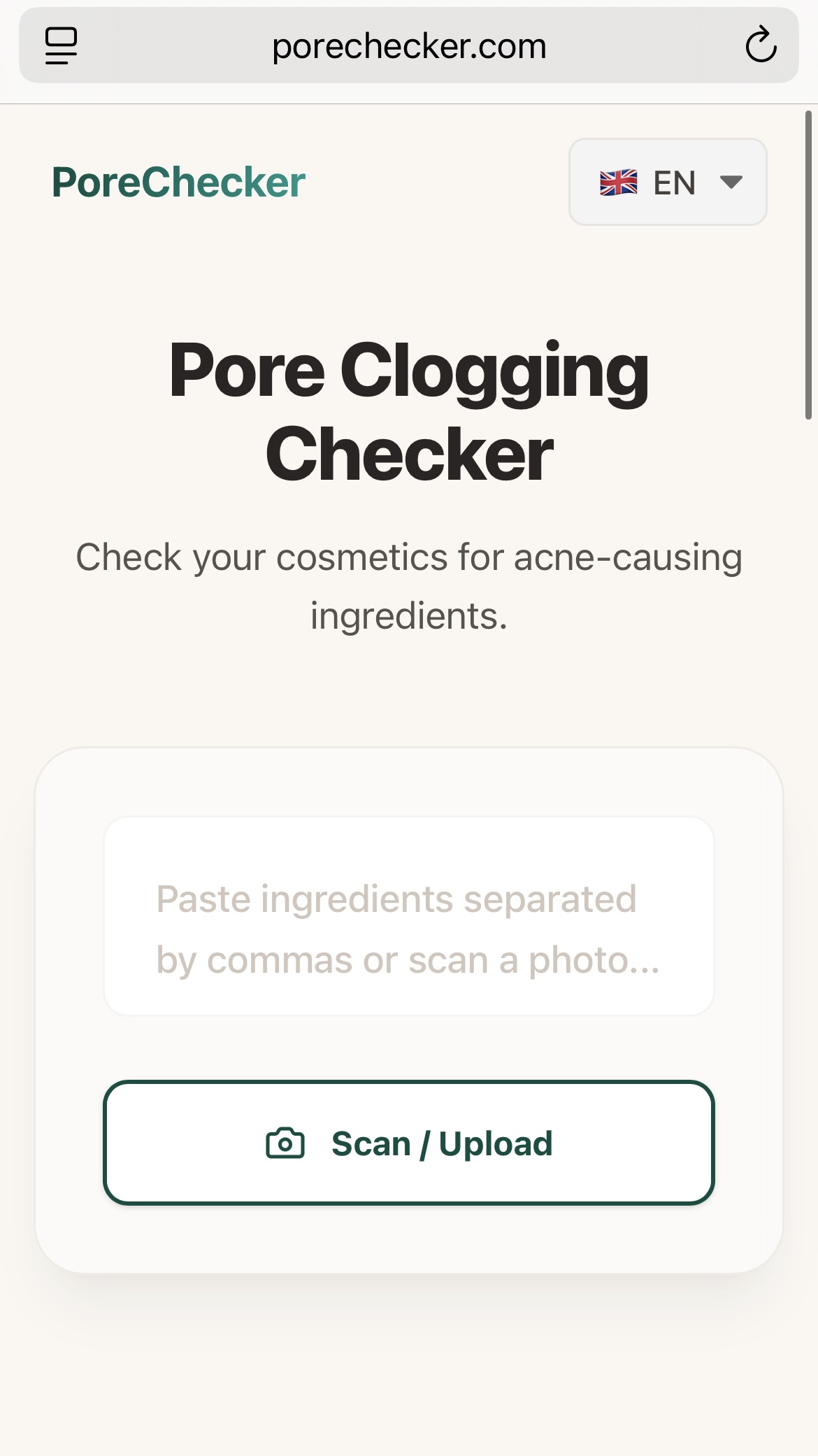
Step 1: Upload Your Product Image
Simply snap a photo of the ingredient list on the back of any bottle, jar, or box. No typing required.
Step 2: Instant AI Ingredient Analysis
Our advanced AI scans the image, performs OCR (Optical Character Recognition), and matches every ingredient against our curated database of comedogenic substances.

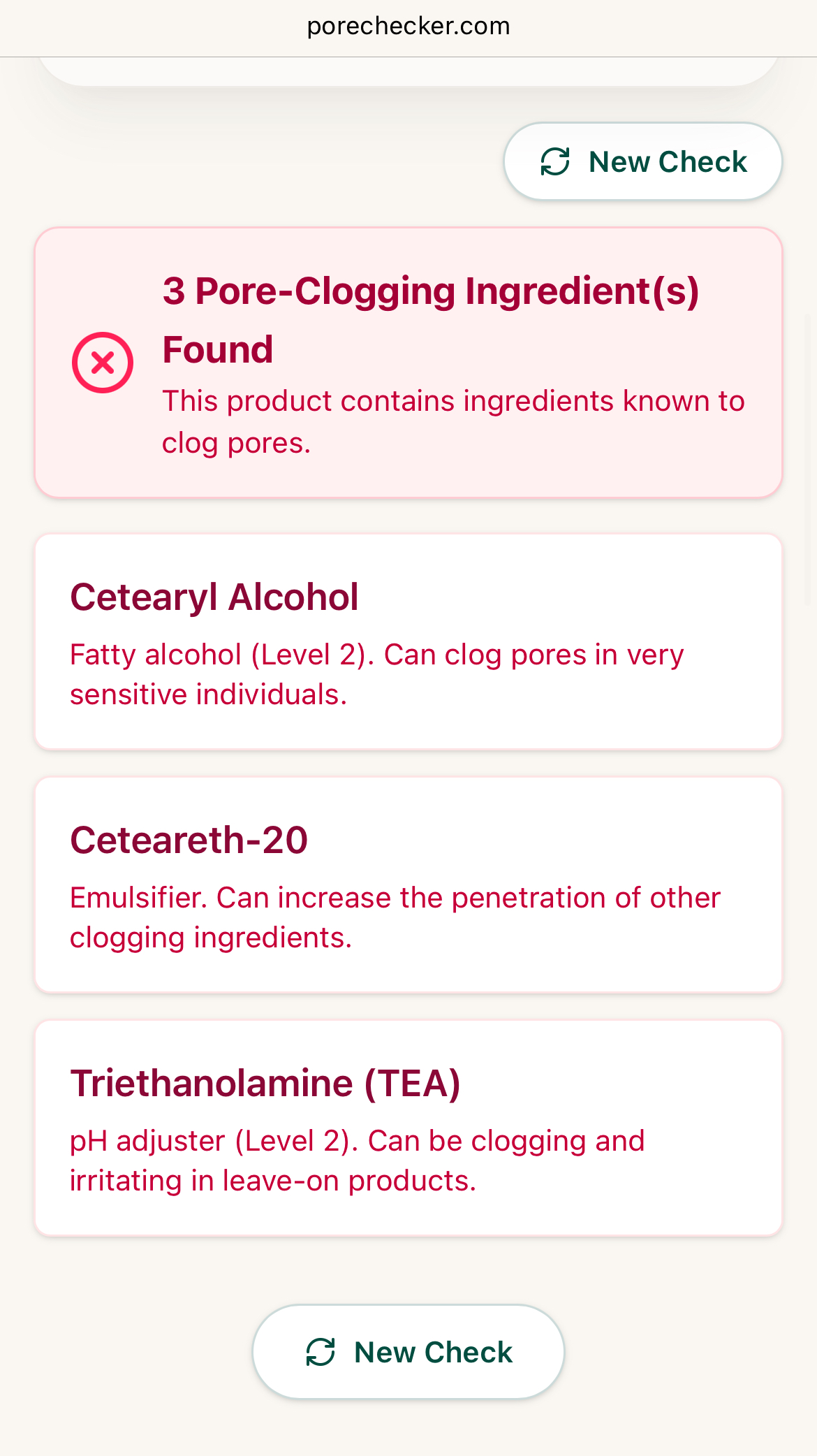
Step 3: Clear Results for Clearer Skin
You get an immediate breakdown. If any red-flag ingredients are found, we highlight them and explain why they might be problematic for your pores.
Does this product fit my skin's needs?
Check Your Products Now