Can Vitamin C Serum Cause Acne? Understanding Purging vs. Breakouts
You bought a Vitamin C serum for glowing skin, but now you have pimples. Can Vitamin C serum cause acne, or is it just the dreaded "purge"?
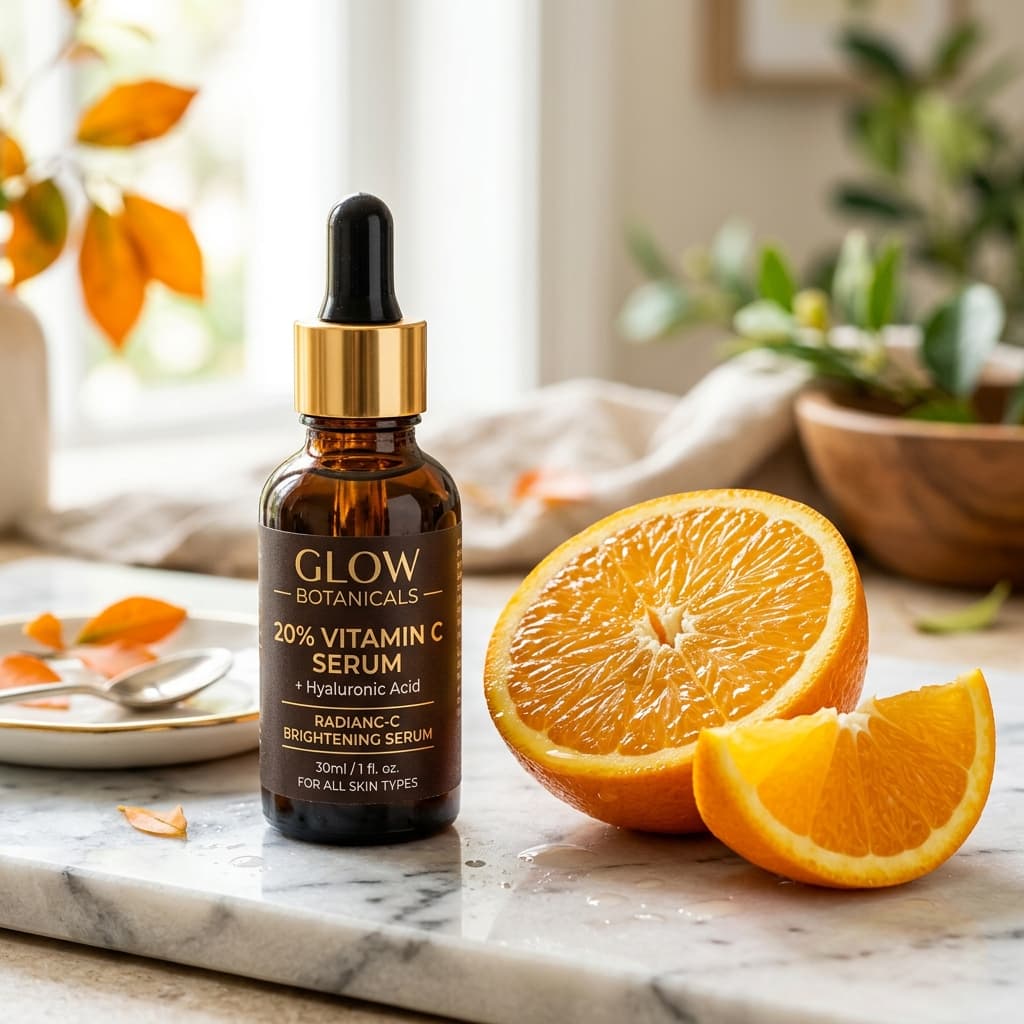
Vitamin C is the holy grail of morning skincare. It promises to fade dark spots, boost collagen, and provide an antioxidant shield against pollution. But many people eagerly incorporate a new, expensive Vitamin C serum into their routine only to wake up a week later with a cluster of new pimples. This leads to the panicked question: "can vitamin c serum cause acne?" The answer is yes, but the reasons why are crucial to understanding if you should stop using the product or push through it.
Reason 1: Skin Purging
The most potent form of Vitamin C is L-ascorbic acid. Because it is highly acidic, it acts as a mild exfoliant, speeding up cellular turnover. If you have micro-comedones (tiny clogs deep in your pores that haven't formed into pimples yet), the acidic nature of the serum will push them to the surface much faster than normal.
How to tell if it's a purge: The breakouts will occur in areas where you normally get pimples, and they will heal much faster than usual. A purge typically lasts 2 to 4 weeks. If you are purging, you should continue using the product.
Reason 2: Irritation Breakouts
L-ascorbic acid is notoriously unstable and requires a very low pH (usually under 3.5) to penetrate the skin. This low pH can severely irritate a compromised skin barrier. When your skin barrier is damaged, inflammation spikes, which can trigger inflammatory acne.
How to tell if it's irritation: The skin will look red, feel tight or sting when applying other products, and the breakouts may look like tiny red, inflamed bumps rather than standard whiteheads. If this happens, you need a gentler Vitamin C derivative (like Sodium Ascorbyl Phosphate).
Reason 3: Clog-Prone Formulas
Often, it's not the Vitamin C causing the acne, but the carrier ingredients in the serum. To stabilize L-ascorbic acid, brands often use heavy Vitamin E (Tocopherol) or various oils and silicones. If you have oily skin, a heavy serum base can easily clog your pores.
How to tell if it's the formula: The breakouts will appear in new areas where you rarely get acne, and they will persist for as long as you use the product. If this occurs, switch to a water-based or gel-based Vitamin C serum.
Summary
So, can vitamin c serum cause acne? Yes. It might be a temporary purge due to its acidic nature, an inflammatory response to a harsh pH, or a reaction to heavy, pore-clogging carrier ingredients. Pay close attention to where you are breaking out and how your skin feels to determine if you should stick it out or switch formulas.
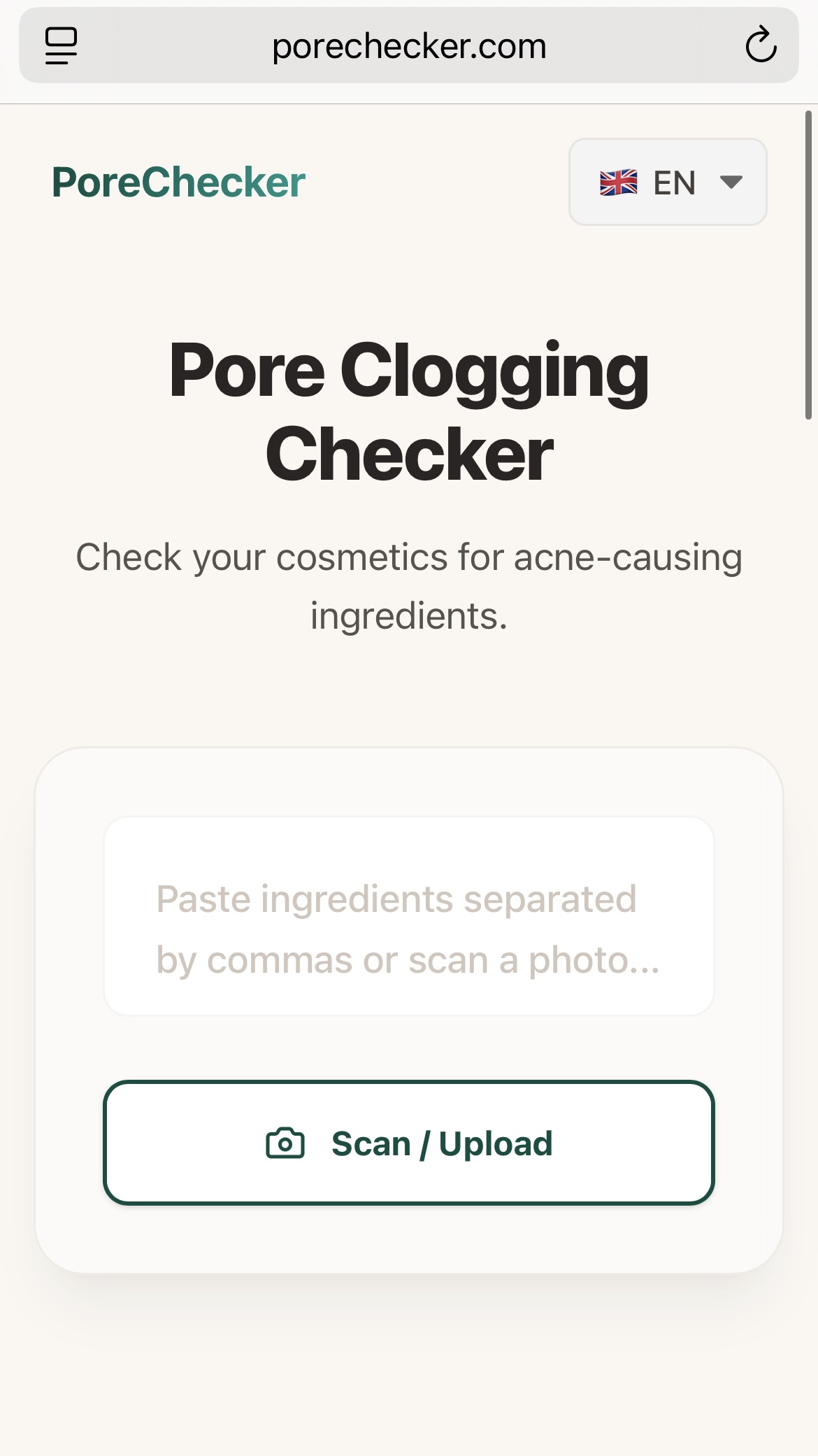
Step 1: Upload Your Product Image
Simply snap a photo of the ingredient list on the back of any bottle, jar, or box. No typing required.
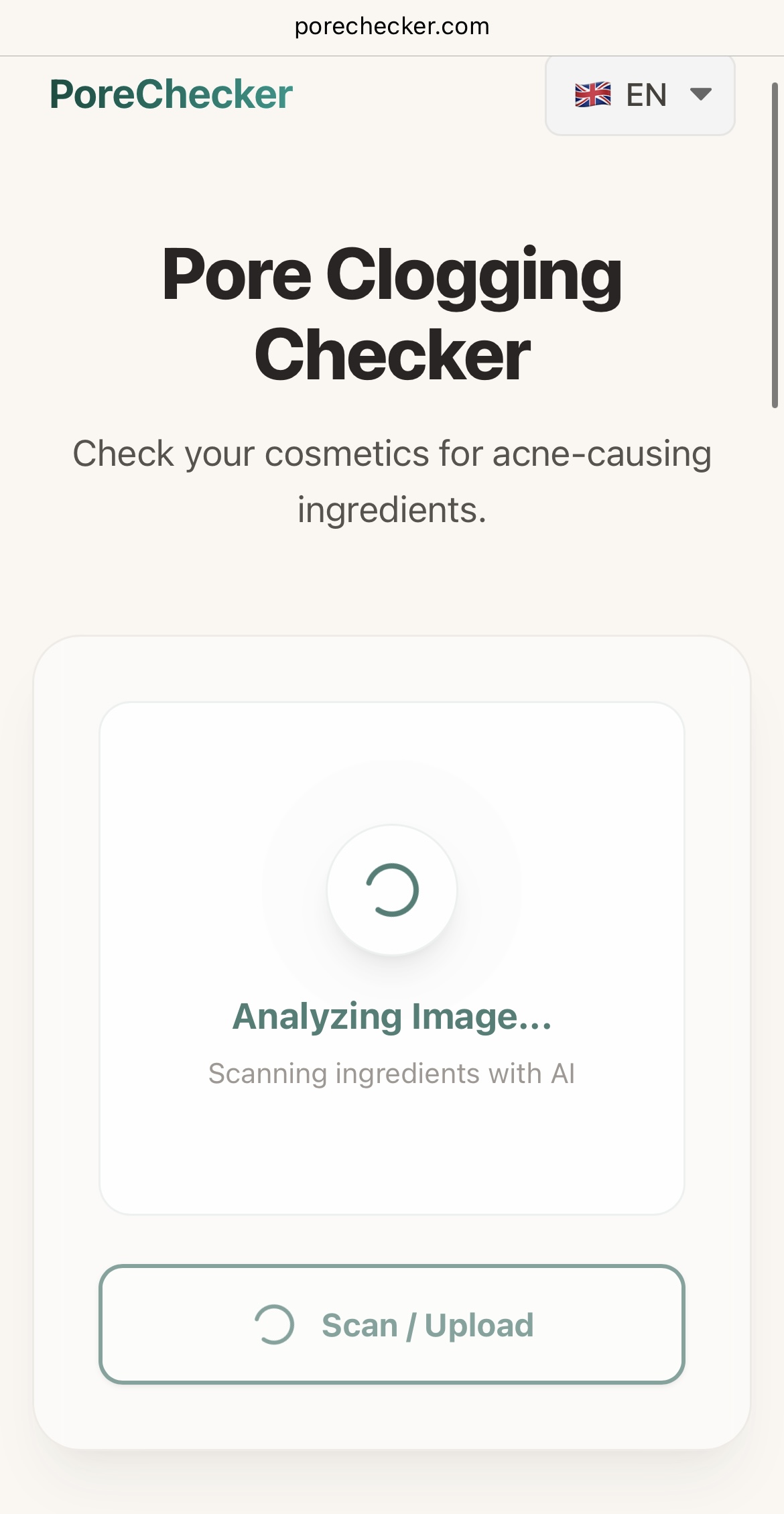
Step 2: Instant AI Ingredient Analysis
Our advanced AI scans the image, performs OCR (Optical Character Recognition), and matches every ingredient against our curated database of comedogenic substances.
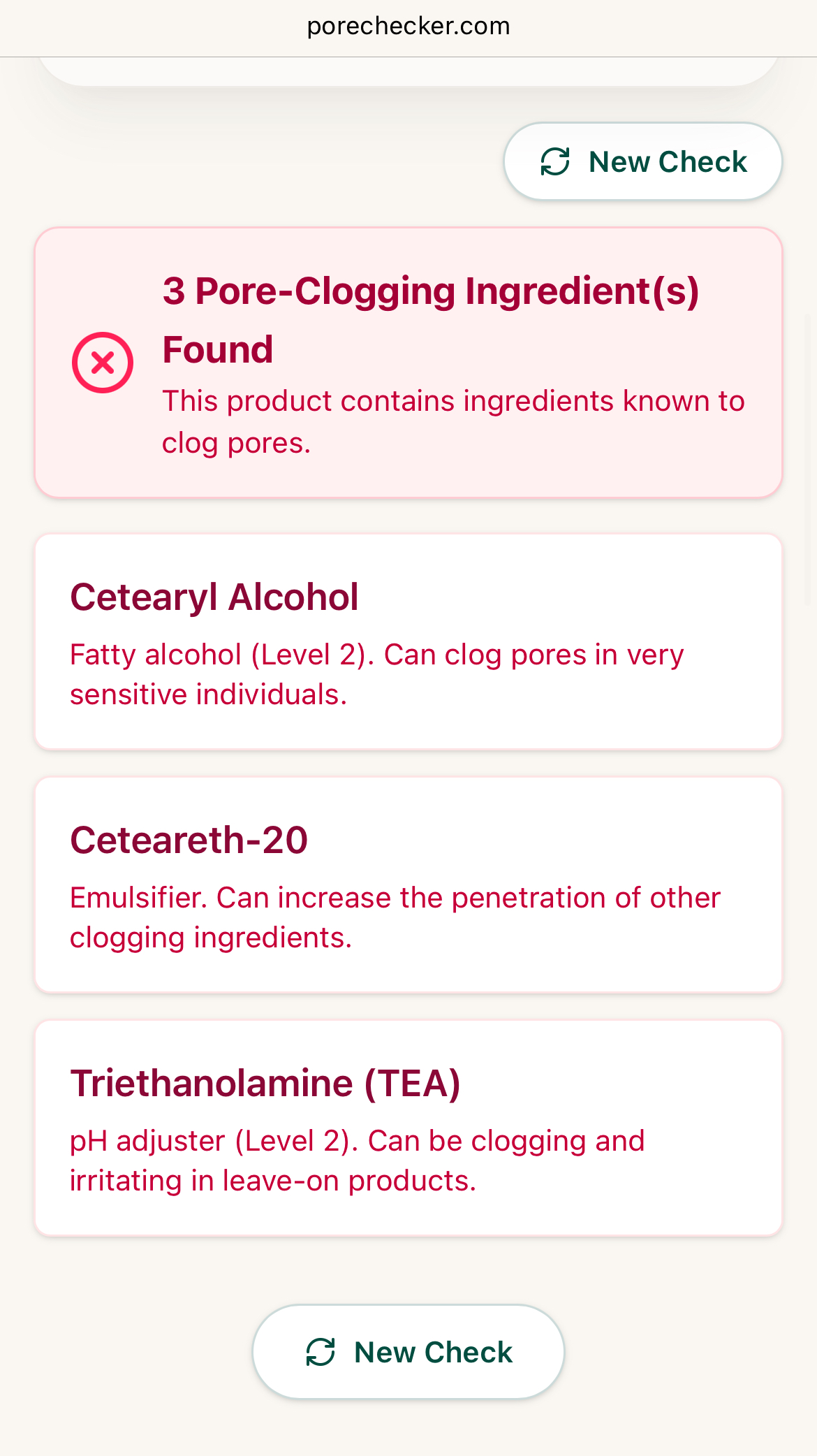
Step 3: Clear Results for Clearer Skin
You get an immediate breakdown. If any red-flag ingredients are found, we highlight them and explain why they might be problematic for your pores.
Does this product fit my skin's needs?
Check Your Products Now