Chin Acne Troubles? A Dermatologist's Guide on How to Get Rid of Chin Acne
Frustrated by chin acne? Discover effective strategies to clear your skin! Expert advice on treatments, identifying triggers, & building a non-comedogenic routine.
Persistent breakouts on the chin can be incredibly frustrating. They often seem resistant to basic skincare routines and can impact your confidence. As a dermatologist, I understand the emotional toll acne can take. The good news is that chin acne is often treatable, and understanding its root causes is the first step toward achieving clear skin. This guide will provide you with evidence-based strategies on how to get rid of chin acne and maintain a healthy, radiant complexion.
The chin area is particularly prone to acne due to several factors. Hormonal fluctuations, which are common in women, can stimulate excess oil production. Friction from face masks or even leaning your chin on your hand can also contribute. Another significant factor is the build-up of dead skin cells and bacteria within the pores. To effectively address chin acne, focusing on non-comedogenic (pore-friendly) skincare is essential.
Understanding the Culprits: Why Chin Acne Persists
Before diving into treatments, it's crucial to identify the potential triggers. Hormonal acne, often linked to menstrual cycles or hormonal imbalances, is a common culprit. Stress can also exacerbate breakouts by increasing cortisol levels, which in turn can stimulate oil production. Furthermore, external factors play a significant role. Touching your face throughout the day, using harsh or pore-clogging skincare products, and even the type of pillowcase you use can all contribute to chin acne.
Hormonal Fluctuations and Acne
Hormonal acne is often characterized by deeper, more painful pimples, frequently appearing around the chin and jawline. This type of acne is linked to fluctuations in androgen hormones, which can cause the sebaceous glands to produce excess sebum. While over-the-counter treatments can provide some relief, addressing hormonal imbalances may require professional guidance. Consider consulting with a dermatologist or endocrinologist to explore potential treatment options, such as hormonal birth control or spironolactone.
External Factors to Watch Out For
Even if hormones are not the primary driver, external factors can significantly worsen chin acne. Regularly wash your hands and avoid touching your face, especially your chin. Be mindful of the materials that come into contact with your face, like face masks, cell phone screens and pillowcases. These can trap bacteria and contribute to breakouts. Choose breathable fabrics and wash them frequently. If you're a side or stomach sleeper, consider switching to a silk or satin pillowcase, which creates less friction and absorbs less oil.
Effective Treatments and Skincare Strategies
Treating chin acne requires a multi-faceted approach. Incorporate a consistent skincare routine with products that are specifically designed for acne-prone skin. This includes gentle cleansing, exfoliation, and targeted treatments. Remember to be patient and consistent, as it can take several weeks or even months to see significant improvement. Stick with your routine, and always prioritize gentle, non-irritating products.
Choosing the Right Cleanser and Moisturizer
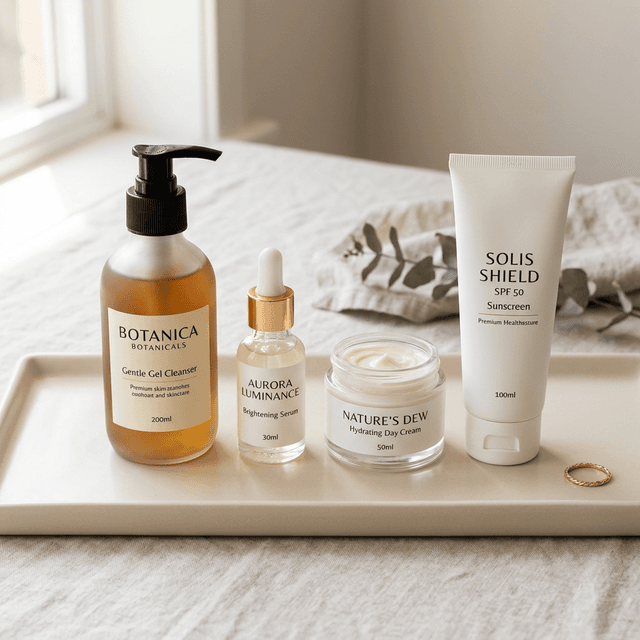
Start with a gentle, non-comedogenic cleanser to remove dirt, oil, and impurities without stripping the skin of its natural moisture. Look for ingredients like salicylic acid or benzoyl peroxide, which can help unclog pores and reduce inflammation. Following cleansing, apply a lightweight, oil-free moisturizer to keep the skin hydrated and support the skin barrier. A damaged skin barrier can lead to increased inflammation and further breakouts. Sunscreen is also crucial to protect your skin, so make sure to finish your morning routine with a non-comedogenic sunscreen.
Incorporating Active Ingredients: What to Use
For targeted treatment, consider incorporating active ingredients into your routine. Salicylic acid is a beta-hydroxy acid (BHA) that exfoliates the skin, unclogs pores, and reduces inflammation. Benzoyl peroxide is an antibacterial agent that kills acne-causing bacteria. Retinoids, derived from vitamin A, are also highly effective at promoting cell turnover and preventing future breakouts. Start with a low concentration and gradually increase as your skin tolerates it. Be sure to consult with a dermatologist before introducing new active ingredients, especially if you have sensitive skin.
Professional Treatments and When to Seek Help
While over-the-counter treatments can be effective for mild to moderate acne, severe cases may require professional intervention. A dermatologist can offer a range of treatments, including prescription-strength medications, chemical peels, and laser therapy. Chemical peels can help exfoliate the skin and reduce the appearance of acne scars. Laser therapy can target acne-causing bacteria and reduce inflammation. If your acne is persistent, painful, or causing scarring, do not hesitate to seek professional help. Early intervention can prevent further damage and help you achieve clearer skin faster.
Don't Let Your Products Ruin Your Progress
Even with the best treatments, progress can be stalled by seemingly innocent ingredients. Many skincare products contain pore-clogging substances that can undo all your efforts. These hidden pore-cloggers, often found in moisturizers, foundations, and even some cleansers, can contribute to new breakouts and perpetuate the cycle of acne. The key to success is building a non-comedogenic skincare routine with products that work *for* your skin, not against it. Taking the time to evaluate product ingredient lists can make all the difference, and a handy ingredient checker tool can help you make informed choices that contribute to your clearer skin goals.
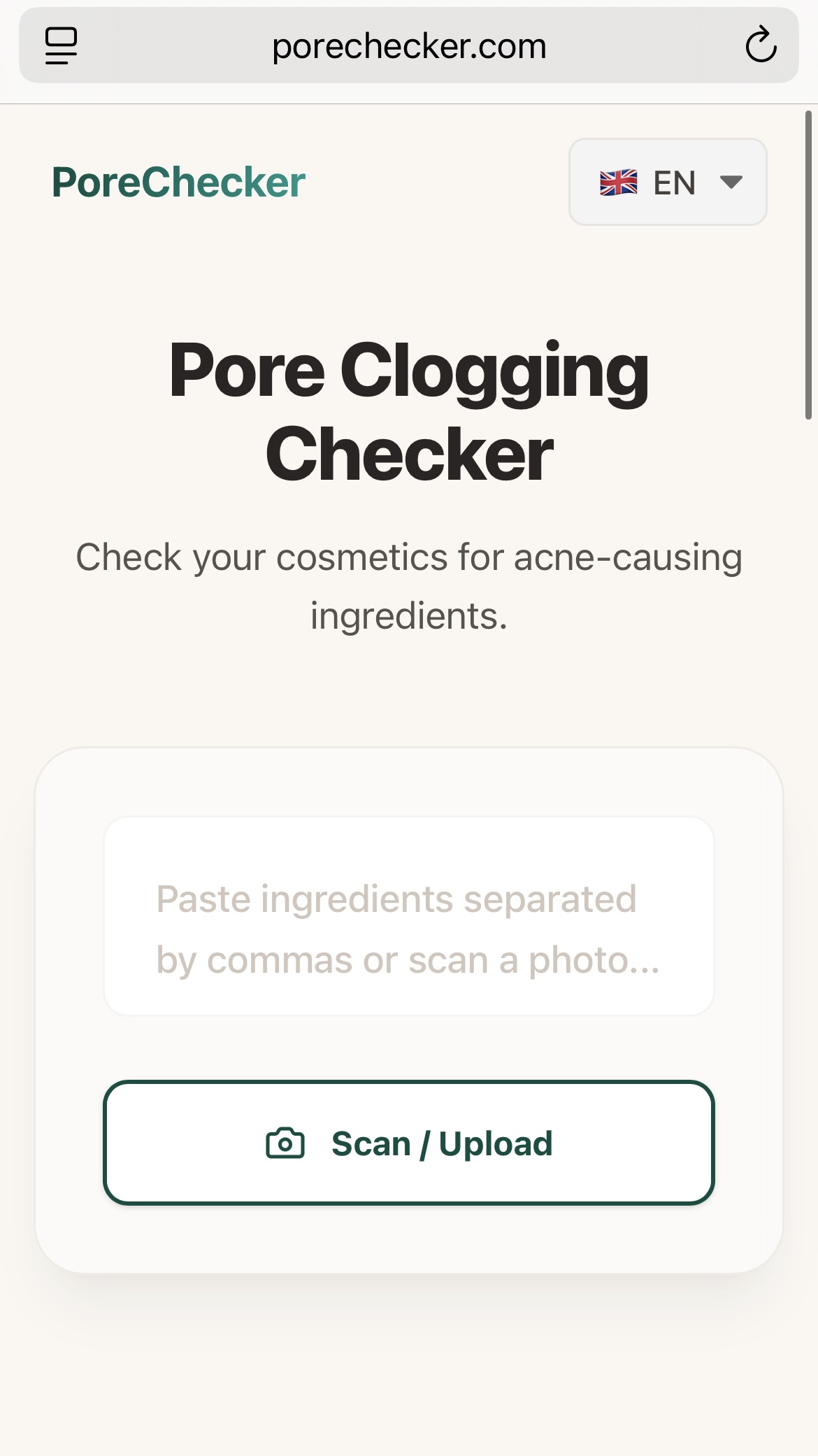
Step 1: Upload Your Product Image
Simply snap a photo of the ingredient list on the back of any bottle, jar, or box. No typing required.
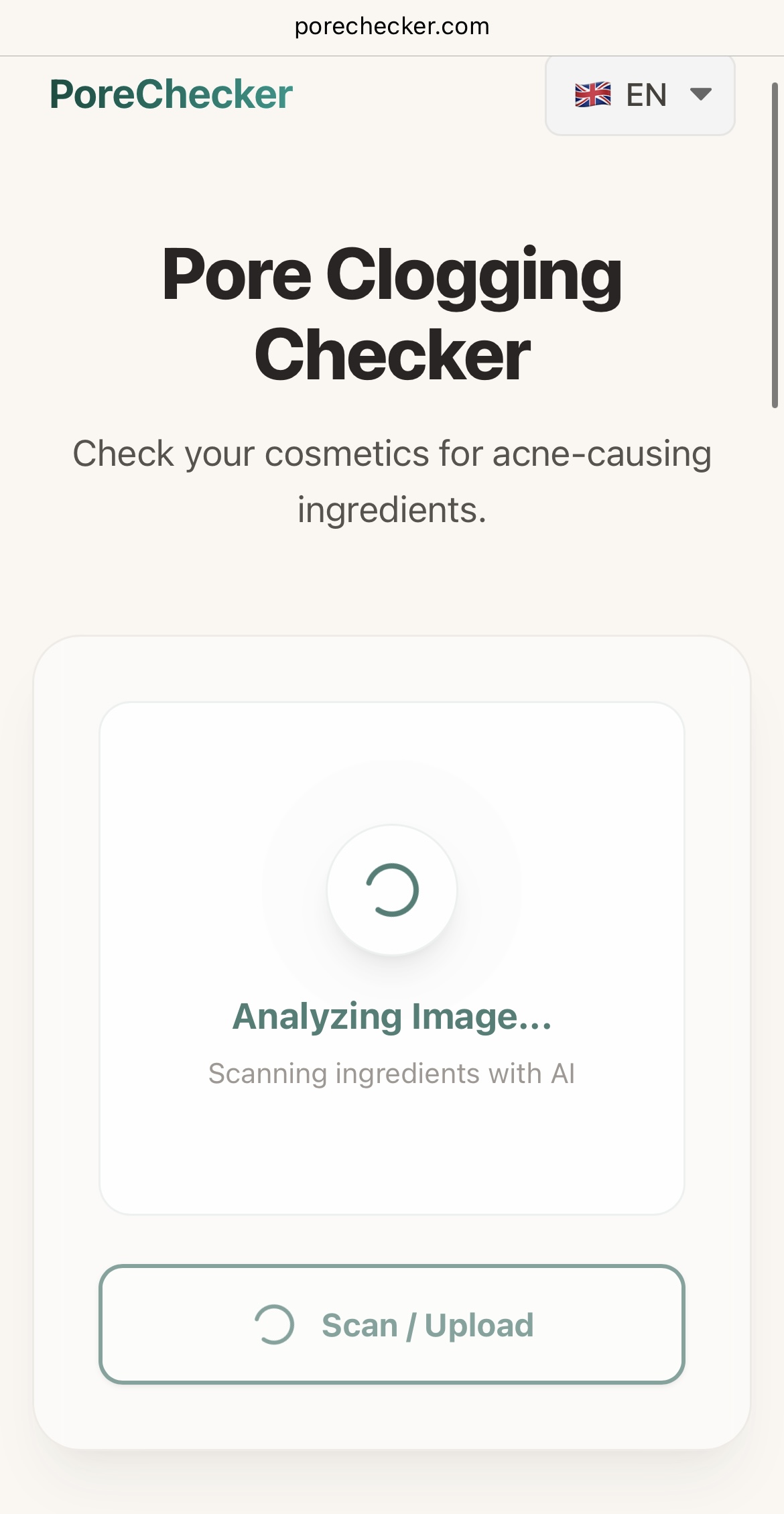
Step 2: Instant AI Ingredient Analysis
Our advanced AI scans the image, performs OCR (Optical Character Recognition), and matches every ingredient against our curated database of comedogenic substances.
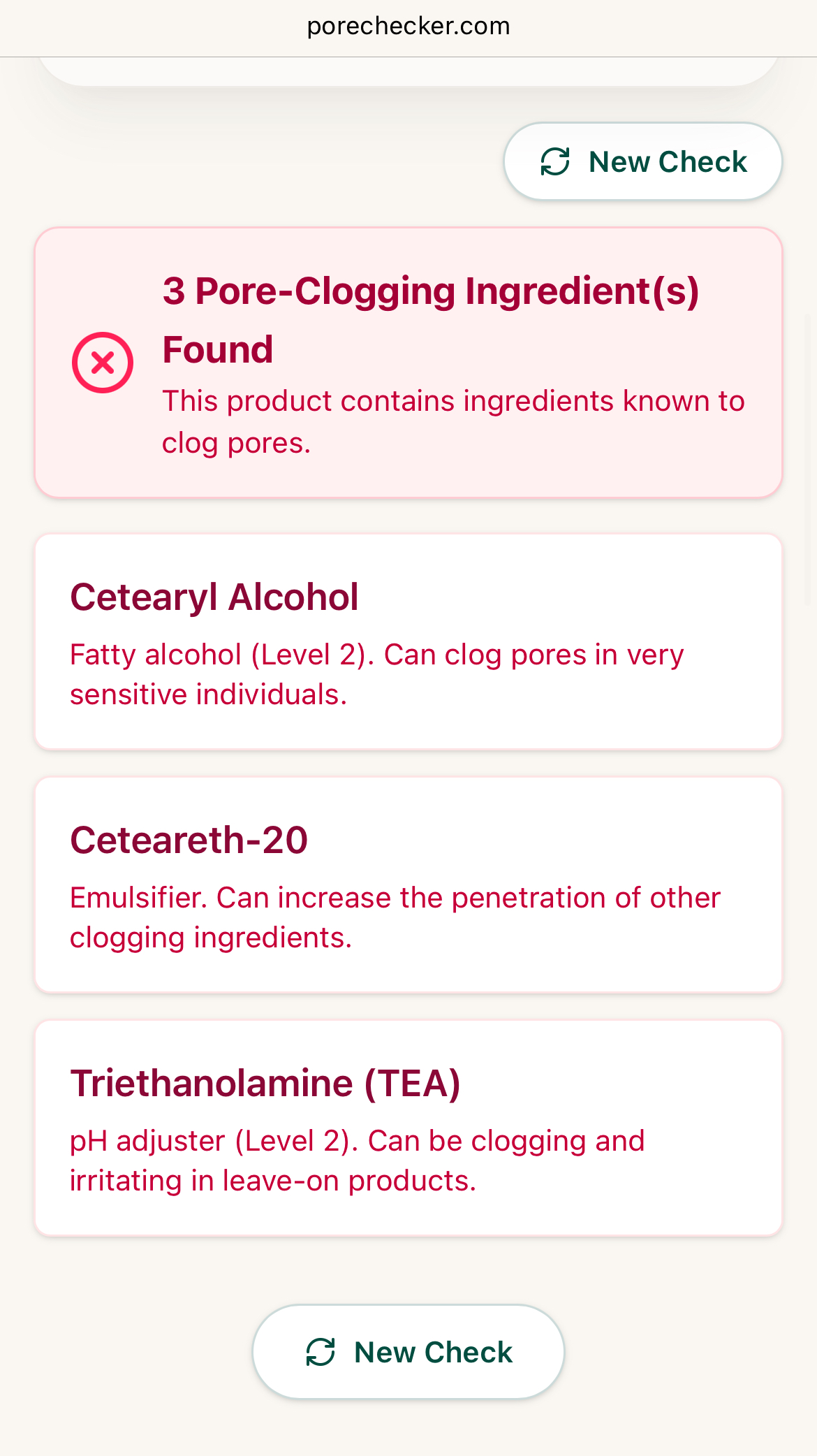
Step 3: Clear Results for Clearer Skin
You get an immediate breakdown. If any red-flag ingredients are found, we highlight them and explain why they might be problematic for your pores.
Does this product fit my skin's needs?
Check Your Products Now