Conquering Cystic Acne: How to Treat This Deep-Seated Skin Condition
Battling cystic acne? Get expert insights on how to treat this stubborn condition. Learn about effective treatments, skincare routines, and avoiding triggers.

Cystic acne. The very words can bring a wave of frustration. These deep, painful, pus-filled bumps aren't just a surface-level problem; they're inflammatory lesions that burrow deep within the skin. Unlike regular pimples, cystic acne often results from a combination of factors, including excess oil production, clogged pores, bacteria, and inflammation. Understanding how to treat cystic acne effectively requires a targeted approach that addresses these underlying issues. A consistent, non-comedogenic skincare routine is your first line of defense.
Effective treatment demands patience and a commitment to a well-structured plan. Because of the inflammatory nature of cysts, picking or squeezing them is strictly prohibited. This can worsen inflammation, leading to scarring and further breakouts. The strategies outlined below are designed to offer relief and help you reclaim your clear skin. Remember, consulting with a dermatologist is crucial for a personalized treatment plan.
The foundation of any successful cystic acne treatment lies in a gentle, yet effective, skincare regimen. Products should be labeled "non-comedogenic," meaning they're less likely to clog pores. This is the cornerstone of preventing further breakouts and allowing your skin to heal. Look for cleansers that contain ingredients like salicylic acid or benzoyl peroxide, which can help to exfoliate and reduce bacteria. Avoid harsh scrubs and overly aggressive cleansers that can irritate the skin, worsening the inflammatory response. Moisturize daily with a lightweight, oil-free formula to maintain the skin's natural barrier function.
Understanding the Root Causes of Cystic Acne
Cystic acne often originates deep within the skin, forming when a combination of factors converge. Excessive sebum production, a common feature of acne-prone skin, can overwhelm the pores, leading to blockages. Dead skin cells, also known as keratin, contribute to this clogging, forming comedones (blackheads and whiteheads) that can trap bacteria. This bacteria, particularly *Cutibacterium acnes*, thrives in the oxygen-poor environment of a clogged pore, triggering inflammation and the formation of painful cysts.
Hormonal fluctuations play a significant role, particularly in women, with breakouts often coinciding with menstrual cycles. Genetics can also predispose individuals to acne. Certain medications, like corticosteroids and some antidepressants, are known to contribute to breakouts. Diet, while not definitively proven to cause acne, can exacerbate inflammation in some individuals, so consider an anti-inflammatory diet.
Hidden Culprits: Identifying Pore-Clogging Ingredients
Beyond obvious irritants, many seemingly harmless skincare products contain ingredients that can silently contribute to clogged pores and cystic acne. These hidden pore-cloggers, or comedogenic ingredients, can be found in a surprising array of products, from moisturizers and sunscreens to makeup and hair products. These include certain oils (like coconut oil, cocoa butter, and mineral oil), silicones, and thickeners. It's crucial to diligently check ingredient lists for these offenders.
Always choose "oil-free" and "non-comedogenic" products. Be mindful of ingredients that might not immediately trigger a reaction but can contribute to pore congestion over time. Look for lightweight, water-based formulations whenever possible. Patch-test new products on a small area of skin before applying them to your entire face to assess how your skin reacts.
Proven Treatment Strategies
The most effective treatment for cystic acne often involves a multi-pronged approach, tailored to the severity of the condition and the individual's skin type. Over-the-counter (OTC) options like benzoyl peroxide and salicylic acid can provide some relief, but often, stronger, prescription-strength medications are needed.
Topical Medications
Topical treatments are typically the first line of defense. Retinoids, derived from vitamin A, are a cornerstone of acne treatment, speeding up cell turnover and preventing pore blockages. Benzoyl peroxide reduces bacteria and inflammation. Antibiotics, either topical or oral, can fight the bacteria contributing to acne. These medications are usually prescribed by a dermatologist. The choice of which to use depends on the severity of your acne and your skin type.
Oral Medications
For more severe cases, oral medications may be necessary. Oral antibiotics can help reduce inflammation and kill bacteria. Isotretinoin (Accutane) is a powerful oral retinoid that can dramatically reduce acne, but it requires careful monitoring due to potential side effects. Hormonal therapies, such as birth control pills or spironolactone, can be effective for women with hormonal acne.
Professional Treatments
Dermatologists offer various in-office treatments. Corticosteroid injections can quickly reduce the inflammation and pain associated with cysts. Chemical peels and laser treatments can help with acne scarring and improve overall skin texture. Regular facials performed by a licensed esthetician can aid in the gentle extraction of comedones and overall maintenance of healthy skin.
Lifestyle and Dietary Adjustments
While not the primary drivers of cystic acne, lifestyle and dietary factors can play a supporting role. Stress can exacerbate acne by triggering hormonal fluctuations, so managing stress through techniques like meditation, yoga, or deep breathing can be beneficial. Getting enough sleep and drinking plenty of water are essential for overall skin health. While the role of diet in acne is not fully understood, some individuals find that certain foods, like dairy products and high-glycemic foods, worsen their breakouts.
Don't Let Your Products Ruin Your Progress
The journey to clear skin is paved with consistency, patience, and a well-curated skincare routine. However, even with the best intentions and diligent use of treatment, your efforts can be undermined by the very products you apply to your skin. Many skincare, makeup, and even hair products contain ingredients that can silently contribute to clogged pores and trigger new breakouts. To ensure you're not sabotaging your progress, it's essential to become a vigilant ingredient detective. Knowing which ingredients to avoid is critical. Fortunately, several tools are available to help you decode product labels and identify potential pore-cloggers, safeguarding your skin from further aggravation.
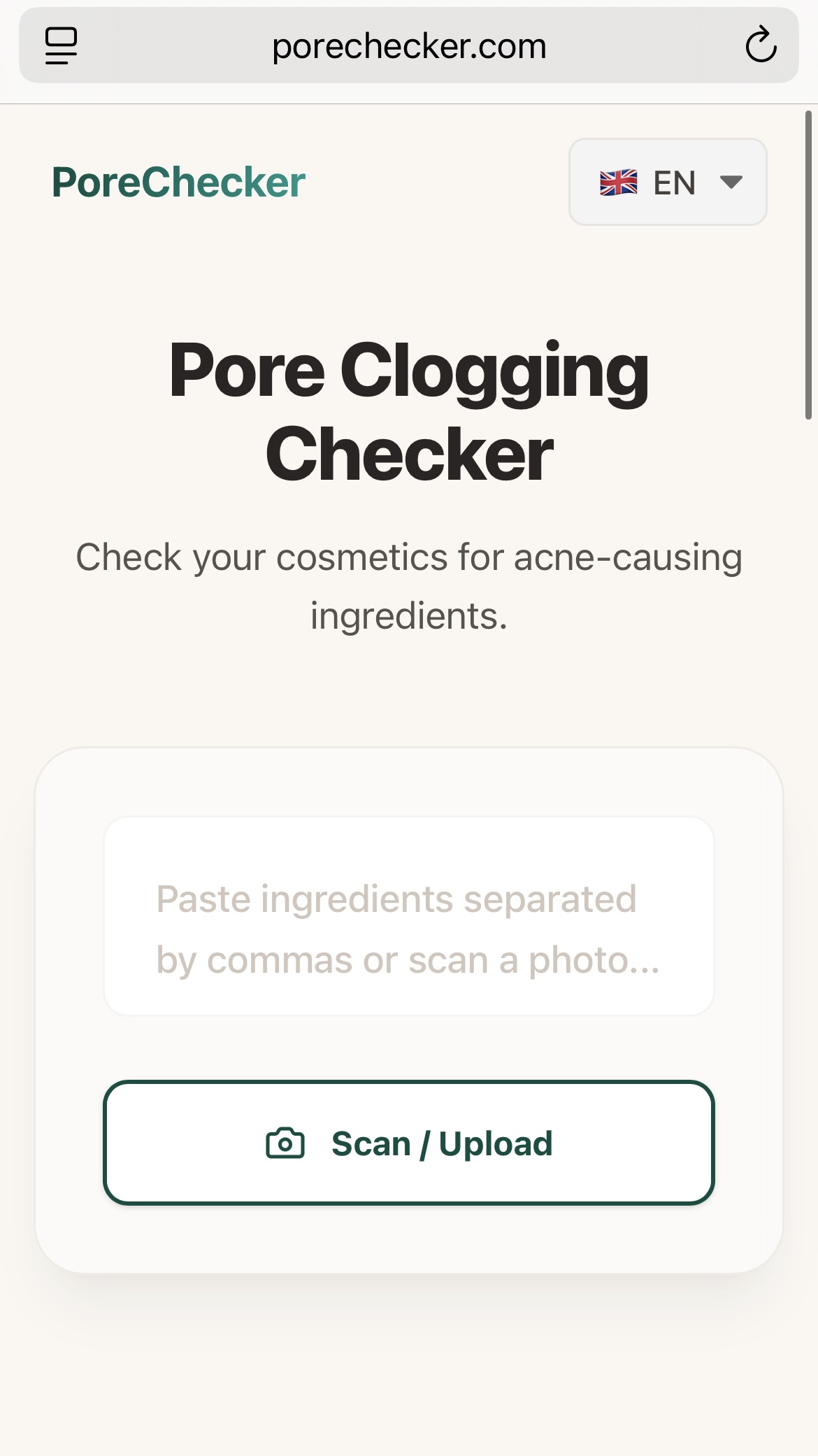
Step 1: Upload Your Product Image
Simply snap a photo of the ingredient list on the back of any bottle, jar, or box. No typing required.
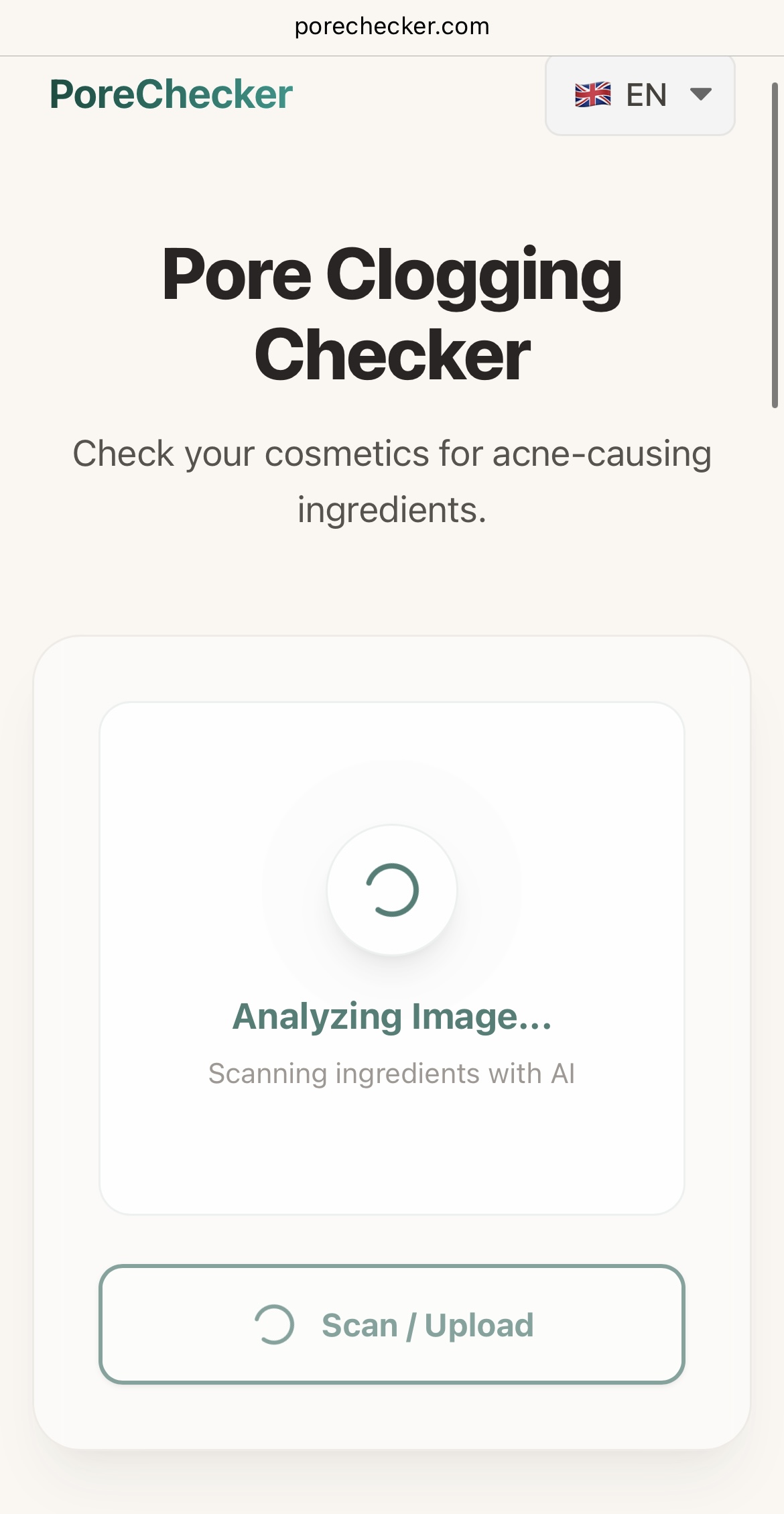
Step 2: Instant AI Ingredient Analysis
Our advanced AI scans the image, performs OCR (Optical Character Recognition), and matches every ingredient against our curated database of comedogenic substances.
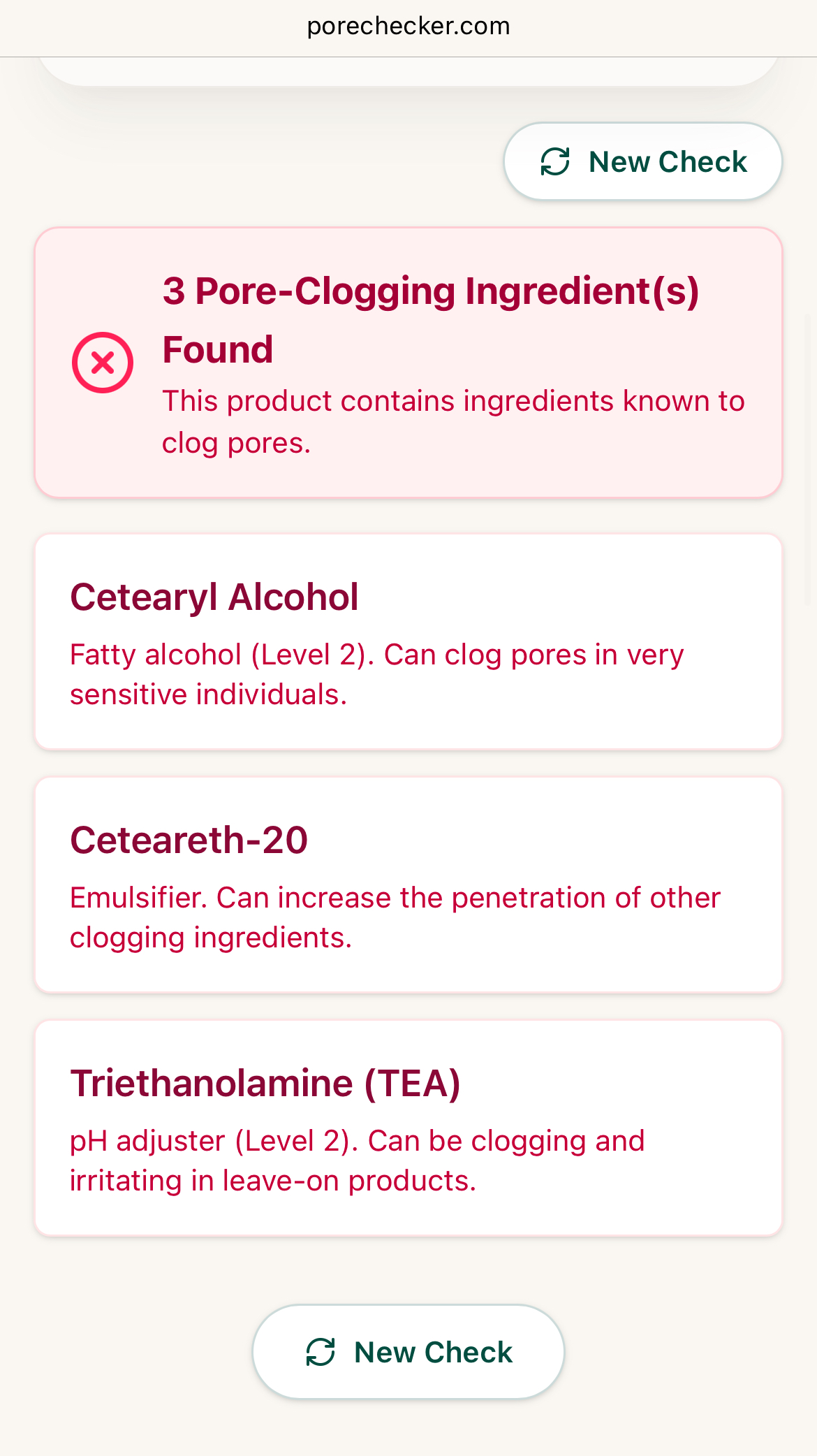
Step 3: Clear Results for Clearer Skin
You get an immediate breakdown. If any red-flag ingredients are found, we highlight them and explain why they might be problematic for your pores.
Does this product fit my skin's needs?
Check Your Products Now