Decoding Dryness: Which Moisturizer Is Best for Dry Skin & Why It Matters
Struggling with dry skin? Discover the best moisturizers, tailored for your needs. Expert tips on hydration, ingredients & avoiding pore-cloggers.
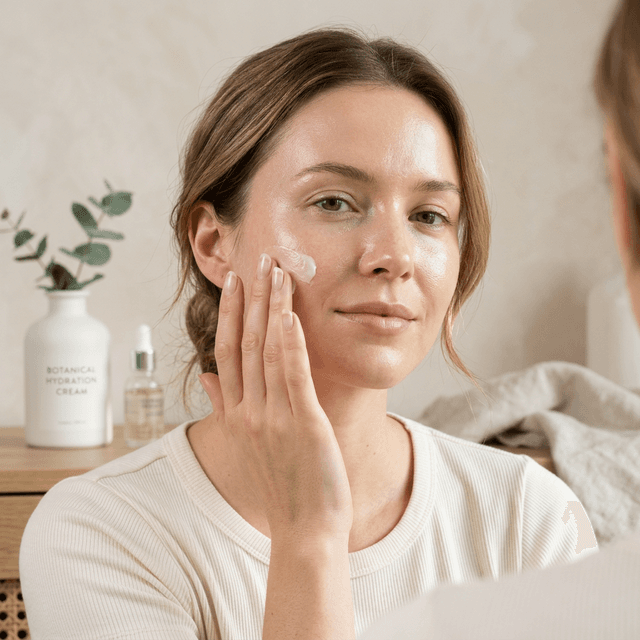
If you're battling persistently dry skin, you know the discomfort: the tight feeling, the flaking, the irritation. Finding the right moisturizer isn't just about superficial relief; it's about restoring your skin's vital barrier function. As a dermatologist, I see firsthand the impact of improper hydration. This article cuts through the noise to help you find which moisturizer is best for dry skin, focusing on effective ingredients and, crucially, avoiding those that could worsen your skin's condition.
A key consideration for dry skin is ensuring your moisturizer is non-comedogenic, meaning it won’t clog your pores. While dry skin often isn’t prone to breakouts, using comedogenic ingredients can still cause irritation, leading to a breakdown of your skin's barrier. The approach to skincare for dry skin is about nourishment, repair and protection, with every product chosen playing a role in the overall health of the skin.
Understanding Dry Skin
Dry skin, or xerosis, lacks sufficient moisture and natural oils (lipids) to maintain its protective barrier. This can stem from various factors, including genetics, environmental conditions (like cold weather), harsh soaps, or underlying health conditions. The skin’s outermost layer, the stratum corneum, becomes compromised, leading to increased water loss and a feeling of tightness, itchiness, and flaking.
Key Characteristics of Dry Skin
Recognizing the signs of dry skin is the first step toward effective treatment. Common indicators include:
- Tightness: A feeling of pulling, especially after cleansing.
- Flaking and Scaling: Visible shedding of skin cells.
- Itchiness: Constant irritation and the urge to scratch.
- Redness: Inflammation due to compromised barrier function.
- Cracking: In severe cases, painful fissures may develop.
Choosing the Right Moisturizer: Ingredients That Heal
Selecting the appropriate moisturizer is paramount in managing dry skin. Look for products rich in these hydrating and barrier-repairing ingredients:
Emollients: Softening the Skin
Emollients fill the spaces between skin cells, creating a smooth surface. Examples include:
- Ceramides: Essential lipids that rebuild the skin's protective barrier.
- Shea Butter: A natural emollient rich in fatty acids.
- Squalane: A lightweight oil that mimics the skin's natural oils.
Humectants: Attracting and Retaining Moisture
Humectants draw moisture from the environment into the skin. Common humectants include:
- Hyaluronic Acid: A powerful hydrator that can hold up to 1,000 times its weight in water.
- Glycerin: A versatile humectant that attracts moisture.
- Honey: A natural humectant with antibacterial properties.
Occlusives: Sealing in Moisture
Occlusives form a protective barrier on the skin's surface, preventing water loss. These include:
- Petrolatum (Vaseline): A highly effective occlusive.
- Mineral Oil: A gentle and effective occlusive.
- Lanolin: A natural emollient and occlusive.
Common Mistakes to Avoid
Even with the best intentions, certain ingredients in moisturizers can sabotage your efforts. Being aware of these pitfalls is crucial.
Hidden Pore-Cloggers
While dry skin may be less prone to breakouts, comedogenic ingredients can still cause irritation and hinder skin barrier recovery. Be wary of:
- Heavy Oils: Some oils, like coconut oil, can be comedogenic for some individuals.
- Thick Emollients: Certain waxes and butters can be too heavy.
- Excessive Fragrance: Artificial fragrances can irritate sensitive skin.
Over-Exfoliation
Exfoliating dry skin too aggressively can worsen the condition by further compromising the skin barrier. Limit exfoliation to once or twice a week, and choose gentle, non-abrasive products.
Don't Let Your Products Ruin Your Progress
Finding the right moisturizer is a journey, and along the way, it's easy to get sidetracked by products that promise much but deliver little. It's not just about what's *in* the moisturizer; it’s also about what’s *not* in it. Many formulations contain hidden ingredients that can cause more harm than good, even if the primary components seem beneficial for dry skin. These less-obvious additions might seem harmless, but they can trigger irritation, clog pores, or even exacerbate dryness in the long run. To ensure your chosen moisturizer is truly working in your favor, a thorough ingredient assessment is essential.
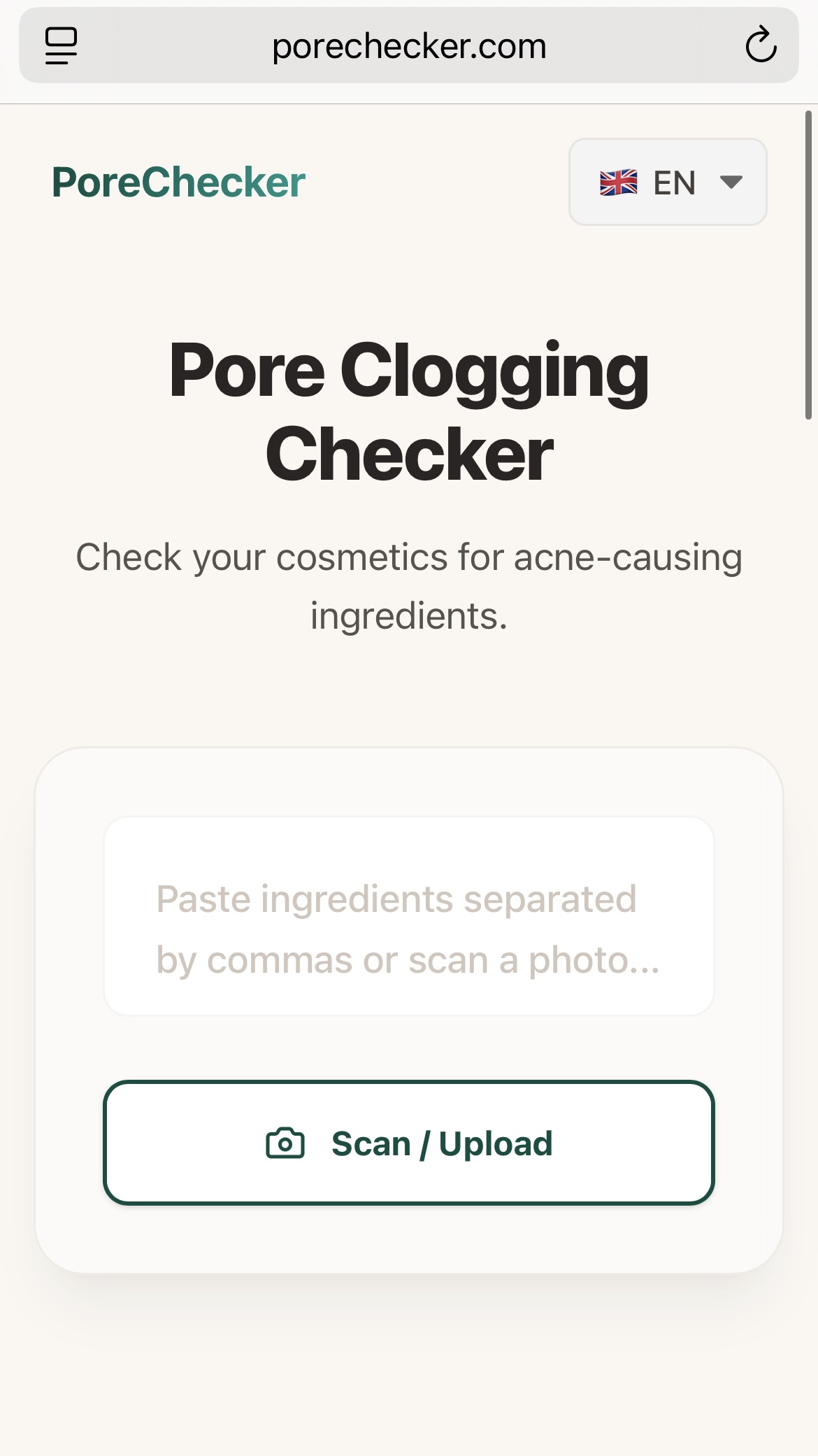
Step 1: Upload Your Product Image
Simply snap a photo of the ingredient list on the back of any bottle, jar, or box. No typing required.
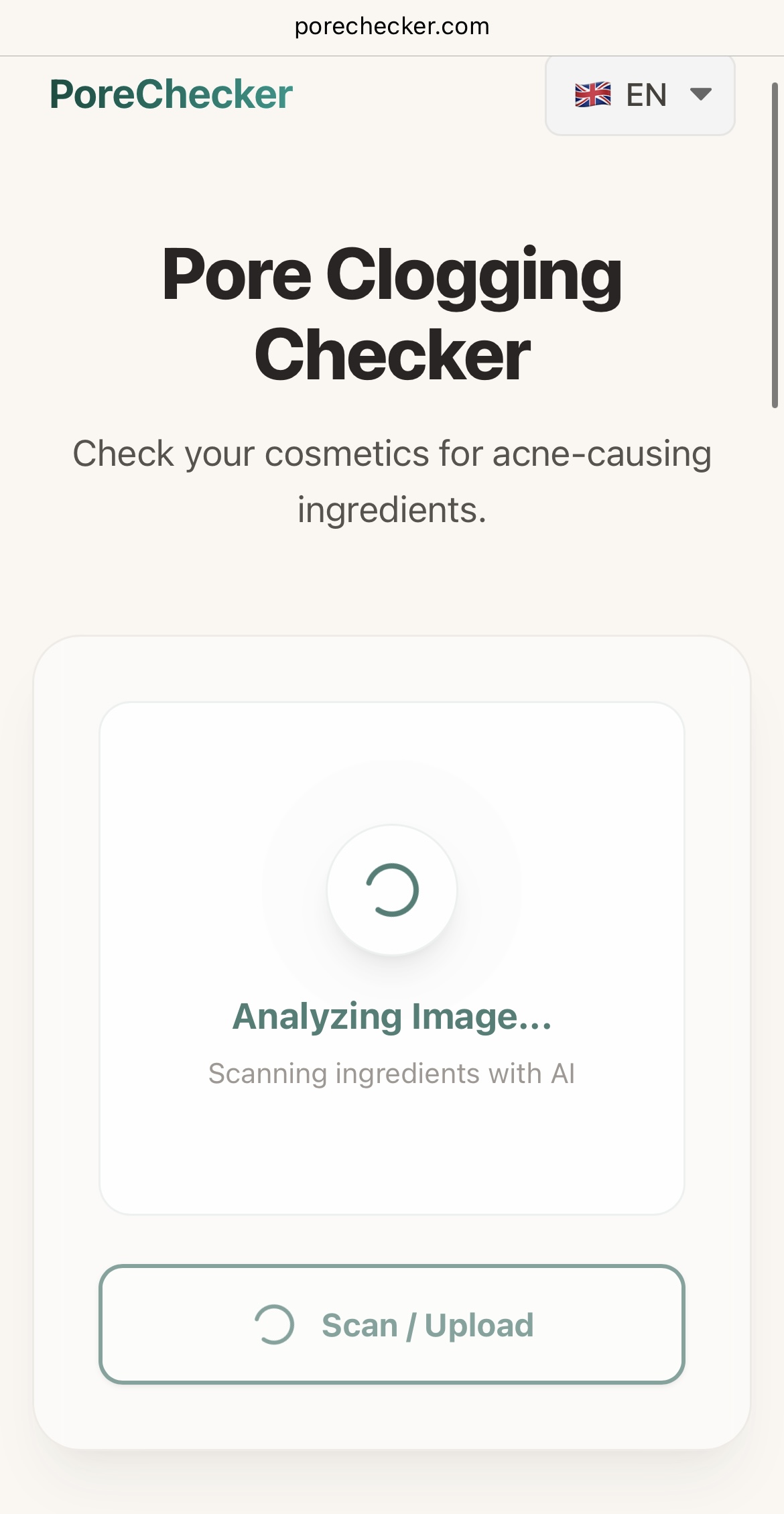
Step 2: Instant AI Ingredient Analysis
Our advanced AI scans the image, performs OCR (Optical Character Recognition), and matches every ingredient against our curated database of comedogenic substances.
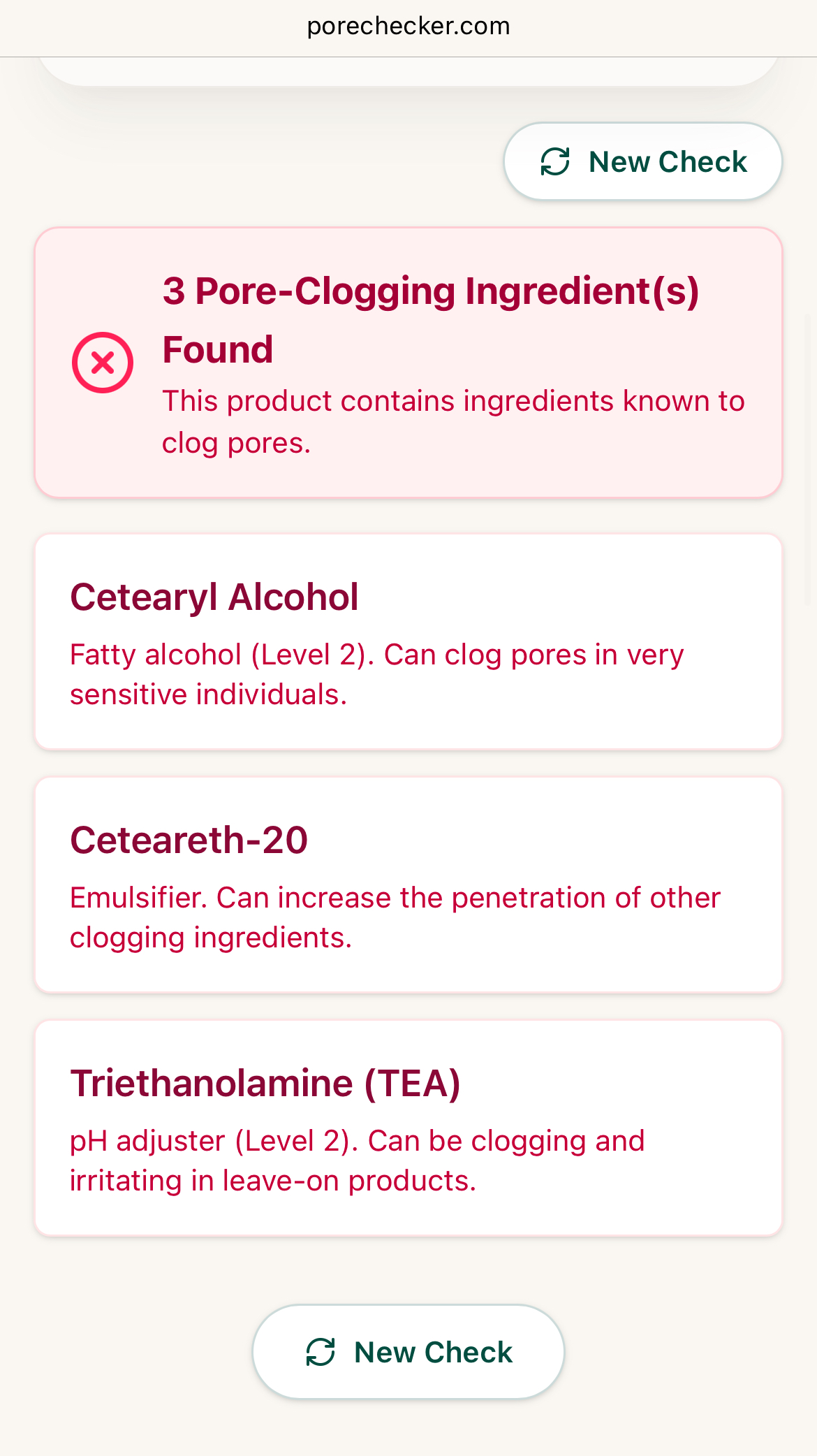
Step 3: Clear Results for Clearer Skin
You get an immediate breakdown. If any red-flag ingredients are found, we highlight them and explain why they might be problematic for your pores.
Does this product fit my skin's needs?
Check Your Products Now