Decoding Forehead Bumps: What Does Forehead Acne Mean & How to Get Clear Skin
What does forehead acne mean? This guide breaks down the causes of forehead breakouts and provides actionable tips for achieving clear, healthy skin.

Forehead acne, those pesky bumps that seem to appear overnight, can be frustrating and even disheartening. But understanding what they mean is the first step toward achieving clear, healthy skin. It's crucial to remember that you're not alone, and there's a science-backed approach to addressing these breakouts. This means focusing on gentle, non-comedogenic skincare practices, products formulated not to clog pores.
This article will delve into the underlying causes of forehead acne, from hormonal fluctuations to lifestyle choices, and provide you with actionable strategies to effectively manage and treat your breakouts. We will explore the various factors contributing to this common skin concern and empower you with the knowledge and tools to take control of your skincare routine, focusing on preventative care.
The key takeaway is that achieving clear skin is attainable with the right information and a consistent, tailored approach. It’s about being informed and building a routine that works best for your skin type.
Unmasking the Culprits: What Causes Forehead Acne?
Forehead acne is often multi-faceted, stemming from a combination of internal and external factors. Understanding these contributors is key to effective management. Some of the most common causes include:
Sebum Overproduction
The skin's sebaceous glands produce sebum, an oily substance that keeps the skin moisturized. Overproduction of sebum, often triggered by hormonal imbalances, stress, or genetics, can lead to clogged pores, creating the perfect environment for acne-causing bacteria.
Clogged Pores
Dead skin cells, excess sebum, and environmental debris can accumulate within pores, leading to blockages. These blockages can manifest as blackheads, whiteheads, or inflammatory acne. In the case of forehead acne, the area is especially prone to blockages because of its higher concentration of sebaceous glands.
Bacteria and Inflammation
The presence of *Cutibacterium acnes* (formerly *Propionibacterium acnes*) bacteria within clogged pores can trigger inflammation. This inflammation results in the formation of pimples, cysts, and other acne lesions.
External Factors: Products & Lifestyle
Certain skincare products, hair products, and even your diet can contribute to forehead acne. Ingredients like heavy oils, comedogenic chemicals, and processed foods can exacerbate breakouts. Friction from hats or headbands, and even touching your forehead frequently, can also play a role.
Strategic Skincare: Actionable Steps for Forehead Acne
Treating forehead acne effectively involves a holistic approach that targets the root causes. Here are some key strategies to incorporate into your skincare routine:
Gentle Cleansing
Use a gentle, non-comedogenic cleanser twice daily to remove excess oil, dirt, and impurities. Look for formulations containing ingredients like salicylic acid or benzoyl peroxide, known for their acne-fighting properties. Avoid harsh scrubs, as they can irritate the skin and worsen inflammation.
Targeted Treatments
Incorporate spot treatments or serums containing active ingredients like retinol or retinoids, which help to unclog pores and promote cell turnover. Start slowly to allow your skin to adjust to these powerful ingredients and always follow with a non-comedogenic moisturizer.
Exfoliation (With Caution)
Regular exfoliation can help remove dead skin cells and prevent pore blockages. However, be cautious with this step. Over-exfoliating can damage the skin barrier and lead to further irritation. Choose gentle chemical exfoliants like alpha-hydroxy acids (AHAs) or beta-hydroxy acids (BHAs) a few times a week.
Hydration & Moisturize
Even if your skin is oily, moisturizing is essential. Choose a lightweight, non-comedogenic moisturizer to keep your skin hydrated and support its natural barrier function. Hydrated skin is less likely to overproduce oil.
Sun Protection
Always protect your skin from the sun's harmful rays with a broad-spectrum, non-comedogenic sunscreen. Sun exposure can worsen inflammation and lead to post-inflammatory hyperpigmentation, the dark spots that can linger after acne clears.
Lifestyle Adjustments
Consider your diet and stress levels. While research is ongoing, some individuals find that certain foods can trigger breakouts. Managing stress through techniques like meditation or exercise can also contribute to overall skin health.
Don't Let Your Products Ruin Your Progress
You've begun to understand the intricate reasons behind forehead acne, and you're now armed with actionable steps to fight back. You're cleansing, treating, and protecting your skin—but it's vital to remember that even the most dedicated skincare routine can be sabotaged by the products you use. Many seemingly harmless products contain hidden pore-clogging ingredients that can contribute to those frustrating forehead bumps. To ensure your products are truly working *for* your skin, and not against it, the next step is to carefully examine the ingredients.
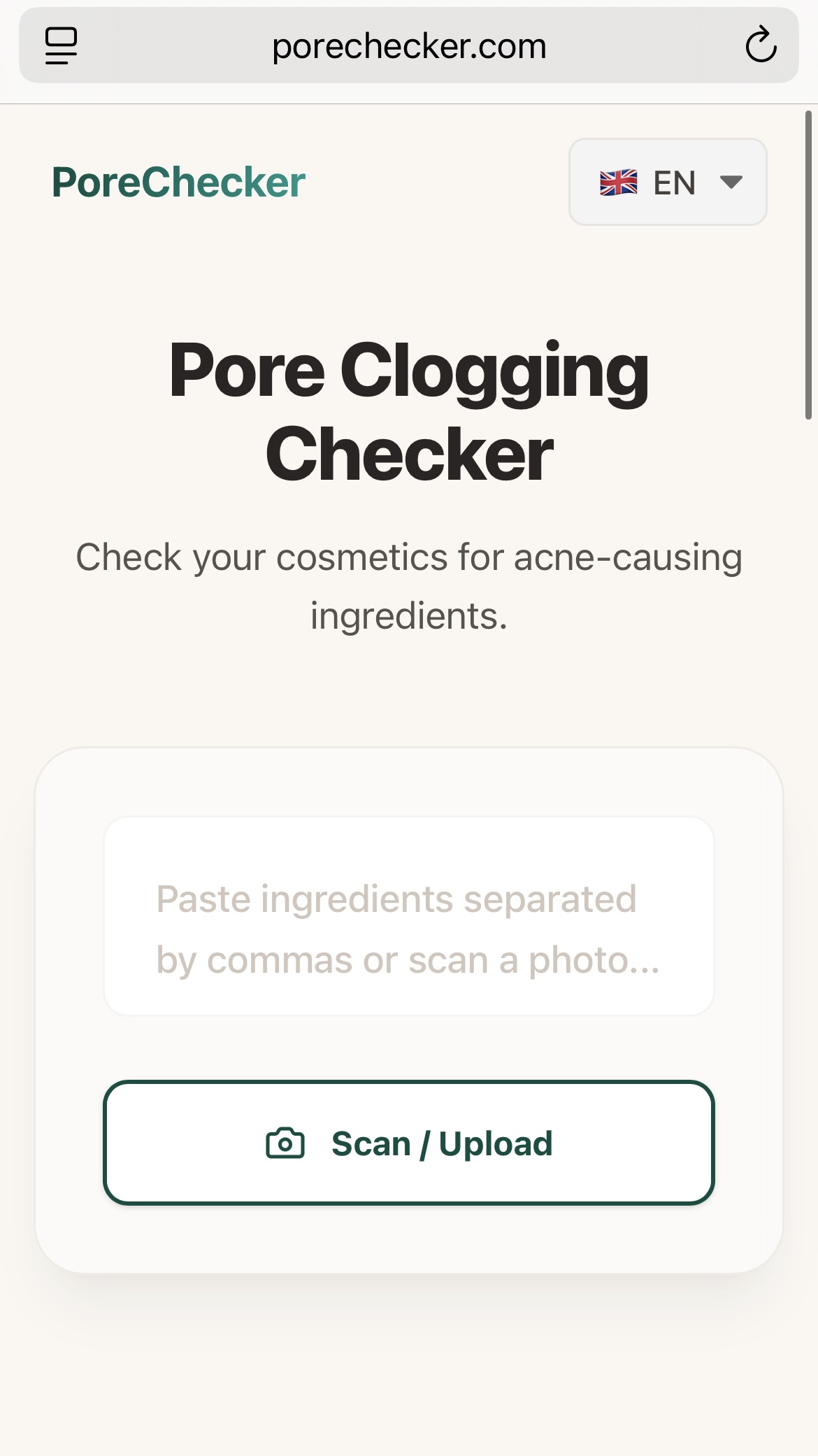
Step 1: Upload Your Product Image
Simply snap a photo of the ingredient list on the back of any bottle, jar, or box. No typing required.
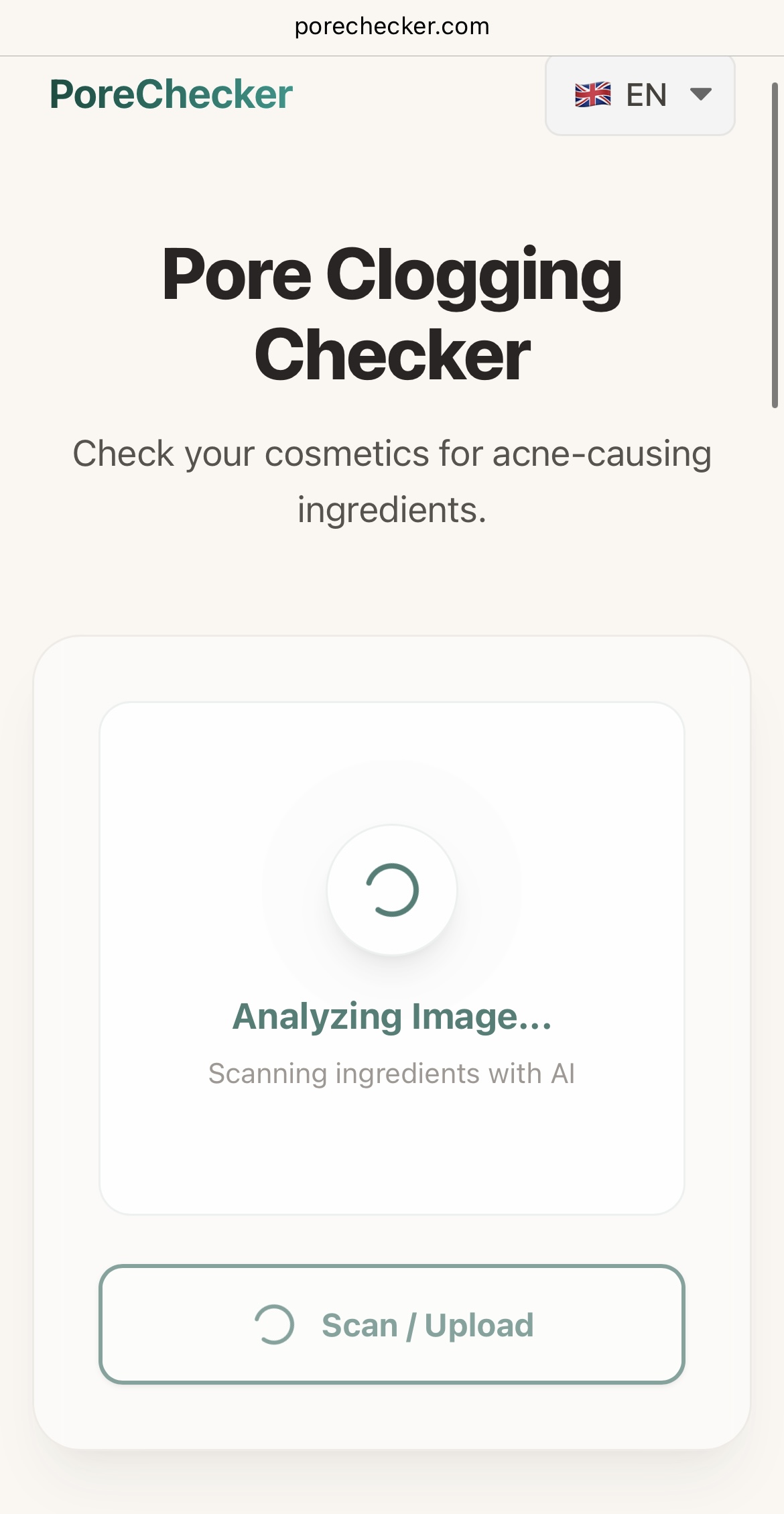
Step 2: Instant AI Ingredient Analysis
Our advanced AI scans the image, performs OCR (Optical Character Recognition), and matches every ingredient against our curated database of comedogenic substances.
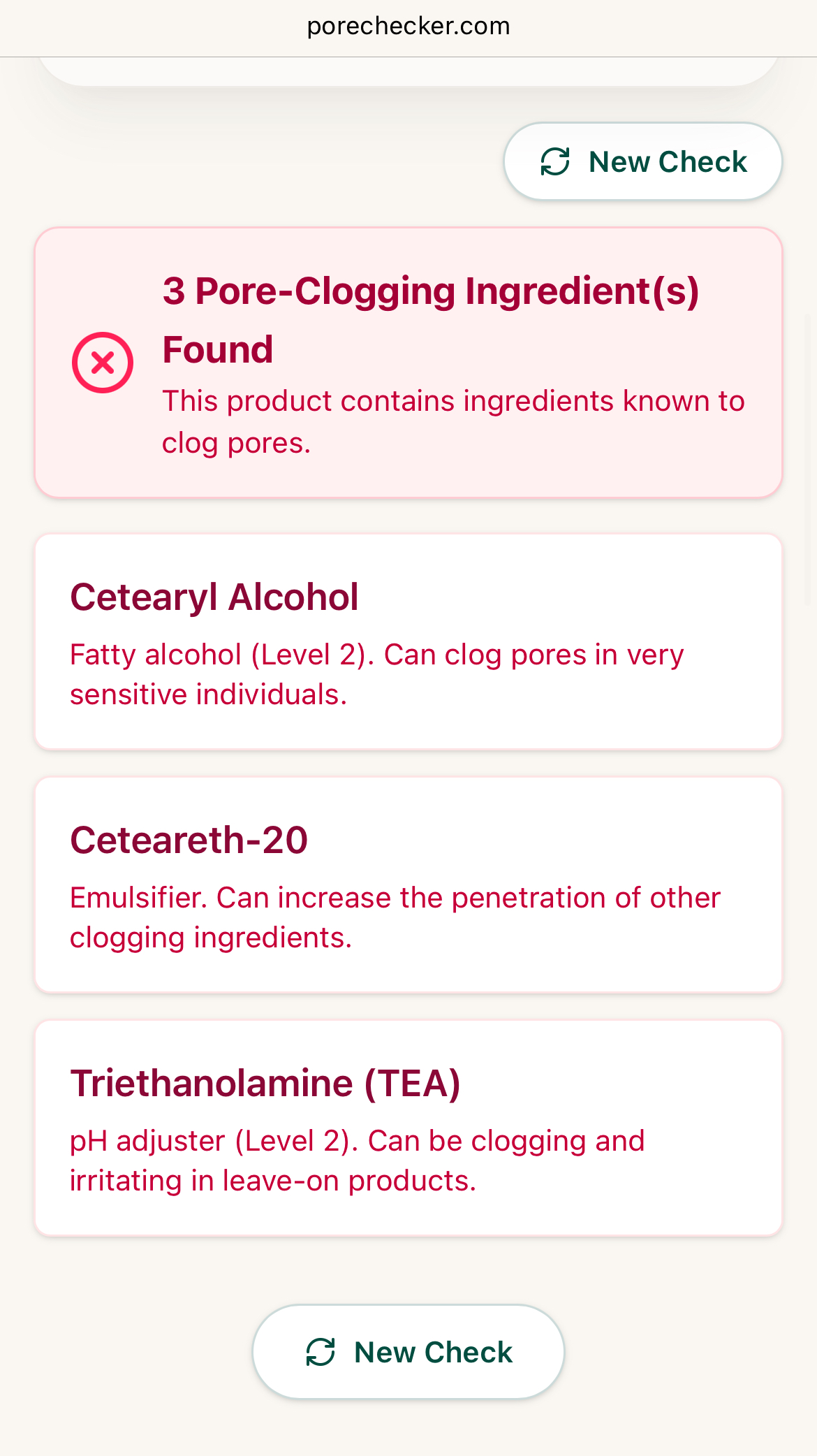
Step 3: Clear Results for Clearer Skin
You get an immediate breakdown. If any red-flag ingredients are found, we highlight them and explain why they might be problematic for your pores.
Does this product fit my skin's needs?
Check Your Products Now