Decoding the Bottle: What Is a Serum and Why Does Your Skin Crave It?
Discover the power of serums! Learn what they are, how they work, & why they're essential for healthy skin. Get expert advice on choosing the right serum.
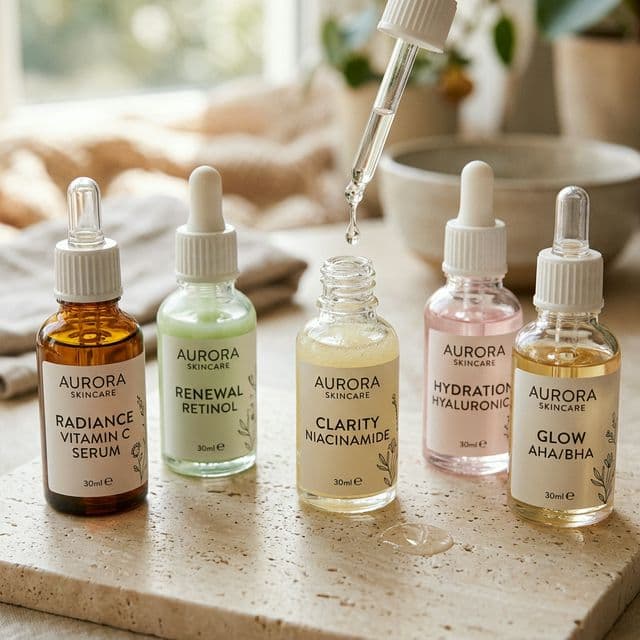
The world of skincare can feel overwhelming, a landscape populated with an array of products promising miraculous results. Among these, serums often stand out, touted as potent elixirs capable of transforming your complexion. But what is a serum, exactly? And why has it become a staple in so many skincare routines? This article will demystify the serum, exploring its composition, benefits, and how to choose the right one for your unique skin needs. We’ll also emphasize the importance of non-comedogenic formulations to ensure you're nurturing your skin without unintended consequences.
Serums are more than just fancy additions to your beauty cabinet. They are concentrated formulations designed to deliver a high concentration of active ingredients directly to the skin. Think of them as targeted treatments, addressing specific concerns like fine lines, uneven skin tone, dryness, or breakouts. Because of their lightweight texture, serums can penetrate the skin more effectively than heavier creams and moisturizers, allowing for deeper absorption and more noticeable results. This enhanced penetration is key to unlocking the full potential of potent ingredients.
The Serum's Secret: Ingredients and Delivery
At its core, a serum is a water-based or oil-based product packed with active ingredients. These ingredients are chosen for their specific properties, such as antioxidants to combat free radicals, peptides to stimulate collagen production, or hyaluronic acid to hydrate the skin. The serum's efficacy lies not only in the ingredients themselves but also in the formulation's ability to deliver these ingredients effectively.
Key Serum Ingredient Categories:
Serums come in many forms, targeting various skincare needs. Understanding the active ingredients will help you find the best fit:
- Antioxidants: Vitamins C and E protect against environmental damage.
- Hydrators: Hyaluronic acid and glycerin draw moisture to the skin.
- Peptides: Promote collagen production, reducing wrinkles.
- Retinoids: Vitamin A derivatives that accelerate cell turnover.
- Brighteners: Niacinamide and kojic acid can reduce hyperpigmentation.
The Science of Absorption:
Serums are formulated with smaller molecules, allowing them to penetrate deeper into the skin than heavier creams or lotions. This enhanced absorption is critical because it allows the active ingredients to reach the deeper layers of the epidermis, where they can effectively address concerns such as collagen breakdown or inflammation.
Choosing the Right Serum for Your Skin
With a plethora of serums on the market, selecting the right one can be daunting. The best serum for you depends on your skin type and your primary skincare concerns. Careful consideration of your skin’s needs will pave the path to achieving your skincare goals.
Skin Type Considerations:
- Oily/Acne-Prone Skin: Look for lightweight, non-comedogenic serums with ingredients like salicylic acid or niacinamide. Avoid heavy oils.
- Dry Skin: Seek serums with hyaluronic acid, ceramides, or oils to replenish moisture.
- Sensitive Skin: Choose serums with calming ingredients, and always test a new serum on a small area of skin before applying it to your entire face.
- Combination Skin: Experiment with different serums for different areas of your face, or opt for a multi-tasking serum.
Addressing Specific Concerns:
Beyond skin type, you can choose serums based on your specific skincare goals:
- Fine Lines and Wrinkles: Look for serums containing retinol or peptides.
- Uneven Skin Tone: Consider serums with vitamin C or niacinamide.
- Dryness: Choose serums with hyaluronic acid or ceramides.
- Acne: Opt for serums with salicylic acid or benzoyl peroxide (use with caution).
Don't Let Your Products Ruin Your Progress
Understanding what a serum is and how it works is just the first step in creating a successful skincare routine. However, even the most carefully chosen serum can be rendered ineffective – or worse, cause breakouts – if used in conjunction with other pore-clogging ingredients. Many products, even those marketed as beneficial, can contain ingredients like certain oils, silicones, and waxes that may not be suitable for all skin types. To ensure you're truly optimizing your routine, it's crucial to identify these potential pore-cloggers, ensuring your skin can reap the full benefits of your chosen serum. Tools exist to help you make informed decisions about your skincare products, helping you avoid ingredients that could undermine your progress.
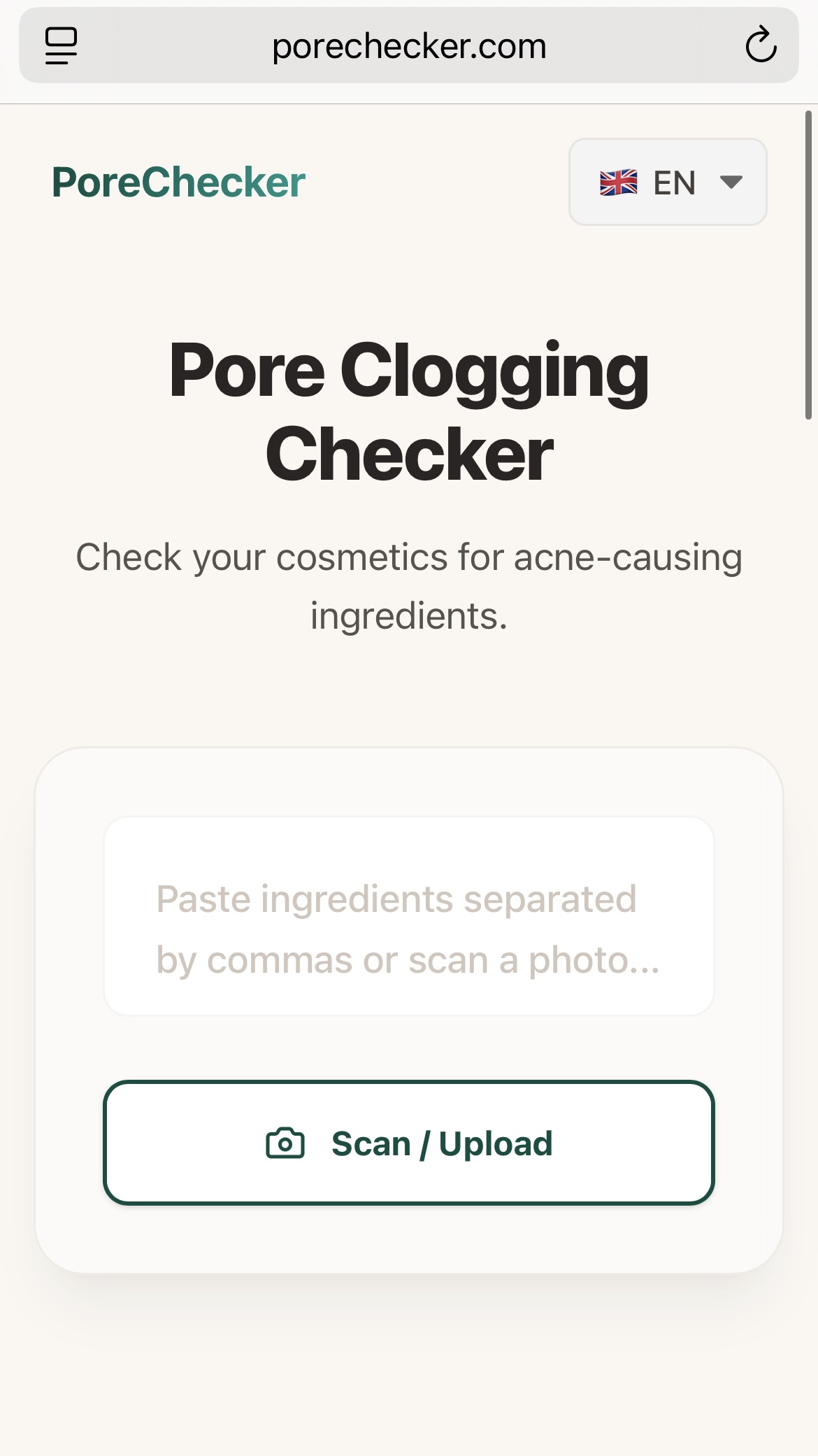
Step 1: Upload Your Product Image
Simply snap a photo of the ingredient list on the back of any bottle, jar, or box. No typing required.
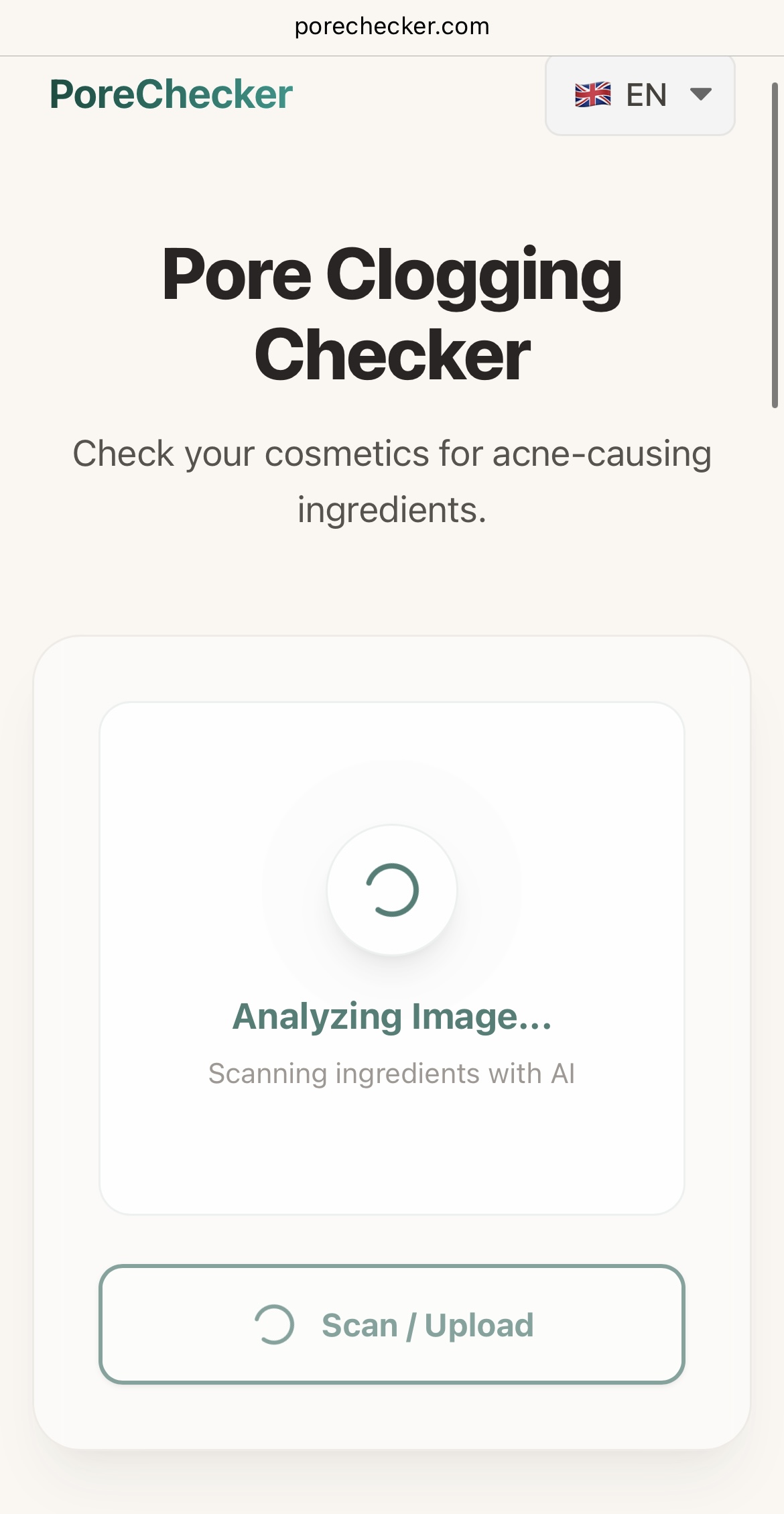
Step 2: Instant AI Ingredient Analysis
Our advanced AI scans the image, performs OCR (Optical Character Recognition), and matches every ingredient against our curated database of comedogenic substances.
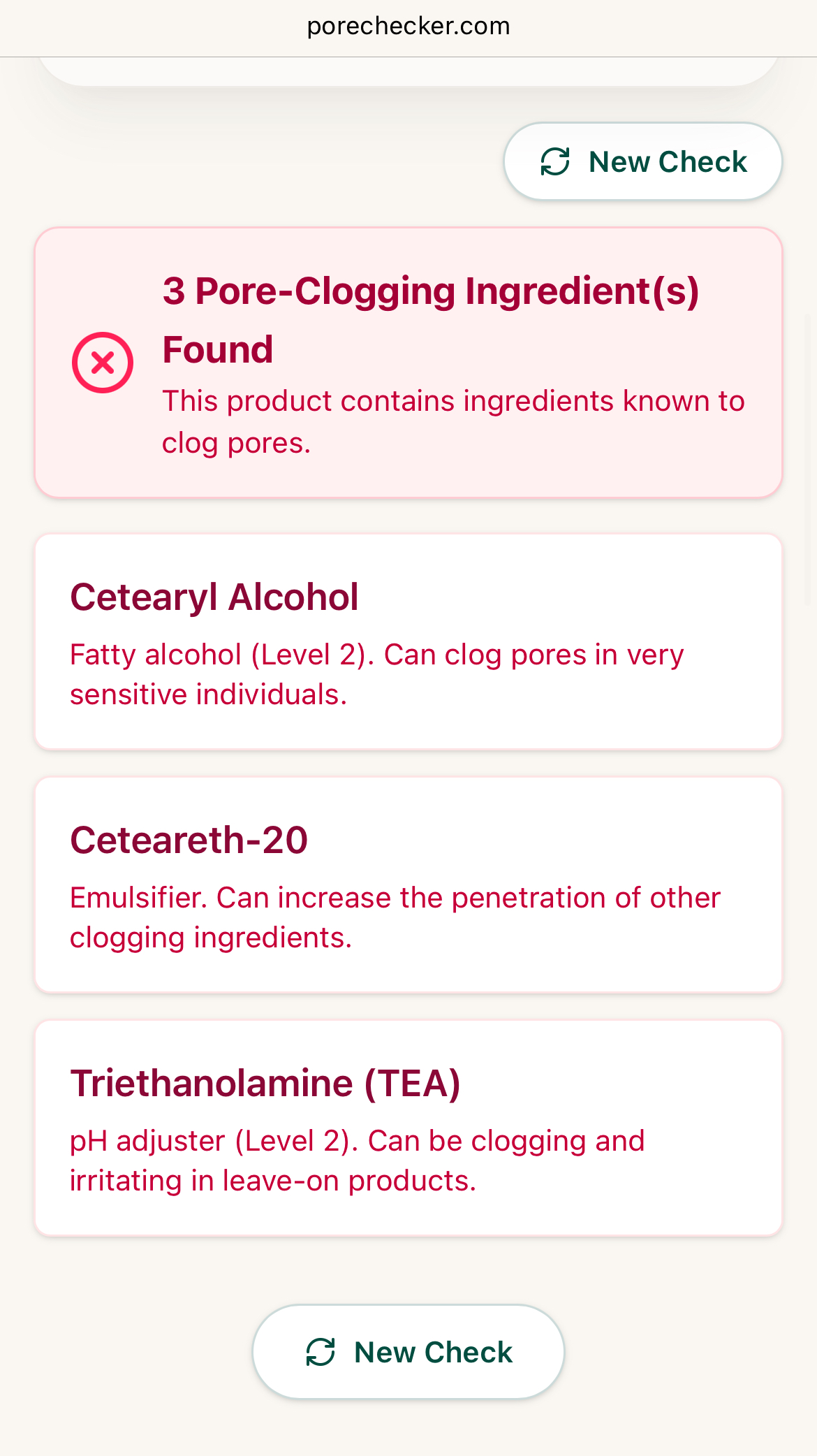
Step 3: Clear Results for Clearer Skin
You get an immediate breakdown. If any red-flag ingredients are found, we highlight them and explain why they might be problematic for your pores.
Does this product fit my skin's needs?
Check Your Products Now